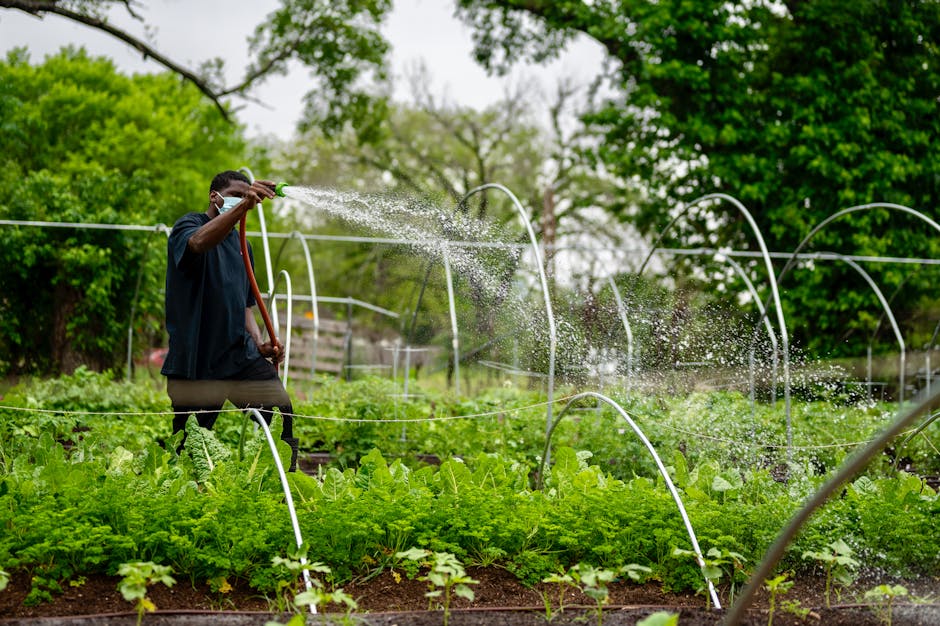
Wondering how long to water your garden with a hose? You’re not alone.
Watering too little can leave your plants thirsty and weak, while watering too much wastes water and may harm their roots. Finding the perfect balance is easier than you think. You’ll discover simple tips to help your garden thrive without any guesswork.
Keep reading to learn exactly how long you should water your garden to keep your plants healthy and your yard looking great.
Ideal Watering Duration
Knowing how long to water your garden with a hose is key to healthy plants.
Watering too little or too much can harm your garden’s growth and health.
Factors Influencing Watering Time
Several things affect how long you should water your garden. These include soil type, moisture levels, and the plants’ water needs.
Soil Type And Moisture Retention
Different soils hold water differently. Sandy soils drain quickly, needing more frequent watering. Clay soils hold water longer, so they need less watering time.
| Soil Type | Water Retention | Watering Frequency |
| Sandy | Low | More often, shorter times |
| Loamy | Medium | Moderate frequency and duration |
| Clay | High | Less often, longer times |
Plant Species And Water Needs
Plants differ in how much water they need. Some need constant moisture while others prefer dry soil between watering.
- Vegetables often need deep, regular watering.
- Succulents need less water and dry soil.
- Flowering plants usually need moderate watering.

Credit: littlesproutslearning.co
Best Time To Water
Watering your garden at the right time helps plants grow strong. It saves water and keeps soil healthy.
Choosing when to water affects how much water plants get. It also reduces water waste.
Morning Vs Evening Watering
Watering in the morning is best for most gardens. The air is cooler, so water soaks into the soil.
Evening watering can leave plants wet all night. This might cause fungus or diseases to grow.
- Morning water soaks deeply
- Plants dry faster in the morning sun
- Evening water may stay on leaves too long
Avoiding Evaporation Loss
Water evaporates quickly in hot, sunny weather. Watering when it is cooler reduces this loss.
Watering early in the day or late in the evening helps water reach plant roots better.
- Water during early morning or late evening
- Use a slow hose flow to let water soak in
- Avoid watering in the middle of the day
Watering Techniques
Watering your garden with a hose can be easy if you know the right techniques. It’s important to water efficiently to conserve water and keep plants healthy.
Different methods like drip and spray can be used. Each has its own benefits for different garden types.
Using A Hose Efficiently
Using a hose efficiently means directing water to where it is needed. Avoid wasting water on paths and other non-plant areas.
- Check for leaks in the hose
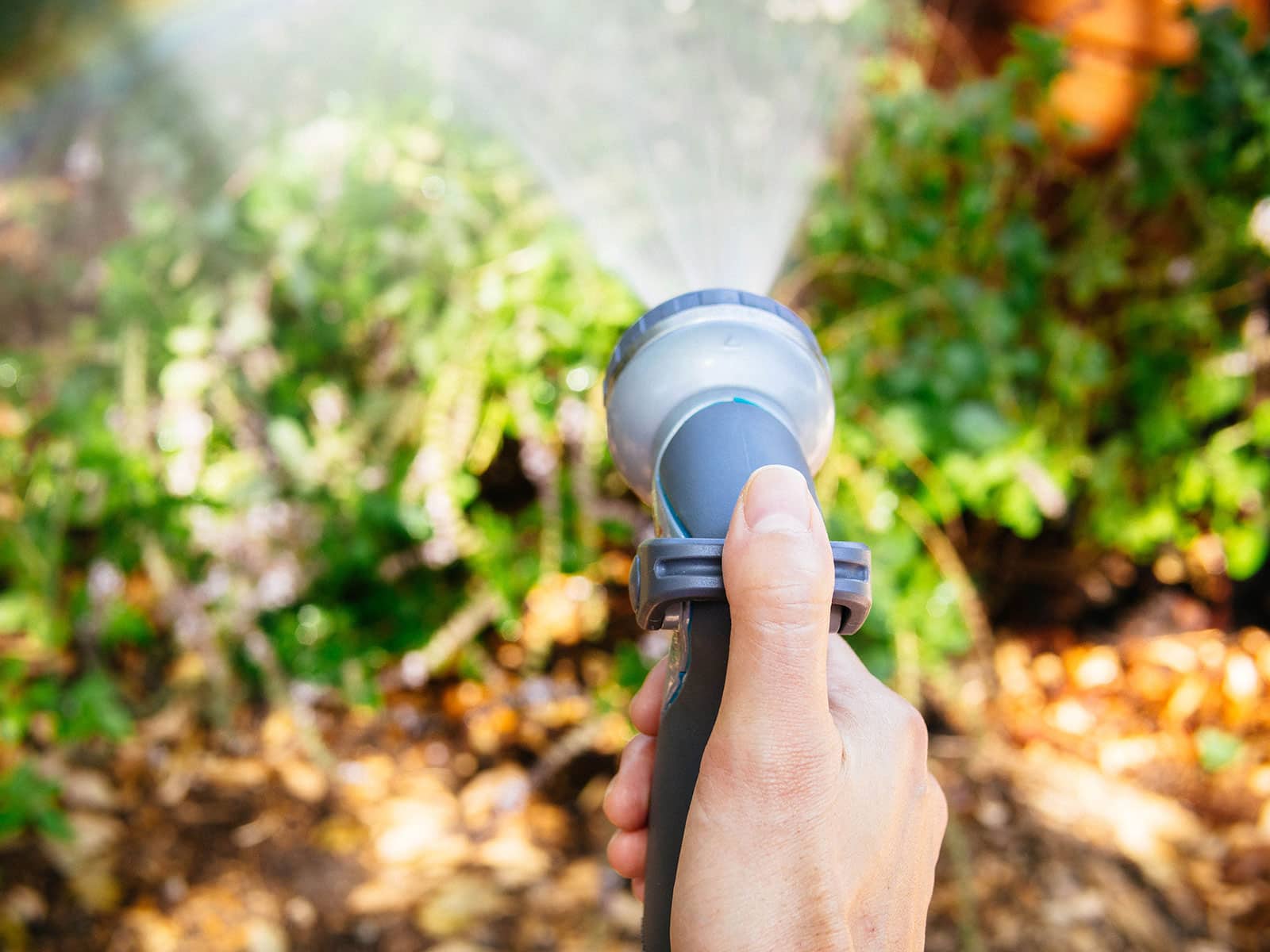
- Use a nozzle to control flow
- Water early morning or late afternoon
- Ensure water reaches the roots
Drip Vs Spray Methods
Drip methods release water slowly, directly to the soil. This is ideal for reducing evaporation and targeting plant roots.
Spray methods cover larger areas but can lead to water loss. Adjust spray settings to minimize waste and ensure even coverage.
| Method | Best Use | Water Efficiency |
| Drip | Flower beds, vegetable patches | High |
| Spray | Lawns, large garden areas | Moderate |
Credit: gardenbetty.com
Signs Of Overwatering And Underwatering
Knowing how to spot signs of overwatering and underwatering helps keep your garden healthy.
Too much or too little water can harm plants. Look for changes in leaves and soil.
Wilting And Yellowing Leaves
Leaves that wilt or turn yellow often show water problems. Overwatered plants have soft, yellow leaves. Underwatered plants have dry, crispy leaves.
- Overwatering: Leaves feel soft and limp.
- Underwatering: Leaves feel dry and brittle.
- Yellow leaves may mean roots are damaged by too much water.
- Wilting can mean roots do not get enough water.
Soil Saturation Levels
Checking soil moisture helps decide if plants need water. Soil that is too wet or too dry causes problems.
| Soil Condition | Signs | What to Do |
|---|---|---|
| Too Wet | Soil feels soggy and smells musty | Stop watering and let soil dry |
| Just Right | Soil feels moist but not wet | Water as needed to keep moisture |
| Too Dry | Soil feels hard and crumbly | Water deeply and regularly |
Adjusting Watering In Different Seasons
Watering your garden changes as the seasons change. Plants need more water in hot months. Cooler months require less water.
Understanding how to adjust watering helps keep your garden healthy all year. Using a hose correctly can save water and prevent plant stress.
Summer Watering Tips
Summer heat makes soil dry out fast. Water your garden early in the morning or late in the evening. This reduces water loss from evaporation.
- Water deeply to reach plant roots
- Use a slow flow from the hose to avoid runoff
- Check soil moisture before watering again
- Mulch around plants to keep soil moist longer
Winter Watering Considerations
Plants need less water in winter. Cold soil holds moisture longer. Avoid overwatering to prevent root rot.
| Condition | Watering Advice |
| Frozen soil | Do not water; wait for thaw |
| Dry winter day | Water lightly if soil is dry |
| Snow cover | Watering usually unnecessary |
Credit: www.angi.com
Tools To Measure Watering Time
Knowing how long to water your garden with a hose helps keep plants healthy. Using tools to measure watering time ensures you give the right amount of water.
There are simple and smart devices that help track watering time and water flow. These tools save water and prevent overwatering.
Timers And Flow Meters
Timers control how long your hose runs. You set the time, and the timer stops the water automatically. Flow meters measure how much water passes through the hose. They help you understand your water usage.
- Mechanical timers are easy to use and affordable.
- Digital timers offer precise control and settings.
- Flow meters show water volume in gallons or liters.
- Some flow meters connect to apps for tracking data.
Smart Irrigation Systems
Smart irrigation systems use sensors and apps to water plants efficiently. They can adjust watering time based on weather and soil moisture. These systems save time and water by customizing watering schedules.
| Feature | Description |
| Weather Sensors | Detect rain and temperature to skip watering if not needed. |
| Soil Moisture Sensors | Measure soil wetness and adjust watering accordingly. |
| App Control | Allows remote scheduling and monitoring from a smartphone. |
| Automatic Shutoff | Stops watering when the set time or conditions are met. |
Frequently Asked Questions
How Long Should I Water My Garden With A Hose?
Water your garden for about 15-30 minutes per session. Adjust time based on soil type, plant needs, and weather conditions to avoid over or underwatering.
What Time Of Day Is Best To Water With A Hose?
Early morning is best for watering. It reduces evaporation and allows plants to absorb moisture before heat sets in. Avoid watering at night to prevent fungal growth.
How Often Should I Water My Garden With A Hose?
Water your garden 2-3 times a week during dry spells. Frequency depends on plant type, soil moisture, and rainfall. Adjust watering based on seasonal changes.
Can I Overwater My Garden Using A Hose?
Yes, overwatering can harm plants by suffocating roots and promoting disease. Ensure soil drains well and water only when the top inch feels dry.
Conclusion
Watering your garden with a hose takes time and care. Aim for about 15 to 30 minutes per session. Check the soil to see if it feels moist, not soggy. Water early in the morning or late in the evening to save water.
Avoid watering too fast or too little. Consistent watering helps plants grow strong and healthy. Remember, every garden is different. Adjust timing based on weather and plant needs. Keep watching your garden’s health. Simple steps bring better results. Happy gardening!