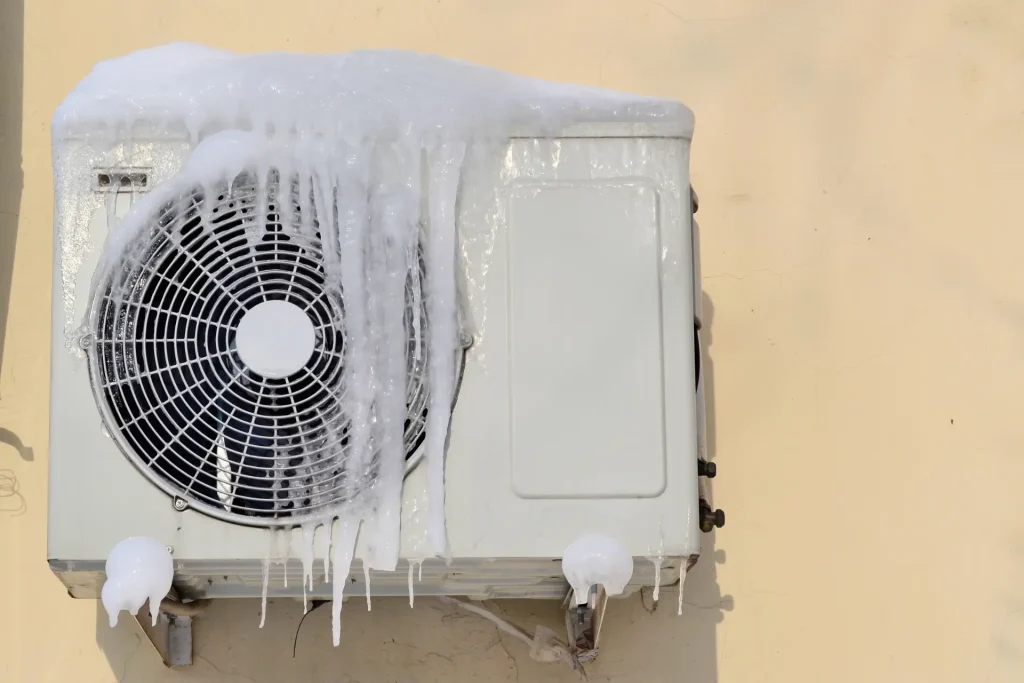
Wondering how long your air conditioner will keep you cool? You’re not alone.
Knowing the lifespan of your AC can save you from unexpected breakdowns and costly repairs. Imagine staying comfortable all summer without worrying about your unit giving out. You’ll discover exactly how long an air conditioner lasts and simple tips to extend its life.
Keep reading to protect your comfort and your wallet.
Average Lifespan Of Air Conditioners
The average lifespanof an air conditioner is about 10 to 15 years. Some units may last up to 20 yearswith good care. The life depends on many factors.
Key factors that affect how long an AC lasts include:
- Quality of the unit: Better brands usually last longer.
- Maintenance: Regular cleaning and check-ups help extend life.
- Usage: Heavy use can shorten the lifespan.
- Climate: Hot and humid places can wear out AC faster.
- Installation: Proper setup prevents early damage.
| Type of Air Conditioner | Typical Years of Service |
|---|---|
| Window AC | 8 – 12 years |
| Split AC | 12 – 15 years |
| Central AC | 15 – 20 years |
Types Of Air Conditioners And Their Durability
Central air systemsare built to last around 15 to 20 years. They need regular maintenance to work well and stay efficient. These systems cool whole houses by moving air through ducts.
Window unitsusually last about 8 to 12 years. They are cheaper and easier to install but cool only one room at a time. Cleaning the filters often helps them last longer.
Portable air conditionershave a shorter life, around 5 to 10 years. They are easy to move but less powerful. Proper storage during winter can extend their lifespan.
Ductless mini-splitslast about 15 to 20 years. These systems do not need ducts and are very efficient for cooling specific areas. Regular check-ups keep them working well.
Maintenance Tips To Extend Lifespan
Regular filter cleaninghelps the air conditioner work better and last longer. Dirty filters block airflow and make the unit work harder. Cleaning or changing filters every 1-3 months keeps air fresh and reduces energy use.
Professional inspectionscatch small problems before they grow. Technicians check refrigerant levels, clean coils, and test parts. A yearly checkup can prevent expensive repairs and keep the AC running smoothly.
Timely repairsstop small faults from damaging the whole system. Fix broken parts quickly to avoid bigger issues. Delays cause more wear and shorten the AC’s life.
- Proper usage habitssave energy and extend the unit’s lifespan.
- Keep doors and windows closed while AC runs.
- Set the thermostat at a steady, comfortable temperature.
- Avoid turning the AC on and off too often.

Credit: www.callmattioni.com
Signs Your Air Conditioner Needs Replacement
Rising energy billscan mean your air conditioner is losing efficiency. Older units use more power to cool the same space. This leads to higher monthly costs without better cooling.
Frequent breakdownsare a clear sign your AC is wearing out. Repairs may fix problems, but frequent fixes add up. Replacement might save money and stress over time.
Inconsistent coolingmeans some rooms feel cold while others stay warm. This shows the system struggles to keep a steady temperature. It could be time for a new unit.
Strange noises or odorscome from worn parts or mold inside the system. Buzzing, rattling, or musty smells should not be ignored. These signs point to serious issues needing attention.
Impact Of Climate On Air Conditioner Life
Hot and humid conditionsput extra strain on air conditioners. The unit works harderto remove moisture and cool the air. This increases wear and tear, often shortening the AC’s lifespan. Frequent use in such climates may cause more frequent repairsand higher energy bills.
Mild and dry environmentsare much gentler on air conditioners. They do not need to work as hardto cool the air. This usually leads to longer life for the AC unit. Regular maintenance still matters, but the risk of damage is lower.

Credit: www.achrnews.com
Choosing A Long-lasting Air Conditioner
Energy efficiency ratingsshow how well an air conditioner uses power. A higher rating means it uses less energy and lasts longer. Check for models with a good SEER (Seasonal Energy Efficiency Ratio)number to save money and reduce wear.
Brand reputationmatters. Trusted brands often make more reliable and durable air conditioners. Read reviews and ask for advice to find brands known for long-lasting products and good customer service.
Warranty and supportgive peace of mind. A longer warranty often means the manufacturer trusts their product. Look for models with clear warranty terms and easy access to support or repairs.
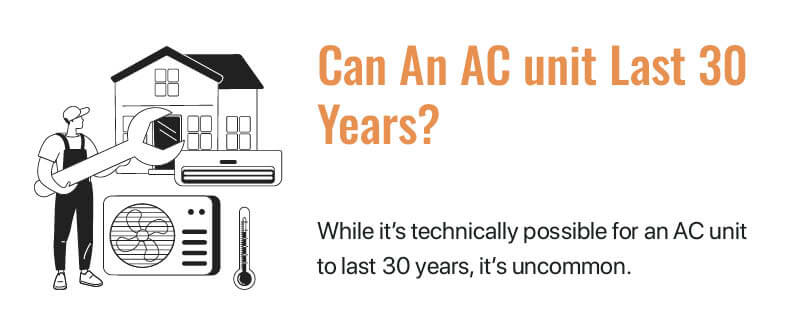
Credit: bplusw.com
Frequently Asked Questions
How Long Do Air Conditioners Typically Last?
Air conditioners typically last between 10 to 15 years. The lifespan depends on maintenance and usage. Regular servicing can prolong its life. Ensuring proper installation and choosing a quality brand can also enhance longevity. Remember, timely repairs help maintain efficiency and extend the unit’s lifespan.
What Factors Affect Ac Lifespan?
Several factors affect AC lifespan, including maintenance, usage, and installation quality. Environmental conditions and brand quality also play a role. Regular servicing and timely repairs can significantly extend your AC’s life. Keeping the unit clean and ensuring proper usage can further enhance its longevity.
How Can I Extend My Ac’s Life?
To extend your AC’s life, schedule regular maintenance and keep it clean. Ensure proper installation and use a reliable brand. Address repairs promptly and use energy-efficient settings. Avoid overworking the unit and maintain adequate airflow around it. These steps can significantly enhance its lifespan.
When Should I Replace My Air Conditioner?
Consider replacing your air conditioner if it’s over 15 years old. Frequent breakdowns and inefficiency also signal replacement. Rising energy bills and uneven cooling are additional indicators. Regular maintenance can delay replacement, but eventually, a new unit will be more cost-effective and energy-efficient.
Conclusion
Air conditioners usually last around 10 to 15 years. Proper care helps them work longer and better. Cleaning filters and regular check-ups are important steps. Avoid overusing the unit to prevent early wear. When signs of trouble appear, fix problems quickly.
A well-maintained air conditioner saves money and energy. Remember, a good unit keeps your home cool and comfortable. Choose wisely and take care to enjoy cool air for many years.