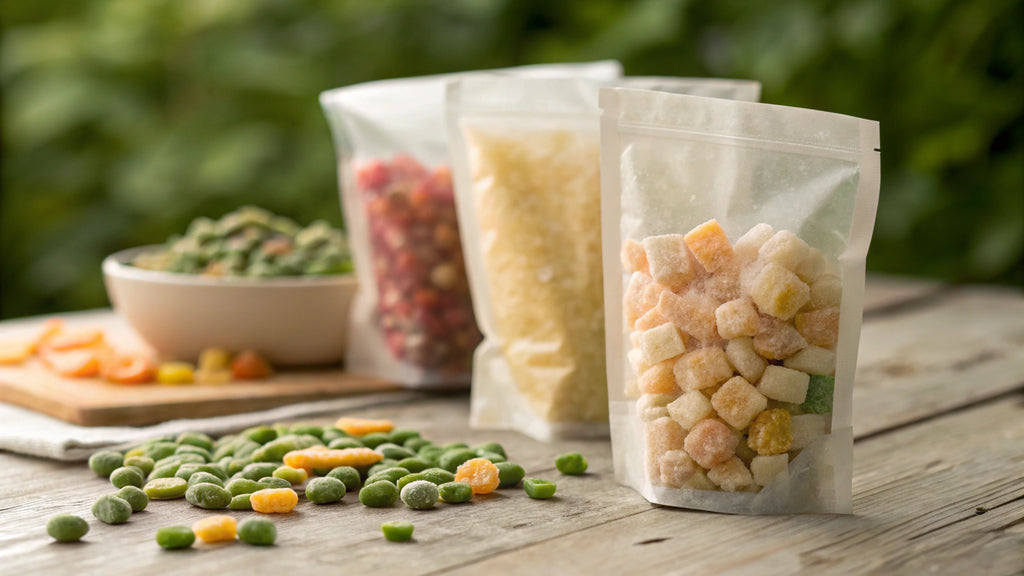
Have you ever wondered how long your dehydrated food can last when stored in vacuum sealed bags? If you’re like most people, preserving food for as long as possible is a top priority.
Whether you’re preparing for a camping trip, stocking up for emergencies, or simply trying to reduce waste, knowing how to maximize the shelf life of your food is crucial. Imagine the peace of mind that comes from knowing your food is safe and ready whenever you need it.
We’ll explore the secrets behind extending the longevity of dehydrated foods. You’ll discover how vacuum sealing can make all the difference and learn practical tips to ensure your food stays fresh and nutritious. Keep reading to unlock the potential of your pantry and secure your food supply like never before!
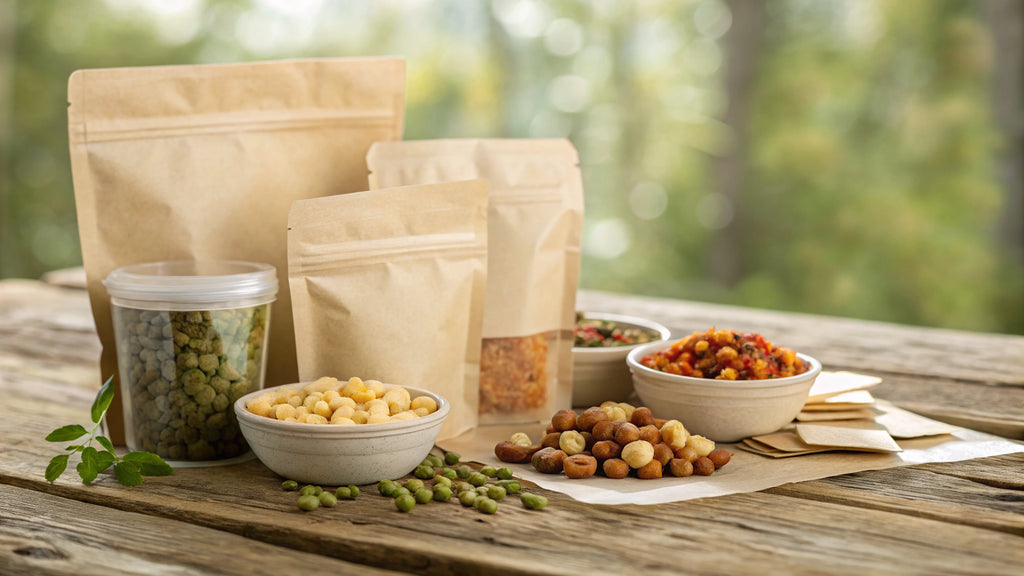
Credit: www.battlbox.com
Shelf Life Of Dehydrated Foods
Dehydrated foods stored in vacuum sealed bags have a longer shelf life than those stored in regular containers. Removing air slows down the oxidation process. It also prevents moisture and bacteria from spoiling the food. Proper storage conditions play a big role in how long dehydrated food lasts. Understanding the shelf life helps in planning meals and reducing waste.
Factors Affecting Longevity
Several factors impact the shelf life of dehydrated foods in vacuum sealed bags:
- Moisture Content:Lower moisture means longer shelf life. Even a small amount of water can cause spoilage.
- Storage Temperature:Cooler temperatures extend food freshness. Avoid heat and sunlight.
- Vacuum Quality:A strong vacuum seal keeps air and moisture out better.
- Food Preparation:Proper dehydration and packaging methods reduce contamination risks.
- Type of Food:Some foods naturally last longer after dehydration.
Comparison Of Different Food Types
| Food Type | Approximate Shelf Life (Vacuum Sealed) | Notes |
|---|---|---|
| Fruits | 1 to 2 years | High sugar content helps preserve them. |
| Vegetables | 1 to 1.5 years | Lower sugar content; spoil faster than fruits. |
| Meats | 1 to 2 years | Must be fully dehydrated and sealed properly. |
| Herbs and Spices | 2 to 3 years | Low moisture and oils keep them fresh longer. |
| Grains and Legumes | 2 to 3 years | Best stored dry and sealed tightly. |
Benefits Of Vacuum Sealing
Vacuum sealing offers significant benefits for storing dehydrated food, making it a smart choice for anyone serious about long-term food preservation. By removing air and sealing moisture out, vacuum sealing extends the shelf life of your dehydrated goods far beyond ordinary storage methods. This technique helps maintain the quality of your food, ensuring it stays fresh, tasty, and nutritious for months or even years.
Moisture And Air Protection
One of the biggest enemies of dehydrated food is moisture. Even a tiny bit of water can cause your carefully dried food to spoil quickly. Vacuum sealing removes the air, which contains moisture and oxygen, from the packaging.
This creates a tight barrier that keeps humidity and air out. Without air and moisture, mold and bacteria struggle to grow, which means your food stays safe and dry.
Think about that bag of dried fruit you left open once—didn’t it get sticky and lose its crunch? Vacuum sealing prevents that frustrating experience.
Preserving Flavor And Nutrients
Vacuum sealing locks in the natural flavors and nutrients of dehydrated food. Oxygen exposure can lead to oxidation, which dulls taste and breaks down vitamins over time.
By cutting out oxygen, vacuum sealing slows this process dramatically. Your dried herbs, fruits, and meats keep their vibrant taste and nutritional value much longer.
Imagine opening a bag of vacuum-sealed dried tomatoes after a year and tasting the same intense flavor as the day you sealed them. That’s the power of vacuum sealing.
Proper Storage Conditions
Proper storage conditions play a crucial role in extending the shelf life of dehydrated food packed in vacuum sealed bags. Even the best sealing can’t fully protect your food if the environment around it isn’t right. Paying attention to factors like temperature and humidity will help keep your food fresh and safe for months or even years.
Temperature And Humidity Control
Keeping your dehydrated food at a stable, cool temperature is key. Ideally, aim for storage temperatures between 50°F and 70°F (10°C to 21°C). Higher temperatures speed up food degradation, while extreme cold can cause condensation inside the bags when brought back to room temperature.
Humidity is just as important. Excess moisture can sneak into vacuum sealed bags if the seals aren’t perfect, leading to mold growth or spoilage. Try to keep humidity below 60% in your storage area to minimize this risk.
I once stored vacuum sealed dried fruit in a warm garage without checking humidity. Within months, the bags had tiny moisture droplets inside, and the fruit lost its texture and flavor. That experience showed me how crucial controlling both temperature and humidity really is.
Ideal Storage Locations
Choosing the right spot in your home or storage space can make a big difference. Basements, pantries, and closets often work well if they stay cool and dry. Avoid places near heat sources like ovens, water heaters, or direct sunlight.
Think about places that are naturally stable in temperature and humidity. A dark cupboard away from windows or an interior closet can be perfect. If you live somewhere humid, consider using a dehumidifier or moisture absorbers to protect your vacuum sealed bags.
Have you checked the spots in your home where you store food? Sometimes the best place isn’t the most obvious one. Finding a cool, dry location might just save your dehydrated food from spoiling prematurely.

Credit: www.reddit.com
Signs Of Spoilage
Knowing the signs of spoilage helps keep dehydrated food safe to eat. Even vacuum sealing cannot stop all damage. Spoiled food can cause illness and taste bad. Check your food often for any changes. Spotting problems early prevents health risks and waste.
Visual Changes
Look closely at the food inside the vacuum bag. Spoiled food may show:
- Discoloration, such as dark spots or fading colors
- Mold growth, which can be white, green, or black
- Bulging bags due to gas from bacteria
- Moisture or condensation inside the bag
Any of these signs mean the food is no longer safe.
Smell And Texture Alterations
Smell the food after opening the bag. Bad odors like sour, musty, or rancid smells signal spoilage. The texture may also change:
- Becomes slimy or sticky
- Feels unusually hard or soft
- Crumbles or powderizes more than usual
Trust your senses. If something seems off, discard the food.
Extending Shelf Life Tips
Extending the shelf life of dehydrated food stored in vacuum sealed bags is essential for preserving flavor and nutrition. Proper handling and storage can keep your food fresh for years. Small habits make a big difference in maintaining quality over time.
Packaging Best Practices
Use high-quality vacuum seal bags designed for long-term storage. Ensure the bags are thick and puncture-resistant to avoid air leaks. Seal the bags tightly with a reliable vacuum sealer to remove all air. Label each bag with the date of packaging for easy tracking. Store bags in a cool, dark, and dry place to slow down spoilage. Keep bags away from direct sunlight and moisture sources. Consider adding oxygen absorbers inside the bags to eliminate residual oxygen.
Avoiding Common Mistakes
Do not use damaged or thin bags that can tear easily. Avoid sealing bags with moisture still inside, as it promotes mold growth. Skip overfilling the bags, which can prevent a proper seal. Do not store vacuum sealed bags near heat sources or fluctuating temperatures. Avoid opening bags frequently, as it exposes food to air and moisture. Check bags regularly for any signs of air leaks or damage. Discard any food that smells off or looks discolored to prevent health risks.

Credit: ciarragadgets.com
Common Foods And Their Durability
Understanding how long different dehydrated foods last in vacuum sealed bags can save you money and reduce waste. Each type of food has its own shelf life based on moisture content, oil levels, and storage conditions. Knowing these differences helps you plan your meals and stock your pantry smarter.
Fruits And Vegetables
Dehydrated fruits and vegetables tend to last between 1 to 2 years in vacuum sealed bags if stored in a cool, dark place. Fruits like apples, bananas, and berries usually hold up well for about 12 to 18 months. Vegetables such as carrots, peas, and green beans might last slightly longer, up to 2 years.
Keep in mind that fruits with higher sugar content, like mangoes, can sometimes last longer due to their natural preservatives. Have you noticed how some dried fruits maintain their flavor better after long storage? Proper sealing and avoiding heat exposure are key to preserving taste and texture.
Meats And Proteins
Dehydrated meats and proteins have a shorter shelf life compared to fruits and vegetables. Vacuum sealed jerky and dried fish can last around 1 to 2 years, but quality starts to decline after the first year. The fat content in meats causes them to go rancid faster, even when vacuum sealed.
If you’re storing protein powders or dehydrated beans, expect a shelf life of about 1 to 3 years. Ever wondered why some jerky tastes off after a while? It’s usually due to fat oxidation despite vacuum sealing. Storing these items in a freezer after vacuum sealing can extend their usability.
Grains And Legumes
Grains and legumes are among the longest-lasting dehydrated foods in vacuum sealed bags. White rice, lentils, and dried beans can last 5 to 10 years or more if stored properly. Brown rice has a shorter shelf life because of its oil content but still lasts 1 to 2 years under vacuum sealing.
Have you ever checked the expiration date on your pantry staples? You might be surprised how long grains can stay good. Their low moisture and stable structure make them ideal for long-term storage. Just remember to keep them in a cool, dry place to maximize durability.
Frequently Asked Questions
How Long Does Dehydrated Food Last In Vacuum Sealed Bags?
Dehydrated food can last 1 to 2 years in vacuum sealed bags if stored properly. Vacuum sealing removes air, reducing oxidation and spoilage. Keep bags in a cool, dark, and dry place for maximum shelf life and freshness.
Does Vacuum Sealing Extend Dehydrated Food Shelf Life?
Yes, vacuum sealing significantly extends shelf life by preventing air and moisture exposure. It slows down spoilage, oxidation, and microbial growth. This keeps dehydrated food fresh longer compared to traditional storage methods.
Can Vacuum Sealed Dehydrated Food Spoil?
While vacuum sealing reduces spoilage risk, dehydrated food can still spoil if stored improperly. Exposure to heat, light, or moisture can cause spoilage. Always store vacuum sealed bags in cool, dry, and dark locations to maintain quality.
What Storage Conditions Best Preserve Vacuum Sealed Dehydrated Food?
Store vacuum sealed dehydrated food in a cool, dry, and dark place. Avoid heat, sunlight, and humidity to prevent spoilage. Proper storage maintains taste, texture, and nutritional value for longer periods.
Conclusion
Dehydrated food lasts much longer in vacuum sealed bags. Air and moisture cause food to spoil faster. Removing them helps keep food fresh. Store bags in a cool, dark place for best results. Check seals regularly to avoid leaks. Proper storage means your food stays safe and tasty.
This method suits emergency kits and long trips. Simple steps make a big difference in food shelf life. Keep your food ready for whenever you need it.