Have you ever wondered how long your vacuum-sealed dried fruit will last? You’re not alone.
In a world where food preservation is key to reducing waste and saving money, knowing the shelf life of your stored snacks can make a big difference. Imagine opening your pantry to find your dried apricots, raisins, or apple slices as fresh and flavorful as the day you sealed them.
It’s like a mini time capsule of taste and nutrition. As you dive into this article, you’ll discover the secrets behind the longevity of vacuum-sealed dried fruit. You’ll find out how to maximize their freshness and ensure that your healthy snacks are always ready when you need them. Stay with us, and you’ll never have to question the quality of your dried fruit again. Ready to unlock the mystery? Let’s get started!

Credit: teddys.co.za
Shelf Life Of Vacuum Sealed Dried Fruit
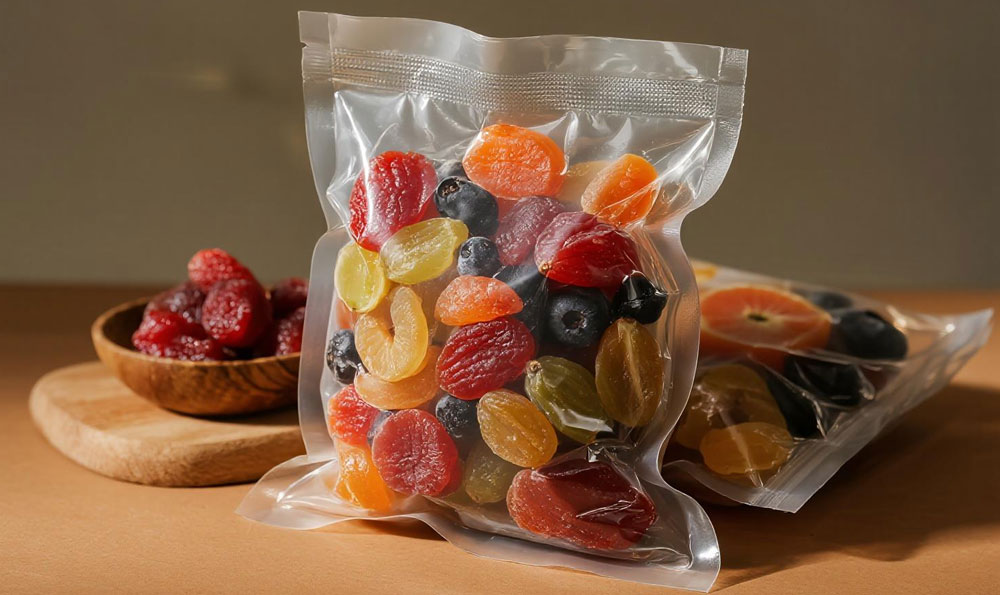
Vacuum sealing dried fruit greatly extends its shelf life by removing air. This process slows down the growth of mold and bacteria. It also prevents moisture from getting inside the package. Proper vacuum sealing helps keep dried fruit fresh and tasty for months or even years.
Typical Duration For Various Fruits
Different dried fruits last for different times when vacuum sealed. Here is a general guide:
| Dried Fruit | Vacuum Sealed Shelf Life |
|---|---|
| Apples | 12 to 24 months |
| Bananas | 6 to 12 months |
| Cherries | 12 to 18 months |
| Mangoes | 12 to 24 months |
| Apricots | 12 to 18 months |
| Raisins | 12 to 24 months |
Factors Affecting Shelf Life
- Storage temperature: Cooler places keep fruit fresh longer.
- Moisture content: Lower moisture helps prevent mold growth.
- Quality of sealing: A tight vacuum seal blocks air effectively.
- Type of fruit: Some fruits dry better and last longer.
- Light exposure: Storing in dark places reduces spoilage risk.
Keeping dried fruit in a cool, dark, and dry place improves its shelf life. Check the vacuum seal regularly to ensure freshness. Proper handling before sealing also matters. Clean, dry fruit lasts longer when sealed.
Credit: www.organicbiopack.com
Benefits Of Vacuum Sealing
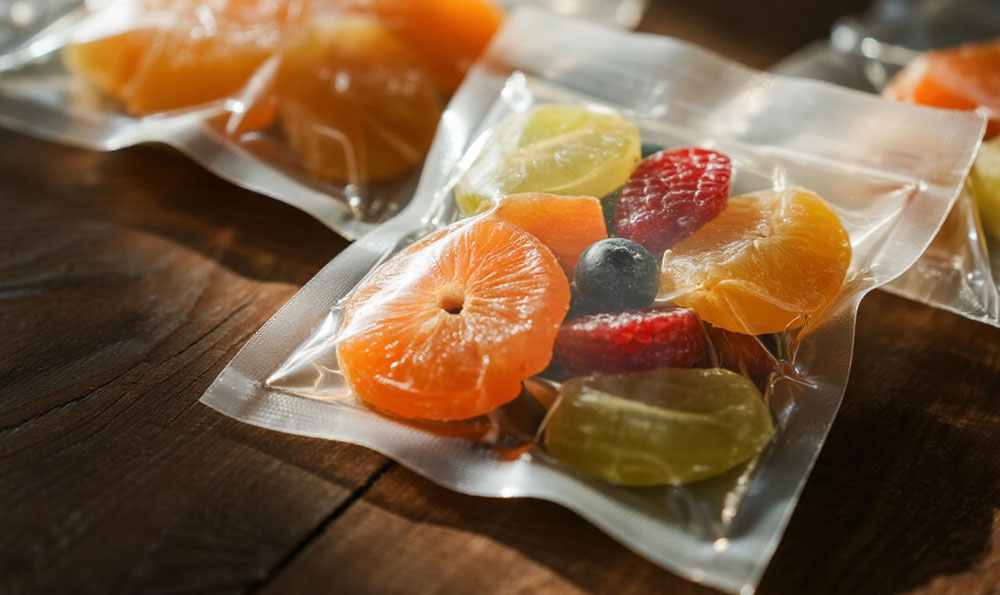
Vacuum sealing offers many benefits for storing dried fruit. It extends shelf life by protecting the fruit from harmful elements. This method keeps dried fruit fresh and tasty for much longer. Vacuum sealing creates an airtight environment that helps maintain quality and flavor.
Moisture And Oxygen Removal
Vacuum sealing removes air from the package, especially oxygen. Oxygen can cause dried fruit to spoil faster. It also removes moisture, which can lead to mold growth. Without air and moisture, dried fruit stays dry and crisp. This helps keep the fruit’s texture and taste intact for months.
Prevention Of Mold And Bacteria
Removing air and moisture stops mold and bacteria from growing. These organisms need oxygen and water to survive. Vacuum sealing creates a hostile environment that prevents their growth. This greatly reduces spoilage and keeps dried fruit safe to eat. It also lowers the chance of foodborne illnesses from spoiled fruit.
Storage Conditions To Maximize Freshness
Storing dried fruit vacuum sealed is a great way to extend its shelf life, but the environment you keep it in plays a crucial role in maintaining its freshness. Even with airtight packaging, certain conditions can cause dried fruit to lose flavor, texture, or even spoil faster. Paying attention to temperature, humidity, light, and heat exposure can make a noticeable difference in how long your dried fruit stays delicious.
Ideal Temperature And Humidity
Keeping your vacuum-sealed dried fruit at the right temperature is essential. Aim for a cool, stable environment—ideally between 50°F and 70°F (10°C to 21°C). Fluctuations in temperature can cause condensation inside the package, which leads to mold growth or sogginess.
Humidity is just as important. Dried fruit absorbs moisture easily, so storing it in a low-humidity place helps preserve its chewy texture and prevents spoilage. A pantry away from steam or a cellar with controlled humidity works well.
Avoiding Light And Heat Exposure
Light and heat can degrade dried fruit quickly, even when vacuum sealed. UV rays break down vitamins and cause color changes, making your snack less appealing. Keep your dried fruit in a dark cupboard or opaque container to block light.
Heat speeds up oxidation and can make dried fruit sticky or overly dry. Avoid placing sealed bags near ovens, windows, or direct sunlight. Have you ever found your dried fruit stuck together in a warm spot? That’s heat at work, quietly ruining your stash.
Signs Dried Fruit Has Gone Bad
Dried fruit can last a long time when vacuum sealed. Still, it is important to check for signs of spoilage before eating. Spoiled dried fruit may cause stomach problems or taste unpleasant. Recognizing the signs helps avoid food waste and keeps you safe.
Appearance Changes
One clear sign of bad dried fruit is a change in appearance. Look for these:
- Discoloration or dark spots that were not there before
- White or green mold on the surface
- Sticky or wet patches indicating moisture
- Cracks or shriveling beyond normal dryness
Any unusual color or mold means the fruit should be discarded immediately.
Texture And Smell Indicators
Texture changes also warn of spoiled dried fruit. These include:
- Fruit feels too hard or overly soft and mushy
- A slimy or sticky coating on the fruit
- Unpleasant sour or musty odors
- Strong off-smell that is different from usual fruity scent
Bad smell and odd texture are strong signals to avoid eating the fruit.
Tips For Vacuum Sealing Dried Fruit
Vacuum sealing dried fruit can significantly extend its shelf life, but the process needs careful attention to detail. The right approach can prevent moisture, air, and contaminants from spoiling your fruit. Let’s look at some practical tips to get the best results with vacuum sealing your dried fruit.
Choosing The Right Bags
Not all vacuum sealing bags are created equal. Look for bags specifically designed for vacuum sealers—they are thicker and more durable than regular plastic bags.
Consider bags with multi-layer construction to protect your dried fruit from oxygen and moisture. My personal favorite are BPA-free bags that also block UV light; these keep the fruit fresh and safe for months.
Size matters, too. Using a bag that fits your dried fruit snugly reduces excess air inside. Have you noticed how a tightly packed bag feels more secure and less likely to leak?
Proper Sealing Techniques
Getting a strong seal is crucial. Start by wiping the sealing area clean and dry—any crumbs or moisture can cause the seal to fail.
Avoid overfilling the bag. Leave about 2-3 inches of space at the top to allow the machine to seal properly. When sealing, hold the bag steady to prevent wrinkling, which can create air pockets.
After sealing, test the bag by gently pressing it. If you hear air escaping, reseal immediately. I learned this the hard way when one poorly sealed bag ruined an entire batch of dried mangoes.
Do you check your seals every time? Taking an extra minute to double-check can save you weeks of wasted food and money.
Comparing Vacuum Sealing With Other Methods
Choosing the right storage method for dried fruit can make a big difference in how long it stays fresh and tasty. Vacuum sealing is popular, but how does it stack up against other common options? Let’s look closely at some alternatives and see where vacuum sealing really shines.
Plastic Containers And Zip Bags
Plastic containers and zip bags are easy to use and widely available. They protect dried fruit from dust and moisture to some extent, but air still sneaks in. This exposure can lead to faster spoilage and loss of flavor.
Think about the last time you stored dried fruit in a zip bag. Did it stay fresh for weeks, or did it turn tough and dry quickly? That’s because these options don’t remove air completely, allowing oxidation and moisture buildup.
Vacuum sealing removes air almost entirely, creating a tighter seal that keeps dried fruit fresher much longer. If you want to extend shelf life beyond a few weeks, vacuum sealing outperforms plastic containers and zip bags by a significant margin.
Freezing And Refrigeration
Freezing dried fruit can keep it fresh for many months. However, it requires space in your freezer and careful packaging to avoid freezer burn. Plus, thawing can sometimes change texture and taste.
Refrigeration is another option that slows down spoilage but doesn’t stop it completely. The cool temperature helps, but moisture inside the fridge can cause dried fruit to become sticky or moldy over time.
Vacuum sealing combined with refrigeration offers a powerful duo—you reduce air exposure and keep the fruit cold. This combo can stretch shelf life far beyond refrigeration alone. But if you don’t have freezer or fridge space, vacuum sealing at room temperature still keeps dried fruit fresher than most other methods.

Credit: ciarragadgets.com
Frequently Asked Questions
How Long Does Vacuum Sealing Extend Dried Fruit Shelf Life?
Vacuum sealing can extend dried fruit shelf life up to 1-2 years. It reduces oxygen exposure, slowing spoilage and mold growth. Proper storage in a cool, dark place further preserves freshness and flavor. Always check for signs of spoilage before consumption.
Does Vacuum Sealing Affect Dried Fruit Taste Or Texture?
Vacuum sealing preserves dried fruit taste and texture by preventing air and moisture damage. It keeps the fruit chewy and flavorful longer than traditional storage. However, if sealed improperly, moisture buildup can cause texture changes or spoilage. Use quality vacuum bags for best results.
Can Vacuum-sealed Dried Fruit Be Stored At Room Temperature?
Yes, vacuum-sealed dried fruit can be safely stored at room temperature. Keep it in a cool, dark, and dry place for optimal freshness. Avoid heat and direct sunlight, which can degrade quality. Vacuum sealing significantly slows oxidation, extending shelf life.
Is Refrigeration Necessary For Vacuum-sealed Dried Fruit?
Refrigeration is not necessary but can prolong vacuum-sealed dried fruit freshness. Cooler temperatures slow microbial growth and preserve nutrients. For long-term storage beyond a year, refrigeration or freezing is recommended. Always ensure the vacuum seal remains intact.
Conclusion
Vacuum sealing helps dried fruit stay fresh much longer. It stops air and moisture from causing spoilage. Stored this way, dried fruit can last up to a year or more. Keep the sealed packs in a cool, dark place for best results.
Always check for signs of spoilage before eating. This simple step saves money and reduces waste. Enjoy your dried fruit knowing it stays tasty and safe for months. A small effort brings lasting freshness to your snacks.