Imagine opening your pantry to find a perfectly preserved bag of rice, as fresh as the day you bought it. Sounds like a dream, right?
But with vacuum sealing, it’s entirely possible. You might be wondering, “How long will rice last vacuum sealed? ” This isn’t just about extending shelf life; it’s about ensuring quality and flavor are locked in for when you need them most.
Whether you’re stocking up for emergencies, planning meals in advance, or simply trying to reduce food waste, understanding how vacuum sealing impacts rice storage can be a game-changer for you. Dive in with us as we explore the incredible benefits of vacuum sealing rice and how it can make your life a whole lot easier. You won’t want to miss the surprising facts and practical tips we have lined up for you!
Shelf Life Of Vacuum Sealed Rice
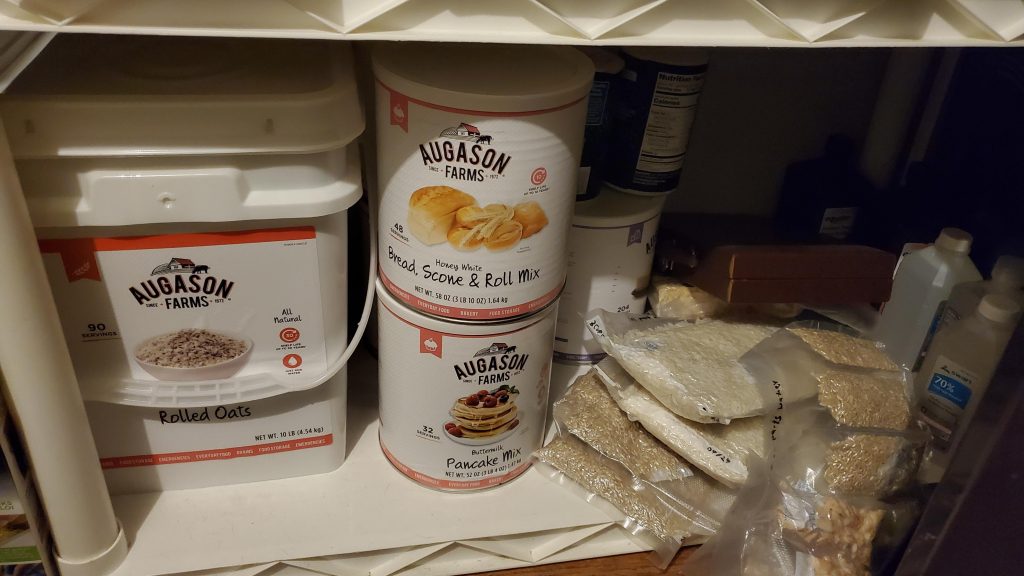
Vacuum sealing rice extends its shelf life by removing air and moisture. This process helps keep rice fresh longer than traditional storage. Knowing how long vacuum sealed rice lasts depends on several factors. These include the type of rice and storage conditions.
White Rice Vs Brown Rice
White rice lasts longer than brown rice when vacuum sealed. The outer bran layer in brown rice contains oils that spoil faster. White rice is milled and polished, removing most oils. This makes it more stable and less prone to rancidity.
Vacuum sealed white rice can last 4 to 5 years or more. Brown rice lasts about 6 to 8 months to 1 year when vacuum sealed. Proper storage in a cool, dry place can extend these times slightly.
Factors Affecting Shelf Life
- Storage Temperature:Cooler temperatures slow down spoilage and keep rice fresh longer.
- Moisture Levels:Moisture leads to mold growth and spoilage. Vacuum sealing reduces moisture exposure.
- Packaging Quality:High-quality vacuum bags prevent air and moisture from entering.
- Rice Quality:Fresh, high-quality rice lasts longer than old or damaged grains.
- Light Exposure:Keep vacuum sealed rice away from direct sunlight to prevent quality loss.

Credit: cwstoryteller.medium.com
Vacuum Sealing Process
Vacuum sealing rice is a simple yet powerful way to keep it fresh for a much longer time. This process removes air around the rice, which slows down spoilage and prevents pests from invading your stored grains. Understanding how vacuum sealing works helps you make the most of this preservation method and avoid common mistakes.
How Vacuum Sealing Extends Freshness
Oxygen is the enemy of stored rice. It causes oxidation, which leads to stale smells and flavors. By vacuum sealing, you remove most of the air, especially oxygen, around the rice, creating an environment where bacteria and mold struggle to grow.
In my experience, rice sealed this way stayed fresh for over a year in the pantry without losing its texture or taste. The absence of air also keeps out moisture, which is a major cause of spoilage in grains.
Have you ever noticed how rice can develop a weird smell after a few months? Vacuum sealing stops that from happening by cutting off oxygen and sealing in the rice’s natural freshness.
Best Practices For Sealing Rice
- Use dry rice:Make sure the rice is completely dry before sealing. Any moisture can cause mold growth inside the bag.
- Choose the right bag:Use high-quality vacuum seal bags designed for food storage. They prevent air from re-entering after sealing.
- Fill the bag properly:Don’t overfill. Leave enough space at the top for the sealer to create a tight seal.
- Seal in small portions:Vacuum seal rice in smaller batches. This way, you only open what you need, keeping the rest fresh.
- Label and date:Always mark the date of sealing. This helps you keep track of how long the rice has been stored.
Have you tried vacuum sealing rice before? It might surprise you how much longer your rice can stay fresh with just a little extra effort. Think about the convenience of having perfectly fresh rice ready whenever you want without worrying about pests or spoilage.
Storage Conditions For Vacuum Sealed Rice
Vacuum sealing rice significantly extends its shelf life, but how long it actually lasts depends heavily on the storage conditions you maintain. Even with airtight packaging, factors like temperature and humidity can impact the quality and safety of your rice over time. Understanding the right environment to store vacuum sealed rice helps you keep it fresh and ready to use for months or even years.
Ideal Temperature And Humidity
Rice stored in a cool, dry place lasts much longer than rice kept in warm or humid conditions. The ideal temperature for vacuum sealed rice is below 70°F (21°C). Lower temperatures slow down any natural degradation and prevent the growth of mold or bacteria.
Humidity should be kept under 15%. High moisture levels can cause rice to spoil quickly, even if sealed. A pantry away from direct sunlight or a temperature-controlled basement works well.
Think about your kitchen: is it often warm and steamy? If yes, then storing your vacuum sealed rice there might not be the best choice.
Avoiding Common Storage Mistakes
Many people make the mistake of storing vacuum sealed rice in places that seem convenient but are not ideal, such as near ovens, dishwashers, or windows. Heat and moisture from these areas can seep into the packaging over time, ruining the rice.
Another common error is stacking heavy items on top of the sealed bags. This can cause tiny punctures or weaken the seal, exposing rice to air and pests.
Have you ever found rice with an odd smell after months in storage? That’s a clear sign the seal was compromised or the environment was too humid. Always inspect your storage area regularly and handle your vacuum sealed bags with care to avoid these pitfalls.
Credit: www.homesandgardens.com
Signs Of Spoiled Rice
Knowing the signs of spoiled rice helps keep your food safe. Vacuum sealing extends rice’s shelf life but does not stop spoilage. Checking rice before use prevents health risks and waste.
Visual And Smell Indicators
Spoiled rice shows clear signs you can see and smell. Look for:
- Discoloration: Dark spots or yellowing on the grains.
- Mold: White, green, or black fuzzy patches inside the bag.
- Clumping: Rice stuck together in hard clumps.
Smell the rice for any off odors. Fresh rice smells neutral or slightly nutty. Spoiled rice may smell sour, musty, or like chemicals.
When To Discard Vacuum Sealed Rice
Throw away rice if you notice any spoilage signs. Keep these points in mind:
- The rice has an unusual smell or visible mold.
- It feels damp or sticky inside the bag.
- The vacuum seal is broken or swollen.
- The rice is past its recommended storage time.
Discarding spoiled rice avoids stomach problems and illness. Always check rice before cooking or eating it.
Comparing Vacuum Sealed Rice To Other Storage Methods
Storing rice properly extends its shelf life and keeps its quality intact. Different methods impact how long rice stays fresh and safe to eat. Comparing vacuum sealing with other storage ways helps find the best option for long-term use.
Traditional Storage Vs Vacuum Sealing
Traditional rice storage uses containers like jars or bags. These allow air, moisture, and pests to reach the rice. This exposure can cause spoilage and reduce shelf life.
Vacuum sealing removes air and seals rice in airtight bags. This process limits moisture and insect contact. Rice lasts longer and keeps its flavor and texture.
- Traditional storage: lasts 6 to 12 months in a cool, dry place.
- Vacuum sealed rice: can last 1 to 2 years or more under the same conditions.
Vacuum sealing offers better protection against mold and bugs. It keeps rice fresh for a longer time.
Freezing Vacuum Sealed Rice
Freezing rice after vacuum sealing adds extra shelf life. The cold temperature stops bacteria and mold growth completely. This method is ideal for very long storage.
- Vacuum sealed rice frozen can last 2 to 3 years.
- Freezing keeps rice quality and taste intact.
- Rice should be thawed slowly to avoid moisture buildup.
Freezing vacuum sealed rice is a safe way to store large amounts. It prevents spoilage and waste for a long time.
Credit: www.battlbox.com
Tips For Long-term Rice Storage
Storing rice for a long time requires care to keep it fresh and safe. Proper storage stops pests and moisture from spoiling the rice. Vacuum sealing is a popular way to extend rice’s shelf life. Combine vacuum sealing with other tips to keep rice in the best condition for months or even years.
Using Oxygen Absorbers
Oxygen absorbers remove air inside the rice package. This slows down spoilage and stops bugs from growing. Place the right size absorber in the vacuum-sealed bag before sealing it. Too small won’t remove enough oxygen; too large is wasteful. Oxygen absorbers also keep rice from turning stale or developing bad smells.
Packaging Materials To Use
Choose strong, airtight packaging to protect rice from air and moisture. Use thick vacuum-seal bags made of nylon or foil for best results. Mylar bags are another good option because they block light and air. Avoid thin plastic bags that can tear easily. Store sealed rice in a cool, dry place away from sunlight to keep it fresh longer.
Frequently Asked Questions
How Long Does Vacuum Sealed Rice Last?
Vacuum sealed white rice lasts up to 1-2 years at room temperature. Brown rice lasts 6-8 months. Proper sealing and storage in a cool, dry place extend shelf life significantly.
Does Vacuum Sealing Keep Rice Fresh Longer?
Yes, vacuum sealing removes air, slowing oxidation and moisture exposure. This preserves rice freshness, texture, and nutritional value for a longer time compared to regular storage.
Can Vacuum Sealed Rice Be Stored In The Freezer?
Yes, vacuum sealed rice freezes well. Freezing extends shelf life beyond 2 years. It prevents pest infestation and maintains rice quality when thawed properly.
Is Vacuum Sealing Rice Better Than Airtight Containers?
Vacuum sealing removes more air than airtight containers, reducing spoilage risk. It better preserves rice freshness, flavor, and prevents insect contamination compared to regular storage methods.
Conclusion
Vacuum sealing helps rice stay fresh for a long time. White rice can last up to 1-2 years this way. Brown rice stays good for about 6-8 months when vacuum sealed. Always store rice in a cool, dry place. Check for any signs of spoilage before use.
Proper storage keeps rice tasty and safe. This method saves money and reduces waste. Keep your rice sealed tightly for best results. Simple steps lead to longer rice shelf life.