Are you wondering how many air conditioners you really need to keep your home cool and comfortable? Choosing the right number can save you money, reduce energy bills, and prevent uneven cooling in your space.
Too few units might leave some rooms hot, while too many could waste power and cost more than necessary. You’ll discover simple tips to figure out exactly how many air conditioners suit your home and lifestyle. Keep reading to make the smartest choice for your comfort and budget.
Factors Affecting Air Conditioner Needs
Choosing the right number of air conditioners depends on many factors. These factors help you cool your space efficiently.
Understanding these can save energy and keep your rooms comfortable all year.
Room Size And Layout
The size of a room is very important when deciding how many air conditioners you need. Bigger rooms need more cooling power.
Rooms with open layouts or connected spaces may require multiple units to cool evenly.
- Large rooms may need two or more units
- Open floor plans can spread cool air better
- High ceilings can make cooling harder
Insulation And Windows
Good insulation keeps cool air inside and hot air outside. Poor insulation means your air conditioner works harder.
Windows affect heat gain. Large or many windows let in more heat and need extra cooling.
- Well-insulated walls reduce cooling needs
- Double-pane windows block heat better
- Windows facing the sun increase room temperature
Climate And Weather
Your local climate affects how much cooling you need. Hotter places need stronger or more air conditioners.
Humidity also makes a room feel warmer, increasing cooling demands.
- Hot climates require more cooling power
- Humid areas need air conditioners with dehumidifiers
- Mild climates may need fewer units
Appliance Heat Output
Appliances like ovens, computers, and lights produce heat. This heat adds to the room’s temperature.
Rooms with many appliances need more cooling to stay comfortable.
- Kitchen appliances create a lot of heat
- Electronics add small but steady heat
- Lighting can increase room temperature
Occupant Numbers
People generate body heat. More people in a room increase the cooling load.
Rooms used by many occupants at once need more or bigger air conditioners.
- Each person adds heat to the room
- Gathering spaces need extra cooling
- Rooms with few people need less cooling
Credit: www.cromwellenergy.com
Calculating Cooling Capacity
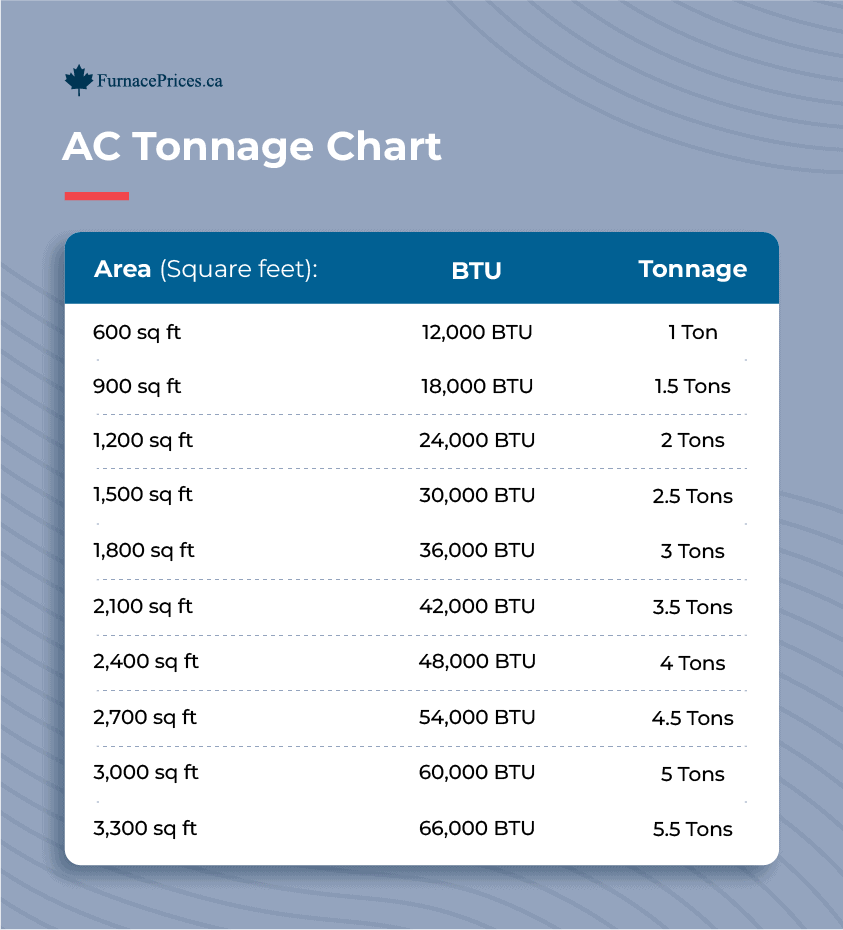
Choosing the right number of air conditioners depends on the cooling power you need. Cooling capacity is measured in BTUs, which tells how much heat an air conditioner can remove.
Knowing how to calculate your cooling needs helps you stay comfortable and save energy. Use room size and other factors to find the right BTU capacity.
Btu Requirements
BTU stands for British Thermal Unit. It measures how much heat an air conditioner removes per hour. The higher the BTU, the bigger the area it can cool.
- Small rooms (up to 150 sq ft) need 5,000 BTUs
- Medium rooms (150 to 300 sq ft) need 6,000 to 8,000 BTUs
- Large rooms (300 to 500 sq ft) need 10,000 to 12,000 BTUs
- Extra-large rooms (over 500 sq ft) need 14,000 BTUs or more
Square Footage Estimates
Measure your room’s square footage by multiplying length by width. This number helps you estimate the needed cooling capacity.
| Room Size (sq ft) | Recommended BTU |
| 100 | 5,000 |
| 200 | 6,000 |
| 300 | 8,000 |
| 400 | 10,000 |
| 500 | 12,000 |
| 600+ | 14,000+ |
Adjusting For Sunlight Exposure
Rooms with many windows or direct sunlight need more cooling power. Sunlight adds heat, so increase your BTU estimate to keep the room cool.
- For sunny rooms, add 10% more BTUs
- If room is heavily shaded, reduce BTUs by 10%
- Add extra BTUs for heat from appliances or many people
Types Of Air Conditioners
Choosing the right air conditioner depends on your space and needs. Different types cool rooms in different ways.
Understanding each type helps you decide how many units you need for your home or office.
Window Units
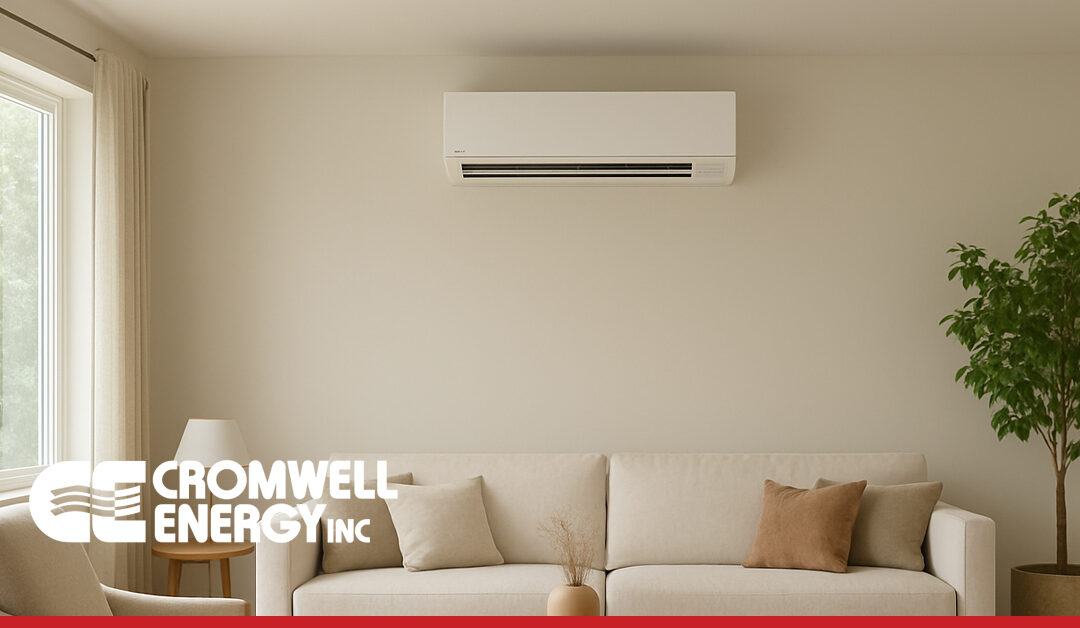
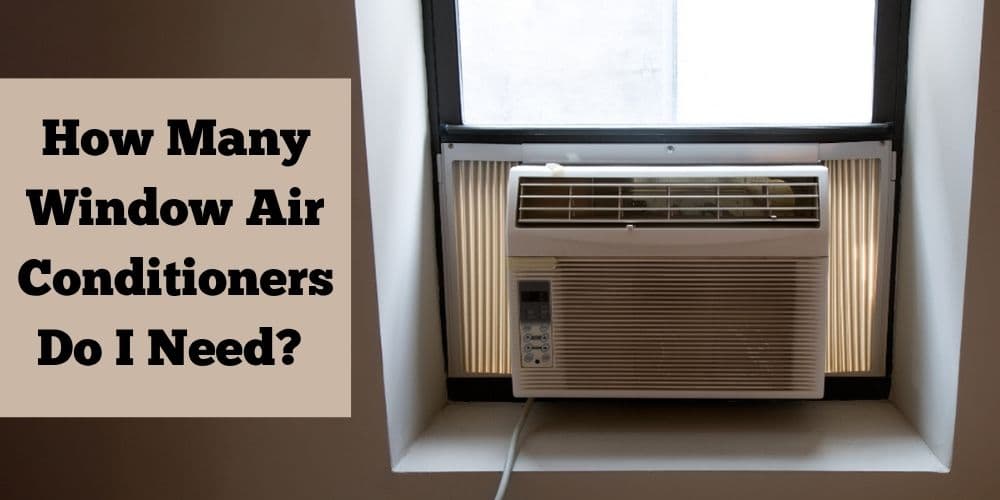
Window air conditioners fit into a window or a hole in the wall. They cool one room at a time.
These units are easy to install and usually cost less than other types. They work best for small spaces.
Split Systems
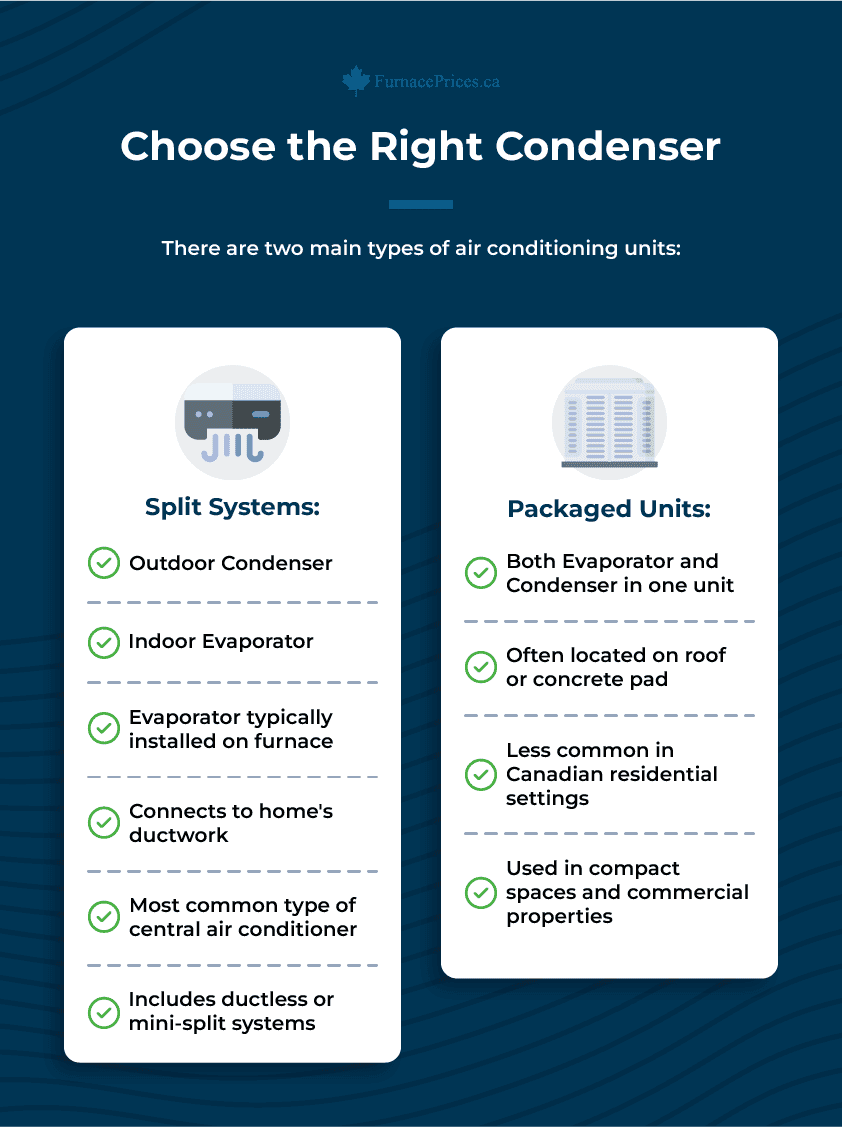
Split systems have two parts: an indoor unit and an outdoor unit. They cool one or more rooms.
These systems are quieter and more efficient. You can control the temperature in each room separately.
- Indoor unit cools the air inside
- Outdoor unit releases heat outside
- Good for homes with multiple rooms
Central Air Conditioning
Central air conditioners cool the whole house using ducts. They provide even cooling in every room.
This type needs professional installation. It is best for large homes or buildings with many rooms.
- Uses ducts to move cool air
- Cools entire home at once
- Requires a bigger upfront cost
Portable Options
Portable air conditioners can move from room to room. They are easy to set up and require no installation.
These units are good for temporary cooling or rooms without windows. They usually cool one room only.
- Compact and easy to move
- Needs a vent for hot air
- Not ideal for large spaces
Credit: www.furnaceprices.ca
Determining Number Of Units
Choosing the right number of air conditioners is important for comfort and cost. The number depends on your space, usage, and energy needs.
This guide helps you decide between one large unit or several smaller units. It also covers zoning and energy efficiency factors.
Single Large Unit Vs Multiple Small Units
A single large air conditioner cools the whole area at once. Multiple small units allow more control room by room.
- One large unit may cost less to install.
- Multiple units let you cool only used rooms.
- Small units can be easier to repair or replace.
- A large unit may struggle with uneven cooling.
Zoning And Room Usage
Zoning divides your home into areas that can be cooled separately. This saves energy and keeps rooms comfortable.
| Zone | Common Use | Recommended Units |
| Living Room | High use during day | 1 Medium Unit |
| Bedrooms | Used mainly at night | Small Units per Room |
| Kitchen | Cooking heats area | Small Unit or Ventilation |
| Office | Work during day | Small Unit |
Energy Efficiency Considerations
Energy use depends on unit size, number, and how you use them. Smaller units in zones often save energy.
Tips for saving energy with air conditioners:
- Turn off units in empty rooms.
- Use programmable thermostats.
- Maintain units with regular cleaning.
- Choose units with high Energy Efficiency Ratio (EER).
Installation Tips
Installing the right number of air conditioners is important for comfort. Proper installation ensures efficient cooling and saves energy.
Use these tips to place and maintain your air conditioners for the best results.
Optimal Placement
Place air conditioners where air can flow freely. Avoid spots blocked by furniture or curtains. Higher walls often work better.
- Install near windows or doors to cool incoming air
- Keep away from heat sources like ovens or direct sunlight
- Allow space around units for good air circulation
- Consider room size and layout for unit positioning
Professional Vs Diy
Choosing between professional installation and DIY depends on your skills and the complexity of the system.
| Aspect | Professional | DIY |
| Skill Level Needed | High | Basic to Intermediate |
| Installation Time | Shorter | Longer |
| Cost | Higher | Lower |
| Warranty | Often Included | Usually Not Included |
| Safety | Higher | Risk of Mistakes |
Maintenance And Upkeep
Regular maintenance keeps air conditioners running well and lasts longer.
- Clean or replace filters every 1–3 months
- Check for leaks and repair them quickly
- Clear debris around outdoor units
- Schedule professional check-ups yearly
- Keep thermostat settings consistent
Cost And Energy Savings
Knowing how many air conditioners you need helps save money and energy. Buying too many can waste electricity. Buying too few can make rooms uncomfortable.
Understanding costs and controls can help you make smart choices. This guide covers the initial investment, running costs, and smart thermostats.
Initial Investment
Buying multiple air conditioners costs more upfront. Each unit includes the price of the AC, installation, and sometimes extra wiring.
- Cost per unit varies by brand and size.
- Installation fees increase with more units.
- Choosing the right number saves on setup costs.
Running Costs
Electric bills depend on how many units run and their efficiency. More units usually mean higher energy use. Using fewer, larger units may lower costs.
| Number of Units | Estimated Monthly Cost | Energy Usage (kWh) |
|---|---|---|
| One | $60 | 400 |
| Two | $110 | 750 |
| Three | $150 | 1000 |
Smart Thermostats And Controls
Smart thermostats help control temperature with less energy waste. They adjust cooling based on your schedule and room use.
Benefits of smart thermostats include:
- Set timers to cool rooms only when needed
- Control units remotely with a phone app
- Monitor energy use and adjust settings
- Link multiple units for balanced cooling
Credit: www.homelectrical.com
Frequently Asked Questions
How Do I Calculate The Number Of Ac Units Needed?
To calculate AC needs, consider room size, insulation, and climate. Measure the square footage of each room. Larger spaces may need multiple units. Consult a professional for precise requirements. Proper calculation ensures efficient cooling and energy savings.
What Size Ac Is Suitable For My Room?
Room size dictates AC capacity. Measure your room’s square footage. For 150-250 sq. Ft. , choose a 6,000-7,000 BTU unit. Larger rooms require higher BTUs. Consult manufacturer guidelines for best results.
Can One Ac Cool Multiple Rooms?
One AC can cool multiple rooms if doors are open and airflow is unobstructed. Ensure the unit’s capacity matches the combined room size. Consider additional fans for optimal air circulation. For best results, central air systems are recommended.
What Are The Energy Efficiency Considerations?
Energy efficiency reduces costs and environmental impact. Look for Energy Star-rated units. Proper insulation and maintenance enhance efficiency. Consider inverter ACs for variable cooling and energy savings. Efficient units provide consistent comfort with lower utility bills.
Conclusion
Choosing the right number of air conditioners keeps your home cool and comfortable. Think about room size, layout, and how often people stay inside. One unit might not cool big spaces well. Small rooms need less power. Balancing cost and comfort matters most.
Proper planning saves energy and money. Stay cool without wasting resources. Simple steps make a big difference. Your perfect setup depends on your unique needs.