Ever found yourself sweltering in the summer heat, wondering how many air conditioners you really need to stay cool and comfortable? You’re not alone.
Deciding on the right number of air conditioners for your home or office can be a daunting task. But don’t worry, you’re about to uncover the secrets to making this decision a breeze. Imagine stepping into a perfectly cooled room, free from the sticky discomfort of summer.
Sounds great, right? By understanding the factors that influence your cooling needs, you’ll be equipped to make a choice that keeps you cool without breaking the bank. Keep reading to discover how to achieve the ideal indoor climate tailored just for you.
Credit: www.furnaceprices.ca
Factors Affecting Air Conditioner Needs
Room sizeis a key factor for air conditioner needs. Larger rooms require more cooling power. The layout affects airflow and cooling efficiency. Open spaces cool differently than small, closed rooms.
Insulation qualityhelps keep cool air inside. Good insulation means less cooling is needed. Poor insulation lets heat in, making the AC work harder.
Sunlight exposurewarms a room quickly. Rooms with many windows or direct sun need stronger AC units. Shaded rooms stay cooler and need less cooling.
Occupancy and usage patternsaffect cooling needs. More people produce more heat. Rooms used often or for long times need better cooling.
Local climateplays a big role. Hot and humid areas require more cooling power. Cooler or dry climates need less.
Credit: www.homelectrical.com
Calculating Cooling Capacity
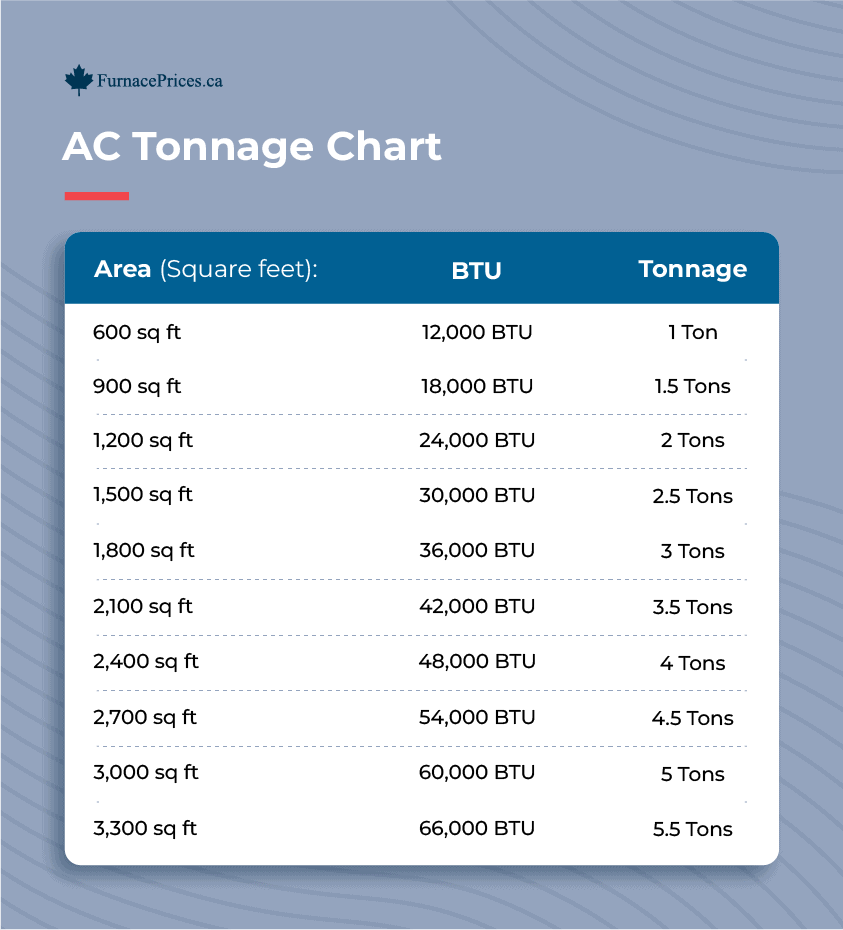
Measure the square footageof the room to find the cooling need. Multiply the length by the width. For example, a 10 ft by 12 ft room is 120 sq ft.
Use the BTU (British Thermal Unit)to match the cooling power. Rooms up to 150 sq ft need about 5,000 BTUs. Larger rooms need more.
| Room Size (sq ft) | BTU Needed |
|---|---|
| Up to 150 | 5,000 BTU |
| 150 – 250 | 6,000 BTU |
| 250 – 350 | 8,000 BTU |
| 350 – 450 | 10,000 BTU |
Adjust BTU for high ceilings. Add 10% more BTU if ceilings are over 8 feet tall.
- Count heat from appliancesand sunlight.
- Add extra BTU for kitchens or rooms with many electronics.
- More people in the room means more heat to cool.
Types Of Air Conditioners
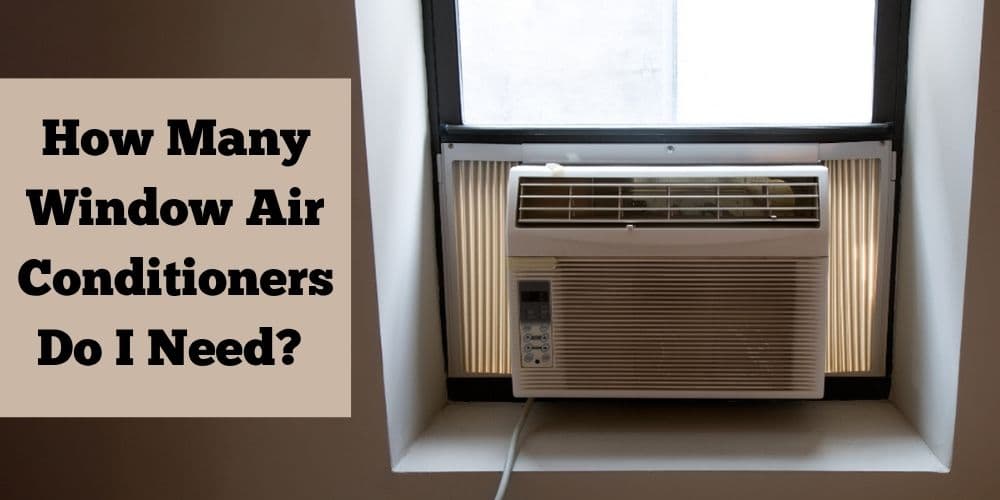
Window unitsare small air conditioners that fit into a window frame. They cool one room and are easy to install. These units are usually cheaper but less powerful than other types.
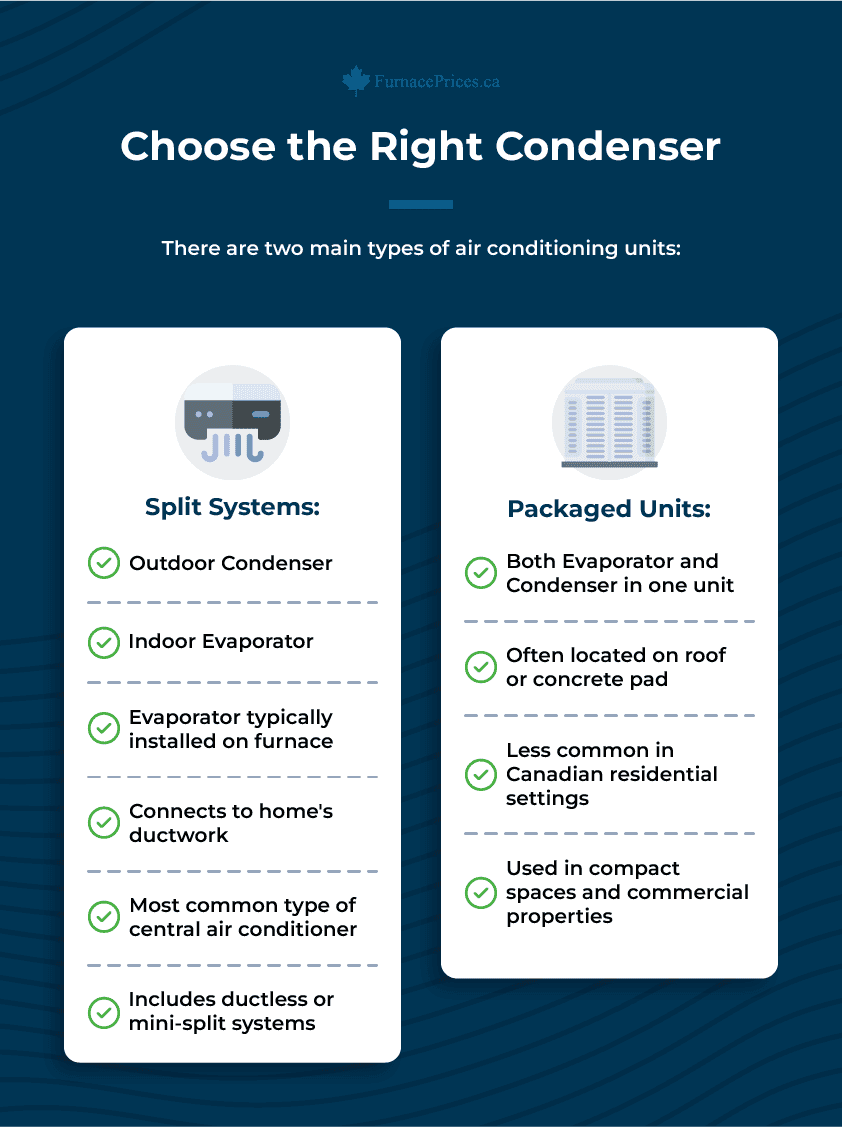
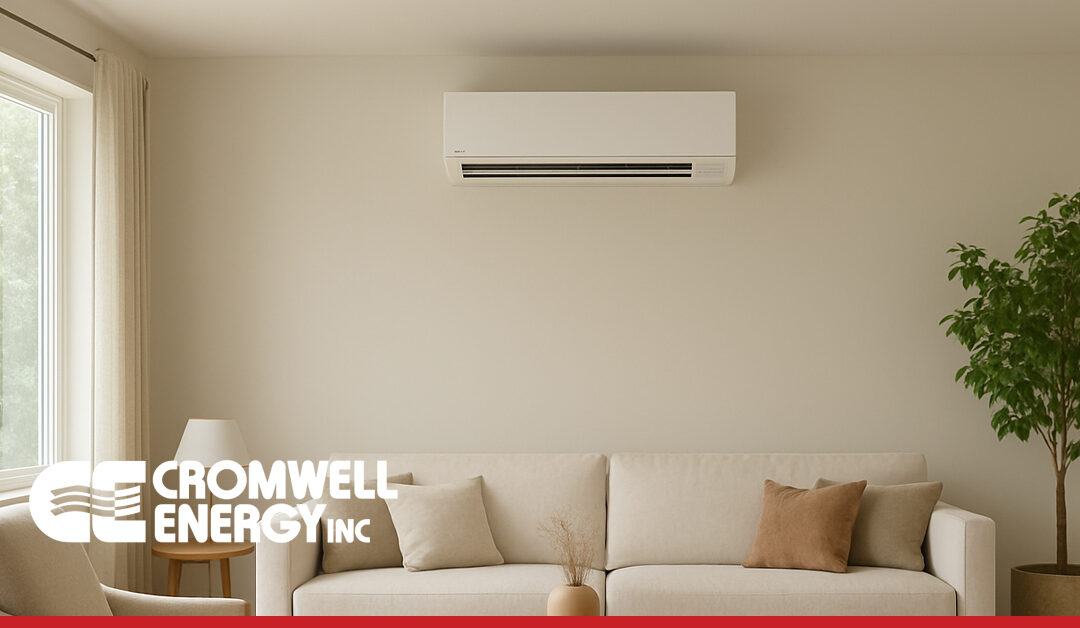
Split systemshave two parts: one inside and one outside. They cool rooms quietly and efficiently. These systems work well for homes with multiple rooms.
Central air conditioningcools the whole house through ducts. It keeps air fresh and even in every room. This system is best for large homes but costs more to install.
Portable unitscan be moved from room to room. They do not need installation but are less powerful. These are good for small spaces or temporary use.
Matching Units To Spaces
Choosing the right number of air conditioners depends on space sizeand usage. For single room cooling, one unit with the right capacity is enough. It should match the room’s square footage and insulation quality.
For multiple rooms and zones, consider separate units for each area. This helps control temperature in different rooms independently. It also saves energy by cooling only used spaces.
Whole house solutionsoften use central air systems or multiple split units. Central systems cool the entire home with one machine. Split units offer flexibility by cooling rooms separately but require more installation work.
| Space Type | Number of Units | Cooling Approach |
|---|---|---|
| Single Room | 1 | Match capacity to room size |
| Multiple Rooms | Multiple | Separate units for each zone |
| Whole House | 1 or multiple | Central system or split units |
Energy Efficiency Tips
Proper Unit Sizingis key to save energy. Too big or too small units waste power and money. Choose units that match your room size for best results.
Regular Maintenancekeeps your air conditioners running smoothly. Clean filters and coils often. Check for leaks and fix them quickly. This helps units use less energy.
Smart Thermostat Usesaves energy by adjusting temperature automatically. Set higher temperatures when you are away. Lower it only when you are home and need cooling.
Sealing and Insulatingyour home stops cool air from escaping. Use weather strips on doors and windows. Add insulation to walls and ceilings. This keeps your house cool longer.
Common Mistakes To Avoid
Overestimating cooling needscan lead to buying too many air conditioners. This wastes money and energy. A unit that is too strong cools the room too fast. It also makes the air damp and uncomfortable. Measure the room size and check the unit’s cooling power carefully.
Ignoring airflowcauses uneven cooling. Air must flow freely around the room. Blocked vents or furniture near the unit can stop cool air from spreading. Make sure windows and doors are closed when the AC is on to keep the cool air inside.
Neglecting maintenancereduces the AC’s performance. Dirty filters and coils make the unit work harder. This increases energy bills and can cause breakdowns. Clean or replace filters regularly and schedule yearly professional checks.
Credit: www.cromwellenergy.com
Frequently Asked Questions
How Do I Calculate The Number Of Air Conditioners Needed?
Calculate by measuring room size in square feet. Divide by the cooling capacity (BTU) of each AC unit. Consider ceiling height, insulation, and sunlight exposure for accuracy.
Does Room Size Affect How Many Ac Units I Need?
Yes, larger rooms need more cooling power or multiple AC units. Small rooms may require only one unit. Proper sizing ensures efficient cooling and energy savings.
Can One Air Conditioner Cool An Entire House?
Usually not. Multiple AC units or a central system are better for large homes. It ensures even cooling and reduces energy consumption.
How Does Ceiling Height Impact Ac Requirements?
Higher ceilings increase the room’s volume, needing more cooling power. Standard calculations assume 8-foot ceilings. Adjust BTU capacity upward for taller rooms.
Conclusion
Choosing the right number of air conditioners keeps your home cool and comfortable. Think about room size, sunlight, and how many people live there. One unit may work for small spaces, but larger homes often need more. Energy use and budget also matter.
Proper planning helps you avoid extra costs and keeps your energy bills low. Stay cool this summer with the right setup for your home. Simple steps lead to better comfort every day.