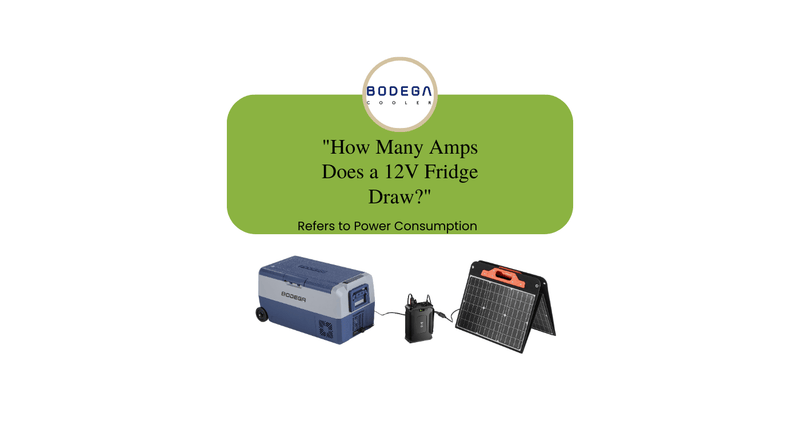
Are you curious about how much electricity your refrigerator actually uses? Knowing how many amperes your fridge draws can help you understand your energy bills better and even prevent electrical problems at home.
Whether you’re planning to buy a new fridge or just want to be smarter about your power usage, this simple question matters. Keep reading, and you’ll discover clear answers that can save you money and keep your kitchen running smoothly.

Credit: www.joca-cable.com
Refrigerator Power Basics
Understanding how much power a refrigerator uses helps save energy and reduce bills. Refrigerators need electricity to run compressors and lights inside. The electrical use depends on size, model, and efficiency. Knowing basic terms like watts and amperes makes it easier to understand power needs.
Watts Vs Amperes
Watts measure the actual power a refrigerator consumes. Amperes, or amps, measure the flow of electric current. Watts tell how much energy is used. Amperes show how strong the electrical current is.
For example, a fridge might use 150 watts. If the voltage is 120 volts, the current in amperes can be calculated. This helps understand the electrical demand on your home circuit.
Voltage And Current Relationship
Voltage is the electric force pushing current through the fridge’s wiring. Current is the flow of electricity that powers the fridge. The relationship between voltage (V), current (I), and power (P) is:
| Formula | Meaning |
|---|---|
| P (Watts) = V (Volts) × I (Amperes) | Power equals voltage times current |
This formula helps calculate how many amps a refrigerator uses if watts and voltage are known. It also helps check if your home circuit can handle the fridge’s power needs safely.
Typical Amperage For Refrigerators
Most refrigerators use between 3 to 6 amperes while running. The starting surge can draw up to 15 amps briefly. Knowing this helps in choosing the right circuit and avoiding overloads.
Understanding the typical amperage for refrigerators can help you make informed decisions about your household energy consumption. It can also prevent circuit overloads, ensuring safety and efficiency. Let’s explore the different types of refrigerators and their typical amperage usage.Standard Household Models
Standard household refrigerators are common in most homes. They usually use between 3 to 5 amperes. If you’ve ever noticed a slight flicker in your lights when the refrigerator starts, it’s because they draw more power during startup, sometimes reaching up to 15 amperes.Mini And Compact Refrigerators
Mini and compact refrigerators, often found in dorm rooms or offices, consume less energy. They typically use between 1 to 2 amperes. Their smaller size makes them energy-efficient, but it’s important to check the manufacturer’s label for exact specifications.Commercial Refrigerators
Commercial refrigerators are designed for heavy-duty usage in restaurants and stores. These appliances often require more power, using anywhere from 6 to 15 amperes. If you’re considering one for your business, ensure your electrical system can handle the load without frequent tripping. Understanding these differences can save you from potential headaches. Have you checked your refrigerator’s amperage lately? It might be time to take a look and ensure your home is running efficiently.Factors Affecting Refrigerator Amperage
Understanding the factors that affect your refrigerator’s amperage can help you manage energy use and avoid unexpected power issues. The amount of current your fridge draws depends on several key elements, each influencing how hard the appliance works. Let’s break down these factors so you can better control your refrigerator’s electricity consumption.
Compressor Size And Type
The compressor is the heart of your refrigerator. Larger compressors generally use more amperes because they have to move a greater volume of refrigerant to keep your food cold.
Different compressor types also impact amperage. For instance, inverter compressors adjust their speed based on cooling needs, usually consuming less power than traditional single-speed compressors. Have you noticed how newer fridges seem to hum differently? That’s often due to these efficient inverter compressors at work.
Temperature Settings
Your fridge’s temperature setting plays a direct role in how much electricity it uses. Setting the temperature too low causes the compressor to run longer and draw more current.
Think about how often you open the door or add warm items inside. These actions force the compressor to work harder to maintain the set temperature, increasing the amperage temporarily. Are you adjusting your fridge’s thermostat based on season or usage? Small tweaks can save noticeable energy.
Age And Efficiency
Older refrigerators tend to use more amperes because their components wear down and lose efficiency. Over time, seals might weaken, and insulation can degrade, making the compressor work harder.
Modern refrigerators come with energy-efficient designs and better materials that reduce amperage draw. If your fridge is more than 10 years old, it might be worth checking its energy label or considering an upgrade to cut down on electricity use.
Measuring Refrigerator Current Draw
Measuring the current draw of your refrigerator gives you insight into how much electricity it consumes. This knowledge helps you manage energy use and avoid unexpected power surges. Let’s look at practical ways to find out how many amperes your fridge uses.
Using A Clamp Meter
A clamp meter is a handy tool for measuring current without disconnecting your appliance. You simply clamp it around one of the refrigerator’s power wires. The meter then displays the amperage flowing through the wire.
Using a clamp meter is safe and quick. It helps you see the real-time current draw, especially useful if you want to know how much power your fridge uses when running versus when it’s idle. Have you ever wondered if your fridge spikes power when it kicks on? This tool reveals exactly that.
Reading Appliance Labels
Most refrigerators have a label, usually inside the door or at the back, showing electrical specifications. Look for details like voltage (V), wattage (W), or current (A). These numbers help you calculate or directly find the amperage.
If the label shows wattage but not amperage, you can calculate amperes by dividing the wattage by the voltage. For example, a 150-watt fridge running on 120 volts uses about 1.25 amps (150 ÷ 120 = 1.25). This simple math gives you a quick estimate without any tools.
Energy Efficiency And Power Consumption
Energy efficiency directly impacts a refrigerator’s power consumption and running costs. Efficient models use less electricity and draw fewer amperes. This reduces your electric bill and helps protect the environment. Understanding energy efficiency can guide you in choosing the right appliance for your needs.
Refrigerators with high energy efficiency keep food cold without using excess power. They use advanced compressors and better insulation to maintain temperature. This lowers the amps they pull during operation, especially when the compressor cycles on and off.
Energy Star Ratings
Energy Star labels show a refrigerator’s efficiency level. Appliances with this rating use at least 10% less energy than standard models. These fridges draw fewer amps while running, saving electricity.
Energy Star refrigerators often have:
- Improved insulation
- Efficient compressors
- Smart temperature controls
Choosing an Energy Star model helps keep amperage use low, reducing overall power consumption.
Tips To Reduce Amperage Use
Lowering your refrigerator’s amp draw saves energy and money. Try these simple tips:
- Keep the fridge full but not overcrowded
- Set the temperature between 37°F and 40°F (3°C to 4°C)
- Check door seals for tight closure
- Avoid placing the fridge near heat sources
- Clean coils regularly to improve efficiency
These steps help your fridge run smoothly with less power demand. Reducing amperage extends the appliance’s life and cuts your electricity costs.

Credit: www.jackery.com
Electrical Setup For Refrigerators
Setting up the electrical system for your refrigerator is more than just plugging it in. It involves understanding the power needs and ensuring your home wiring can handle the load safely. Getting this right protects your appliance and keeps your home safe from electrical issues.
Circuit Requirements
Refrigerators typically need a dedicated circuit to run efficiently. Most models draw between 3 to 6 amperes during normal operation but can spike higher when the compressor starts. This means a 15-amp circuit breaker is usually sufficient, but always check your refrigerator’s specifications.
Your circuit should have a proper grounding connection to prevent electrical shocks. Using a dedicated outlet ensures the refrigerator doesn’t share power with other heavy appliances, avoiding overloads. Have you ever noticed your fridge tripping the breaker when the microwave is on? That’s a sign your circuit isn’t dedicated enough.
Safety Considerations
Safety is crucial when dealing with electrical setups. Make sure the outlet and wiring comply with local electrical codes. Faulty wiring or using an extension cord can lead to overheating and fire hazards.
Regularly inspect the plug and power cord for damage. If you spot frayed wires or scorch marks, replace them immediately. Also, avoid positioning the fridge where the cord might get pinched or crushed behind the appliance.
Have you considered installing a surge protector? Power surges can damage your refrigerator’s compressor and electronics, leading to costly repairs. Protect your investment by adding this simple layer of defense.
Troubleshooting High Amperage Issues
High amperage in a refrigerator can cause electrical problems and increase energy bills. Troubleshooting these issues helps protect your appliance and home. Understanding the reasons behind high current draw is key to finding the right fix.
Common Causes
- Dirty condenser coils force the compressor to work harder.
- A faulty start relay can cause the compressor to draw excess current.
- Worn-out compressor motor bearings increase electrical load.
- Damaged or leaking door seals make the fridge run more often.
- Blocked air vents reduce cooling efficiency and raise amperage.
- Electrical wiring problems create resistance, leading to higher current.
When To Call A Technician
Unusual noises or frequent compressor cycling signal serious issues. Persistent high amperage without an obvious cause needs expert attention. Avoid DIY repairs on electrical components to prevent hazards.
Contact a professional if your fridge trips breakers or causes flickering lights. A certified technician can diagnose and fix hidden electrical or mechanical faults safely. Regular maintenance checks also help avoid costly repairs later.

Credit: leaptrend.com
Frequently Asked Questions
How Many Amps Does A Standard Refrigerator Use?
A standard refrigerator typically uses between 3 to 6 amps while running. Startup amps can be higher, around 7 to 15 amps, but normal operation stays within this range for energy efficiency.
What Affects The Amperage Of A Refrigerator?
Factors include refrigerator size, compressor type, and age. Larger models and older compressors often draw more amps. Energy-efficient models use fewer amps, reducing electricity consumption and operational costs.
How To Measure A Refrigerator’s Amperage Usage?
Use a clamp meter around the refrigerator’s power cord to measure current. This tool provides real-time amperage readings, helping monitor energy usage and detect electrical issues.
Does Refrigerator Amperage Impact Electric Bills?
Yes, higher amperage means more electricity consumption. Efficient refrigerators with low amperage help reduce electric bills. Monitoring amps can identify appliances causing high energy costs.
Conclusion
A refrigerator usually uses between 1 to 2 amps when running. Larger models may use more electricity. Knowing this helps you estimate your energy costs. It also guides you in choosing the right circuit breaker. Always check the appliance label for exact ampere information.
This simple step saves you from electrical problems later. Understanding your fridge’s power use keeps your home safe. It also helps you manage your electricity bill better. Small knowledge can make a big difference in daily life.