
Are you planning to install a new dishwasher and wondering just how many amps it uses? Knowing the electrical requirements of your dishwasher can save you from potential installation headaches and ensure your kitchen runs smoothly.
You might be surprised at how this seemingly small detail can impact your energy bills and overall appliance performance. By understanding the amperage of your dishwasher, you can make informed decisions that not only enhance your home’s efficiency but also keep it safe.
Dive into the details with us, and gain the insights you need to ensure your dishwasher operates at its best. Curious to learn more? Let’s explore the essentials together!

Credit: speerselectric.ca
Dishwasher Power Basics
Understanding dishwasher power basics helps you choose the right appliance. It also guides safe electrical installation. Knowing the power needs prevents overloads and keeps your kitchen safe. The main factors are wattage and voltage requirements.
Typical Wattage Range
Dishwashers usually use between 1200 and 1500 watts. This wattage supports water heating and motor operation. Some models with extra features may use more power. Energy-efficient dishwashers tend to use less wattage. Knowing wattage helps estimate electricity costs.
Voltage Requirements
Most dishwashers run on 120 volts in the United States. Some commercial models need 240 volts for higher power. Proper voltage ensures the dishwasher works correctly. Incorrect voltage can cause damage or poor performance. Always check the dishwasher’s label for voltage details.
Calculating Amps For Dishwashers
Calculating the amps your dishwasher needs is essential for safe and efficient operation. Knowing the correct amperage helps prevent electrical overloads and ensures your appliance runs smoothly. Let’s break down how to figure out the amps using simple information from your dishwasher’s label and your home’s electrical system.
Using Wattage And Voltage
Dishwashers usually list their power consumption in watts on a label or in the manual. To find the amps, you divide the wattage by the voltage supplied to the dishwasher. For example, if your dishwasher uses 1500 watts and your home voltage is 120 volts, the calculation looks like this:
| Power (Watts) | Voltage (Volts) | Current (Amps) |
|---|---|---|
| 1500 W | 120 V | 1500 ÷ 120 = 12.5 A |
This means your dishwasher draws about 12.5 amps while running. Remember, this is a general estimate since some dishwashers draw more power during heating cycles.
Understanding Circuit Load
Knowing your dishwasher’s amps is just one part of the puzzle. You need to ensure the circuit it’s connected to can handle this load without tripping. A typical dishwasher requires a dedicated 15 or 20 amp circuit to avoid overload.
Think about other appliances on the same circuit. If you have a garbage disposal or other kitchen devices sharing the line, their amps add up. This combined load can exceed the circuit’s capacity, causing breakers to trip often.
Have you checked your circuit breaker panel recently? Identifying which breakers serve your kitchen appliances can save you from electrical headaches down the road.
Circuit Breaker And Wiring
Understanding the right circuit breaker and wiring for your dishwasher is essential for safety and performance. The dishwasher’s amperage determines what size breaker and wire gauge you need. Using incorrect sizes can lead to tripped breakers or even electrical hazards.
Recommended Breaker Size
Most dishwashers require a 15-amp or 20-amp circuit breaker. Check your dishwasher’s specifications to know the exact amperage. If your dishwasher pulls around 10 amps or less, a 15-amp breaker usually works fine.
For models with higher power needs, especially those with built-in garbage disposals or advanced features, a 20-amp breaker is safer. Using a breaker that’s too small will cause it to trip frequently, interrupting your appliance’s cycle.
Have you ever wondered why your breaker trips mid-cycle? It might be the wrong size for your dishwasher’s load.
Proper Wire Gauge
The wire size must match the breaker size to handle the electrical load without overheating. For a 15-amp circuit, 14-gauge wire is the norm. For 20 amps, you need to step up to 12-gauge wire.
Using thinner wire than required can cause voltage drops and heat buildup, which is dangerous. I once helped a friend who had a dishwasher wired with 14-gauge wire on a 20-amp breaker, causing frequent breaker trips and a burning smell.
Don’t overlook the wire gauge—it’s just as important as the breaker size. Are you confident your kitchen wiring matches your dishwasher’s electrical demands?

Credit: www.myappliancesource.com
Common Dishwasher Electrical Configurations
Understanding the common electrical configurations for dishwashers is essential for safe installation and efficient operation. Different models use varying voltage and amperage levels based on their power needs. Knowing these setups helps you choose the right circuit breaker and wiring to avoid electrical issues.
120v Single Phase Models
Most standard dishwashers in residential kitchens run on 120 volts with a single-phase power supply. These models typically draw between 6 to 12 amps, depending on their features and heating elements. You’ll often find them connected to a dedicated 15-amp circuit breaker to ensure they have enough power without tripping the breaker.
If you’ve ever noticed a dishwasher causing your kitchen lights to flicker, it might be due to inadequate circuit capacity. Upgrading to a properly rated breaker or using a dedicated line can solve this issue. Always check the manufacturer’s electrical specifications before installation to avoid surprises.
240v High-power Units
Some high-end or commercial dishwashers require 240 volts to operate efficiently. These units often use dual heating elements or faster drying cycles, which demand more power—typically between 12 and 20 amps. Because of the higher voltage, these dishwashers need a double-pole circuit breaker and heavier gauge wiring.
Consider if your kitchen setup supports a 240V dishwasher before purchasing one. Installing these units without the correct electrical infrastructure can lead to costly repairs. Have a qualified electrician assess your home’s wiring to ensure compatibility and safety.
Safety Tips For Dishwasher Installation
Installing a dishwasher may seem straightforward, but safety should always be your top priority. Ignoring electrical requirements can lead to serious hazards like overheating or electrical fires. Before you start, it’s important to understand how to install your dishwasher safely and avoid common pitfalls.
Avoiding Overloads
One common mistake is plugging your dishwasher into an overloaded circuit. This can cause circuit breakers to trip or, worse, damage your wiring. Check how many amps your dishwasher needs and compare that with your circuit’s capacity.
If your kitchen already has several high-powered appliances on the same circuit, adding a dishwasher might push it over the limit. Consider using a dedicated circuit just for your dishwasher to prevent overloads and maintain consistent performance.
Following Local Electrical Codes
Local electrical codes exist to keep you and your home safe. These codes specify the type of wiring, circuit breakers, and outlet placements required for appliances like dishwashers. Ignoring them can result in unsafe installations that might not pass inspections or insurance checks.
Before you buy or install, check your area’s electrical codes. Sometimes, a permit or professional inspection is necessary. Have you ever wondered why some installations require a licensed electrician? It’s because they ensure that everything meets safety standards to protect your home and family.
Troubleshooting Electrical Issues
Electrical issues can disrupt dishwasher operation and cause frustration. Understanding common problems helps to fix them quickly. Troubleshooting these issues ensures your dishwasher runs smoothly and safely. Below are typical electrical problems and simple ways to address them.
Frequent Breaker Trips
Breaker trips often signal electrical overload or short circuits. Dishwashers usually need a dedicated circuit with the right amperage. Too many appliances on one circuit cause frequent trips.
Check the circuit breaker panel for any tripped switches. Reset the breaker, but watch if it trips again immediately. This may indicate a wiring issue or a faulty dishwasher motor.
- Inspect the dishwasher’s power cord for damage.
- Ensure the circuit breaker matches the dishwasher’s amperage needs.
- Call a professional electrician if trips continue after resets.
Inconsistent Performance
Electrical problems can cause a dishwasher to work poorly or stop mid-cycle. Inconsistent performance might result from loose wiring or a weak power supply.
Look for flickering lights on the control panel or unusual noises. These signs point to electrical faults inside the dishwasher.
- Unplug the dishwasher and check the plug and outlet condition.
- Tighten any loose wire connections behind the control panel.
- Replace damaged components with help from a certified technician.
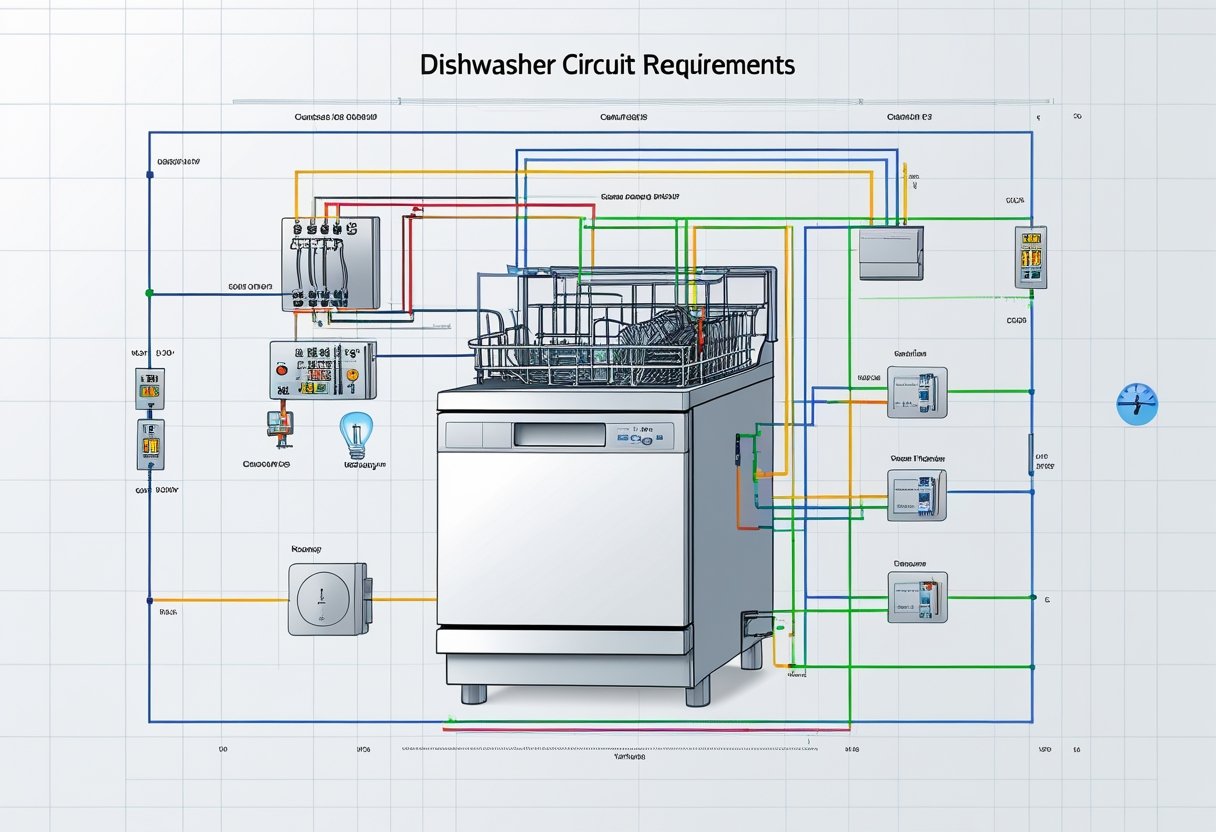
Credit: magnifyelectric.com
Frequently Asked Questions
How Many Amps Does A Dishwasher Typically Use?
Most dishwashers use between 6 to 10 amps during operation. This range varies based on the model and features.
Why Is Knowing Dishwasher Amperage Important?
Knowing amperage helps ensure your electrical circuit can safely support the dishwasher. It prevents overloads and electrical hazards.
Can A Dishwasher Run On A 15-amp Circuit?
Yes, most dishwashers safely operate on a 15-amp circuit, which is standard in many homes.
Does Dishwasher Amperage Affect Energy Consumption?
Higher amperage often means more power use, but energy efficiency depends on the appliance’s design and settings.
Conclusion
Knowing how many amps a dishwasher uses helps you plan your home’s electrical needs. Most dishwashers need between 10 and 15 amps to work well. Make sure your circuit can handle this to avoid problems. A proper electrical setup keeps your dishwasher safe and efficient.
Always check the dishwasher’s manual for exact amp requirements. This small step saves you from costly repairs or hazards. Keep your kitchen running smoothly with the right electrical knowledge. Simple, smart choices make a big difference.