
Are you curious about how much energy your dishwasher consumes? Understanding the amps your dishwasher takes can reveal more than just a number on your electricity bill.
It can be the key to optimizing your home’s energy efficiency and ensuring the safety of your electrical system. By knowing this, you can make smarter choices for your household and possibly save money in the long run. So, how many amps does a dishwasher take, and why should you care?
Let’s dive into the nitty-gritty details that will empower you to make informed decisions about your appliance usage. Keep reading to discover insights that could transform the way you look at your kitchen’s powerhouse.
Dishwasher Power Basics
Understanding the power requirements of your dishwasher helps you manage your home’s electrical load better. Knowing how many amps your dishwasher uses can prevent circuit overloads and save you from unexpected trips to the breaker box. Let’s break down the essentials of dishwasher power to give you clear insight into what’s happening behind the scenes.
Typical Amp Ratings
Most dishwashers draw between 6 and 10 amps during operation. This range depends on the model and features like heating elements or drying cycles. If you notice frequent breaker trips, your dishwasher might be pushing the upper limit of its amp rating.
Older dishwashers usually consume fewer amps, around 6 to 7, while newer, high-efficiency models can draw closer to 10 amps. Your dishwasher’s manual or the label inside the door often lists the exact amp rating, making it easier to plan your electrical setup.
Voltage And Wattage
Dishwashers in the US typically operate on 120 volts, but the wattage can vary widely, generally between 1200 and 1500 watts. Wattage directly affects the amps drawn since amps = watts ÷ volts.
For example, a dishwasher rated at 1500 watts on a 120-volt circuit will draw about 12.5 amps. This is why many dishwashers require their own dedicated circuit to handle the load safely without affecting other appliances.
Power Consumption Factors
Several factors affect how much power your dishwasher uses at any given time. Heating water consumes the most electricity, followed by the drying cycle and motor operation.
- Water temperature settings can significantly increase amp draw.
- Energy-saving modes reduce power by lowering water heat and drying intensity.
- The age and efficiency of the dishwasher impact overall power use.
Have you ever wondered why your dishwasher’s energy bill spikes during certain cycles? Understanding these factors helps you adjust usage to save power without compromising cleaning performance.
Electrical Requirements
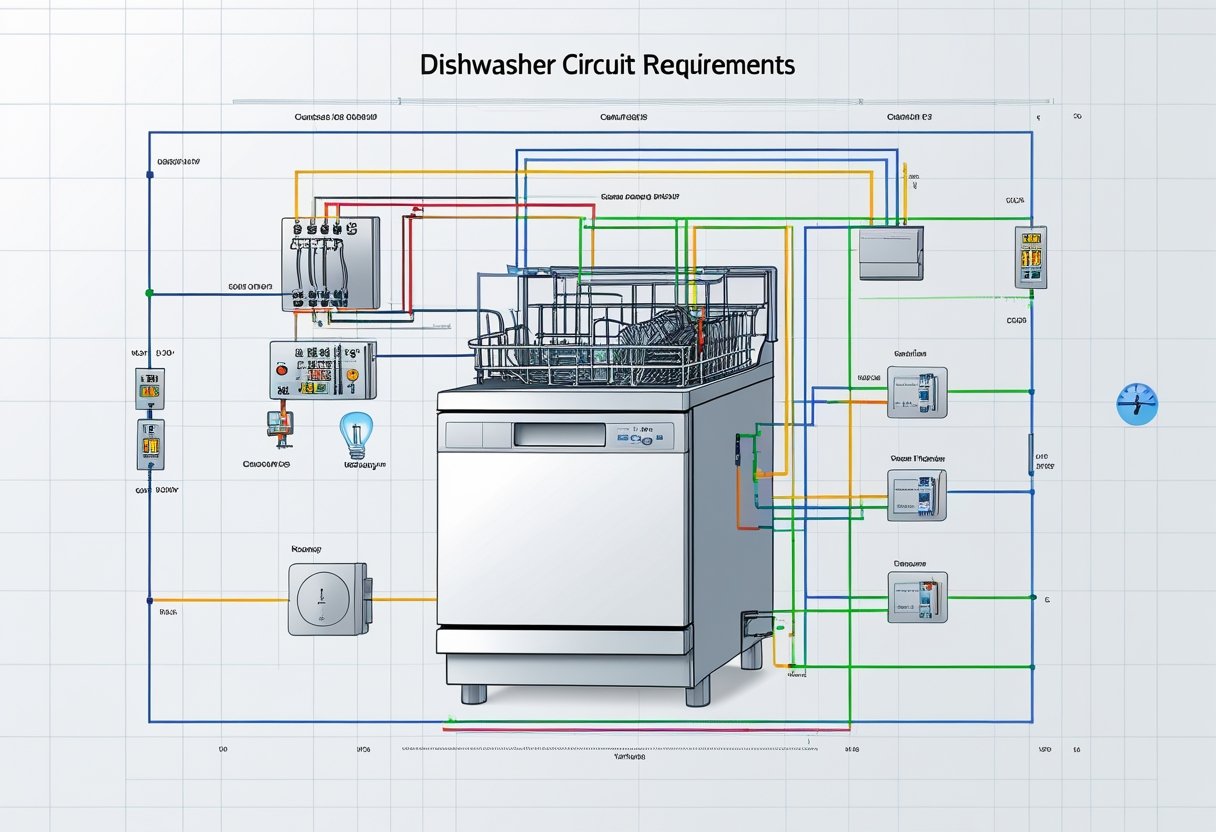
Understanding the electrical requirements of a dishwasher is important for safe and efficient operation. Dishwashers need a certain amount of electrical power to run their motors, heating elements, and control systems. Knowing these needs helps avoid overloading circuits and potential hazards.
Most dishwashers use between 10 and 15 amps of current. This depends on the model and features. Proper wiring and circuit protection ensure the dishwasher works correctly without tripping breakers or causing electrical issues.
Circuit Breaker Needs
A dishwasher usually requires a 15-amp circuit breaker. Some heavy-duty models may need a 20-amp breaker. The breaker protects the wiring from overheating and prevents electrical fires.
Using the right breaker size is crucial. Too small a breaker will trip often. Too large a breaker may not protect the circuit properly.
Wiring Specifications
Dishwashers typically use 12 or 14-gauge wire. The wire size depends on the amperage and distance from the breaker panel.
Use copper wiring for safety and efficiency. Proper insulation protects against moisture and heat in the kitchen environment.
Check local electrical codes for specific wiring rules. Proper wiring prevents voltage drop and electrical hazards.
Dedicated Circuits
Dishwashers require a dedicated circuit. This means the circuit only powers the dishwasher, not other appliances.
A dedicated circuit helps avoid overloads and electrical interference. It ensures steady power flow to the dishwasher.
Installing a dedicated circuit may require a licensed electrician. This ensures the installation meets safety standards and local codes.
Types Of Dishwashers And Their Amps
Dishwashers come in different types, each using a different amount of electrical current. Knowing the amps each type uses helps in choosing the right model for your kitchen. Electrical requirements affect installation and energy use.
Standard Built-in Models
These dishwashers are fixed under the kitchen counter. They usually need a dedicated 15-20 amp circuit. Most models run on 120 volts and draw about 10-15 amps during operation. They offer strong cleaning power and fit most kitchen layouts.
Portable Dishwashers
Portable dishwashers connect to a kitchen faucet and can be moved. They typically require less power, around 10-12 amps. They run on standard 120-volt outlets. Portable units are good for small spaces or renters.
Drawer Dishwashers
Drawer dishwashers have one or two pull-out drawers. They use about 10-15 amps on a 120-volt circuit. These models save space and allow washing smaller loads. Drawer dishwashers often provide flexible loading options.
Credit: magnifyelectric.com
Impact Of Dishwasher Features
Dishwasher features play a big role in how much electricity the appliance uses. Some parts need more power to work well. Understanding these features helps you know the amps a dishwasher takes.
Heating Elements
Heating elements warm the water during wash cycles. They use a lot of power and increase amp draw. Hot water cleans dishes better and removes tough stains. Dishwashers with strong heaters pull more amps than those without.
Drying Systems
Drying systems remove moisture after washing. Some use heat, while others use fans or air circulation. Heat-based drying uses more electricity and amps. Air-dry systems need less power, lowering overall amp use. The type of drying system affects total energy consumption.
Energy Efficiency Ratings
Energy-efficient dishwashers use less power and fewer amps. They often have better insulation and smarter controls. High ratings mean the dishwasher runs at lower amps for the same cleaning power. Choosing an energy-efficient model helps reduce electricity bills and amps needed.
Calculating Your Dishwasher’s Amp Draw
Calculating your dishwasher’s amp draw helps you understand its power needs. This information ensures your electrical system can handle the load safely. Knowing the amp draw also aids in choosing the right circuit breaker and wiring.
Several ways exist to find this value. Some methods are simple and quick. Others require tools or a bit of math. Here are three common ways to calculate the amps your dishwasher uses.
Reading The Nameplate
Check the dishwasher’s nameplate for electrical data. This plate is usually on the door frame or back panel. Look for the current rating listed in amps (A).
The nameplate often shows voltage and wattage too. The amp rating there is a reliable number for your dishwasher’s typical power draw.
Using A Clamp Meter
A clamp meter measures current without disconnecting wires. Place the clamp around the dishwasher’s power wire. It will show the real-time amp draw during operation.
This method is accurate and useful if you want to see how much power the dishwasher uses on different cycles.
Estimating Based On Wattage
Find the wattage rating on the dishwasher’s nameplate or manual. Use this formula to estimate amps:
| Formula | Explanation |
|---|---|
| Amps = Watts ÷ Volts | Divide the dishwasher’s wattage by your home voltage (usually 120V). |
This gives a good estimate when the amp rating is not directly available. For example, a 1440-watt dishwasher at 120 volts uses about 12 amps.

Credit: www.jackery.com
Safety Tips For Installation
Installing a dishwasher might seem straightforward, but safety should always be your top priority. Incorrect installation can lead to electrical hazards that put your home and family at risk. Understanding key safety tips can help you avoid common mistakes and ensure your dishwasher runs smoothly without issues.
Avoiding Overloads
Dishwashers typically require between 10 to 15 amps of power, depending on the model. Plugging your dishwasher into a circuit already powering multiple heavy appliances can cause an overload.
Have you ever experienced your breaker tripping right after starting the dishwasher? That’s a clear sign of overload. To prevent this, dedicate a circuit exclusively for your dishwasher to keep the electrical load balanced and safe.
Proper Grounding
Grounding your dishwasher is essential to prevent electrical shocks. Without proper grounding, any electrical fault could energize the metal parts of the appliance, posing serious danger.
Check that the dishwasher’s electrical connection includes a ground wire and that it’s connected correctly to your home’s grounding system. If you’re unsure, testing the outlet with a circuit tester can confirm proper grounding before installation.
Consulting A Professional
Even if you’re comfortable with DIY projects, a professional electrician can spot issues you might miss. They ensure your dishwasher’s wiring meets local codes and safety standards.
Thinking about saving money by installing it yourself? Consider this: a small mistake could lead to costly repairs or hazards down the line. Getting expert help can offer peace of mind and protect your investment.
Common Electrical Issues
Dishwashers draw a specific amount of electrical current, but problems with this current can cause common issues. Electrical problems often show signs that warn you about a potential fault. Recognizing these signs early helps avoid damage or safety risks.
Several electrical issues can arise with dishwashers. These problems affect performance and may require immediate attention. Understanding these common signs helps keep your appliance working smoothly.
Tripped Breakers
Dishwashers use a lot of power and can trip breakers if overloaded. A breaker trips to protect your home’s wiring from damage. Frequent trips may signal a short circuit or wiring issue in the dishwasher. Check the breaker panel if the dishwasher stops suddenly.
Flickering Lights
Lights flicker when the dishwasher causes electrical fluctuations. This happens if the appliance draws uneven power. Flickering lights during a cycle can indicate loose wiring or poor connections. It is a warning to inspect the dishwasher’s electrical system.
Unusual Noises
Strange sounds often mean electrical faults inside the dishwasher. Buzzing or humming noises may come from faulty motors or wiring issues. These noises should not be ignored as they can lead to bigger problems. Prompt inspection ensures safety and prevents damage.
Credit: www.electriciantalk.com
Energy Saving Tips
Saving energy with your dishwasher helps reduce electricity bills and protects the environment. Small changes in how you choose and use your dishwasher can lower power use. Regular care keeps it running smoothly and efficiently.
Choosing Low-amp Models
Look for dishwashers with low amp ratings. These models use less electricity during each cycle. Energy-efficient dishwashers often have Energy Star labels. They balance cleaning power with lower energy use. Choosing such models reduces the load on your electrical system.
Efficient Usage Habits
Run your dishwasher only when fully loaded. This saves water and electricity. Use eco or energy-saving wash cycles. These cycles use less hot water and lower power. Avoid pre-rinsing dishes under running water. Most dishwashers clean well without it. Turn off the dishwasher after the cycle ends to stop standby power use.
Regular Maintenance
Clean the dishwasher filter regularly to keep water flowing freely. Check spray arms for clogs and clean them as needed. Inspect door seals to ensure no heat escapes. Remove hard water deposits with vinegar or a dishwasher cleaner. Well-maintained dishwashers use less energy and last longer.
Frequently Asked Questions
How Many Amps Does A Standard Dishwasher Use?
A standard dishwasher typically uses 10 to 15 amps of electrical current. This range covers most residential dishwashers under normal operation. Always check the appliance label for exact amperage to ensure your circuit can handle the load safely.
Can A Dishwasher Run On A 15-amp Circuit?
Yes, most dishwashers can run on a 15-amp circuit. However, some models may require a 20-amp circuit for optimal performance. Always verify the manufacturer’s specifications before installation to avoid electrical overload or tripping breakers.
What Size Breaker Is Needed For A Dishwasher?
A 15-amp breaker is usually sufficient for most dishwashers. Some high-end or commercial models might require a 20-amp breaker. Proper breaker size ensures safe operation and prevents damage to your dishwasher and electrical system.
Does A Dishwasher Use More Amps When Heating Water?
Yes, dishwashers draw more amps when the heating element is active. The heating cycle increases current draw temporarily to heat water effectively. This is normal and factored into the dishwasher’s overall amperage rating.
Conclusion
Dishwashers usually use between 6 and 12 amps. Knowing this helps you choose the right circuit breaker. It also prevents electrical problems at home. Always check your dishwasher’s manual for exact numbers. Using the correct amperage keeps your appliance safe and working well.
A small mistake can cause power issues or damage. Simple knowledge can save you time and money later. Stay informed to keep your kitchen running smoothly.