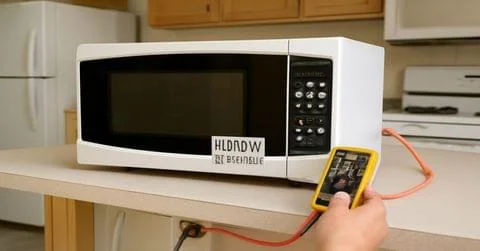
Are you curious about how much electricity your microwave oven really uses? Knowing how many amps your microwave draws can help you avoid tripping breakers, save on energy bills, and keep your kitchen running smoothly.
You’ll discover the simple facts about microwave power consumption, why it matters for your home, and how you can use this knowledge to make smarter choices. Keep reading to unlock the secrets behind your microwave’s electrical needs and take control of your kitchen’s energy use.
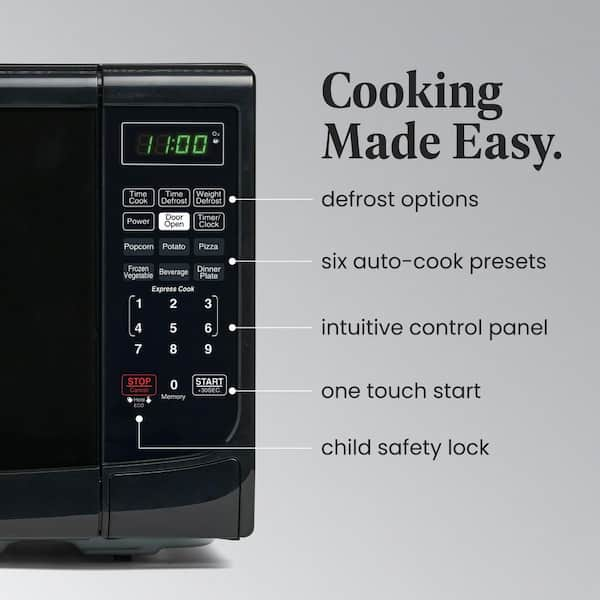
Credit: www.homedepot.com
Microwave Power Ratings
Microwave ovens usually use between 5 to 15 amps depending on their power rating. Higher wattage microwaves need more amps to work efficiently. Checking the power label helps understand the exact current usage.
Microwave Power Ratings Understanding the power ratings of your microwave is essential to grasp how it functions and how much electricity it consumes. These ratings are usually labeled on the microwave itself, yet they can sometimes seem like a jumble of numbers. By deciphering these ratings, you can make more informed decisions about your energy consumption and even save on your electricity bill.Watts And Amps Connection
Microwave power is typically measured in watts, which indicates how much energy the appliance uses to heat your food. However, knowing how this translates to amps can be a bit tricky. Amps represent the electrical current flowing through the appliance, and you can calculate them using a simple formula: Amps = Watts / Volts. For a standard 120-volt outlet, a 1,000-watt microwave would use about 8.3 amps.Typical Power Levels
Microwaves usually come in a range of power levels, commonly ranging from 600 to 1,200 watts. A lower-wattage microwave might be sufficient for basic reheating tasks, but a higher-wattage model will cook food more evenly and quickly. Is your microwave taking longer to heat your favorite meal? It might be on the lower end of the power spectrum, consuming fewer amps, but requiring more time to finish the job. Understanding these ratings can also help you prevent electrical overloads in your kitchen. Have you ever tripped a circuit while using multiple appliances? Knowing the amp usage of your microwave can help you manage your kitchen’s electrical load better. By considering these factors, you not only optimize your microwave’s use but also ensure a safer cooking environment.Calculating Microwave Current
Understanding how to calculate the current a microwave oven uses is more useful than you might think. It helps you figure out if your household wiring can handle the load or if you need a dedicated circuit. Plus, it can assist in estimating energy costs and ensuring safe appliance use.
Using Voltage And Wattage
To calculate the current (in amps) drawn by your microwave, you need to know two key numbers: the voltage and the wattage. Most household microwaves run on standard voltage, which is usually around 120 volts in the US or 230 volts in many other countries.
The formula is simple:
Current (amps) = Power (watts) ÷ Voltage (volts)
If your microwave is rated at 1000 watts and your home voltage is 120 volts, the current is 1000 ÷ 120 = 8.33 amps. This calculation gives you a straightforward estimate of the electrical current your microwave pulls when operating at full power.
Examples Of Amp Calculations
| Microwave Wattage | Voltage | Calculated Current (Amps) |
|---|---|---|
| 700 watts | 120 volts | 5.83 amps |
| 900 watts | 120 volts | 7.5 amps |
| 1200 watts | 230 volts | 5.22 amps |
Noticed how the same wattage uses less current at higher voltage? That’s why voltage matters a lot. Have you checked your microwave’s label recently? It often lists both wattage and voltage, making your calculation quick and accurate.
Factors Affecting Amp Usage
Understanding the factors that affect how many amps a microwave oven uses can help you manage your energy consumption better. Not all microwaves draw the same amount of current, and knowing why can guide your choice or usage habits. Let’s take a closer look at what influences the amp usage of your microwave.
Microwave Size And Features
The size of your microwave is a major factor in its amp draw. Larger microwaves with higher wattage typically use more amps because they need more power to operate efficiently.
Features like convection cooking, grilling, or sensor cooking add to the power demand. For instance, a microwave with a built-in grill can draw significantly more current than a basic model. Have you ever noticed your microwave’s power light flickering or dimming your kitchen lights? That’s a sign it’s pulling a lot of amps.
Energy Efficiency Ratings
Energy efficiency ratings give insight into how much current your microwave uses relative to its output. Models with higher efficiency convert more electrical energy into cooking power, reducing overall amp draw.
Look for microwaves with an Energy Star label or similar certifications. These appliances are designed to use less electricity without sacrificing performance. Choosing a more efficient microwave can lower your electric bill and reduce the stress on your home’s electrical system.
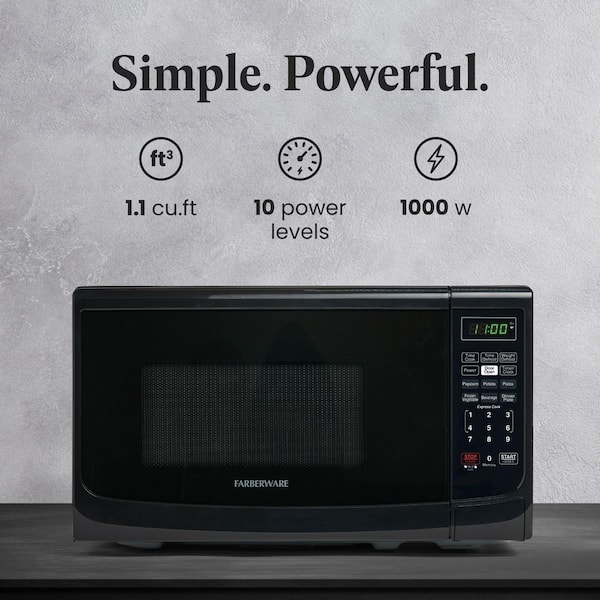
Credit: www.homedepot.com
Standard Household Circuit Compatibility
Most homes have standard electrical circuits designed to handle everyday appliances. Microwaves use a specific amount of electricity, measured in amps. Knowing if your microwave fits your home’s circuit is important for safety and performance. Standard household circuits usually range between 15 and 20 amps.
Microwave ovens typically draw between 6 and 12 amps depending on their power and features. This means they generally work well on standard circuits without causing issues. Understanding circuit compatibility helps avoid tripped breakers or electrical hazards.
Circuit Breaker Ratings
Circuit breakers protect your home by stopping excess current flow. Most household kitchen outlets have 15 or 20 amp breakers. A microwave’s amperage must be lower than the breaker rating.
For example, a 12 amp microwave on a 15 amp breaker is safe. Using a microwave with higher amps than the breaker can handle causes trips and power loss. Always check the microwave’s label for its amp requirements.
Avoiding Overloads
Overloading a circuit can damage appliances and cause fire risks. Avoid plugging several high-power devices into one outlet. Microwaves should ideally have a dedicated circuit or share with low-power appliances.
Use circuit load calculators or consult an electrician to check total amps on one line. Keeping the microwave’s amp draw below the breaker limit prevents overloads and ensures steady power supply.
Amp Draw During Different Operations
The amp draw of a microwave oven changes depending on what operation it’s performing. Understanding this variation helps you better manage your kitchen’s electrical load and prevents overloading your circuits. Let’s break down how your microwave’s power usage shifts during different tasks.
Heating Vs. Standby Mode
When your microwave is heating food, it pulls the most amps, typically between 10 to 15 amps depending on the wattage. This is because the magnetron, which generates the microwaves, requires a lot of power.
In contrast, standby mode uses very little power—usually less than 1 amp. This small current powers the control panel and clock. Have you ever noticed your microwave’s display stays lit even when not in use? That’s the standby power at work.
Defrost And Other Functions
Defrosting uses less power than full heating since the microwave cycles the magnetron on and off to gently thaw food. This intermittent operation typically draws about 5 to 7 amps.
Other functions like sensor cooking or popcorn settings often vary in amp draw because they adjust power levels automatically. These modes can cause the amp draw to fluctuate as the microwave tries to optimize cooking.
- Heating mode: 10-15 amps
- Standby mode: less than 1 amp
- Defrost mode: 5-7 amps
- Sensor functions: variable amp draw
Knowing these differences can help you decide if your microwave is compatible with your home’s electrical system, especially if you run several appliances at once. Have you ever experienced a breaker trip while using your microwave? Understanding amp draw might explain why.
Safety Tips For Microwave Usage
Using a microwave safely protects your home and family from electrical hazards. Simple safety tips can prevent accidents and ensure your microwave works well for years. Understanding the electrical needs and risks helps you avoid damage and injury.
Proper Wiring And Outlets
Always plug your microwave into a grounded outlet. Avoid using extension cords or power strips. These can cause overheating and fires. Ensure the outlet matches the microwave’s amperage requirements. Check that your home wiring supports the microwave’s electrical load. Poor wiring can lead to sparks or short circuits.
Signs Of Electrical Issues
Watch for flickering lights when the microwave runs. A burning smell or unusual noises means a problem. The microwave tripping your circuit breaker is a warning. Sparks or scorch marks on the plug or outlet are serious signs. Stop using the microwave if any of these occur. Call a professional electrician to inspect the issue.

Credit: www.jackery.com
Frequently Asked Questions
How Many Amps Does A Typical Microwave Use?
A typical microwave uses between 6 to 12 amps depending on its wattage and model. Most home microwaves run on 120 volts, drawing around 10 amps on average.
What Affects A Microwave’s Amp Usage?
Amp usage depends on the microwave’s wattage, size, and power settings. Higher watt microwaves use more amps, especially at peak power levels.
Can A Microwave Overload A Home Circuit?
Yes, if a microwave shares a circuit with other high-power devices, it can cause overloads and trip breakers. Dedicated circuits are recommended.
How To Calculate Microwave Amps From Watts?
Divide the microwave’s wattage by the voltage (usually 120V) to find amps. For example, 1200 watts ÷ 120 volts = 10 amps.
Conclusion
Knowing how many amps a microwave uses helps manage your home’s electricity. Most microwaves need between 6 to 12 amps to work properly. This depends on the microwave’s size and power level. Checking the label or manual gives the exact number.
Using the right circuit prevents overloads and keeps your kitchen safe. Now, you can choose a microwave that fits your power needs easily. Simple and smart.