Have you ever found yourself puzzled over how many amps your RV air conditioner actually draws? This seemingly simple question can be surprisingly tricky, yet crucial, especially if you’re planning a trip off the grid or trying to manage your power supply effectively.
Understanding the amp draw of your RV air conditioner can save you from unexpected power issues and ensure your travels are as smooth and comfortable as possible. We’ll unravel the mystery behind those amp numbers, giving you the knowledge you need to optimize your RV’s energy use.
Ready to dive in and discover how you can keep your cool without any power hiccups? Let’s get started!
Credit: www.vevor.com
Rv Air Conditioner Basics
RV air conditioners keep your vehicle cool during hot days. They use electricity to run the cooling system.
Knowing how many amps an RV air conditioner draws helps manage your power source. It prevents overloading your electrical system.
Types Of Rv Air Conditioners
There are mainly two types of RV air conditioners: rooftop and portable. Rooftop units are fixed on the RV roof and cool the whole space.
Portable units can be moved around but usually cool smaller areas. Each type uses different power levels depending on size and features.
- Rooftop air conditioners
- Portable air conditioners
Common Power Ratings
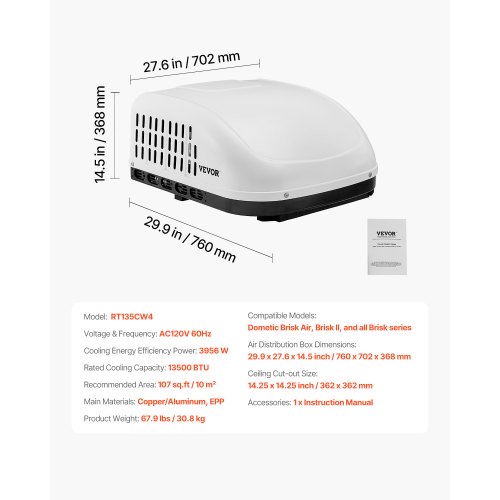
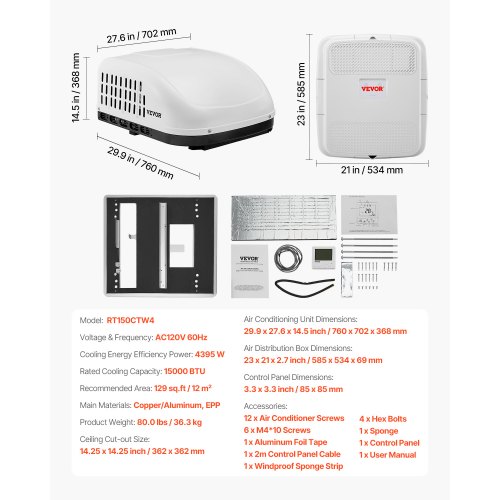
Most RV air conditioners use between 10 and 20 amps to run. The exact number depends on the unit’s size and efficiency.
Typical power ratings help you plan your RV electrical system and choose the right generator or battery setup.
| Unit Size (BTU) | Typical Amps Drawn |
|---|---|
| 5,000 BTU | 5–7 amps |
| 8,000 BTU | 10–13 amps |
| 13,500 BTU | 15–20 amps |
Amp Draw Explained
An RV air conditioner uses electricity to cool the inside of your vehicle. The amount of electricity it uses is called amp draw.
Amp draw helps you know how much power your air conditioner needs to work well and safely.
Starting Vs Running Amps
Starting amps are the electric current needed to start the air conditioner. It is higher because the motor needs extra power to begin running.
Running amps are lower and show the power the unit uses while it is cooling. This is the steady amount of electricity the air conditioner draws after it starts.
- Starting amps can be 2 to 3 times higher than running amps.
- Running amps are important for long-term power use.
- Knowing both helps avoid tripping breakers or overloading circuits.
Factors Affecting Amp Draw
Several things change how many amps an RV air conditioner uses. These factors affect the power needs of the unit.
Understanding these can help you prepare your RV’s electrical system for the air conditioner.
- Size of the air conditioner: Bigger units use more amps.
- Outside temperature: Hotter days make the unit work harder.
- Electrical supply voltage: Lower voltage can increase amp draw.
- Condition of the air conditioner: Older or dirty units use more power.
- Use of other electrical devices at the same time.
Typical Amp Ratings For Rv Ac Units
RV air conditioners need a certain amount of amps to run. The amps depend on the type and size of the unit. Knowing the amps helps you choose the right power source.
Different RV air conditioners use different amounts of electricity. This article looks at typical amp ratings for common RV AC units.
Small Window Units
Small window air conditioners are common in RVs. They usually draw less power than bigger systems. These units fit in standard RV windows.
Most small window units use between 6 and 10 amps. They work well for small RVs or mild climates.
- Typical amps: 6 to 10 amps
- Power source: 120V household outlet
- Good for: small RVs and light cooling
Ducted Systems
Ducted systems cool the whole RV evenly. They have larger compressors and fans. These systems draw more amps than window units.
Most ducted RV air conditioners use between 15 and 30 amps. They need a strong power source, often a 30-amp or 50-amp circuit.
- Typical amps: 15 to 30 amps
- Power source: 30-amp or 50-amp RV circuit
- Good for: large RVs and full cooling
Portable Air Conditioners
Portable air conditioners are easy to move inside an RV. They usually plug into regular outlets. These units have moderate power needs.
Portable units often use between 8 and 12 amps. They are flexible but may not cool large spaces well.
- Typical amps: 8 to 12 amps
- Power source: 120V household outlet
- Good for: small spaces and portable use
Credit: www.promasterforum.com
Calculating Power Needs
Knowing how many amps your RV air conditioner draws is important. It helps you plan your power source correctly. You avoid tripping breakers or draining batteries.
This guide explains three ways to find out the current draw. You will learn to read the nameplate, use a clamp meter, and estimate the total load.
Reading The Nameplate
The nameplate on your RV air conditioner shows electrical details. Look for volts, amps, and watts. These numbers tell you the power it needs.
- Find the voltage rating, usually 120V or 240V.
- Check the running amps or full-load amps.
- Look for power in watts if amps are missing.
- Note the compressor and fan motor ratings.
Using A Clamp Meter
A clamp meter measures current without disconnecting wires. It clamps around a single wire to read amps directly.
Follow these steps to use a clamp meter:
- Turn off the air conditioner and open the access panel.
- Identify the power wire feeding the unit.
- Clamp the meter around the wire without touching others.
- Turn on the air conditioner and read the amps on the meter.
- Record the reading for your power calculation.
Estimating Total Load
To know the full power needs, add the air conditioner’s amps to other RV loads. This helps size your generator or inverter.
| Device | Amps Drawn |
| Air Conditioner | 12 |
| Microwave | 10 |
| Lighting | 3 |
| Refrigerator | 5 |
| Total Load | 30 Amps |
Power Source Considerations
RV air conditioners need the right power source to work well. Knowing the power limits helps avoid problems.
This guide explains how generator capacity, shore power limits, and battery use affect the amps your RV AC draws.
Generator Capacity
Generators must supply enough amps to run the RV air conditioner. If the generator is too small, the AC may not start or could shut off.
- Check the generator’s rated amps before use.
- Make sure the generator can handle the AC’s starting surge current.
- Use a generator with at least 30% more capacity than the AC’s running amps.
Shore Power Limits
Shore power comes from campground electrical hookups. They usually have limits on amps and voltage.
| Shore Power Type | Typical Amp Limit | Common Use |
| 15 Amp | 15 Amps | Small RVs and basic power needs |
| 30 Amp | 30 Amps | Most travel trailers and smaller motorhomes |
| 50 Amp | 50 Amps | Large motorhomes with multiple AC units |
Make sure your RV’s AC does not exceed the shore power amp limit. Use power management devices if needed.
Battery And Inverter Use
Running an RV air conditioner on batteries needs a strong inverter. Most AC units draw many amps, which can drain batteries fast.
- Choose an inverter with enough wattage for the AC’s startup and running power.
- Monitor battery charge to avoid deep discharge.
- Use energy-efficient AC models to reduce battery load.
Tips To Reduce Amp Draw
RV air conditioners use a lot of amps when running. Reducing amp draw helps save power and prevents overloads.
Here are some easy tips to lower how many amps your RV air conditioner draws.
Regular Maintenance
Keeping your air conditioner clean helps it run smoothly. Dirty filters and coils make it work harder.
Check and clean the filters often. Remove dirt from the coils to improve airflow.
- Clean or replace air filters monthly
- Clear debris from outside unit
- Inspect and clean evaporator and condenser coils
- Check for refrigerant leaks and fix them
Using Energy Efficient Models
Energy efficient air conditioners use less power. They have better technology to cool using fewer amps.
Look for models with good energy ratings. These units help lower your electric use and amp draw.
- Choose air conditioners with ENERGY STAR certification
- Pick units designed for RV use
- Consider inverter technology for smoother power use
Proper Ventilation
Good airflow helps your air conditioner work less. Blocked vents make it use more amps to cool.
Make sure vents are open and clear. Use fans to move air inside your RV for better cooling.
- Keep intake and exhaust vents free of obstructions
- Use roof vents or fans to improve air movement
- Park your RV in shaded areas to reduce heat load
Credit: www.vevor.com
Frequently Asked Questions
How Many Amps Does A Typical Rv Air Conditioner Use?
A typical RV air conditioner draws about 12 to 15 amps while running. Startup amps can be higher, around 20-30 amps. Exact usage depends on the AC unit’s size and efficiency.
What Affects The Amp Draw Of An Rv Air Conditioner?
Amp draw varies due to AC size, brand, and cooling capacity. Older models generally use more amps. Ambient temperature and voltage supply also impact the electrical consumption.
Can An Rv Air Conditioner Run On A 15-amp Circuit?
Most RV air conditioners require at least a 20-amp circuit for safe operation. Running on 15 amps may cause breaker trips due to high startup current demands.
How To Reduce Amp Draw From An Rv Air Conditioner?
Using a high-efficiency model, shading the RV, and maintaining the AC unit can lower amps. Proper insulation and setting higher thermostat temps also reduce electrical load.
Conclusion
Knowing how many amps your RV air conditioner draws helps you plan power use. Most units use between 10 and 20 amps while running. This matters when choosing the right power source or generator. Check your air conditioner’s label for exact numbers.
Managing your power keeps your RV comfortable and safe. Keep these numbers in mind for smooth trips. Stay cool without overloading your electrical system. Simple steps make your camping experience better.