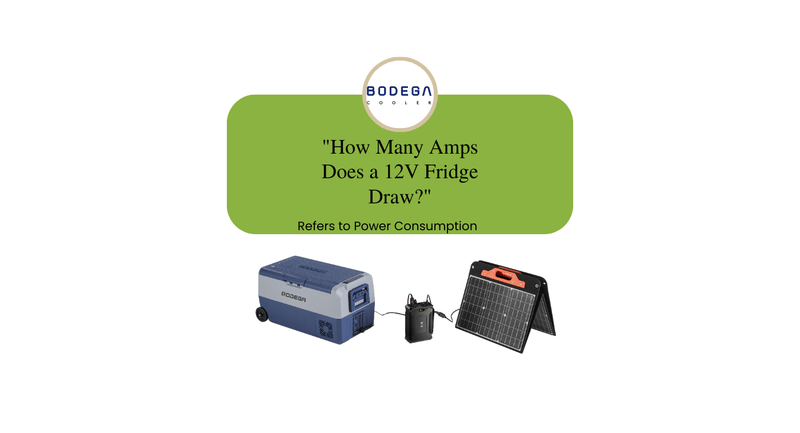
Are you curious about how much electricity your small refrigerator uses? Knowing how many amps your fridge draws can help you save money, avoid electrical problems, and choose the right power setup for your home or RV.
This simple fact can make a big difference in your energy bills and safety. Keep reading to find out exactly what you need to know about your fridge’s power needs and how it affects you every day.
Refrigerator Power Basics
Understanding the power use of a small refrigerator helps in managing electricity better. It also prevents overloading circuits at home. Knowing how much current your fridge draws can save energy and money.
Understanding Watts And Amps
Watts measure the total power a refrigerator uses. Amps show the amount of electric current it draws. The higher the watts, the more amps it needs. To find amps, divide watts by voltage. For example, a 120-watt fridge at 120 volts uses 1 amp.
Voltage And Its Role
Voltage is the force pushing electricity through the fridge. In homes, voltage usually stays around 120 volts. Some refrigerators run on 240 volts, which changes the amps needed. Higher voltage means less current is needed for the same power. Knowing voltage helps in choosing the right circuit breaker and wiring.

Credit: www.homedepot.com
Typical Amp Draw Of Small Refrigerators
Understanding the typical amp draw of small refrigerators helps you manage your electrical usage better. It also ensures your circuits can handle the load without tripping. Let’s dive into what you can expect in terms of current consumption and the initial surge when your fridge starts up.
Average Current Consumption
Most small refrigerators use between 1 to 2 amps during regular operation. This range varies based on size, model, and energy efficiency. For instance, a compact fridge designed for a dorm room might draw closer to 1 amp, while a slightly larger mini-fridge may pull up to 2 amps.
Energy-efficient models often consume less current, sometimes dipping below 1 amp. If you track your electricity bill, you’ll notice that refrigerators running continuously tend to add up more than you expect. Have you ever wondered why your small fridge seems to run more quietly but still uses electricity steadily? This steady amp draw explains it.
Startup Surge Currents
When a small refrigerator kicks on, it doesn’t just use its average amps—it demands a surge of current. This startup surge can be 2 to 3 times higher than the running amps. So, a fridge that normally uses 1.5 amps might briefly pull 4 or 5 amps at startup.
This surge happens because the compressor motor needs extra energy to start turning. If your circuit is already near capacity, this surge could trip breakers or cause flickering lights. Have you experienced a flicker or a breaker trip right when your fridge turns on? That’s the startup surge in action.
Knowing these numbers can help you choose the right circuit and prevent unexpected electrical issues. It also prepares you for how your fridge behaves electrically, making it easier to troubleshoot or upgrade your setup.
Factors Affecting Amp Draw
Several factors influence the amp draw of a small refrigerator, including its size and compressor type. Temperature settings and how often the door opens also affect electricity use. Older models tend to draw more amps than newer, energy-efficient ones.
Understanding how many amps a small refrigerator draws can be crucial, especially if you’re managing your household’s energy consumption or planning an off-grid adventure. Several factors can affect the amp draw of your fridge, and being aware of them can help you make smarter decisions. Let’s break down these factors to give you a clear picture of what influences your refrigerator’s energy use.Size And Capacity
The size and capacity of your small refrigerator directly impact its amp draw. A compact fridge with a capacity of 1.7 cubic feet generally uses fewer amps than a larger model with a 4.4 cubic feet capacity. Think about your needs: do you really need that extra space? A smaller fridge might be just right and more energy-efficient.Energy Efficiency Ratings
Energy efficiency ratings are a vital component in determining amp draw. Appliances with a higher Energy Star rating often use less power. They are designed to offer maximum functionality with minimal energy use. When purchasing, check for these ratings as they can significantly lower your electricity bills.Usage Patterns
How often do you open your fridge? Frequent use can increase the amp draw as the refrigerator works harder to maintain its internal temperature. Keeping the fridge full helps stabilize the temperature, reducing the need for the compressor to kick in. Be mindful of your usage habits; small changes can lead to substantial savings. When you consider these factors, how does your small refrigerator stack up? Is it time for an upgrade or simply a change in habits? Understanding these nuances can lead to more informed decisions and potentially lower utility costs.Measuring Refrigerator Amps
Measuring the amps drawn by your small refrigerator gives you a clear picture of its energy use and helps identify any electrical issues early. Knowing the current draw can also help you choose the right circuit breaker and avoid overloads. There are simple tools you can use at home to get accurate readings without needing professional help.
Using A Clamp Meter
A clamp meter is a handy device that measures current without disconnecting wires. You just open the clamp and place it around one of the refrigerator’s power wires. This method is safe and quick since you don’t need to touch any live terminals.
When using a clamp meter, make sure the refrigerator is running normally—ideally during the compressor’s startup phase, since that’s when it draws the most amps. You’ll see a fluctuating reading; the peak usually tells you the highest current draw. This helps you understand both the running and startup amps.
Using A Kill-a-watt Meter
A Kill-A-Watt meter plugs directly into your wall outlet, and then you plug the refrigerator into the meter. It measures the current, voltage, and power consumption all in one device. This is perfect if you want a detailed look at how much electricity your fridge uses over time.
This tool is especially useful if you want to track energy efficiency or compare different refrigerators. It can show you the average amps drawn during a day, giving you insight into how your appliance impacts your electric bill. Have you ever wondered how much your fridge really costs to run?
Electrical Requirements For Small Refrigerators
Understanding the electrical requirements for small refrigerators is key to ensuring they run safely and efficiently. These appliances draw a specific amount of current that depends on their size and features. Knowing how to match your refrigerator’s needs with your home’s electrical setup can prevent overloads and save you from costly repairs.
Circuit Breaker Sizing
Your small refrigerator typically draws between 1 to 2 amps during normal operation, but starting currents can be higher. This means your circuit breaker must handle occasional surges without tripping unnecessarily.
Most small refrigerators work well on a 15-amp circuit, which is common in many homes. However, if other appliances share this circuit, you risk overloading it. You might want to dedicate a circuit just for your fridge to avoid interruptions.
Have you checked if your fridge’s circuit is shared with high-power devices like microwaves or toasters? Sharing circuits can cause nuisance trips and food spoilage.
Proper Outlet Types
Using the right outlet ensures your refrigerator receives steady power. Most small fridges use a standard 120-volt outlet with a grounded three-prong plug.
Avoid using extension cords or power strips, as they can cause voltage drops and increase fire risk. If you must use an extension, choose one rated for heavy appliances and keep it short.
Does your outlet look worn or loose? This can cause poor connections and unsafe conditions. Replacing old outlets with new, grounded ones is a simple safety upgrade that benefits your fridge and your home.

Credit: vtoman.com
Tips To Reduce Power Consumption
Reducing power use helps lower electricity bills and extends refrigerator life. Small changes make a big difference in energy consumption. Focus on simple habits and regular care to keep your fridge efficient. Below are practical tips to save energy without sacrificing performance.
Optimal Temperature Settings
Set the fridge temperature between 37°F and 40°F (3°C to 4°C). This range keeps food fresh and limits power use. Avoid setting it too cold. The freezer should be at 0°F (-18°C) for best results.
Check the temperature with a fridge thermometer for accuracy. Adjust settings based on how full the fridge is. A well-filled fridge uses less energy than an empty one.
Maintenance And Cleaning
Keep the fridge coils clean to improve efficiency. Dust and dirt make the compressor work harder. Clean coils every six months with a brush or vacuum.
Check door seals for cracks or gaps. Tight seals keep cold air inside and reduce power use. Replace damaged seals quickly. Defrost the freezer regularly to avoid ice buildup. Thick ice forces the fridge to use more power.

Credit: www.jackery.com
Frequently Asked Questions
How Many Amps Does A Small Refrigerator Use?
A small refrigerator typically draws 1 to 2 amps during normal operation. Startup current may briefly rise to 3 to 5 amps. Energy efficiency and compressor size affect the exact draw.
What Affects A Refrigerator’s Amp Draw?
A refrigerator’s amp draw depends on compressor size, energy efficiency, and age. Larger or older models usually draw more amps. Frequent cycling and temperature settings also influence power consumption.
Can A Small Fridge Run On A 10-amp Circuit?
Yes, a small fridge running at 1 to 2 amps works well on a 10-amp circuit. It leaves enough capacity for additional devices without overloading the circuit.
How To Measure A Refrigerator’s Current Draw?
Use a clamp meter around the fridge’s power cord to measure amps. This tool provides a quick and accurate reading of current draw during operation.
Conclusion
A small refrigerator usually draws between 1 to 2 amps while running. It uses more amps briefly when starting up. Knowing the amp draw helps you pick the right circuit and avoid overloads. Always check the label or manual for exact numbers.
This keeps your fridge safe and working well. Understanding this simple fact saves energy and prevents electrical problems. Small steps make a big difference in home safety and efficiency.