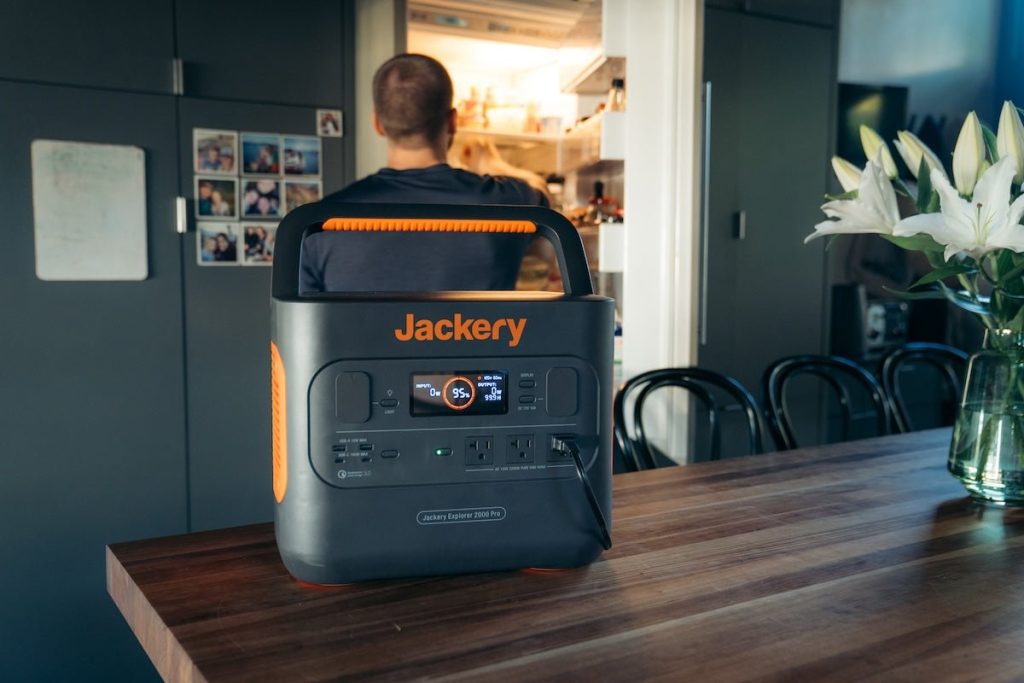
Have you ever wondered how much electricity your refrigerator really uses? If you’re keen on saving energy or just curious about your appliance’s power consumption, you’re not alone.
Understanding how many amps a standard refrigerator uses can help you make informed decisions about your energy use and even save money on your electricity bill. Imagine knowing exactly what impact that trusty kitchen appliance has on your monthly expenses.
This knowledge can empower you to optimize your household’s energy efficiency. Intrigued? Let’s uncover the surprising details that could change the way you look at your refrigerator forever.

Credit: vtoman.com
Refrigerator Power Basics
Understanding the power usage of your refrigerator helps you manage your electricity bill and ensures your home’s electrical system can handle the load. Refrigerators don’t just run constantly at full power; their energy consumption varies depending on the model and cycle. Let’s break down the basics of what determines how much power your fridge uses.
Voltage And Amperage Explained
Voltage is the electrical pressure that pushes current through your fridge’s components. In the U.S., standard household voltage is typically around 120 volts. Amperage, or amps, measures the flow of electric current your refrigerator draws while running.
Your fridge’s compressor motor requires the most current, especially when it starts up. This “starting surge” can be 2 to 3 times higher than its running amps. Knowing both voltage and amperage gives you a clearer picture of your fridge’s overall power demand.
Typical Wattage Range
Wattage combines voltage and amperage to show how much power your refrigerator consumes. Most standard refrigerators use between 100 and 800 watts, depending on size and efficiency. For example:
- Compact fridges: 100-250 watts
- Mid-sized models: 200-400 watts
- Larger or energy-intensive models: 400-800 watts
If you’ve ever noticed your fridge running louder or more frequently, it’s likely pulling closer to the higher end of its wattage range. Have you checked your breaker or fuse ratings lately? Your fridge’s power needs might surprise you.

Credit: www.bodegacooler.com
Average Amps For Standard Refrigerators
Understanding the average amps a standard refrigerator uses helps estimate electricity needs. Most refrigerators draw power between 1 and 2 amps during regular operation. The exact number depends on size, model, and energy efficiency. Knowing this helps with selecting proper circuit breakers and managing energy use.
Compact Vs. Full-size Models
Compact refrigerators usually use less power, around 1 amp or less. These smaller units suit dorm rooms or offices. Full-size refrigerators often draw between 3 to 6 amps while running. They have larger compressors and more features, which increase power demand. The startup current can be higher, sometimes 6 to 12 amps, but it only lasts a few seconds.
Energy Efficiency Impact
Energy-efficient refrigerators use modern technology to lower amps. They often use less than 2 amps during normal operation. Features like better insulation and advanced compressors reduce power needs. Energy Star-rated models consume less electricity and cost less to run. Choosing an efficient fridge can save money and reduce electrical load.
Factors Affecting Amperage
The amperage a refrigerator uses depends on several important factors. These influence the power consumption during normal operation. Understanding these helps you estimate energy use better and manage electricity costs effectively.
Different refrigerators may draw different amounts of current based on their design and condition. Small changes in settings or wear can affect how many amps the compressor and other parts need.
Compressor Type
The type of compressor affects the electrical current drawn. Modern refrigerators often use variable speed compressors. These adjust their speed to save energy and usually use fewer amps.
Older refrigerators use single-speed compressors. These run at full power each time, drawing more amps. The compressor’s efficiency impacts the overall amperage significantly.
Temperature Settings
Lowering the fridge or freezer temperature increases the compressor’s work. The compressor runs longer or harder, drawing more amps. Higher temperature settings reduce the compressor’s workload and current use.
Opening the door often or placing hot items inside causes the compressor to run more. This also raises the amperage temporarily.
Age And Condition
Older refrigerators usually consume more amps. Over time, parts wear out, reducing efficiency. The compressor may run longer, increasing current draw.
Dirty coils or poor seals force the compressor to work harder. Regular maintenance keeps amperage lower and helps save energy.

Credit: www.joca-cable.com
Measuring Refrigerator Amps
Measuring the amps of a refrigerator helps understand its power use. It shows how much electricity the appliance draws during operation. This knowledge can help with energy planning and safety checks. Two common ways to measure amps include using a clamp meter and reading the nameplate on the refrigerator.
Using A Clamp Meter
A clamp meter measures electrical current without disconnecting wires. It works by clamping around the refrigerator’s power cord. The meter detects the magnetic field caused by the electric current flow. This method provides a real-time reading of the amps the fridge uses.
Follow these points when using a clamp meter:
- Ensure the meter is set to measure AC current (amps).
- Clamp only one wire, not the entire cable.
- Turn on the refrigerator and note the reading.
- Record the highest amp draw during compressor start-up.
Reading The Nameplate
The nameplate on the refrigerator shows important electrical information. It often lists the rated current in amps or watts. This data helps estimate the average power use without special tools.
Look for these details on the nameplate:
- Voltage (V) – usually 110-120 volts in the US.
- Current (A) – the typical amps the fridge uses.
- Power (W) – watts can be converted to amps by dividing by voltage.
Example: A refrigerator with 1200 watts at 120 volts draws 10 amps.
Electrical Safety Tips
Electrical safety is crucial when using a refrigerator. It protects your home from fire hazards and electrical shocks. Understanding safe practices helps keep your appliance and family safe. Simple steps make a big difference in electrical safety.
Proper Circuit Sizing
Refrigerators need the right circuit size to work safely. A typical refrigerator uses about 3 to 6 amps. A 15-amp circuit is usually enough for one fridge. Using a circuit too small can cause overheating and tripped breakers.
Electricians recommend dedicated circuits for refrigerators. This avoids sharing power with other heavy appliances. Check your home’s wiring to confirm circuit size matches your fridge needs.
Avoiding Overloads
Overloading circuits is a common cause of electrical problems. Plugging many devices into one outlet can cause power surges. These surges may damage your refrigerator or start fires.
Use only one heavy appliance per outlet. Avoid extension cords or power strips for refrigerators. Keep cords in good condition and replace damaged ones immediately.
Energy-saving Recommendations
Saving energy with your refrigerator doesn’t have to be complicated. Small adjustments can make a big difference in how many amps your fridge uses daily. Let’s look at some practical tips to keep your appliance running efficiently without sacrificing performance.
Optimal Temperature Settings
Setting your refrigerator to the right temperature is key to reducing energy use. Aim for about 37°F (3°C) for the fridge compartment and 0°F (-18°C) for the freezer. Cooler than this wastes power without preserving food better.
Have you checked your fridge’s current temperature? A simple dial adjustment can save amps and lower your electricity bill. Avoid constant temperature swings by keeping the door closed as much as possible.
Maintenance Practices
Regular maintenance helps your fridge run smoothly and use less electricity. Clean the condenser coils every six months to prevent dust buildup, which forces the compressor to work harder.
Check door seals for cracks or gaps and replace them if needed. A tight seal keeps cold air in and warm air out, reducing the workload. Remember, even small leaks can increase power consumption noticeably.
Frequently Asked Questions
How Many Amps Does A Standard Refrigerator Use?
A standard refrigerator typically uses between 3 to 6 amps while running. The starting surge can be higher, around 7 to 15 amps. This varies with the model, size, and energy efficiency of the appliance.
What Affects A Refrigerator’s Amp Usage The Most?
The compressor size, motor efficiency, and temperature settings mainly affect amp usage. Larger or older models often draw more current. Frequent door openings and ambient temperature also impact how many amps a fridge consumes.
Can Refrigerator Amps Impact My Electric Bill?
Yes, higher amp usage means more electricity consumption, raising your bill. Efficient refrigerators use fewer amps, saving energy and money. Monitoring amp usage helps manage energy costs effectively.
Do All Refrigerator Types Use The Same Amps?
No, amp usage varies by type. Mini-fridges use fewer amps, around 1 to 2. Full-size and French door refrigerators generally use more, between 3 to 6 amps.
Conclusion
A standard refrigerator usually uses between 3 to 6 amps. This number can change based on size and model. Knowing the amps helps you plan your home’s electricity use. It also helps avoid overloading circuits. Small changes in usage can save energy and money.
Always check your refrigerator’s label for exact details. Understanding amps makes managing power easier. Keep your fridge running smoothly and safely. Simple steps lead to smart energy use.