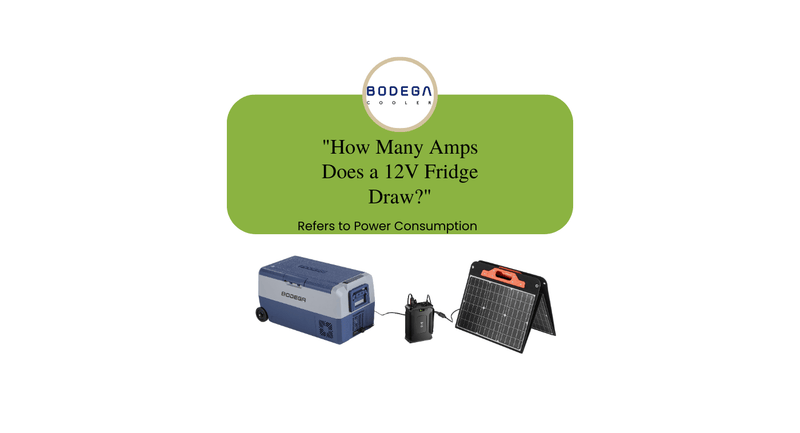
Are you curious about how much electricity your refrigerator actually uses? Understanding how many amps a typical refrigerator draws can help you save money on your energy bills and avoid tripping your circuit breaker.
Whether you’re planning a new electrical setup or just want to be more energy-conscious, knowing this simple fact can make a big difference. Keep reading, and you’ll discover easy-to-understand answers that could change the way you think about your kitchen’s biggest energy user.

Credit: www.joca-cable.com
Refrigerator Power Basics
Understanding the power consumption of your refrigerator is more useful than you might think. It helps you manage your energy bills and ensures you use the right electrical setup. Before you look at specific amp values, it’s important to grasp some basic electrical concepts that affect how much power your fridge draws.
Voltage And Current Explained
Voltage is the electrical pressure that pushes current through the fridge’s circuits. In the U.S., most refrigerators run on a standard 120-volt household supply. Current, measured in amps, is the actual flow of electricity your fridge uses to operate.
Think of voltage as the force behind the flow, and current as the amount of electricity moving. A fridge with higher current draw uses more power. If you want to check your fridge’s power use, knowing both voltage and current is essential.
Difference Between Running And Starting Amps
Running amps refer to the electricity your refrigerator uses while it’s operating normally. It usually stays steady, around 3 to 6 amps for most home fridges. This is the number you’ll see on your energy bill most of the time.
Starting amps, on the other hand, are much higher. When the compressor kicks on, it needs a surge of power to get moving. This surge can be 3 to 7 times the running amps and lasts just a few seconds.
Have you ever noticed your lights flicker briefly when your fridge starts? That’s the starting amps pulling more power. Knowing this difference can help you choose the right circuit breaker and avoid electrical problems.

Credit: www.jackery.com
Typical Amp Draw Of Refrigerators
Refrigerators use different amounts of electric current depending on their size and type. Knowing the typical amp draw helps estimate energy use and choose the right circuit breaker. Most refrigerators run between 1 to 6 amps under normal conditions.
Small And Compact Models
Small refrigerators usually draw about 1 to 2 amps. These models are great for dorm rooms or offices. They use less power because they have smaller compressors and less space to cool. Expect a lower startup surge compared to bigger units.
Standard Household Refrigerators
Most home refrigerators draw between 3 to 5 amps during regular operation. This includes top-freezer and side-by-side models. The startup current can be higher, sometimes reaching 7 to 10 amps briefly. Their compressors work harder to keep larger spaces cold.
Large And Commercial Units
Large refrigerators and commercial units draw from 5 up to 10 amps or more. These are found in restaurants, grocery stores, and large kitchens. They have powerful compressors and extra features like ice makers. Their startup current can be significantly higher than running amps.
Factors Influencing Amp Draw
Understanding the amp draw of a refrigerator helps manage energy costs. Several factors influence how much power a refrigerator uses. These factors can vary based on the appliance’s features and usage.
Age And Efficiency Of The Appliance
Older refrigerators often consume more power. They may lack modern energy-saving technology. Newer models usually have better efficiency standards. This reduces their amp draw significantly. Regular maintenance also affects efficiency. Clean coils and proper sealing ensure optimal performance.
Temperature Settings And Usage Patterns
Temperature settings play a crucial role in energy use. Lower settings mean the compressor works harder. This increases the amp draw. Frequent opening of the fridge also affects usage. It causes the compressor to cycle more frequently. Maintaining a moderate temperature can help save energy.
Compressor Type And Size
The size and type of the compressor impact power consumption. Larger compressors draw more amps. Inverter compressors adjust speed based on cooling needs. They are generally more efficient. Traditional compressors operate at a constant speed. This can lead to higher energy consumption.

Credit: vtoman.com
Measuring Refrigerator Amps
Measuring the amps your refrigerator draws helps you understand its energy use and troubleshoot electrical issues. Knowing this information can prevent circuit overloads and reduce your electricity bill. Let’s look at practical ways you can measure these amps safely and accurately.
Using A Clamp Meter
A clamp meter is a handy tool that measures current without disconnecting wires. You simply clamp it around one of the refrigerator’s power wires, and it displays the amps flowing through.
When I first tried this, I was surprised how easy it was to get a real-time reading. Just make sure the meter is set to measure AC amps and that you isolate one conductor, not the whole cord.
This method is safe and quick, especially if you want to check the starting current versus the running current. Have you ever wondered how much extra power your fridge uses when the compressor kicks in? This tool reveals that instantly.
Reading The Nameplate
The refrigerator’s nameplate, usually located inside the door or on the back panel, lists important electrical specs. It often includes the rated amps, voltage, and wattage.
For example, if the nameplate says 120V and 2A, your fridge draws around 2 amps under normal operation. This is a simple way to estimate current without any tools.
Remember, these figures represent typical use and may not show peak startup currents. Still, it gives you a good baseline when comparing different models or planning your electrical load.
Monitoring With Smart Plugs
Smart plugs with energy monitoring features are an easy way to track your fridge’s power consumption. Plug your refrigerator into one of these devices, and you can see amps, watts, and even cost estimates through an app.
I tested a smart plug on my fridge and found it fascinating to watch the amps fluctuate throughout the day. This data helped me spot times when the fridge worked harder, such as after door openings.
Do you want more control over your appliance energy use? These plugs provide actionable insights and can alert you if your fridge starts drawing unusual power, signaling potential problems early.
Impact On Electrical Systems
The electrical demand of your refrigerator can significantly affect your home’s electrical system. Understanding how many amps your fridge draws helps you avoid problems like circuit overloads and unexpected power trips. It also sheds light on your energy use, which directly influences your electricity bills.
Circuit Breaker Requirements
Your refrigerator typically needs its own dedicated circuit breaker to operate safely. Most fridges draw between 3 to 6 amps, but the startup surge can be higher, sometimes reaching 10 to 15 amps briefly. This spike means a circuit breaker rated at 15 or 20 amps is usually necessary to prevent it from tripping unnecessarily.
Have you noticed your breaker flipping when the fridge kicks on? This often signals that the circuit is shared with other appliances or is underrated. Installing the correct breaker size and a dedicated line can protect your refrigerator and your home’s electrical system.
Preventing Overloads
Overloading circuits can cause breakers to trip, risking damage to your fridge and other appliances. Avoid plugging multiple high-draw devices into the same outlet or circuit as your refrigerator. Consider mapping out your home’s circuits to understand load distribution better.
A simple action like unplugging unused devices during peak fridge activity can prevent overloads. Do you know which appliances share a circuit with your refrigerator? Identifying this can save you from inconvenient power interruptions.
Energy Consumption And Costs
The amperage your fridge draws directly impacts your monthly electricity costs. Higher amp draw means more energy consumption, especially if your refrigerator is older or not energy efficient. Monitoring your appliance’s electrical demand helps you anticipate and manage your utility bills better.
Upgrading to an energy-efficient model or maintaining your fridge properly can lower its amp draw. Have you checked if your fridge’s energy use aligns with your budget? Small changes might lead to noticeable savings over time.
Tips For Reducing Refrigerator Energy Use
Reducing the energy your refrigerator uses can make a noticeable difference in your electricity bill. Small changes in how you place, maintain, and operate your fridge can cut down its amp draw without compromising food safety. Let’s look at practical ways you can save energy daily.
Optimal Placement And Maintenance
Place your refrigerator away from heat sources like ovens, dishwashers, or direct sunlight. Heat makes your fridge work harder, increasing energy use.
Keep the coils clean. Dust and dirt buildup on condenser coils can raise energy consumption by up to 30%. I once noticed a significant drop in energy use after simply vacuuming my fridge coils.
Check door seals regularly. If your door gasket is damaged or loose, cold air escapes and the compressor runs longer. Press the door against a piece of paper—if it slips out easily, it’s time to replace the seal.
Setting The Right Temperature
Set your refrigerator between 37°F and 40°F (3°C to 4°C) for optimal cooling without overworking the compressor. Freezers should be at 0°F (-18°C).
Many people keep their fridge too cold out of habit. Ask yourself: do you really need it at 34°F? Slight adjustments can save energy without spoiling food.
Use a fridge thermometer to check the actual temperature inside. Built-in dials aren’t always accurate, and this simple tool helps you make precise adjustments.
Upgrading To Energy-efficient Models
Older refrigerators can draw double or triple the amps compared to newer, energy-efficient models. If your fridge is over 10 years old, consider replacing it.
Look for ENERGY STAR® certified appliances. These models use advanced technology to keep your food cold while using less power.
Think about the size you actually need. A larger fridge consumes more energy, so choosing one that fits your household size helps you save.
Frequently Asked Questions
How Many Amps Does A Standard Refrigerator Use?
A typical refrigerator uses about 3 to 6 amps during normal operation. Startup amps can be higher, around 7 to 15 amps. This varies by model and size but usually stays within this range for most household fridges.
What Factors Affect A Refrigerator’s Amp Draw?
Refrigerator size, age, compressor type, and energy efficiency impact amp draw. Larger or older models often use more amps. Frequent door openings and ambient temperature also increase power consumption, affecting the overall amp draw.
How To Measure Your Refrigerator’s Amp Usage Accurately?
Use a clamp meter or plug-in energy monitor to measure amps. These devices capture real-time current draw safely. Measuring helps identify if your fridge runs efficiently or needs maintenance, ensuring accurate amp consumption data.
Does A Refrigerator’s Amp Draw Change During Operation?
Yes, amp draw spikes during compressor startup and drops during steady running. The compressor requires more power initially, causing a brief surge. Understanding this variation helps in choosing the right circuit breaker and wiring.
Conclusion
A typical refrigerator usually draws between 3 to 6 amps. This number can change based on the model and size. Knowing this helps you check your home’s electrical load. It also guides you when choosing the right circuit breaker. Small changes in amps can affect your energy bill too.
Keep this information in mind for safer and smarter appliance use. Simple details like these make a big difference in daily life. Understanding your fridge’s power use saves time and money.