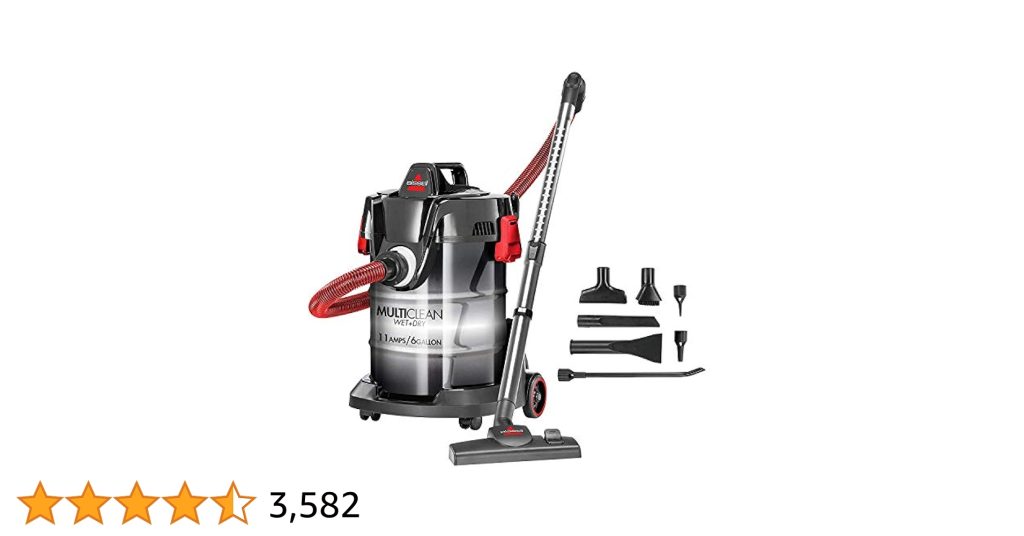
Have you ever wondered how much power your vacuum cleaner really uses? It’s easy to plug it in and start cleaning, but understanding the electricity it consumes can be a bit more complex.
Knowing how many amps your vacuum uses can help you manage your energy consumption and reduce your electricity bill. Plus, it can be crucial if you’re using a generator or have limited power sources. We’ll break down the numbers in a simple way, so you can make informed choices about your cleaning habits.
Ready to dive in and discover more? Let’s get started!
Credit: www.walmart.com
Vacuum Amp Ratings
Understanding vacuum amp ratings helps you gauge how much electricity your vacuum cleaner consumes. This knowledge can aid in selecting the right model for your home and managing your energy bills effectively. It also ensures you don’t overload your circuits when using multiple appliances.
Typical Amp Range
Most household vacuums draw between 6 to 12 amps. Compact or handheld vacuums often use less power, around 4 to 6 amps, making them energy-friendly but less powerful.
On the other hand, heavy-duty or commercial vacuums can pull 12 amps or more. If your vacuum is rated at 10 amps, it will use more electricity than one rated at 6 amps, which can impact your monthly electricity bill.
Factors Influencing Amp Draw
Several things affect how many amps your vacuum pulls. The motor size is the biggest factor — bigger motors need more amps to run.
- Motor power:Higher horsepower means higher amp draw.
- Vacuum type:Upright, canister, or cordless models each have different power needs.
- Attachments used:Using a motorized brush or other powered attachments can increase amps drawn.
- Filter and bag condition:Clogged filters or full bags make the motor work harder, increasing current draw.
Have you noticed your vacuum slowing down or your circuit breaker tripping? These signs might indicate that your vacuum is pulling more amps than usual due to a clogged filter or an aging motor.
Power Consumption Basics
Understanding how much power your vacuum uses starts with grasping the basics of electrical consumption. This knowledge helps you manage your home’s energy more efficiently and avoid unexpected spikes on your electricity bill. Let’s break down the key concepts you need to know to make sense of the numbers on your vacuum’s label.
Watts Vs. Amps
You often see vacuum cleaners rated in watts or amps, but these two measure different things. Watts indicate the total power the vacuum uses, while amps measure the current flowing through the device. Knowing the difference can help you understand how much electricity your vacuum actually draws from the outlet.
For example, a vacuum rated at 1200 watts and 10 amps might seem confusing at first. Watts tell you the energy used, but amps tell you about the electrical load on your circuit. This distinction matters when you’re considering the capacity of your home’s wiring and circuit breakers.
- Watts:Total energy consumption.
- Amps:Electrical current drawn.
Have you ever noticed your circuit breaker trips when you turn on your vacuum? That’s often because the amps exceed what your circuit can handle, not just the wattage.
Voltage Impact
Voltage plays a crucial role in how amps and watts relate to each other. Simply put, voltage is the electrical pressure pushing the current through your vacuum’s motor. In the U.S., household voltage is typically 120 volts, while in many other countries, it’s around 220-240 volts.
This difference means a vacuum using the same wattage will draw fewer amps in higher-voltage countries. For example, a 1200-watt vacuum will use about 10 amps at 120 volts but only around 5 amps at 240 volts.
| Voltage (Volts) | Power (Watts) | Current (Amps) |
|---|---|---|
| 120 | 1200 | 10 |
| 240 | 1200 | 5 |
Knowing your home’s voltage can help you estimate how much current your vacuum will pull. Are you curious if your vacuum is overloading your circuits? Checking the voltage and calculating amps can give you the answer.
Different Vacuum Types
Vacuum cleaners come in various types, each designed for specific cleaning needs. Their power consumption varies depending on size, motor strength, and design. Understanding these differences helps in choosing the right vacuum and managing electricity use.
Upright Vacuums
Upright vacuums are common in many homes. They often have strong motors and wide cleaning paths. These vacuums usually use 6 to 12 amps. Their power suits thick carpets and large floor areas. They tend to be heavier but offer efficient cleaning.
Canister Vacuums
Canister vacuums separate the motor and the cleaning head. This design allows easier movement and better reach. They generally use 7 to 10 amps. Canister vacuums are good for hard floors and stairs. They offer strong suction without being too heavy.
Handheld Vacuums
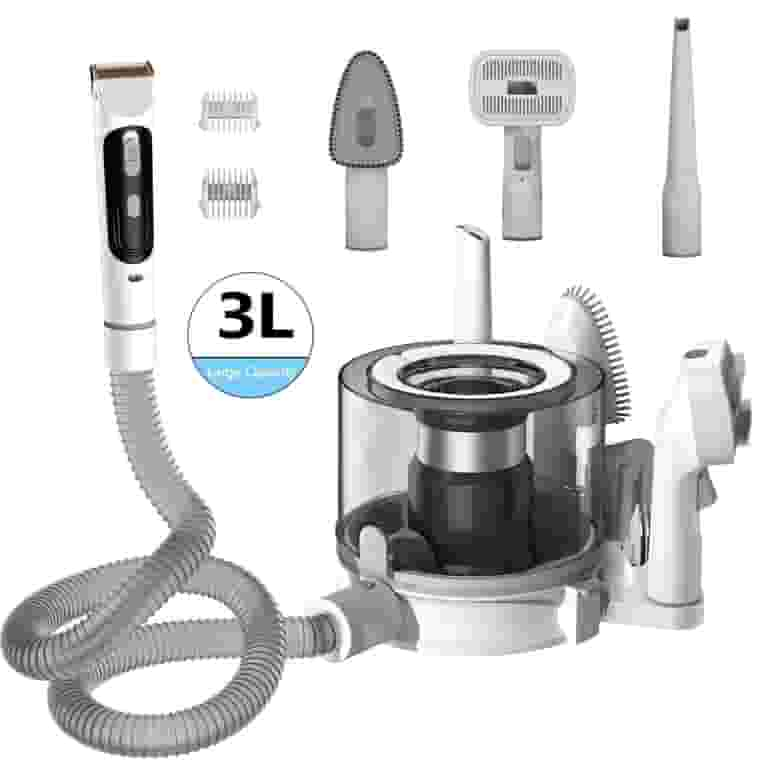
Handheld vacuums are small and portable. They usually use less power, around 2 to 5 amps. These are perfect for quick cleanups and tight spaces. Their battery-powered models save electricity but may have less suction. They are easy to carry and store.
Robotic Vacuums
Robotic vacuums clean automatically with minimal effort. They use about 2 to 4 amps on average. These vacuums work well on hard floors and low-pile carpets. They run on batteries and return to charging docks. Their low power use helps save energy over time.
Amp Usage By Brand And Model
Understanding amp usage helps to choose the right vacuum for your needs. Different brands and models vary in power consumption. Some vacuums draw high amps for strong suction. Others use less power but still clean well. This section breaks down amp usage by vacuum type.
High-power Models
High-power vacuums often have amps between 8 and 12. These models deliver strong suction for deep cleaning. Brands like Dyson and Shark offer powerful options. They typically use motors that require more electricity. This means they may increase your energy bill slightly.
Examples include:
- Dyson Ball Animal 12 amps
- Shark Navigator Lift-Away 9.5 amps
- Hoover WindTunnel 10 amps
These models suit homes with heavy dirt or pet hair. They perform well on carpets and rugs. The higher amp rating reflects their strong cleaning ability.
Energy-efficient Models
Energy-efficient vacuums use fewer amps, often 6 or less. These models save power while still cleaning adequately. Brands like Miele and Eureka focus on efficiency. They use advanced motor technology to reduce electricity use.
Examples include:
- Miele Compact C1 6 amps
- Eureka Blaze 5 amps
- Bissell Featherweight 4.5 amps
Energy-efficient vacuums suit small homes or light cleaning. They help reduce electricity costs over time. Their lower amp usage does not always mean weak suction.
Safety And Electrical Considerations
Understanding safety and electrical needs is vital when using a vacuum. These devices draw power that can affect your home’s electrical system. Knowing how many amps your vacuum uses helps prevent overloads and hazards. It ensures your vacuum runs smoothly without tripping breakers or causing damage.
Circuit Breaker Limits
Most home circuits support 15 or 20 amps. Vacuums can use between 6 and 12 amps. Running a vacuum on a circuit close to its limit risks tripping the breaker. Avoid plugging multiple high-power devices into the same outlet. Check your vacuum’s amperage rating on the label before use. Make sure the circuit can handle the total load safely.
Extension Cord Use
Extension cords can cause voltage drops and overheating. Use only heavy-duty cords rated for your vacuum’s amps. Avoid thin or long cords that increase resistance. Keep the cord untangled and away from heat sources. Check the cord’s label for the maximum amp rating. Using the correct cord prevents fires and power loss.

Credit: www.ebay.ca
Reducing Vacuum Power Consumption
Reducing vacuum power consumption helps save electricity and lowers your bills. Small changes in how you use and care for your vacuum make a big difference. Efficient vacuums run longer and use less energy without losing suction. Focus on simple habits and settings to cut down power use.
Maintenance Tips
Keep your vacuum clean and well-maintained for better efficiency. Check and replace filters regularly to avoid blockages. Empty the dustbin or bag before it gets full to maintain suction power. Clean brushes and hoses from hair and debris to prevent motor strain. Inspect the belt for wear and replace it if needed. A well-kept vacuum uses fewer amps and lasts longer.
Using Eco Modes
Many vacuums have eco modes to reduce power use. These modes lower motor speed while still cleaning effectively. Use eco mode on less dirty floors or for quick cleaning sessions. It saves energy and reduces noise. Switching to eco mode can cut amps used by the vacuum significantly. Choose eco mode to balance cleaning power and energy savings.

Credit: www.amazon.ca
Frequently Asked Questions
How Many Amps Does A Typical Vacuum Cleaner Use?
A typical vacuum cleaner uses between 6 to 12 amps. This varies based on the model and power rating. Higher power vacuums generally consume more amps for better suction. Always check the label for exact amp ratings.
Does Vacuum Amp Usage Affect Electricity Bills?
Yes, higher amp usage means more electricity consumption. Vacuums with amps over 10 can increase your electricity bill if used frequently. Energy-efficient models with lower amps save power and reduce costs.
What Amps Do Handheld Vacuums Usually Require?
Handheld vacuums typically use between 2 to 6 amps. They consume less power due to smaller motors. This makes them more energy-efficient but less powerful than full-sized vacuums.
Can Vacuum Amp Rating Impact Suction Power?
Generally, a higher amp rating indicates stronger motor power and better suction. However, design and technology also affect performance. Amp rating alone doesn’t guarantee vacuum efficiency.
Conclusion
A vacuum usually uses between 5 and 12 amps of power. This depends on the model and its features. Knowing the amps helps you choose the right vacuum for your home. It also prevents electrical overloads and saves energy. Always check the label before buying.
Small vacuums use less power, while big ones need more. Understanding amps keeps your cleaning safe and efficient. Simple and smart choices make a difference.