Are you curious about how much electricity your air conditioner actually uses? Knowing how many amps your AC draws can help you save money, avoid electrical issues, and choose the right unit for your home.
Whether you’re planning to install a new system or just want to understand your energy bills better, this article will break it down in simple terms. Keep reading, and you’ll discover exactly what affects your air conditioner’s power use—and how you can make smarter choices to stay cool without wasting energy.

Credit: www.reddit.com
Air Conditioner Power Basics
Wattsmeasure the total power an air conditioner uses. Ampsshow the current flowing through the system. Both are important for understanding energy use.
The relationship between watts and amps depends on voltage. You can calculate amps by dividing watts by volts.
| Term | Definition | Example |
|---|---|---|
| Watts (W) | Power used by the air conditioner | 1500 W |
| Amps (A) | Electric current flowing | 12.5 A |
| Voltage (V) | Electric potential difference | 120 V |
Frequencymeans how often the current changes direction per second. It affects how electrical devices work. Most homes use 60 Hz frequency, but some countries use 50 Hz.
Factors Influencing Ac Amperage
Size and capacityaffect how many amps an air conditioner uses. Bigger units need more power to cool large spaces. Smaller units use fewer amps because they cool less area.
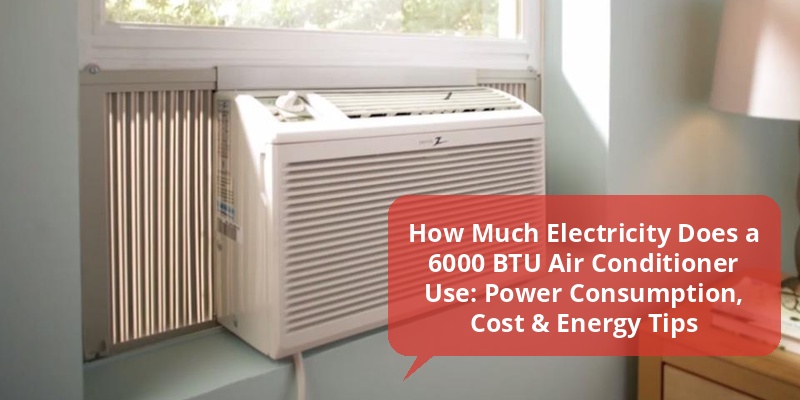
The type of air conditioneralso matters. Window units usually draw less current than central air systems. Portable ACs may use different amps depending on their design.
Energy efficiency ratingstell how well an AC uses electricity. Models with higher ratings use fewer amps to cool the same space. This saves money and reduces electric bills.
Typical Amperage For Common Ac Units
Window air conditioners usually draw between 5 to 15 amps. Small units use less power, while bigger ones need more.
Central air systems often require 15 to 60 amps. The size of the home and system affects the amperage.
Portable air conditioners typically use 5 to 12 amps. They are less powerful than central systems but can cool small rooms well.
Calculating Amps For Your Ac
The nameplateon your air conditioner shows key details. It includes voltage, watts, and sometimes amps. This helps find the power the AC uses.
Use this simple formula to calculate amps:
| Formula | Description |
|---|---|
| Amps = Watts ÷ Volts | Divide the watts rating by the voltage rating |
- Find the watts on the nameplate.
- Find the voltage on the nameplate.
- Divide watts by volts for amps.
This calculation gives the approximate currentyour AC draws. It helps with choosing the right circuit breakerand wiring.
Impact On Electrical Systems
An air conditioner usually draws a lot of electricity. This affects the home’s electrical system. Circuit breakers must handle the AC’s current to avoid trips or hazards.
Typical circuit breaker requirementsdepend on the AC’s size and power use. Most units need a breaker rated between 15 to 30 amps. Using the wrong breaker risks fire or damage.
Wiring considerationsare important too. The wires must be thick enough to carry the current safely. Thin wires can overheat and cause problems. Electrical codes guide the right wire size for each amp rating.
| AC Size (Tons) | Amps Needed | Recommended Breaker | Wire Gauge |
|---|---|---|---|
| 1.5 | 12-16 | 20 Amps | 12 AWG |
| 2.0 | 16-20 | 25 Amps | 10 AWG |
| 3.0 | 20-30 | 30 Amps | 10 AWG |
Reducing Ac Power Consumption
Regular maintenancekeeps your air conditioner running well and uses less power. Clean or replace filtersevery month or as needed. Clear debrisaround the outdoor unit to help airflow. Check for leaksin ducts that waste energy and fix them quickly.
Smart thermostatshelp control temperature efficiently. They learn your schedule and lower cooling when no one is home. This saves energy and lowers your electric bill. You can also adjust settings remotely using a smartphone.
- Close blinds or curtains during hot days.
- Use fans to help circulate air.
- Keep doors and windows closed when AC runs.
- Set thermostat to a comfortable but not too low temperature.
- Turn off AC when not needed.
Safety Precautions With Ac Amps
Avoiding overloadskeeps your home safe. Too many devices on one circuit can cause a fire. Always check the amp ratingof your air conditioner. Use a dedicated circuit for the AC to avoid tripping breakers. Unplug other heavy devices when the AC runs. This helps prevent power surgesand damage.
Professional installationis key. Experts know the right size wires and breakers. They ensure the AC unit matches your home’s electrical system. This avoids short circuitsand saves money on repairs. A licensed electrician can also set up proper groundingfor safety. Never try to install an AC unit alone unless trained.

Credit: www.jackery.com
Credit: northnjhvac.com
Frequently Asked Questions
How Many Amps Does A Typical Air Conditioner Use?
A typical air conditioner uses between 5 to 15 amps. The exact number depends on the unit’s size and efficiency. Larger units generally draw more amps than smaller, portable models. Always check the manufacturer’s label for precise amperage.
What Factors Affect An Air Conditioner’s Amp Usage?
Amp usage depends on the AC unit’s size, cooling capacity, and efficiency rating. Outdoor temperature and insulation quality of your home also impact power consumption. Older units tend to draw more amps compared to newer energy-efficient models.
How To Calculate The Amps Needed For My Air Conditioner?
To calculate amps, divide the unit’s wattage by your home voltage (usually 120V or 240V). For example, a 1500-watt AC on 120V uses about 12. 5 amps. This helps ensure your electrical system can support the air conditioner safely.
Can High Amp Usage Cause Electrical Issues?
Yes, high amp usage can overload circuits, causing breakers to trip or wires to overheat. It’s important to match your AC’s amp requirements with your home’s electrical capacity. Using a dedicated circuit for the air conditioner minimizes risks.
Conclusion
Knowing how many amps an air conditioner uses helps you save energy. Different models and sizes use different amounts of power. Checking your unit’s amp rating can prevent electrical problems. It also helps you choose the right circuit breaker. Saving electricity lowers your bills and protects your home.
Keep your air conditioner well maintained for best results. Small steps make a big difference in energy use. Stay informed and control your energy costs easily.