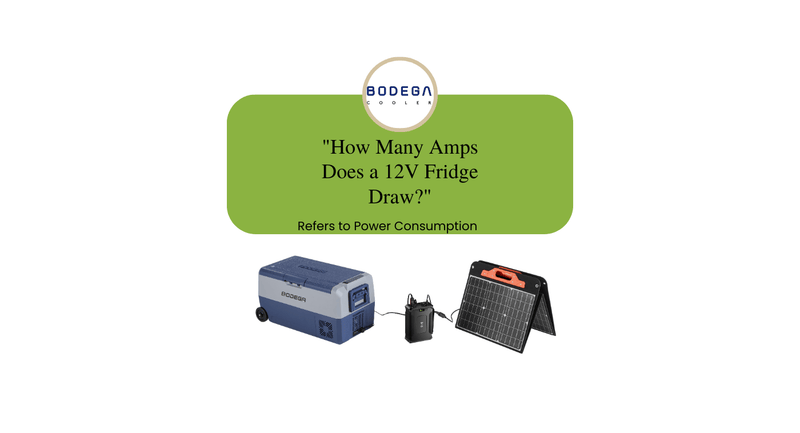
Have you ever wondered how much electricity your refrigerator really uses? Knowing how many amps it takes to run your fridge can help you save money, avoid electrical problems, and even choose the right circuit for your kitchen.
Whether you’re setting up a new appliance or just curious about your energy use, understanding this simple number can make a big difference. Keep reading, and you’ll discover exactly what you need to know to keep your fridge running smoothly without wasting power or risking overloads.
Refrigerator Power Basics
Understanding your refrigerator’s power needs is key to managing your home’s energy use efficiently. Knowing the basics about voltage, amperage, and wattage helps you make smarter decisions about your electrical setup and avoid unexpected trips to the breaker. Let’s break down these concepts so you can see how they impact your fridge’s operation and your energy bills.
Voltage And Amperage Explained
Voltage is the electrical pressure that pushes current through your refrigerator. Most household refrigerators in the US run on 120 volts, but this can vary depending on where you live.
Amperage, or amps, measures the amount of electrical current your fridge draws. A typical refrigerator might pull between 3 to 6 amps while running, but it can spike higher when the compressor starts up.
Have you noticed your lights dimming briefly when your fridge kicks on? That’s because the startup amps are momentarily higher than the running amps. This surge is important to consider when sizing your circuits.
Wattage And Energy Consumption
Wattage is the product of voltage and amperage. It represents the actual power your refrigerator uses. For example, a fridge drawing 5 amps at 120 volts uses about 600 watts.
Understanding wattage helps you estimate energy consumption. Most refrigerators use between 100 to 800 watts depending on size and efficiency.
Knowing your fridge’s wattage can help you choose the right backup power source or calculate energy costs. Have you checked your fridge’s label to see its exact wattage? It’s a simple step that saves you headaches later.

Credit: leaptrend.com
Typical Amps For Common Refrigerators
Understanding the typical amps required by common refrigerators helps you manage your home’s electrical load efficiently. It also ensures you choose the right circuit breakers and avoid power issues. Let’s look at the typical amperage for different refrigerator types to give you a clearer picture.
Standard Household Models
Most standard household refrigerators run between 3 to 6 ampswhile operating. The exact number depends on the size and features like ice makers or water dispensers. When the compressor kicks in at startup, it can briefly spike to around 7 to 10 amps.
Have you ever noticed a slight flicker in your lights when the fridge starts? That’s the compressor drawing more current momentarily. Knowing this can help you avoid overloading circuits shared with sensitive electronics.
Mini And Compact Refrigerators
Mini fridges, often used in dorms or offices, usually draw about 1 to 2 amps. Their smaller compressors and compact insulation require less power overall. However, some high-end mini models with extra features might push closer to 3 amps.
If you’re thinking about adding a mini fridge to your workspace, check its amp rating. You want to prevent tripping breakers or causing voltage drops that impact other devices.
Commercial Refrigerators
Commercial refrigerators are built for heavy use and larger capacity, so their amps are higher. These units typically draw between 7 to 15 amps, depending on size and cooling power. Walk-in coolers and large display cases can even exceed these values during compressor startup.
Running a business means you must plan your electrical setup carefully. Are your circuits ready to handle these loads without risking downtime or damage? Knowing the amperage is key to keeping your commercial fridge running smoothly.
Starting Vs Running Amps
Starting amps are higher because the refrigerator motor needs extra power to begin running. Running amps are lower and show the normal power use during operation. Knowing both helps choose the right electrical setup for your fridge.
Understanding the difference between starting amps and running amps is crucial. Refrigerators require varying amounts of power throughout their operation. Initially, they need more power to start up. Then, they use a steady amount for regular functioning. Let’s explore these concepts further.Surge Current During Startup
When a refrigerator starts, it needs a surge of power. This is known as the starting amps. The motor compressor draws extra current to begin its operation. This can be two to three times higher than the normal running amps. This initial surge is short but significant.Continuous Operating Current
Once the refrigerator is running, it uses less power. This is called the running amps or continuous operating current. It maintains the fridge’s temperature and supports regular functions. Running amps are steady and lower than starting amps. Understanding this helps in managing electrical load in your home.
Credit: www.jackery.com
Factors Affecting Refrigerator Amps
Several factors influence how many amps a refrigerator uses. Knowing these helps manage energy use and avoid electrical issues. Different refrigerators draw different amounts of current depending on their design and usage.
Size And Capacity
Larger refrigerators need more power to run. Bigger models have bigger compressors and more cooling space. This means they typically draw more amps than small ones. Compact fridges use fewer amps due to smaller components.
Age And Efficiency
Newer refrigerators often use less electricity. They have better technology and improved insulation. Older models may draw more amps because they lose cold air faster. Efficiency ratings can help estimate current use.
Temperature Settings
Lower temperature settings cause the fridge to work harder. The compressor runs longer and consumes more amps. Higher settings reduce power use but may affect food freshness. Proper settings balance energy and cooling needs.
Frequency Of Door Openings
Opening the door lets warm air inside. The fridge must cool down again, increasing amp draw. Frequent openings make the compressor run more often. Keeping the door closed saves energy and reduces amps.
Measuring Refrigerator Amps
Measuring the amps your refrigerator uses is key to understanding its energy consumption and ensuring your electrical setup is safe. Knowing the exact amperage helps you avoid overloads and can guide you when choosing backup power options like generators or UPS systems.
Let’s look at two practical ways to measure these amps accurately and safely.
Using A Clamp Meter
A clamp meter is a handy tool that measures current without disconnecting the appliance. You simply clamp the meter around one of the refrigerator’s power wires, and it shows the amps flowing through.
Make sure to use a clamp meter that can measure AC current, as refrigerators run on alternating current. This method is quick and doesn’t require any special electrical knowledge, making it perfect for DIY checks.
If you’ve never tried it before, you might be surprised how easy it is. Have you ever wondered if your fridge’s startup surge is higher than its running current? A clamp meter reveals exactly that.
Reading Nameplate Information
Every refrigerator has a nameplate sticker, usually located inside the door or on the back, listing electrical specs like voltage, wattage, and sometimes amps.
Look for values labeled “Amps” or “Current.” If amps aren’t listed, you can calculate them using the formula:
| Parameter | Value |
|---|---|
| Current (Amps) | Power (Watts) ÷ Voltage (Volts) |
For instance, if the nameplate says 150 watts and 120 volts, the current draw is about 1.25 amps. This gives you a general idea of the fridge’s typical power usage without any special tools.
Have you checked your refrigerator’s nameplate lately? It’s a quick way to get baseline data before investing in measurement tools.
Electrical Requirements And Safety
Understanding the electrical requirements for running a refrigerator is key to keeping your kitchen safe and your appliance running smoothly. Ignoring the right electrical setup can lead to circuit trips, damage, or even fire hazards. Let’s look closely at what you need to know about circuit breakers, wiring, and how to avoid overloading your system.
Circuit Breaker Ratings
Your refrigerator usually needs a dedicated circuit with the correct breaker rating. Most modern refrigerators draw between 3 to 6 amps, but the breaker should generally be rated for 15 to 20 amps to handle start-up surges safely.
Using a breaker that’s too small can cause frequent trips, while an oversized breaker may fail to protect your wiring. Have you checked your breaker panel lately to confirm the rating matches your refrigerator’s needs?
Proper Wiring And Outlets
Proper wiring is crucial for your fridge to work efficiently and safely. The outlet should be grounded and match the plug type of the refrigerator.
Using an extension cord or an incompatible outlet can increase the risk of overheating and electrical faults. If you’re unsure about your wiring, consider getting a professional electrician to inspect it—it’s a small step that can save a lot of trouble.
Avoiding Overloads
Plugging multiple high-power appliances into the same circuit as your refrigerator can easily cause overloads. This not only trips breakers but can also shorten the lifespan of your fridge.
Think about what else shares your refrigerator’s circuit. Could rearranging plugs or adding a dedicated line prevent overloads? Keeping circuits clear and balanced protects your fridge and your home’s electrical system.
Energy Saving Tips
Saving energy on your refrigerator not only lowers your electricity bill but also reduces your overall environmental impact. Small changes in how you choose, place, and maintain your fridge can lead to significant power savings. Let’s look at some practical tips that help you use fewer amps without sacrificing convenience.
Choosing Energy Efficient Models
Look for refrigerators with the ENERGY STAR label. These models use advanced technology to consume less power while keeping your food fresh.
Consider the size that fits your household needs. Bigger isn’t always better—an oversized fridge wastes energy if you don’t fill it.
Think about features like inverter compressors, which adjust power use based on cooling demand, helping you save amps daily.
Optimal Placement And Maintenance
Place your fridge away from heat sources like ovens, dishwashers, or direct sunlight. Heat makes your fridge work harder and draw more amps.
Keep the coils clean—dust buildup forces your fridge to consume extra power. You can clean them easily with a vacuum or brush every six months.
Check door seals regularly. A faulty seal lets cold air escape, increasing the compressor’s workload and energy use.
Reducing Power Consumption
- Don’t open the fridge door unnecessarily. Every time you open it, cold air escapes, and the compressor kicks in.
- Allow hot food to cool before putting it inside. Adding warm items raises the internal temperature and amps up energy use.
- Organize your fridge so you can find items quickly, minimizing door-open time.
- Set the temperature correctly—usually between 37°F and 40°F for the fridge and 0°F for the freezer.
Have you ever noticed how quickly your fridge cycles on and off after a big grocery haul? These simple habits can reduce those spikes and keep your amp usage steady.

Credit: www.renogy.com
Frequently Asked Questions
How Many Amps Does A Standard Refrigerator Use?
A standard refrigerator typically uses between 3 to 6 amps while running. Startup amps can be higher, around 7 to 15 amps.
What Size Breaker Is Needed For A Refrigerator?
A 15-amp circuit breaker is usually sufficient for most household refrigerators. Always check the manufacturer’s specifications to be sure.
Why Does My Refrigerator Draw More Amps At Start-up?
Refrigerators require extra amps at start-up to power the compressor motor. This surge usually lasts a few seconds.
Can A Refrigerator Run On A 10-amp Circuit?
Most refrigerators need at least a 15-amp circuit. Running on 10 amps may cause frequent tripping.
Conclusion
Running a refrigerator usually needs between 3 and 6 amps. This depends on the model and size. Knowing the amps helps you choose the right circuit breaker. It also prevents electrical problems in your home. Keep in mind that starting amps can be higher.
Checking your refrigerator’s label gives the exact number. Understanding this helps save energy and avoid overloads. Simple steps can protect your appliance and home. Stay safe and keep your fridge running smoothly.