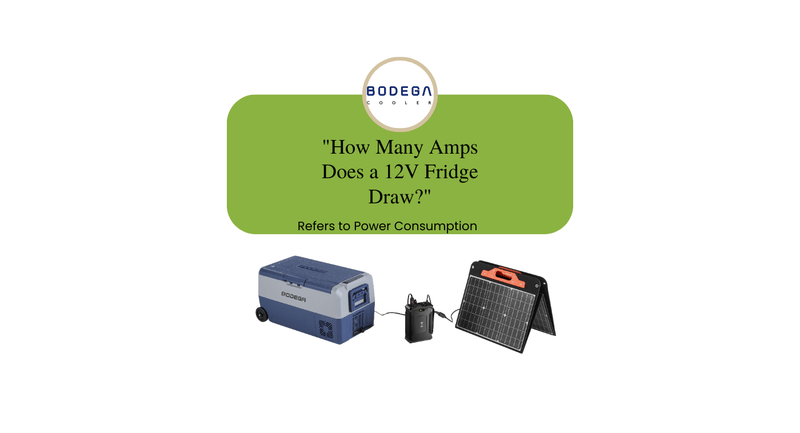
Are you curious about how much electricity your refrigerator uses? Knowing how many amps your fridge draws can help you understand your energy bills better and keep your home’s electrical system safe.
Whether you’re planning to upgrade your appliances or just want to be more energy-conscious, this information is important for you. Keep reading, and you’ll discover simple facts that can save you money and prevent unexpected electrical problems. Let’s dive in!

Credit: www.joca-cable.com
Refrigerator Power Basics
Understanding how much power your refrigerator uses starts with the basics of electricity. Knowing the relationship between voltage, current, wattage, and amperage helps you grasp why some refrigerators draw more power than others. This knowledge can guide you in choosing energy-efficient appliances and managing your electricity bills better.
Voltage And Current Explained
Voltage is the electrical pressure that pushes electric charges through a circuit. Think of it as the force that moves electricity. Current, measured in amps, is the actual flow of electric charge through the wires.
In your home, standard refrigerators usually operate at about 120 volts in the US or 230 volts in many other countries. The current they draw varies depending on their size and efficiency. Understanding voltage and current helps you see how much electricity is flowing through your fridge at any moment.
Wattage And Amperage Relationship
Wattage tells you how much power an appliance uses, combining voltage and current into a single number. The formula is simple: Watts = Volts × Amps. This means if you know two of these values, you can calculate the third easily.
For example, a refrigerator rated at 600 watts running on 120 volts would draw about 5 amps of current (600 ÷ 120 = 5). This relationship helps you understand your fridge’s power needs and how it affects your overall energy consumption.

Credit: www.jackery.com
Average Amps For Common Models
Understanding the average amps drawn by different refrigerator models helps manage power use. Electrical needs vary by size and design. Knowing typical amp ratings aids in planning home circuits and energy costs.
Standard Refrigerators
Standard refrigerators usually draw between 3 to 6 amps during normal operation. Their compressors cycle on and off, causing amps to fluctuate slightly. These models are common in many households due to their balanced size and efficiency.
Older or larger models may draw closer to 7 amps. Newer energy-efficient units tend to use less power. This range suits most kitchen setups without special electrical requirements.
Mini Fridges
Mini fridges are smaller and use less electricity. They commonly draw about 1 to 2 amps. Their compact compressors and smaller interiors reduce power needs significantly.
These fridges fit well in dorm rooms or offices. Their low amp draw makes them easy to plug into standard outlets without overloading circuits.
French Door And Side-by-side Models
French door and side-by-side refrigerators are larger and more complex. Their amps usually range from 5 to 8 during normal use. These models often have extra features like ice makers and water dispensers, which add to electrical demand.
Higher amp draw means they require dedicated circuits in most homes. They provide spacious storage but need careful power planning to avoid issues.
Factors Affecting Amperage Draw
Several factors influence how many amps a refrigerator uses. These factors affect the electrical load and power consumption. Understanding them helps estimate energy needs and costs.
Compressor Size And Efficiency
The compressor runs the cooling system. Larger compressors draw more amps. Efficient compressors use less electricity while cooling well. Modern refrigerators often have smaller, efficient compressors that save power.
Age And Condition
Older refrigerators usually consume more amps. Wear and tear reduce efficiency. Faulty parts or worn seals make compressors work harder. Regular maintenance keeps the amperage draw lower.
Temperature Settings
Lower temperature settings increase the compressor’s workload. This causes higher amperage draw. Keeping the fridge too cold uses extra electricity. Setting the fridge to recommended temperatures helps reduce power use.
Measuring Refrigerator Amps Safely
Measuring the amps a refrigerator draws is important for understanding its energy use. Safety is the top priority during this process. Incorrect handling can cause electric shock or damage to the appliance. Use the right tools and follow safe steps to get accurate readings. Always work with dry hands and avoid touching live wires. Unplug the refrigerator if you need to connect any devices directly to the wiring.
Tools Needed
- Clamp meter or multimeter with current measurement
- Insulated gloves for protection
- Flashlight to see connections clearly
- Instruction manual for your measuring device
- Non-contact voltage tester for extra safety
Step-by-step Measurement Guide
- Put on insulated gloves before starting.
- Set the clamp meter to measure AC amps.
- Open the panel to access the power cord or wires.
- Use the non-contact tester to check for live current.
- Clamp the meter around one wire only, not the whole cord.
- Plug in and turn on the refrigerator.
- Read the amp value shown on the meter display.
- Turn off and unplug the refrigerator after measurement.
- Close the panel and store your tools safely.
Impact On Energy Bills
The energy consumption of a refrigerator directly affects monthly energy bills. Refrigerators run continuously to keep food fresh. This constant operation means they use a steady amount of electricity over time. Understanding how many amps a refrigerator draws helps estimate its impact on your bill. Small changes in power use can lead to noticeable savings.
Estimating Monthly Consumption
To estimate monthly energy use, check the refrigerator’s amp rating. Multiply amps by the voltage (usually 120V in the US) to find watts. Then, multiply watts by hours used per day. Finally, multiply by days in the month.
| Formula | Explanation |
|---|---|
| Amps × Voltage = Watts | Calculate power consumption |
| Watts × Hours per day = Watt-hours per day | Daily energy use |
| Watt-hours per day × 30 = Watt-hours per month | Monthly energy use |
Convert watt-hours to kilowatt-hours (kWh) by dividing by 1000. This number appears on your electricity bill. Multiply kWh by your rate to find cost.
Tips To Reduce Power Usage
- Keep the fridge door closed as much as possible.
- Set the temperature to 37-40°F for the fridge and 0°F for the freezer.
- Ensure the door seals are tight and clean.
- Do not overload the fridge; air must circulate freely.
- Place the fridge away from heat sources like ovens or direct sunlight.
- Defrost manually if your fridge does not have an auto-defrost feature.
- Regularly clean the coils at the back or bottom of the fridge.
Troubleshooting High Amperage Draw
High amperage draw in a refrigerator can signal problems. It means the fridge uses more electricity than usual. This can increase your electric bill and may damage the appliance. Troubleshooting these issues early helps avoid bigger repairs. Understanding what causes high amperage is important for safety and efficiency.
Common Causes
- Dirty condenser coils make the compressor work harder.
- Faulty door seals let cold air escape, causing longer cooling cycles.
- Aging compressor parts can draw extra current.
- Blocked or malfunctioning fans reduce airflow and strain the system.
- Electrical issues like short circuits increase amperage draw.
- Thermostat problems cause the fridge to run continuously.
When To Call A Professional
Unusual noises or overheating are warning signs. If cleaning coils and seals does not help, professional help is needed. Electrical components can be dangerous to handle without training. A technician can test the compressor and electrical system safely. Timely service prevents costly damage and keeps your fridge running efficiently.

Credit: vtoman.com
Frequently Asked Questions
How Many Amps Does A Typical Refrigerator Use?
Most average refrigerators draw between 3 to 6 amps during normal operation. Startup amps can be higher, around 7 to 15 amps. This depends on the refrigerator’s size and efficiency. Knowing this helps in planning your electrical load safely.
What Factors Affect A Refrigerator’s Amperage Draw?
Refrigerator size, age, and compressor type impact amperage. Larger or older models use more amps. Energy-efficient refrigerators draw fewer amps. Frequent door openings and ambient temperature also affect power consumption.
Can A Refrigerator Overload A Circuit With 15 Amps?
A refrigerator alone usually won’t overload a 15-amp circuit. However, adding other high-power appliances on the same circuit risks overload. Always check total load to avoid tripped breakers or electrical hazards.
How To Measure Your Refrigerator’s Amperage Accurately?
Use a clamp meter around the refrigerator’s power cord to measure amps. Ensure the refrigerator is running normally when testing. This method provides an accurate real-time amperage reading for your appliance.
Conclusion
Understanding your refrigerator’s amp usage helps manage energy costs. With this knowledge, you can optimize your electricity use. Most refrigerators draw between 3 to 5 amps. Newer models often use less energy. Regular maintenance also reduces energy consumption. Check seals and coils regularly.
A well-maintained fridge works efficiently, saving power. This simple step benefits both your wallet and the environment. Remember, every small effort counts. Choosing energy-efficient appliances is a smart move. It’s good for your home and the planet. By staying informed, you make better decisions.
Keep learning to save more energy at home.