Are you wondering how many amps your window air conditioner uses? Knowing this can help you avoid tripping breakers and manage your electricity bill better.
Whether you’re planning to install a new unit or just curious about your current one, understanding the power consumption is key. You’ll discover simple ways to find out the exact amperage and learn why it matters for your home’s electrical setup.
Keep reading to make sure your air conditioner runs smoothly without surprises.

Credit: www.lg.com
Amps And Air Conditioners
Ampsmeasure the flow of electric current in a circuit. For air conditioners, amps show how much electricity the unit uses to run. This helps to know the power needs and if your home wiring can handle the unit safely.
Knowing ampsis important because it affects your electric bill and safety. If an AC uses too many amps, it might trip your circuit breaker or cause wiring problems. Checking amps helps pick the right air conditioner for your home.

Credit: udpwr.com
Factors Affecting Amperage
Unit sizeand cooling capacityaffect how many amps a window air conditioner uses. Bigger units with higher cooling power need more electricity. Smaller units use less current but cool less space.
Energy efficiency ratingsshow how well the unit uses electricity. More efficient models use fewer amps to cool the same area. Look for units with a high Energy Efficiency Ratio (EER)or Seasonal Energy Efficiency Ratio (SEER).
Voltage supply differencesalso impact amperage. Most window units run on 110-120 volts, but some need 220-240 volts. Higher voltage units usually draw fewer amps for the same cooling power.
Typical Amperage For Window Acs
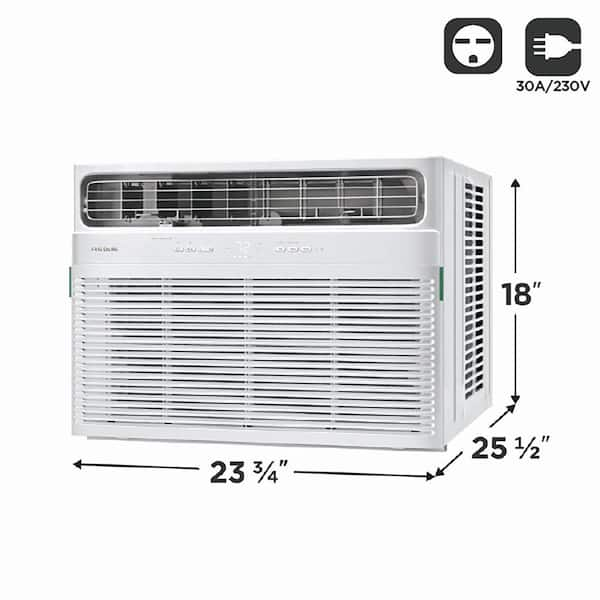
Window air conditioners use different amps based on their size. Small units, usually 5,000 to 6,000 BTU, draw about 4 to 6 amps. These work well for small rooms.
Medium units, ranging from 7,000 to 10,000 BTU, use around 7 to 10 amps. They cool medium-sized rooms efficiently.
Large units with 12,000 BTU or more can pull 10 to 15 amps. These are best for bigger spaces or hotter climates.
| Unit Size (BTU) | Typical Amperage (amps) | Best For |
|---|---|---|
| 5,000 to 6,000 | 4 – 6 | Small rooms |
| 7,000 to 10,000 | 7 – 10 | Medium rooms |
| 12,000 and above | 10 – 15 | Large rooms |
Calculating Power Needs
Check the nameplateon your window air conditioner. It shows key details like voltage, amperage, and wattage. These numbers help you figure out how much power the unit uses.
Manufacturer specs also list the ampsneeded for the unit to run. This info is usually in the user manual or product label. It gives a direct and reliable reading of power needs.
To estimate amps, divide the wattageby the voltage. For example:
| Watts (W) | Voltage (V) | Amps (A) = Watts ÷ Voltage |
|---|---|---|
| 1000 | 120 | 8.3 |
| 1500 | 120 | 12.5 |
This simple math gives a good estimate of current draw. Always check the nameplate or manual for exact numbers.
Electrical Safety Tips
Proper circuit breaker ratingsprotect your home from electrical fires. Use a breaker that matches the air conditioner’s amperage. This prevents the breaker from tripping too often or not working at all.
Avoiding overloadskeeps your wiring safe. Do not plug too many devices into one outlet. Overloading causes heat and can damage wires or start fires.
Safe wiring practicesensure long-lasting and secure connections. Use wires rated for the air conditioner’s current. Check for loose connections or damaged cords regularly.
Energy Saving Tips
Energy Star modelsuse less electricity than regular ones. They save power and lower bills. These models cool your room well without wasting energy. Check for the Energy Star label before buying.
Proper maintenancekeeps your air conditioner running smoothly. Clean or replace filters often. Clear dust from vents and coils. This helps the unit use less energy and last longer.
- Turn off the AC when not in the room.
- Set the temperature to a comfortable but not very low level.
- Use fans to help spread cool air.
- Close curtains during hot days to block sunlight.
- Avoid opening doors and windows when the AC runs.
Credit: www.homedepot.com
Frequently Asked Questions
How Many Amps Does A Typical Window Ac Use?
A typical window air conditioner uses between 5 to 15 amps. The exact amps depend on the unit’s size and cooling capacity. Smaller units use fewer amps, while larger units with higher BTU ratings consume more electricity.
What Factors Affect Window Ac Amperage Usage?
Window AC amperage depends on size, cooling power, and energy efficiency. Larger BTU units draw more amps. Energy-efficient models use less electricity. Voltage supply and usage duration also impact amperage consumption.
Can I Use A Standard Outlet For A Window Ac?
Most window air conditioners run on a standard 120-volt outlet. However, units drawing over 15 amps might require a dedicated circuit. Always check the AC’s amperage and outlet rating before plugging in.
How To Calculate The Amps My Window Ac Uses?
You can calculate amps by dividing the unit’s wattage by voltage. For example, a 1200-watt AC on 120 volts uses about 10 amps. This helps ensure your electrical system can handle the load.
Conclusion
Understanding how many amps a window air conditioner uses is important. It helps manage your electricity usage. Ensures you don’t overload circuits. Most units use between 5 to 15 amps. This depends on size and efficiency. Always check the label on your unit.
It provides essential details. Consider energy-efficient models for savings. They reduce power consumption. Make sure your home wiring supports your unit’s needs. This prevents electrical issues. Enjoy cool comfort without worry. Stay informed and save energy.