
Are you wondering how many amps your refrigerator uses? Knowing this can help you avoid blown fuses, choose the right circuit breaker, and save on your electric bill.
Whether you’re setting up a new kitchen or just curious about your appliances, understanding your fridge’s power needs is key. Keep reading to find out exactly how many amps your refrigerator draws and why it matters for your home’s safety and efficiency.
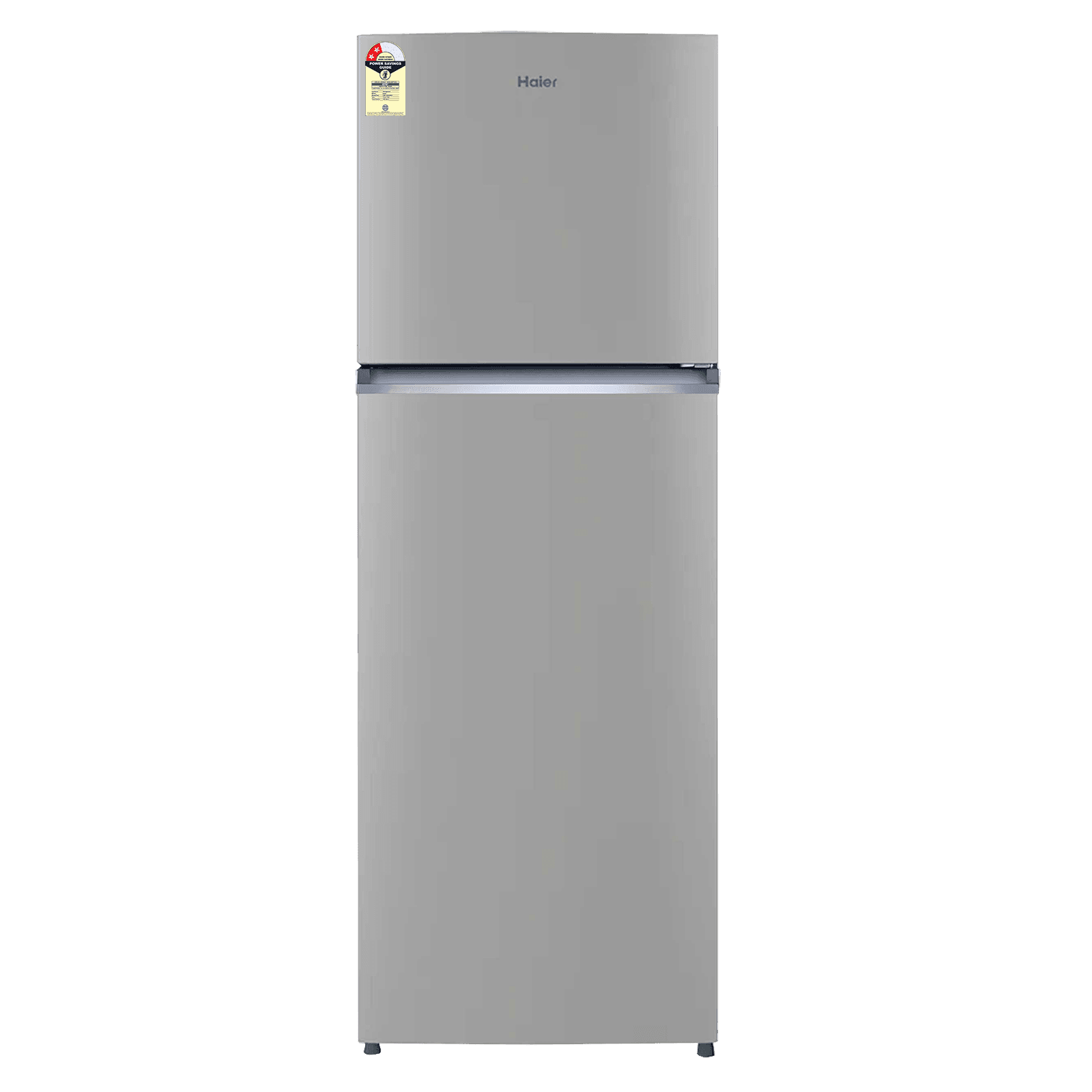
Credit: www.tataneu.com
Refrigerator Power Basics
Understanding the power needs of a refrigerator helps in choosing the right electrical setup. Refrigerators use electricity measured in amps and volts. These numbers show how much power the appliance needs to run smoothly. Knowing these basics prevents electrical issues and saves energy.
Voltage And Current Explained
Voltage is the pressure that pushes electric current through wires. It is measured in volts (V). Current is the flow of electricity and is measured in amps (A). Appliances need a certain voltage and current to work well. Most home refrigerators use 120 volts in the U.S.
The current (amps) varies depending on the fridge size and model. When the compressor starts, it draws more amps briefly. This is called the starting or surge current. After that, the fridge uses less current while running. Knowing voltage and current helps select the right circuit breaker and wiring.
Typical Refrigerator Wattage
Wattage shows how much power a refrigerator uses. It combines voltage and current into one number. The formula is simple: Watts = Volts × Amps.
Most refrigerators use between 100 and 800 watts. Small fridges use less power, around 100-250 watts. Large or commercial fridges can use up to 800 watts. Wattage affects your electric bill and power needs.
| Refrigerator Size | Typical Wattage | Typical Amps (120V) |
|---|---|---|
| Compact (Mini Fridge) | 100 – 150 W | 0.8 – 1.3 A |
| Standard Home Fridge | 200 – 400 W | 1.7 – 3.3 A |
| Large or Commercial | 500 – 800 W | 4.2 – 6.7 A |

Credit: www.jackery.com
Calculating Refrigerator Amps
Calculating the amps a refrigerator uses helps ensure proper electrical setup. Knowing the amp draw avoids tripping breakers and keeps the appliance safe. It also aids in choosing the right circuit and wiring.
Using Wattage To Find Amps
Start by checking the refrigerator’s wattage on its label. Wattage tells how much power the fridge consumes. Use this simple formula to find amps:
- Amps = Watts ÷ Volts
For example, if the fridge uses 150 watts and your supply is 120 volts:
- Amps = 150 ÷ 120 = 1.25 amps
This calculation shows the running current under normal conditions. It helps choose circuit breakers and wiring size.
Considering Starting Vs Running Amps
Refrigerators need more current to start than to run. This surge is called starting amps or inrush current. It can be 2 to 3 times higher than running amps.
To avoid breaker trips, use the starting amps value for electrical planning. The running amps show steady power use, but the starting amps show brief spikes.
Check the fridge manual or label for starting amps or locked rotor amps. If not listed, multiply running amps by 3 as an estimate.
Common Refrigerator Amps Range
Refrigerators use different amounts of electricity depending on their size and type. Knowing the common amps range helps to choose the right circuit and avoid power issues. Amps indicate how much electric current a refrigerator draws during operation. This range varies from small to commercial models.
Small Models
Small refrigerators usually draw between 1 and 2 amps. These models are common in dorm rooms or offices. They use less power because of their compact size and fewer features. Ideal for light use and limited storage.
Standard Models
Standard household refrigerators typically use 3 to 6 amps. These are full-size models found in most homes. They have more compartments and cooling elements. Their power use balances efficiency and performance.
Large And Commercial Units
Large or commercial refrigerators can draw 7 to 15 amps or more. These units have heavy-duty compressors and more cooling zones. Found in restaurants, stores, or large households. They require dedicated circuits for safe operation.
Circuit Requirements For Refrigerators
Understanding the circuit requirements for refrigerators is essential to ensure your appliance runs smoothly and safely. Refrigerators draw a certain amount of current, and the circuit must handle this without tripping frequently or causing electrical hazards. Knowing the right breaker size and the importance of dedicated circuits can save you from inconvenient power interruptions and potential damage.
Recommended Circuit Breaker Sizes
The typical refrigerator requires a circuit breaker between 15 to 20 amps. Most modern refrigerators operate efficiently on a 15-amp breaker, but larger models or those with additional features might need a 20-amp breaker. Check your refrigerator’s specification label; it usually lists the amperage or wattage needed.
Choosing the correct breaker size is not just about matching numbers—it’s about safety. A breaker that’s too small will trip frequently, causing frustration. A breaker that’s too large might not protect your wiring properly, increasing fire risk.
Dedicated Circuits Importance
Your refrigerator should always be on a dedicated circuit. Sharing a circuit with other appliances can lead to frequent breaker trips due to overloads. Think about the last time your fridge lost power during a microwave or toaster use—this happens because those devices draw extra current on a shared line.
Having a dedicated circuit protects your refrigerator’s compressor and electronics from power fluctuations. This setup helps maintain the longevity of your appliance and prevents food spoilage due to unexpected outages. If you’re unsure whether your fridge has its own circuit, it’s worth checking with an electrician to avoid future headaches.
Energy Efficiency And Amps
Understanding the relationship between energy efficiency and amps is key to managing your electricity bills and ensuring your refrigerator runs smoothly. The number of amps a refrigerator draws can vary widely depending on its energy efficiency. This affects not only your power consumption but also the overall load on your home’s electrical system.
Impact Of Energy Ratings
Energy ratings give you a clear idea of how much electricity a refrigerator uses. Appliances with higher energy ratings typically draw fewer amps, meaning they consume less power.
You might notice a fridge with a high energy star rating uses about 3 to 5 amps during normal operation, while lower-rated models can pull 7 amps or more. This difference adds up over time, impacting your utility bills significantly.
Have you checked your refrigerator’s energy label recently? It can reveal surprising details about its power draw and efficiency that directly affect your monthly costs.
Modern Refrigerators Vs Older Models
Modern refrigerators often use advanced compressors and insulation to reduce power consumption. They usually require fewer amps compared to older models that were less focused on energy efficiency.
For instance, a 20-year-old fridge might draw around 8 amps, while a new energy-efficient model of similar size may only need 3 to 4 amps. This difference can reduce your electricity usage by nearly half.
Switching to a newer model can feel like a big investment, but consider how much you’ll save in the long run on electric bills. Plus, you’ll reduce the strain on your home wiring and avoid frequent breaker trips.
Troubleshooting Power Issues
Troubleshooting power issues in refrigerators is essential to keep them running smoothly. Power problems can cause food spoilage and higher energy bills. Recognizing signs early helps prevent bigger electrical damage.
Signs Of Electrical Problems
- The refrigerator won’t start or stops suddenly.
- Lights inside the fridge flicker or go off.
- Frequent circuit breaker trips when the fridge runs.
- Unusual humming or buzzing noises from the compressor.
- The fridge runs constantly without cooling properly.
- Visible sparks or burning smells near the power cord.
When To Consult An Electrician
Call an electrician if you notice any electrical signs listed above. Avoid using the fridge if sparks or burning smells appear. Electrical problems can be dangerous and cause fires.
Electricians have tools to test your fridge’s power supply safely. They can fix wiring faults or recommend replacing damaged parts. Do not attempt to repair electrical components yourself. This keeps you and your home safe.
Tips For Safe Refrigerator Installation
Installing a refrigerator safely is essential to protect your home and ensure the appliance works well. Proper installation prevents electrical hazards and keeps your fridge running smoothly. Follow these tips to avoid common mistakes during setup.
Proper Wiring Practices
Use a dedicated circuit for your refrigerator to avoid electrical issues. Check that the wiring matches the refrigerator’s amp requirements. Use outlets that are grounded and in good condition. Avoid using extension cords or power strips, as they can cause overheating. Make sure the plug fits securely into the outlet to maintain a steady power supply.
Avoiding Overloads
Do not plug multiple high-power appliances into the same circuit as your fridge. Overloading circuits can cause tripped breakers or fire risks. Spread out your kitchen appliances across different circuits. Keep the refrigerator away from other heavy electrical devices to reduce the load. Regularly inspect your home’s electrical panel for any signs of wear or damage.

Credit: www.bodegacooler.com
Frequently Asked Questions
How Many Amps Does A Standard Refrigerator Use?
A standard refrigerator typically uses between 3 to 6 amps while running. Startup amps can be higher, around 7 to 10 amps. This varies based on size, model, and efficiency.
What Size Breaker Is Needed For A Refrigerator?
A 15-amp circuit breaker is commonly recommended for most refrigerators. This ensures safe operation without tripping during normal usage. Always check the refrigerator’s manual for exact requirements.
Can A Refrigerator Run On A 10-amp Circuit?
Most refrigerators require more than 10 amps, so a 10-amp circuit may be insufficient. Using a higher-rated circuit prevents overloads and ensures stable performance.
Why Does My Refrigerator Draw More Amps At Startup?
Refrigerators draw higher amps at startup to power the compressor motor. This surge typically lasts a few seconds before settling to normal running amps. It’s a normal electrical behavior.
Conclusion
Understanding refrigerator amps helps manage energy costs and safety. Choose the right outlet to prevent electrical issues. A standard fridge typically uses 3 to 5 amps. Larger models may require more. Always check the manufacturer’s specifications. This ensures proper functioning.
Regularly monitor your fridge’s energy use. It aids in maintaining efficiency. Also, consider energy-efficient models. They save money in the long run. Stay informed about your appliance’s needs. It leads to better performance and longevity. Proper maintenance and awareness go a long way.
Keep your refrigerator running smoothly and efficiently.