
Are you wondering how many amps your window air conditioner uses? Knowing this number is key to keeping your home safe and your electric bill in check.
If your circuit can’t handle the load, you might face tripped breakers or even electrical hazards. But don’t worry — understanding the amps your unit needs is simpler than it sounds. Keep reading, and you’ll learn exactly what to look for and how to make sure your air conditioner runs smoothly without surprises.
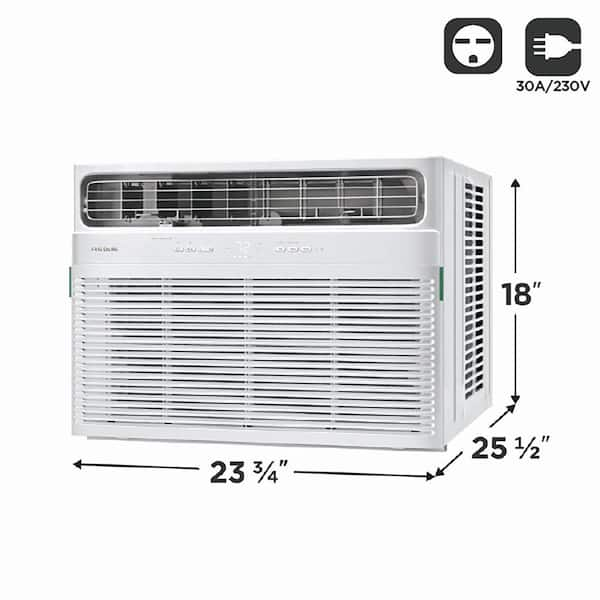
Credit: www.homedepot.com
Amp Ratings For Window Ac Units
Window air conditioners need electrical power to run. Amp rating tells you how much current the unit uses. This helps you pick the right circuit and breaker.
Knowing the amp draw keeps your home safe and avoids electrical issues. It also helps plan energy use better.
Common Amp Ranges
Window AC units usually have amps between 5 and 15. Smaller units use fewer amps, and bigger units need more.
- Small units (5,000 BTU) draw about 5 amps
- Medium units (8,000 to 10,000 BTU) draw 7 to 10 amps
- Larger units (12,000 to 15,000 BTU) draw 10 to 15 amps
The exact amp draw depends on the model and its efficiency. Always check the label on your AC unit for the correct number.
Factors Affecting Amp Draw
The amps a window AC uses can change based on many things. These factors affect how hard the unit works.
- Room size: Bigger rooms need more cooling and more amps
- Temperature setting: Lower temps make the AC work harder
- Age of the unit: Older units may use more amps
- Voltage supply: Low voltage can increase amp draw
- Maintenance: Dirty filters and coils raise amp use
Keeping your AC well maintained helps keep amp draw low. It saves energy and protects your electrical system.

Credit: www.homehardware.ca
Calculating Amps For Your Ac
Knowing how many amps your window air conditioner uses helps keep your home safe. It also prevents overloading your electrical system.
This guide explains how to calculate amps for your AC unit. It covers power and voltage, plus the start-up current.
Using Power And Voltage
Power is measured in watts, and voltage is the electrical force in volts. To find amps, you divide power by voltage.
For example, if your AC uses 1000 watts and runs on 120 volts, you divide 1000 by 120 to get amps.
- Power (Watts) ÷ Voltage (Volts) = Current (Amps)
- 1000 watts ÷ 120 volts = 8.33 amps
Considering Start-up Current
When your AC starts, it draws more current than when running. This is called start-up current or surge current.
You should add extra amps to your calculation to handle this surge and avoid tripping breakers.
- Start-up current can be 2 to 3 times the running current
- Check your AC’s manual for exact surge ratings
- Use a breaker rated for the higher start-up amps
Circuit Requirements
Knowing the circuit requirements for your window air conditioner is important. It helps ensure your unit runs safely and efficiently.
Electrical circuits must provide enough power without overloading. This guide explains the key circuit needs for window AC units.
Dedicated Circuits
Window air conditioners often need a dedicated circuit. This means the AC is the only device on that circuit.
- Prevents overloading the circuit
- Reduces the risk of tripping breakers
- Ensures stable power supply to the AC
- Improves unit performance and safety
Breaker Size Recommendations
Choosing the right breaker size is key for safety and proper operation. Breaker size depends on the AC’s amperage.
| AC Unit Size (BTU) | Recommended Breaker Size (Amps) |
| 5,000 – 8,000 | 15 |
| 8,000 – 12,000 | 20 |
| 12,000 – 18,000 | 25 |
| 18,000 and above | 30 or higher |
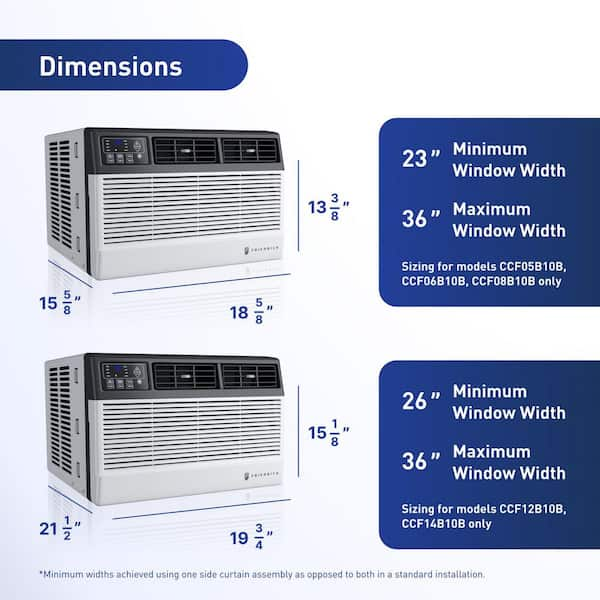
Credit: www.homedepot.com
Energy Efficiency And Amps
Window air conditioners use electricity measured in amps. The amps depend on the model and its energy efficiency. Knowing how many amps your unit uses helps with proper electrical setup.
Energy efficiency affects amps and electricity bills. Efficient models use fewer amps to cool a room. This saves money and reduces power demand.
Impact Of Seer Ratings
SEER stands for Seasonal Energy Efficiency Ratio. It shows how well an air conditioner cools using electricity. A higher SEER rating means better efficiency and lower amps.
| SEER Rating | Typical Amp Usage | Energy Use |
| 10 | 7-9 amps | Standard |
| 13 | 6-8 amps | Improved Efficiency |
| 16 | 5-7 amps | High Efficiency |
| 20+ | 4-6 amps | Very High Efficiency |
Choosing Energy Star Models
Energy Star models meet strict energy efficiency guidelines. They often use less amps than standard units. This helps lower electricity bills and reduce environmental impact.
- Use advanced compressors to save power
- Have better insulation and design
- Include smart thermostats for precise cooling
- Offer higher SEER ratings for efficiency
Safety Tips For Installation
Installing a window air conditioner requires care to keep your home safe. Knowing the right electrical needs helps avoid problems.
Always follow safety rules to prevent fires and damage. Proper installation protects your family and device.
Proper Wiring Practices
Use the correct wiring size for your air conditioner’s amps. Thin wires can cause overheating and fires.
Make sure the circuit is dedicated to the air conditioner. Sharing circuits can cause power drops and damage.
- Check the air conditioner’s amp rating on the label
- Use wires that match or exceed that amp rating
- Install a dedicated circuit breaker for the unit
- Keep wiring connections tight and secure
- Hire a licensed electrician if unsure about wiring
Avoiding Overloads
Do not plug the air conditioner into an overloaded outlet. Too many devices can cause the breaker to trip.
Check your home’s electrical panel to ensure it can handle the extra load. Overloads can cause damage or fires.
- Know the amp draw of your air conditioner
- Do not use extension cords or power strips
- Turn off other heavy devices on the same circuit
- Use a circuit with enough capacity for the air conditioner
- Replace old or faulty breakers if needed
Troubleshooting High Amp Draw
Window air conditioners usually use a certain amount of amps to run. Sometimes, the unit can draw more amps than normal. This can cause problems like tripped breakers or higher electric bills.
Knowing how to check and fix high amp draw helps keep your air conditioner safe and working well. This guide explains common causes and when you should call a professional.
Common Causes
High amp draw happens when the air conditioner works harder than it should. Some parts may be dirty, broken, or worn out. These issues make the unit use more electricity.
- Dirty air filters block airflow and strain the motor.
- Low refrigerant levels cause the compressor to run longer.
- Faulty fan motors draw extra power to keep running.
- Electrical problems like bad wiring increase current flow.
- Aging components lose efficiency and use more amps.
Cleaning filters and checking parts can often reduce the amp draw. It is good to do regular maintenance to avoid these problems.
When To Call A Professional
If you see a high amp draw that you cannot fix, call a technician. Some repairs need special tools and skills to do safely.
- If circuit breakers trip often when the AC runs.
- If you smell burning or see smoke near the unit.
- If the air conditioner does not cool well despite cleaning.
- If electrical parts look damaged or worn out.
- If you are unsure how to measure amps safely.
Professionals can test the air conditioner and fix electrical or mechanical problems. They keep you safe and protect your unit from damage.
Frequently Asked Questions
How Many Amps Does A Window Air Conditioner Use?
Most window air conditioners use between 5 to 15 amps. The exact amps depend on the unit’s size and cooling capacity. Smaller units consume fewer amps, while larger models require more power.
What Size Circuit Is Needed For A Window Ac?
A 15-amp circuit is usually sufficient for small to medium window AC units. Larger units may require a dedicated 20-amp circuit to handle the power safely without tripping breakers.
Can I Use A Standard Outlet For My Window Ac?
Standard 120V outlets can support most small window AC units. However, larger units may need a dedicated circuit with proper amperage to avoid overload and ensure safe operation.
How Do Amps Affect Window Air Conditioner Performance?
Higher amps generally mean more cooling power but increased electricity use. Ensuring your circuit can handle the amps prevents power issues and maintains efficient AC performance.
Conclusion
Choosing the right amps for your window air conditioner is crucial. It ensures safety and efficiency. First, check your air conditioner’s manual. It usually lists the required amps. Then, match it with your home’s electrical capacity. Doing this helps prevent electrical issues.
You also save energy and money in the long run. Remember, understanding these basics helps make informed decisions. Your comfort and safety depend on it. Proper knowledge can lead to a cooler, safer home. So, take the time to learn and choose wisely.