Are you wondering how many amps your window air conditioner uses? Knowing this can save you from unexpected power trips and high electricity bills.
Whether you’re installing a new unit or just curious about your energy use, understanding the amps your window AC draws is key. You’ll discover simple ways to figure out the right amperage for your air conditioner and why it matters for your home’s safety and efficiency.
Keep reading—you’ll get clear answers that help you stay cool without any electrical surprises.

Credit: www.sylvane.com
Amp Requirements For Window Ac
Window air conditioners usually require between 5 to 15 amps to run. The exact amperage depends on the unit’s size and cooling power. Checking the label on your AC helps find the right electrical needs.
Typical Amp Ratings
Window air conditioners usually need between 5 to 15 ampsto work. Small units, like 5,000 BTU, use about 5 amps. Bigger units, around 12,000 BTU, can draw up to 12-15 amps. Check the labelon your AC for exact amps. This helps to know how much power it needs and to avoid overloading your circuit.
Factors Affecting Amp Draw
- Size of the unit:Larger ACs use more amps.
- Voltage supply:115V or 230V affects current.
- Age of the unit:Older ACs may draw more power.
- Room temperature:Hotter rooms make AC work harder.
- Compressor type:Inverter compressors use less amps.
Credit: northnjhvac.com
Calculating Amps For Your Unit
To calculate the ampsfor a window air conditioner, use the formula: amps = power (watts) ÷ voltage (volts). This helps find the current the unit needs to run safely.
Check the power ratingon the air conditioner’s label or manual. It usually shows watts or BTUs. Use the correct voltage, often 120V or 240V, for your home.
Manufacturer specifications provide exact ampere ratings. Look for the “amps”or “current”listed on the product label. This is the safest way to know how many amps your unit uses.
| Item | Details |
|---|---|
| Power (Watts) | Found on unit label or manual |
| Voltage (Volts) | Usually 120V or 240V |
| Amps | Calculated by dividing watts by volts or checked on label |
Circuit Breaker And Wiring Needs
Window air conditionersneed the right circuit breaker sizeto work safely. Most units use between 5 and 15 amps. Small models often require a 15-amp breaker. Larger models may need a 20-amp breaker. The breaker protects the wiring from overheating.
Using the correct wire gaugeis important. Thicker wires carry more current without overheating. Here is a simple guide:
| Breaker Size (Amps) | Recommended Wire Gauge (AWG) |
|---|---|
| 15 | 14 AWG |
| 20 | 12 AWG |
Always check the air conditioner’s label for exact amperage. Using the right breaker and wire keeps your home safe and the unit running well.
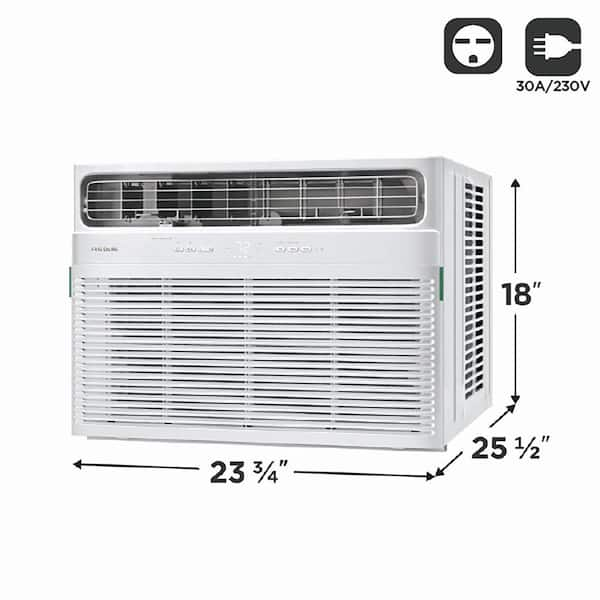
Credit: www.homedepot.com
Safety Tips For Installation
Window air conditioners need a certain amount of ampsto work safely. Avoid using too many devices on the same circuit. This prevents overloadsthat can cause fires or damage.
Check the air conditioner’s amp ratingbefore installation. Use a circuit breaker that matches the unit’s amps. Do not plug the unit into an extension cord or power strip.
- Use a dedicated circuit for the air conditioner.
- Make sure wiring is rated for the unit’s amperage.
- Install a properly sized circuit breaker.
- Keep the unit dry and away from water sources.
Professional installationensures safety and proper wiring. Experts know local electrical codes and can handle the job correctly. It reduces the risk of electrical problems.
Energy Efficiency And Amp Usage
Energy efficiency ratingslike EER or SEER affect how many amps a window air conditioner uses. Higher ratings mean the unit uses less electricityto cool the same space. This helps save money on your electric bill.
Reducing electrical consumptioncan be done by choosing units with better efficiency ratings. A more efficient air conditioner usually draws fewer amps. This reduces the load on your home’s electrical system.
- Look for units with an EER of 10 or above.
- Choose models with Energy Star certification.
- Use the right size unit for your room to avoid extra power use.
- Regular maintenance keeps the unit running efficiently.
Troubleshooting Electrical Issues
Signs of overcurrentinclude frequent tripping of circuit breakers and flickering lights. You may notice a burning smell near the outlet or the air conditioner. The unit might not cool properly or may shut off suddenly. These signs show the electrical system could be overloaded.
When to call an electricianis clear if breakers trip often or wires feel hot. Any burning smell or visible damage needs quick attention. If your air conditioner stops working without reason, professional help is needed. An electrician can check the wiring and fix problems safely.
Frequently Asked Questions
What Amps Do Window Air Conditioners Use?
Window air conditioners typically use between 5 to 15 amps. The exact amperage depends on the unit’s size and model. Smaller units use fewer amps, while larger units require more. Always check the manufacturer’s specifications for precise details.
How To Calculate The Amps For Ac Units?
To calculate amps, divide the air conditioner’s wattage by the voltage. For example, a 1000-watt unit on a 120-volt circuit uses about 8. 3 amps. This simple formula helps determine the required amperage for efficient operation.
Do Larger Window Ac Units Use More Amps?
Yes, larger window AC units typically use more amps. Bigger units have higher cooling capacities, requiring more electricity. Always verify the amperage requirements on the unit’s label or manual to ensure proper electrical support.
Can A Window Ac Overload My Circuit?
Yes, a window AC can overload a circuit if the amperage exceeds the circuit’s capacity. Ensure the circuit supports the AC’s amperage requirements. Using a dedicated circuit for your AC unit can prevent overloads and ensure safety.
Conclusion
Choosing the right amp rating keeps your window air conditioner safe and efficient. Most models use between 5 and 15 amps. Check the label on your unit to know the exact number. Using the correct circuit breaker prevents overloads and power issues.
Remember, a proper electrical setup helps your air conditioner last longer. Stay cool without worrying about electricity problems. Simple steps make a big difference in comfort and safety.