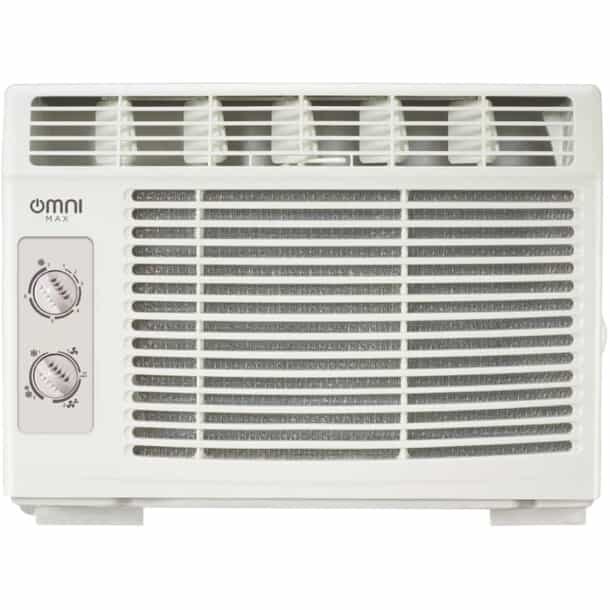
Are you wondering how many amps your window air conditioner uses? Knowing this number is important for your safety and to avoid tripping breakers.
It helps you pick the right circuit and saves you money on your electric bill. You’ll discover the simple way to find out your AC’s amperage and why it matters for your home. Keep reading to make sure your air conditioner runs smoothly without any surprises.
Amp Basics For Window Air Conditioners
An ampis a unit that measures electric current. It shows how much electricity flows through a wire. In window air conditioners, amps tell us how much power the unit uses.
Knowing the amps helps you choose the right circuit breaker and wiring. It also prevents electrical overloads and saves energy. Most window ACs use between 5 and 15 amps, but this depends on their size and power.
Lower amps mean less electricity use. Bigger units need more amps to run efficiently. Always check the amp ratingon the AC label before buying or installing.
Typical Amp Ratings For Window Acs
Window air conditioners usually use between 5 to 15 amps. Small units, like those cooling one room, often draw 5 to 7 amps. Large units, for bigger rooms, can pull 10 to 15 amps. The size of the unit affects the amps needed.
Energy efficiency affects how many amps the AC uses. More efficient models use fewer amps for the same cooling power. Look for the Energy Star labelto find efficient units. Efficient ACs save electricity and reduce your bills.
| Unit Size | Typical Amps | Energy Efficiency Effect |
|---|---|---|
| Small (5,000 – 6,000 BTU) | 5 – 7 amps | Uses less power if efficient |
| Medium (7,000 – 10,000 BTU) | 7 – 10 amps | Efficiency lowers amp draw |
| Large (12,000 – 15,000 BTU) | 10 – 15 amps | Efficiency can reduce usage |
Calculating Amps For Your Ac
Check the manufacturer labelon your window air conditioner. This label shows the amps neededto run the unit safely. It is usually found on the side or back of the AC. Reading this label gives you the exact amp rating.
If the label is hard to find or missing, use voltage and wattageto find amps. Divide the wattageby the voltageto get amps. For example, if your AC uses 600 watts and the voltage is 120 volts, the amps will be 5.
| Power (Watts) | Voltage (Volts) | Calculated Amps (Amperes) |
|---|---|---|
| 600 | 120 | 5 |
| 900 | 120 | 7.5 |
| 1500 | 240 | 6.25 |
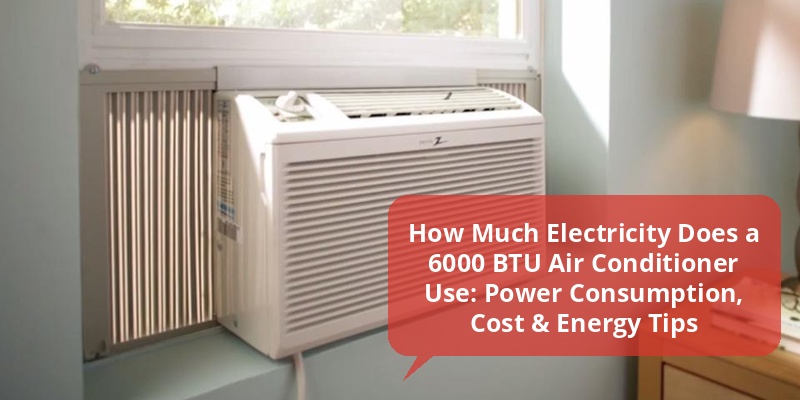
Credit: northnjhvac.com
Electrical Requirements And Safety
Window air conditionersusually need a dedicated circuit to avoid electrical problems. The circuit breakermust match the unit’s amp rating to prevent overloads. Typical window AC units draw between 5 and 15 amps, depending on size and power.
Proper wiringis essential. The wire gauge should support the current load safely. Thicker wires handle more amps and reduce fire risks.
- Use a dedicated circuitfor the air conditioner.
- Check the breaker sizerecommended by the manufacturer.
- Ensure wiring matches the ampere ratingto avoid overheating.
- Never plug the AC into an overloaded outlet or extension cord.
Following these steps helps prevent electrical hazardsand keeps your home safe.
Tips To Reduce Amp Draw
Regular cleaning of the air filter helps the unit run smoothly. A dirty filter makes the air conditioner work harder, using more amps. Check the filter every month during peak seasons.
Keep the coils clean. Dust and dirt on coils reduce cooling efficiency, causing higher amp draw. Use a soft brush or vacuum to clean coils gently.
Setting the temperature wisely saves energy. Setting the thermostat too low makes the compressor run longer, increasing amps. Aim for a comfortable but not too cold temperature, like 75°F (24°C).
Using a programmable thermostat can help maintain steady temperatures. Avoid frequent changes, as they cause the unit to use more power.

Credit: www.homehardware.ca
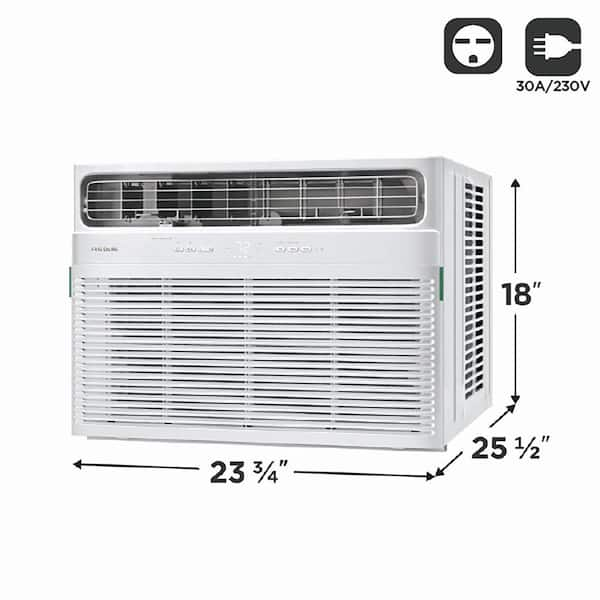
Credit: www.homedepot.com
Frequently Asked Questions
How Many Amps Does A Typical Window Air Conditioner Use?
A typical window air conditioner uses between 5 to 15 amps. The exact number depends on the unit’s size and cooling capacity. Smaller units use fewer amps, while larger units with higher BTUs require more power.
What Factors Affect Window Ac Amperage Draw?
Amperage draw varies with the unit’s cooling capacity, energy efficiency, and compressor type. Higher BTU units draw more amps. Older or less efficient models tend to use more electricity, increasing the amp draw.
Can I Plug A Window Ac Into A Regular Outlet?
Most window AC units plug into standard 115-volt outlets. However, units drawing more than 15 amps may require a dedicated circuit or a 220-volt outlet for safety and performance.
How Do Amps Relate To A Window Ac’s Power Consumption?
Amps measure current flow, indicating how much electricity the AC uses. Higher amps mean more power consumption. Knowing amps helps determine the correct circuit size and prevents electrical overloads.
Conclusion
Understanding the amps of your window air conditioner is crucial. It ensures safe and efficient operation. Knowing this helps in choosing the right electrical setup. It prevents overload and potential hazards. Always check the user manual for specific details. Consult an electrician if you are unsure.
This knowledge aids in energy savings. It also extends the lifespan of your unit. A well-maintained air conditioner works better. It keeps your home comfortable and cool. So, take the time to learn about your appliance. It makes a big difference.