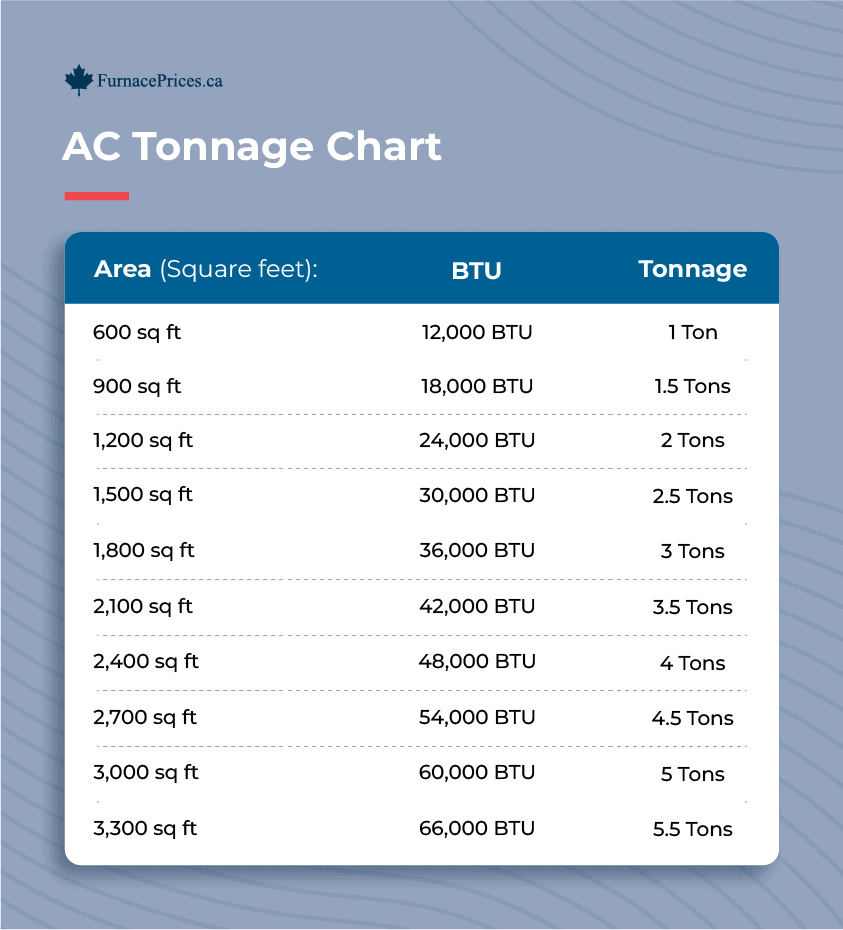
Are you wondering how many BTUs your air conditioner needs to keep your space cool and comfortable? Choosing the right size matters more than you might think.
Too small, and your AC will struggle to cool your room. Too big, and you’ll waste energy and money. You’ll discover the simple way to find the perfect BTU for your needs. By the end, you’ll feel confident making the best choice for your home or office.
Keep reading to learn exactly what to look for and why it matters to your comfort and wallet.
What Is Btu In Air Conditioners
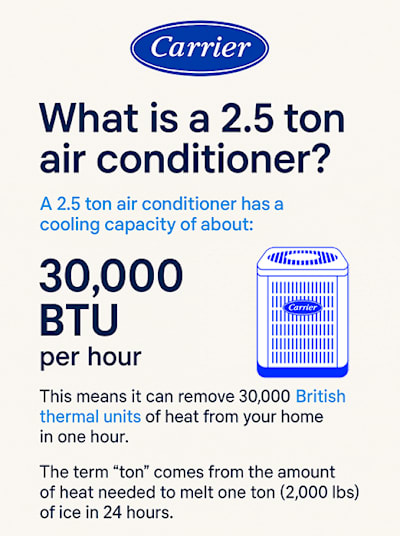
BTUstands for British Thermal Unit. It measures the energy needed to cool a space.
In air conditioners, BTU shows how much heat the unit can remove per hour. The higher the BTU, the bigger the room it can cool.
Choosing the right BTU helps keep your room comfortable and saves energy. Too low BTU means the room stays warm. Too high BTU wastes power and can make the room cold and damp.
BTU depends on room size, number of windows, and sun exposure. Other factors like ceiling height and insulation also matter.
- Small rooms need around 5,000 to 8,000 BTU
- Medium rooms need 8,000 to 12,000 BTU
- Large rooms need 12,000 BTU or more

Credit: northnjhvac.com
Factors Affecting Btu Requirements
Room size and shapedirectly affect the BTU needed. Larger rooms need more cooling power. High ceilings raise the air volume, so more BTUs are necessary. Rooms with many windows or strong sunlight require extra cooling because the sun heats the space.
The number of peoplein a room adds to the heat. More people mean more BTUs are needed to keep the room cool. Appliances like computers, ovens, and lights also produce heat, increasing the cooling demand.
Good insulationkeeps cool air inside and hot air outside. Poor insulation makes your AC work harder and need more BTUs.
| Factor | Effect on BTU Needs |
|---|---|
| Room Size | Bigger size = More BTUs |
| Ceiling Height | Taller ceiling = More BTUs |
| Sunlight Exposure | More sun = More BTUs |
| Number of Occupants | More people = More BTUs |
| Appliance Heat | More appliances = More BTUs |
| Insulation Quality | Better insulation = Fewer BTUs |
Calculating Btu For Different Rooms
Calculating the right BTUfor your air conditioner is key for comfort. The size of the room affects how much cooling power you need.
- Small rooms(up to 150 sq ft): About 5,000 to 6,000 BTUis enough.
- Medium rooms(150 to 300 sq ft): Choose units with 6,000 to 8,000 BTU.
- Large rooms(300 to 450 sq ft): You need 8,000 to 12,000 BTUfor proper cooling.
- Open floor plans: Use higher BTU, around 12,000 to 18,000, depending on space size.
Other factors can affect BTU needs, like sunlight, ceiling height, and number of people in the room. Choose the BTU size that fits the room well to save energy and stay cool.
Credit: www.furnaceprices.ca
Adjusting Btu For Special Conditions
High humidity makes the air feel hotter. Increase your AC’s BTU by about 10%. This helps remove moisture and cool better.
Rooms with lots of sun need more cooling power. Add 10-20% more BTU for spaces that get strong sunlight. This keeps the room comfortable all day.
Electronic devices produce heat. Add extra BTU if many devices run in the room. This prevents the room from getting too warm.
Frequent door openings let warm air in. Increase BTU by 10% to balance the temperature. This keeps the room cool even with doors opening often.
Btu And Energy Efficiency
Choosing the right BTU sizesaves energy and money. Too small units run longer and waste power. Too large units cool fast but cycle off quickly. This causes higher energy billsand uneven cooling.
Oversized air conditioners can cause:
- Short cycling, which wears out parts
- Increased humidity inside your home
- Higher electric bills
- Less comfort
Energy Star ratingsshow how efficient a unit is. Look for units with these ratings to save on electricity. They use less power and help the environment.
Types Of Air Conditioners And Btu Ratings
Window unitsare easy to install and fit in a window frame. They cool small to medium rooms. Their BTU ratings range from about 5,000 to 12,000 BTUs. They are budget-friendly and good for quick cooling.
Portable unitscan be moved from room to room. They usually have BTU ratings between 8,000 and 14,000. These units need space near a window for venting hot air out. They are flexible but a bit noisy.
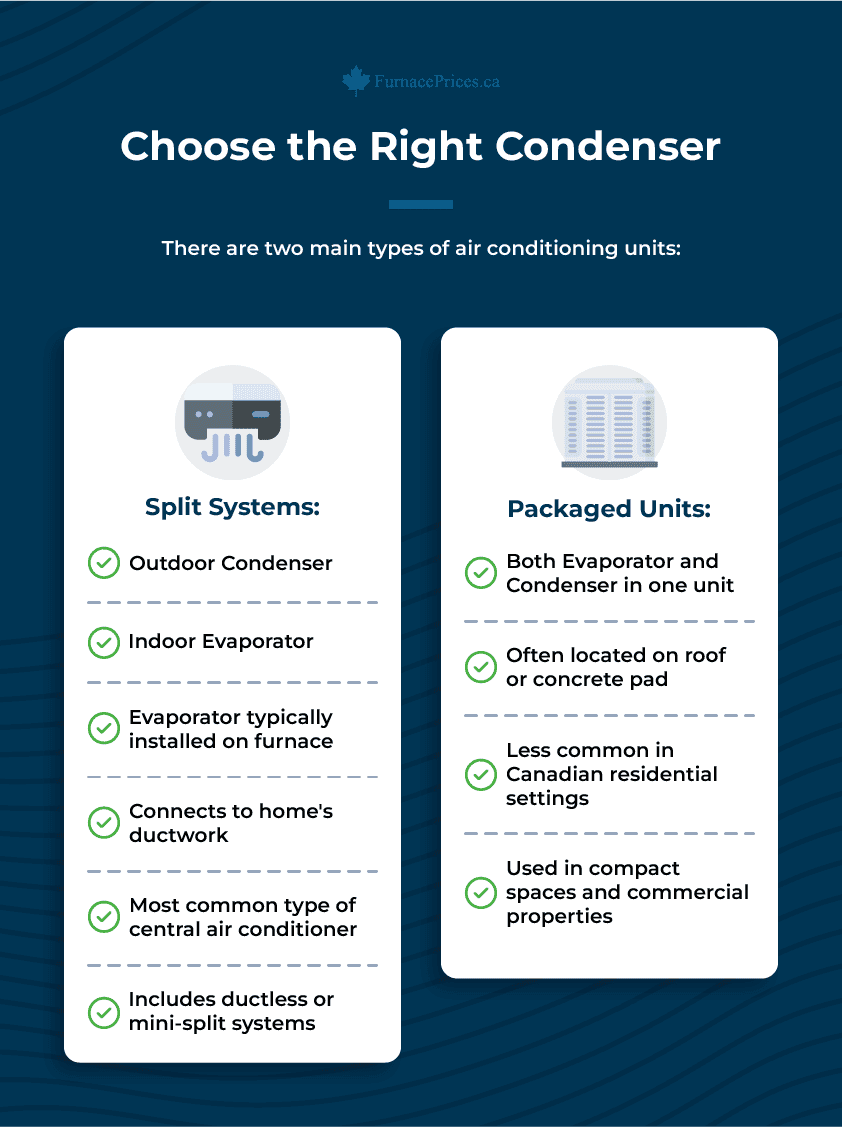
Split systemshave two parts: one inside and one outside. They cool medium to large rooms quietly. Their BTU ratings vary widely, from 9,000 to 36,000 BTUs. They are efficient and offer better air distribution.
Central air conditioningcools the whole house. It uses a large outdoor unit and ducts inside the home. BTU ratings start around 24,000and can go much higher. This system is costly but very effective for large spaces.
Common Mistakes In Btu Selection
Many people underestimate the heata room produces. Sunlight, appliances, and people add to the heat. This makes a small AC unit work too hard.
Ignoring insulationalso causes problems. Poor insulation lets heat in and cool air out. This means your AC must be stronger to keep the room cool.
- Buying oversized unitswastes money and energy. Too big units cool too fast but don’t remove moisture well.
- They also cause the AC to turn on and off often, which can damage it.
Neglecting maintenancereduces an AC’s power. Dirty filters and coils block airflow. This makes the AC use more energy and cool less.
Tools And Resources For Btu Calculation
Many online BTU calculatorshelp estimate cooling needs quickly. Enter room size, ceiling height, and sun exposure to get a BTU value. These tools are free and easy to use.
Professional assessmentoffers the most accurate results. Experts consider factors like insulation, windows, and local climate. They measure your space and provide tailored advice.
Manufacturer guidesprovide BTU charts for different room sizes. These charts show recommended BTU based on square footage. Always check the guide before buying an air conditioner.
Credit: www.carrier.com
Frequently Asked Questions
What Is Btu In Air Conditioners?
BTU stands for British Thermal Unit. It measures the cooling capacity of an air conditioner. The higher the BTU, the more cooling power the unit has. Choosing the correct BTU is essential for efficient cooling and energy savings.
How Do I Calculate Btu For My Room?
To calculate BTU, measure your room’s square footage. Multiply the square footage by 20 BTUs. This gives an estimate of the needed cooling capacity. Consider factors like ceiling height and sun exposure for accuracy.
Does A Higher Btu Cool Better?
Yes, a higher BTU can cool larger spaces effectively. However, too high a BTU for a small room can waste energy. It’s important to match the BTU to your room size for optimal performance and energy efficiency.
What Happens If Btu Is Too Low?
If the BTU is too low, the air conditioner will struggle to cool the room. It may run continuously, leading to higher energy bills. An undersized unit can also wear out faster, resulting in reduced lifespan and efficiency.
Conclusion
Choosing the right BTU for your air conditioner matters a lot. Too small, and the room stays warm and uncomfortable. Too big, and you waste energy and money. Think about room size, ceiling height, and sunlight. These affect how much cooling you need.
A well-sized AC keeps your space cool and saves energy. Take time to measure and plan before buying. This way, you get comfort and lower bills. Simple steps lead to better cooling all summer long.