Choosing the right air conditioner for your 1000 sq ft space can feel tricky. You want something powerful enough to keep your room cool but not so big that it wastes energy and drives up your bills.
So, how many BTUs does your air conditioner really need? Getting this right means you stay comfortable without overspending. You’ll discover exactly what BTU size fits your space perfectly and why it matters for your comfort and savings. Keep reading to make a smart choice that works for you.
Calculating Btu For 1000 Sq Ft
Choosing the right air conditioner size matters for comfort and energy use. BTU measures the cooling power needed to cool a space.
This guide explains how to calculate BTU for a 1000 square foot area. It covers basic BTU needs and factors that change those needs.
Basic Btu Requirements
For a 1000 sq ft room, the general BTU rule is about 20 BTU per square foot. This means you need around 20,000 BTU to cool this space.
| Room Size (sq ft) | BTU Needed |
| 1000 | 20,000 |
| 800 | 16,000 |
| 1200 | 24,000 |
Factors Affecting Btu Needs
Several factors can increase or decrease the BTU needed for your space. These include sunlight, ceiling height, and number of occupants.
- Sunlight: Rooms with large windows or strong sun need more BTU.
- Ceiling Height: Higher ceilings require more cooling power.
- Occupants: More people generate more heat, raising BTU needs.
- Appliances: Heat from electronics and kitchen devices adds to cooling load.
Credit: www.bestbuy.com
Room Characteristics Impact
Choosing the right BTU for a 1000 sq ft air conditioner depends on room features. These features affect how much cooling power you need.
Understanding ceiling height, sunlight, insulation, and windows helps pick the correct BTU. Let’s look at these factors closely.
Ceiling Height Considerations
Taller ceilings increase the air volume in a room. More air means your AC must work harder to cool the space.
Standard BTU calculations assume an 8-foot ceiling. For ceilings above 8 feet, you need extra cooling power.
- 8-foot ceiling: Base BTU calculation
- 9-foot ceiling: Add 10% more BTU
- 10-foot ceiling: Add 20% more BTU
- Above 10 feet: Add 25% or more BTU
Sunlight Exposure Effects
Rooms with strong sunlight get warmer faster. South and west-facing rooms usually need more cooling power.
| Sunlight Level | BTU Adjustment |
|---|---|
| Low (shaded rooms) | Use base BTU |
| Moderate (morning sun) | Add 10% BTU |
| High (afternoon sun) | Add 20% BTU |
Insulation And Windows
Good insulation keeps cool air inside and hot air outside. Poor insulation forces your AC to work harder.
- Well insulated walls reduce cooling needs
- Double-pane windows help keep heat out
- Single-pane or old windows increase cooling load
- Window coverings can block sunlight and heat
Types Of Air Conditioners
Choosing the right air conditioner for a 1000 sq ft space depends on the type of unit. Each type has unique features and cooling power. Knowing these helps you pick the best fit for your needs.
This guide covers three common types: window units, split systems, and portable air conditioners. Understanding each type’s benefits will make your choice easier.
Window Units
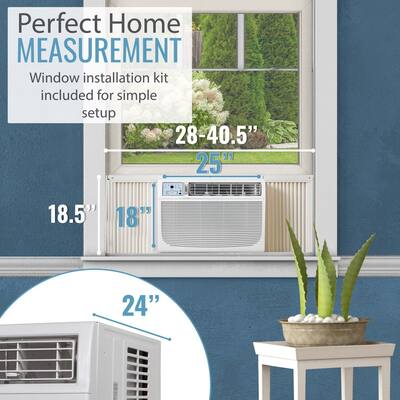
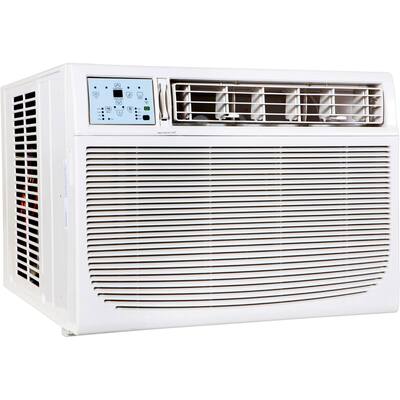
Window air conditioners install in a window or a hole in the wall. They cool one room at a time and are easy to set up. These units are cost-effective for small to medium spaces.
- Compact and space-saving
- Good for single rooms
- Simple controls and settings
- Require a window for installation
Split Systems
Split systems have two parts: an indoor unit and an outdoor compressor. They cool larger areas evenly and quietly. These systems are more expensive but offer better performance.
| Feature | Window Unit | Split System |
| Installation | Window or wall | Indoor and outdoor units |
| Cooling Area | Single room | Multiple rooms |
| Noise Level | Moderate | Low |
| Cost | Lower | Higher |
Portable Air Conditioners
Portable air conditioners move from room to room. They need a vent hose to remove hot air through a window. These units are flexible but can be noisy and less efficient.
- Easy to move and store
- No permanent installation needed
- Needs venting through a window
- Usually noisier than other types
Credit: www.bestbuy.com
Energy Efficiency And Btu
Choosing the right air conditioner size is important for energy savings. BTU measures how much cooling power you need.
A 1000 sq ft space needs the right BTU to stay cool without wasting energy.
Seer Ratings Explained
SEER stands for Seasonal Energy Efficiency Ratio. It shows how well an air conditioner uses electricity.
A higher SEER means the unit cools more while using less power. This saves money on energy bills.
- SEER 13 is the minimum standard in many places
- SEER 16 or higher units use less electricity
- Higher SEER units cost more but save energy
Balancing Power And Efficiency
For 1000 sq ft, a 12,000 to 14,000 BTU air conditioner usually works well. It balances cooling power and energy use.
Picking a unit with a good SEER rating helps keep electricity use low. This reduces your monthly costs.
| Room Size (sq ft) | BTU Needed | Recommended SEER |
|---|---|---|
| 1000 | 12,000 – 14,000 | 14 – 16 |
Additional Cooling Tips
Choosing the right BTU air conditioner is important for a 1000 sq ft space. You can also use other ways to keep the room cool. Small changes help the air conditioner work better.
These tips help save energy and keep your home comfortable during hot days.
Using Fans To Enhance Cooling
Fans help spread cool air from the air conditioner. They make the room feel cooler without using extra energy.
Ceiling fans and portable fans both work well. Use fans along with your air conditioner to cool the space faster.
- Set ceiling fans to rotate counterclockwise in summer
- Place portable fans near air vents to move cool air
- Turn fans off when no one is in the room to save energy
Maintaining Your Air Conditioner
Regular maintenance keeps your air conditioner working well. Clean or replace filters every month during heavy use.
Check the outdoor unit for dirt, leaves, or debris. Clear the area around it to help air flow better.
- Clean or change filters monthly
- Keep outdoor unit free from obstructions
- Inspect coils and fins for dirt and clean gently
- Schedule professional checkups once a year

Credit: www.geappliancesairandwater.com
Frequently Asked Questions
What Size Air Conditioner For 1000 Sq Ft?
For a 1000 sq ft area, a 20,000 BTU air conditioner is ideal. This size efficiently cools the space while maintaining energy efficiency. Always consider factors like ceiling height and insulation for accurate sizing.
How To Calculate Btu For My Space?
To calculate BTU, multiply the square footage by 20. For instance, 1000 sq ft x 20 equals 20,000 BTU. Adjust for factors like sunlight, room use, and insulation to ensure accuracy.
Is A 20,000 Btu Air Conditioner Energy Efficient?
Yes, a 20,000 BTU air conditioner is energy efficient for 1000 sq ft. It cools effectively without overworking, saving energy. Ensure the unit has a good Energy Efficiency Ratio (EER) for better performance.
What Affects Air Conditioner Efficiency?
Several factors affect efficiency, including insulation, ceiling height, and sunlight exposure. Good insulation and shading improve efficiency. Regular maintenance also ensures optimal performance and prolongs the unit’s lifespan.
Conclusion
Choosing the right BTU for a 1000 sq ft space matters a lot. Too little cooling leaves rooms warm and uncomfortable. Too much wastes energy and raises bills. A unit around 18,000 BTU usually fits well. Think about room height, sunlight, and insulation too.
These affect how hard your air conditioner works. Picking the right size keeps your home cool and saves money. It also helps the unit last longer. A smart choice means comfort and efficiency all year. Simple but important.