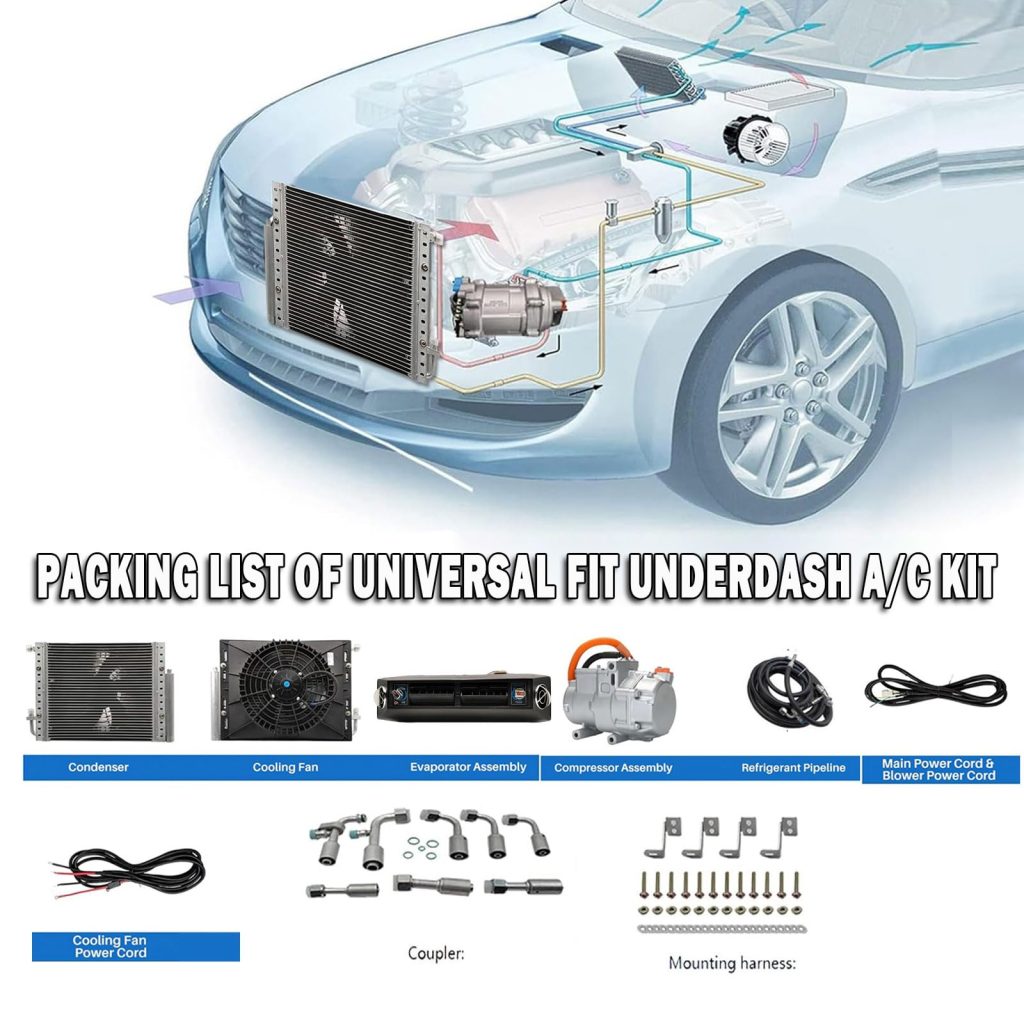
Are you wondering how many BTUs your car air conditioner needs to keep you cool and comfortable? Choosing the right cooling power is key to beating the heat without wasting energy or money.
You’ll discover exactly what BTU means for your car’s AC and how to find the perfect match for your ride. Keep reading to make sure your drive stays refreshingly cool, no matter the temperature outside.
What Is Btu In Car Ac
BTU stands for British Thermal Unit. It measures how much heat an air conditioner can remove. This helps you know the cooling power of a car AC.
Understanding BTU helps you pick the right air conditioner size. A correct BTU number keeps your car cool without wasting energy.
Meaning Of Btu In Car Air Conditioners
BTU shows the amount of heat energy the car AC removes in one hour. Higher BTU means stronger cooling. Lower BTU means less cooling power.
How Btu Affects Car Ac Performance
The BTU rating affects how fast the car cools down. Too low BTU cannot cool well in hot weather. Too high BTU wastes energy and may cause moisture problems.
- High BTU cools faster but uses more power
- Low BTU saves energy but cools slower
- Right BTU keeps temperature steady and comfortable
Common Btu Ratings For Car Air Conditioners
| Car Size | Recommended BTU |
| Small Cars | 5,000 – 8,000 BTU |
| Mid-size Cars | 8,000 – 12,000 BTU |
| Large Cars or SUVs | 12,000 – 18,000 BTU |
Why Btu Is Important For Your Car Ac Choice
Choosing the right BTU helps your car AC work well. It saves fuel and keeps the cabin comfortable. Knowing BTU lets you avoid problems like poor cooling or high energy use.
Note:Always check your car manual for recommended BTU before buying a new AC system.

Credit: www.ebay.com
Factors Affecting Btu Needs
Choosing the right BTU for your car air conditioner depends on several key factors. These factors help determine how much cooling power you need.
Understanding these factors can improve comfort and efficiency during hot weather drives.
Car Size And Interior Volume
The size of your car and the volume of its interior space are important for BTU calculation. Larger cars need more cooling power to lower the temperature effectively.
- Compact cars require less BTU
- SUVs and vans need higher BTU ratings
- More interior volume means more cooling needed
Climate And Temperature
Where you live affects the BTU requirements. Hotter climates demand air conditioners with higher BTU to keep the car cool.
| Climate Type | Recommended BTU Range |
| Cool or Mild | 5,000 – 8,000 BTU |
| Warm | 8,000 – 12,000 BTU |
| Hot or Desert | 12,000 – 15,000 BTU |
Insulation And Window Tinting
Good insulation and window tinting reduce heat entering the car. This lowers the BTU needed for cooling.
Benefits of insulation and window tinting:
- Blocks sunlight and UV rays
- Maintains cooler interior temperatures
- Reduces strain on the AC system
Passenger Load And Usage
More passengers produce more body heat. This increases the cooling load and BTU requirement.
- One or two passengers: lower BTU needed
- Full car with five or more passengers: higher BTU needed
- Frequent stops and engine off: consider extra cooling power
Calculating Btu Requirements
Car air conditioners use BTU to measure cooling power. Knowing how many BTUs your car needs helps keep it cool. This guide explains how to calculate BTU requirements.
Understanding BTU helps you pick the right air conditioner for your car. Too little power won’t cool well. Too much wastes energy.
Basic Btu Estimation Methods
BTU needs depend on car size and outside temperature. You can estimate BTU by measuring your car’s interior volume. Multiply length, width, and height in feet to get cubic feet. Then multiply by a BTU factor.
- Calculate interior volume in cubic feet.
- Multiply volume by 25 to 30 BTUs for average cooling.
- Adjust for higher outside heat or sun exposure.
Using Online Btu Calculators
Online BTU calculators simplify the process. You enter car size, climate, and other details. The calculator shows the BTU needed for your car air conditioner.
Here is a simple table showing sample BTU needs by car size:
| Car Size | Approximate BTU |
|---|---|
| Compact | 5,000 – 6,000 |
| Midsize | 6,000 – 8,000 |
| Large | 8,000 – 10,000 |
Professional Assessment Tips
Experts check more than size. They consider insulation, window tint, and climate. Professionals also measure airflow and cooling efficiency.
- Inspect car insulation and window condition.
- Measure airflow inside the cabin.
- Test cooling system performance.
- Adjust BTU estimate based on findings.
Common Btu Ratings For Cars
BTU stands for British Thermal Unit. It measures how much heat an air conditioner can remove. Knowing BTU ratings helps you choose the right car air conditioner size.
Different types of vehicles need different BTU levels. This depends on size and how much space needs cooling. Let’s look at common BTU ratings for various cars.
Compact Cars
Compact cars are smaller and need less cooling power. Their air conditioners usually range from 5,000 to 7,000 BTU. This amount keeps the cabin cool without using too much energy.
- Small hatchbacks
- Two-door coupes
- Subcompact sedans
Sedans And Suvs
Sedans and SUVs are larger than compact cars. Their air conditioners often have BTU ratings between 7,000 and 12,000. This range cools the bigger space inside these vehicles well.
| Vehicle Type | Typical BTU Range |
| Mid-size Sedans | 7,000 – 9,000 BTU |
| Full-size Sedans | 9,000 – 11,000 BTU |
| Compact SUVs | 8,000 – 10,000 BTU |
| Full-size SUVs | 10,000 – 12,000 BTU |
Trucks And Larger Vehicles
Trucks and large vehicles need strong air conditioners. Their BTU ratings can range from 12,000 to over 15,000. This power cools big cabins and heavy-duty interiors fast.
- Pickup trucks: 12,000 – 14,000 BTU
- Full-size vans: 14,000 – 16,000 BTU
- Large SUVs: 13,000 – 15,000 BTU
Impact Of Insufficient Or Excessive Btu
Choosing the right BTU for your car air conditioner is very important. BTU means the cooling power of the AC. Too little or too much BTU causes problems.
If the BTU is too low, the car stays warm and uncomfortable. If it is too high, the system wastes energy and wears out faster.
Cooling Efficiency Problems
An AC with low BTU cannot cool the car well. It runs all the time but the inside stays hot. This lowers comfort.
An AC with too high BTU cools too fast and then stops. This causes uneven cooling and humidity problems inside the car.
Energy Consumption And Costs
When BTU is too low, the AC works harder and longer. This uses more fuel or battery power. Energy costs rise.
Too high BTU means the AC cycles on and off often. This wastes energy and raises your fuel or electricity bills.
- Low BTU: longer running time, more energy use
- High BTU: short cycles, energy waste
- Both lead to higher costs
Wear And Tear On Ac Components
Low BTU makes the compressor run nonstop. This causes parts to wear out quickly and may lead to AC failure.
High BTU causes the compressor to start and stop often. This frequent cycling strains the system and shortens its life.
- Continuous running wears out parts faster
- Frequent cycling stresses the compressor
- Both reduce the AC’s lifespan

Credit: us.amazon.com
Upgrading Your Car Ac System
Car air conditioners use BTU to measure cooling power. Upgrading your AC can improve comfort on hot days. It helps if your current system feels weak or slow.
This guide explains when to upgrade, how to pick the right unit, and tips for installation and care. Knowing these points can save time and money.
Signs You Need More Cooling Power
If your car AC does not cool well, it may need more BTU capacity. Hot air inside the car is a clear sign. Also, if the AC takes too long to cool, it may be underpowered.
- Warm air blowing from vents
- Long wait to cool the car
- AC stops working on very hot days
- High humidity inside the vehicle
Choosing The Right Ac Unit
Pick an AC unit with enough BTU for your car size. Small cars need less power, while bigger cars need more. Check the unit’s BTU rating to match your needs.
Consider energy efficiency and reliability. Some units use less power but cool well. Look for brands with good reviews and warranty options.
- Match BTU rating to car size
- Choose energy-efficient models
- Check warranty and customer reviews
Installation And Maintenance Tips
Install the AC unit properly to avoid leaks and poor cooling. Use a professional if unsure. Good installation keeps the system running longer.
Regular maintenance keeps your AC working well. Clean filters and check refrigerant levels. Fix small problems early to prevent bigger damage.
- Hire a professional for installation
- Clean or replace filters often
- Check refrigerant and fix leaks
- Schedule regular AC inspections
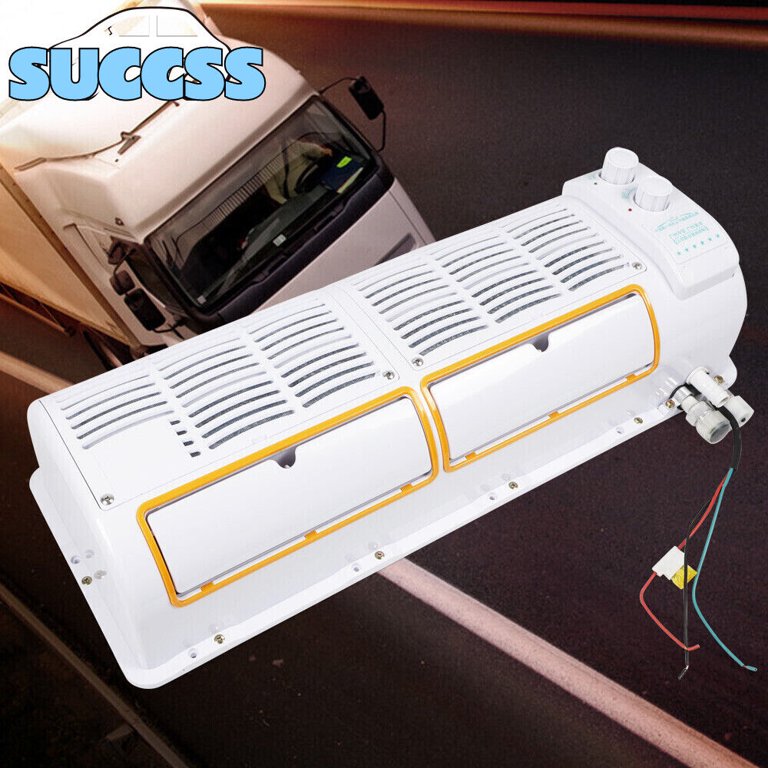
Enhancing Cooling Without Changing Btu
Car air conditioners have a fixed BTU rating. This number shows how much heat they can remove. You can make your car feel cooler without changing the BTU.
Using simple tricks helps the AC work better. This guide shares easy ways to improve cooling inside your car.
Improving Airflow Inside The Car
Good airflow helps the AC cool the car faster. Make sure vents are open and not blocked. Use the fan settings to move air well.
Remove items that block air vents. Open windows briefly to let hot air out before using AC. This clears warm air and cools the space faster.
- Keep vents clean and open
- Use fan settings for better air movement
- Clear objects blocking airflow
- Open windows to remove hot air before cooling
Using Reflective Window Films
Reflective window films reduce heat from sunlight. They block UV rays and lower the car’s inside temperature. This helps the AC cool more easily.
Choose films that reflect heat but still let light in. These films keep your car cooler without changing the AC’s power.
- Blocks harmful UV rays
- Reduces heat entering the car
- Improves AC cooling efficiency
- Maintains natural light inside
Regular Ac System Maintenance
Keeping your AC system clean and checked helps it work well. Change or clean air filters often. Dirty filters reduce airflow and cooling.
Check refrigerant levels and fix leaks quickly. Have a technician inspect the system yearly to keep it in good shape.
- Clean or replace air filters regularly
- Check refrigerant levels
- Fix leaks promptly
- Schedule yearly professional checkups
Credit: www.walmart.com
Frequently Asked Questions
What Is The Standard Btu For Car Ac?
The standard BTU for a car air conditioner ranges from 12,000 to 18,000. This range ensures efficient cooling in most vehicles. The exact BTU depends on the car’s size and design. Larger vehicles may require more BTUs for optimal cooling performance.
How Do Btus Affect Car Ac Efficiency?
BTUs determine the cooling capacity of your car’s air conditioner. Higher BTUs mean better cooling in larger spaces. However, too many BTUs can waste energy. It’s essential to match the BTU rating to your car’s size for maximum efficiency and comfort.
Can I Increase My Car Ac’s Btu?
Increasing your car AC’s BTU is not usually possible. Car air conditioners are designed with a fixed BTU rating. It’s determined by the manufacturer to best suit the vehicle’s requirements. If cooling is insufficient, consider servicing or upgrading the AC system.
How To Calculate Needed Btus For A Car?
To calculate the needed BTUs, consider your car’s size and climate. A general rule is 20 BTUs per cubic foot of space. For precise calculations, consult your car’s manual or a professional. They can provide recommendations based on specific vehicle and climate conditions.
Conclusion
Choosing the right BTU for your car air conditioner matters a lot. Too low, and cooling feels weak. Too high, and you waste energy. Consider your car size and climate to decide. Proper BTU helps keep you cool and saves fuel.
Now you know how to pick the right cooling power. Enjoy a comfortable drive, no matter the heat outside. Simple, smart choices make your car cooler and your ride better.