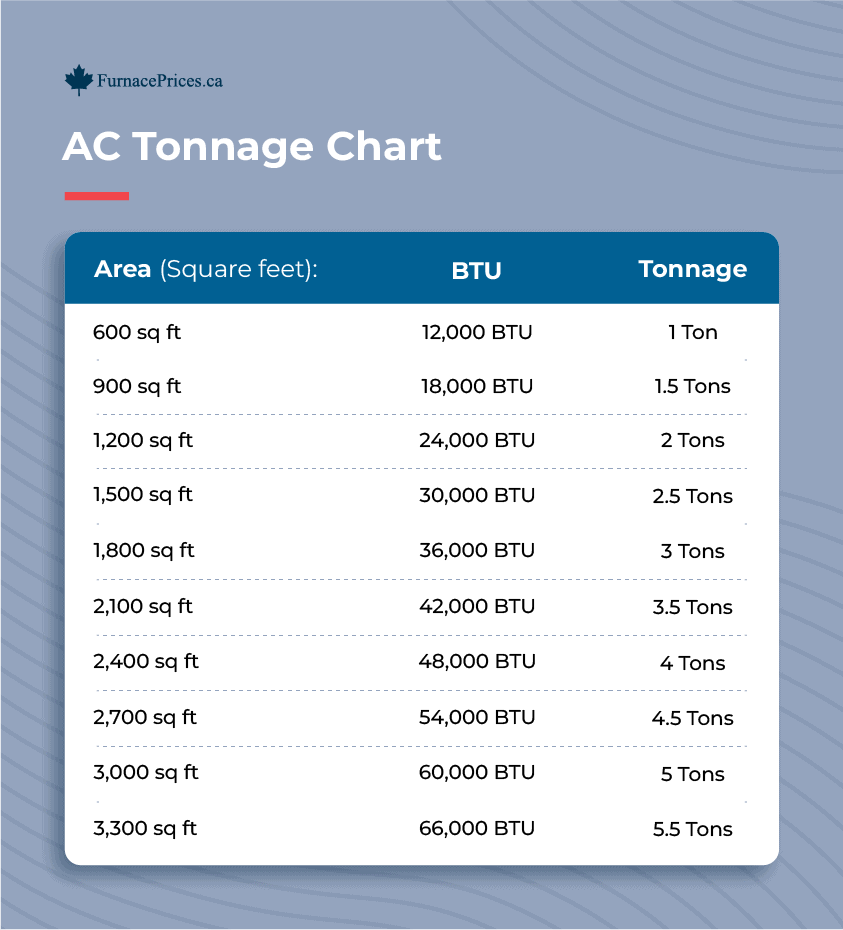
Are you sweating over how to cool your home efficiently? Choosing the right air conditioner is crucial, and understanding BTUs per square foot is the key to making the best choice.
Imagine saving money while staying cool and comfortable all summer long. Sounds appealing, right? In this guide, you’ll discover exactly how many BTUs per square foot you need to ensure your space is perfectly chilled without wasting energy. Stay with us as we break down the numbers and show you how to make an informed decision that benefits both your comfort and your wallet.
Let’s dive into the details, so you can enjoy a cooler, more cost-effective home.

Credit: thefurnaceoutlet.com
Btu Basics
BTU stands for British Thermal Unit. It measures energy needed to heat or cool one pound of water by one degree Fahrenheit. In air conditioning, BTU shows how much cooling power a unit has.
Knowing BTU helps choose the right air conditioner. Too small a unit will not cool well. Too large will waste energy and money.
What Is Btu?
BTU is a unit of energy used in heating and cooling systems. It tells how much heat an air conditioner can remove from a room per hour.
- 1 BTU cools or heats one pound of water by 1°F
- Air conditioners have BTU ratings to show cooling power
- Higher BTU means more cooling capacity
- BTU helps match air conditioners to room size
Why Btu Matters For Ac
Choosing the right BTU rating matters for comfort and efficiency. The size of the room affects how many BTUs you need.
| Room Size (sq ft) | Recommended BTU |
| 100 – 300 | 5,000 – 7,000 |
| 300 – 500 | 8,000 – 12,000 |
| 500 – 800 | 12,000 – 18,000 |
| 800 – 1,200 | 18,000 – 24,000 |
Calculating Btu Per Square Foot
BTU stands for British Thermal Unit. It measures how much heat an air conditioner can remove from a room. Calculating BTU per square foot helps you pick the right size AC.
Choosing the right BTU ensures your room stays cool without wasting energy. Too small or too large units cause problems. Let’s look at how to calculate BTU needs.
Standard Btu Recommendations
Most rooms need about 20 BTUs for each square foot of space. This is a simple guide to get started with your calculations.
| Room Size (sq ft) | Recommended BTU |
| 100 | 2,000 |
| 200 | 4,000 |
| 300 | 6,000 |
| 400 | 8,000 |
| 500 | 10,000 |
Factors Affecting Btu Needs
Some things can change how many BTUs your room needs. You should consider these before buying an air conditioner.
- Room height: Taller rooms need more cooling power.
- Sunlight: Rooms with many windows or direct sun need extra BTUs.
- Number of people: More people generate more heat.
- Appliances: Devices like computers and ovens add heat.
- Insulation: Poor insulation causes heat to enter more easily.
Room Size And Cooling Needs
Choosing the right air conditioner size depends on the room size. A unit that is too small will not cool well. A unit that is too big will waste energy.
BTU (British Thermal Unit) measures cooling power. This guide helps find how many BTUs per square foot you need.
Small Rooms
Small rooms are usually less than 150 square feet. These rooms need less cooling power.
- Use an air conditioner with 5,000 to 6,000 BTUs
- Good for bedrooms and small offices
- Efficient for quick cooling
Medium Rooms
Medium rooms range from 150 to 300 square feet. They need a stronger air conditioner.
| Room Size (sq ft) | BTU Range |
| 150 – 200 | 6,000 – 8,000 BTUs |
| 200 – 250 | 8,000 – 10,000 BTUs |
| 250 – 300 | 10,000 – 12,000 BTUs |
Large Rooms
Large rooms are more than 300 square feet. They need powerful air conditioners to cool well.
For large rooms, consider these points:
- Choose units with 12,000 BTUs or more
- Check if the room has many windows or sunlight
- Use multiple units for very large spaces
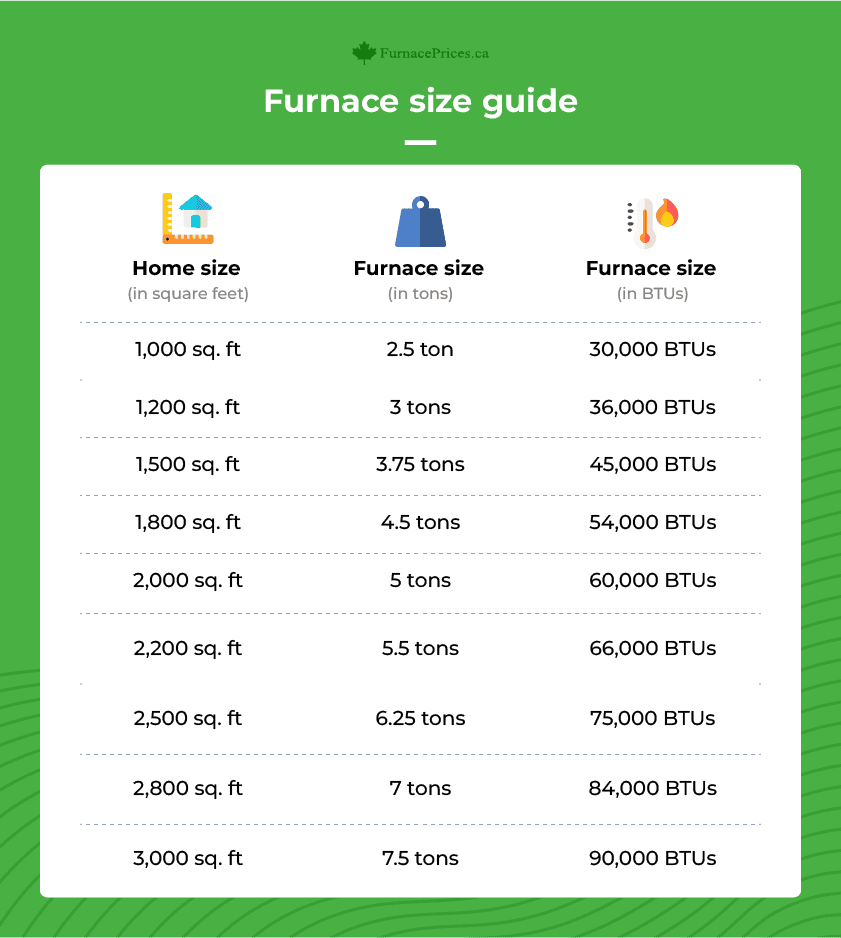
Credit: www.furnaceprices.ca
Additional Influences On Btu
BTU per square foot is a basic way to size air conditioners. Many other factors change the BTU needed for a room.
Understanding these factors helps pick the right air conditioner size. This keeps your space comfortable and saves energy.
Ceiling Height
Taller ceilings mean more air volume to cool. A room with a high ceiling needs more BTU than one with a low ceiling.
Standard BTU calculations assume an 8-foot ceiling. Add extra BTU for higher ceilings to keep the room cool.
Sunlight Exposure
Rooms with many windows get more heat from the sun. South and west-facing rooms often need more cooling power.
- Large windows increase heat gain
- Shaded windows reduce cooling needs
- Window type and glass affect heat entry
Insulation Quality
Good insulation keeps cool air inside and heat outside. Poor insulation makes the air conditioner work harder.
Rooms with weak insulation need more BTU to stay cool. Check walls, ceilings, and floors for insulation quality.
Occupancy And Appliances
More people in a room create extra heat. Appliances like computers and ovens also add heat to the space.
- Each person adds about 400 BTU
- Electronic devices produce heat during use
- Kitchen areas need higher BTU for cooking heat
Choosing The Right Air Conditioner
Selecting the right air conditioner helps keep your home cool and comfortable. The size and type of AC unit affect energy use and cooling power.
Understanding BTU per square foot is key to choosing an efficient air conditioner. This guide explains types of AC units and matching BTU to room size.
Types Of Ac Units
There are several types of air conditioners for different needs and spaces. Each type has unique features and cooling methods.
- Window Units:Compact and easy to install in windows. Best for single rooms.
- Split Systems:Two-part units with an outdoor compressor and indoor air handler. Quiet and efficient.
- Portable ACs:Movable units that vent through a window. Flexible but less efficient.
- Central Air Conditioning:Cools the entire house through ducts. Best for large homes.
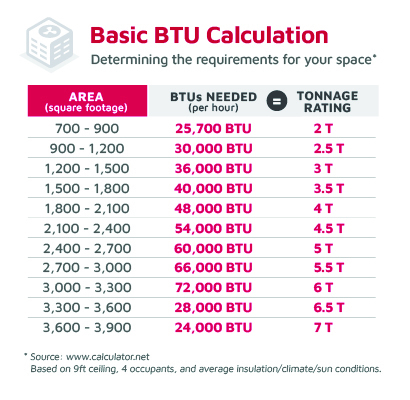
Matching Btu To Ac Size
BTU stands for British Thermal Unit. It measures cooling power. You need the right BTU for your room size to cool efficiently.
| Room Size (sq ft) | Recommended BTU |
|---|---|
| 100 – 300 | 5,000 – 6,000 |
| 300 – 500 | 7,000 – 8,000 |
| 500 – 700 | 9,000 – 10,000 |
| 700 – 1,000 | 12,000 – 14,000 |
| 1,000 – 1,200 | 15,000 – 18,000 |
Choosing an AC with too low BTU won’t cool the room well. Too high BTU wastes energy and causes temperature swings.
Credit: www.lennox.com
Common Btu Mistakes To Avoid
Choosing the right BTU per square foot for your air conditioner is important. Many people make mistakes that cause discomfort or higher costs.
This guide explains two common errors: oversizing and undersizing your air conditioner.
Oversizing Issues
Buying an air conditioner with too many BTUs cools the room too fast. This can make the room feel damp and uncomfortable.
Oversized units turn on and off often. This wastes energy and wears out the system faster.
- Short cooling cycles increase energy bills
- High humidity can cause mold and mildew
- More noise from frequent starts and stops
- Higher initial cost for a larger unit
Undersizing Consequences
Using an air conditioner with too few BTUs means the unit works too hard. It may never cool the space properly.
Undersized units run constantly, which raises electricity bills. The system also wears out more quickly.
- Room stays warm and uncomfortable
- Higher energy costs due to long run times
- Increased risk of system failure
- Shorter air conditioner lifespan
Energy Efficiency And Btu
Choosing the right air conditioner size matters for comfort and energy use. BTU measures how much cooling power an AC has. Energy efficiency helps save money on electricity bills.
Understanding how BTU relates to your home’s square feet can guide your purchase. Efficient units cool better without using too much energy.
Seer Ratings
SEER stands for Seasonal Energy Efficiency Ratio. It shows how well an air conditioner uses energy during a cooling season. A higher SEER means better efficiency and lower energy costs.
| SEER Rating | Energy Use | Cooling Efficiency |
| 13-15 | Standard | Basic efficiency |
| 16-18 | Improved | Good efficiency |
| 19-21 | High | Very good efficiency |
| 22 and above | Best | Excellent efficiency |
Energy-saving Tips
Lower energy use by following simple tips. These keep your air conditioner working well without extra power.
- Use a programmable thermostat to control temperature.
- Close curtains during hot days to block sunlight.
- Keep doors and windows closed when AC runs.
- Clean or replace air filters regularly.
- Use ceiling fans to help circulate cool air.
Frequently Asked Questions
How Many Btus Do I Need Per Square Foot?
You typically need 20 BTUs per square foot for cooling. This helps ensure efficient temperature control. Adjust based on room insulation and sun exposure.
What Factors Affect Btu Calculation For Ac Units?
Room size, ceiling height, insulation, window size, and sunlight affect BTU needs. These factors influence the cooling load required for comfort.
Can An Ac With Low Btu Cool A Large Room?
No, an AC with low BTU cannot cool a large space effectively. It will run longer and struggle to maintain temperature.
How To Calculate Btu For Irregular Room Sizes?
Multiply room length by width to get square feet, then multiply by 20 BTUs. Adjust for high ceilings or extra sunlight for accuracy.
Conclusion
Choosing the right BTU per square foot keeps your space cool and comfortable. Too little BTU means the room stays warm. Too much wastes energy and money. Measure your room size first. Then pick an air conditioner with the correct BTU.
This helps save electricity and keeps your home cozy. Remember, a good fit makes all the difference. Stay cool, save energy, and enjoy your space.