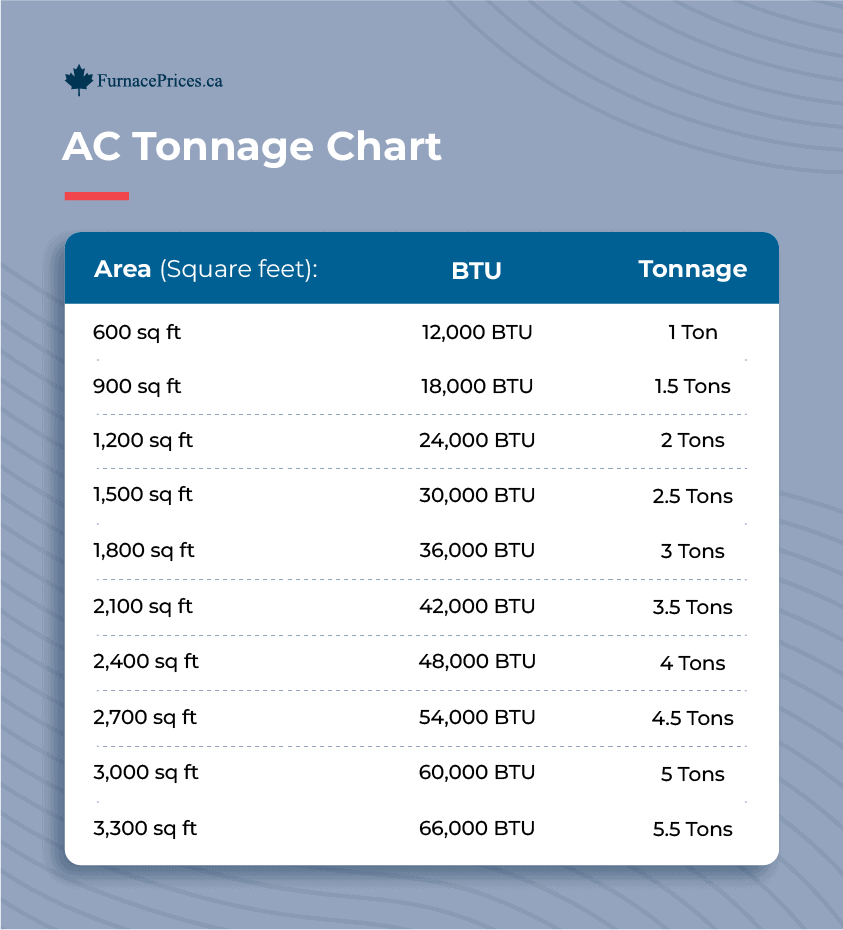
Are you wondering how to choose the right air conditioner for your space? One key number you need to know is how many BTUs per square foot your room requires.
Getting this right means your room will stay cool without wasting energy or money. Too little cooling power, and you’ll feel uncomfortable. Too much, and your bills will skyrocket. You’ll discover exactly how to calculate the perfect BTU for your space, so you can enjoy a comfortable, efficient home all year round.
Keep reading, and you’ll never struggle with picking the right air conditioner again.
Btu Basics
Air conditioners need the right BTU to cool a space well. Usually, 20 BTU per square foot works for most rooms. Choosing the correct size keeps your room comfortable and saves energy.
What Is Btu
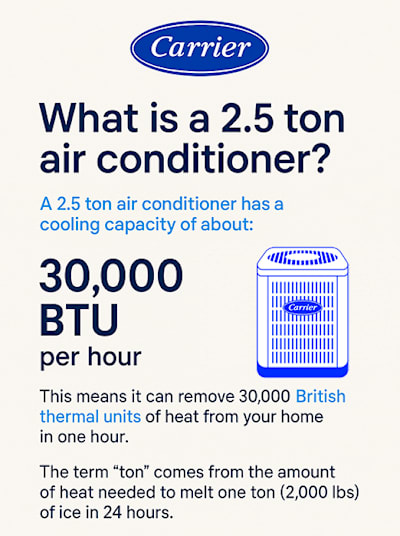
BTUstands for British Thermal Unit. It measures the heat energy needed to raise one pound of water by one degree Fahrenheit. In air conditioning, BTU shows the cooling power of a unit. A higher BTU means the air conditioner can cool a bigger space.
Why Btu Matters For Cooling
Choosing the right BTU helps keep a room cool and comfortable. Too low BTU means the unit will struggle to cool the space. Too high BTU wastes energy and may cause the room to feel damp. Proper BTU size saves money and energy.
Credit: www.lennox.com
Calculating Btu Per Square Foot
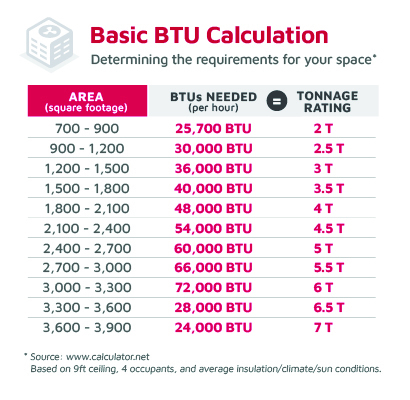
To find the right BTUfor an air conditioner, multiply the room’s length by its width. This gives the square footage. Then, multiply this number by 20 BTUper square foot. This formula works well for most rooms.
Many factors can change the BTU needed:
- Sunlight:Rooms with lots of sun need more BTU.
- People:More people generate more heat.
- Appliances:Electronics add heat to the room.
- Ceiling height:Taller ceilings may require more cooling power.
- Insulation:Poor insulation means more BTU is necessary.
Room Size And Btu Requirements
Small roomsusually need about 20 to 30 BTUs per square foot. These rooms are under 150 square feet. A 100 sq ft room might use a 2,000 to 3,000 BTU air conditioner. Small units save energy and cool quickly.
Medium roomsrange from 150 to 300 square feet. They need roughly 25 to 35 BTUs per square foot. A 250 sq ft room could require a 6,000 to 8,750 BTU unit. These ACs balance power and efficiency well.
Large roomsare over 300 square feet. They demand about 30 to 40 BTUs per square foot. For example, a 400 sq ft room might need a 12,000 to 16,000 BTU air conditioner. Bigger units handle more space but use more energy.
Adjusting Btu For Room Conditions
Sunlight exposureaffects how much cooling a room needs. Rooms with lots of direct sun need more BTUs. North-facing rooms or shaded rooms need less cooling power.
Ceiling heightchanges air volume in a room. Higher ceilings mean more air to cool, so increase BTUs. Standard 8-foot ceilings need normal BTU calculations.
Insulation qualitycontrols heat flow inside walls and ceilings. Good insulation keeps rooms cooler and lowers BTU needs. Poor insulation causes heat gain, so boost BTUs.
| Condition | Effect on BTU |
|---|---|
| High sunlight exposure | Increase BTU by 10-20% |
| Ceiling height over 8 feet | Increase BTU by 10% |
| Good insulation | Reduce BTU by 10-15% |
| Poor insulation | Increase BTU by 10-20% |
Energy Efficiency And Btu
Choosing the right BTU per square foot helps an air conditioner cool efficiently. Generally, 20 BTU per square foot suits most rooms. Proper sizing saves energy and keeps your space comfortable.
Seer Ratings
SEERstands for Seasonal Energy Efficiency Ratio. It measures how well an air conditioner cools over a season. Higher SEER means better energy efficiency. Units with high SEER use less electricity and save money.
Choosing Efficient Units
Pick air conditioners with a SEER rating of 14 or above. These units cool your room well and use less power. Efficient models reduce your energy bills and help the environment. Always check the SEER rating before buying.
Credit: www.carrier.com
Common Btu Mistakes To Avoid
Overestimating BTUcan lead to wasted energy and higher bills. A unit that is too powerful cools the room quickly but cycles on and off often. This can cause uneven cooling and extra wear on the air conditioner. It also uses more electricity than needed.
Underestimating BTUmeans the air conditioner works too hard. The room stays warm and the unit runs nonstop. This reduces comfort and can shorten the lifespan of the system. It also increases energy use and costs.
- Choose a BTU size that matches your room size.
- Avoid buying a unit that is too big or too small.
- Consult sizing charts or a professional for best results.
Btu And Air Conditioner Types
BTU(British Thermal Unit) measures how much heat an air conditioner removes. Choosing the right BTU depends on room size and AC type. Different air conditioners offer different BTU ranges and features.
- Window Unitsare installed in windows. They usually cool small to medium rooms. BTU ratings range from 5,000 to 12,000. Easy to install and affordable.
- Split Systemshave two parts: indoor and outdoor units. They cool larger rooms or whole homes. BTU ratings vary from 9,000 to 36,000. Quieter and more efficient than window units.
- Portable ACscan be moved around. Best for temporary cooling or small rooms. BTU ratings usually between 8,000 and 14,000. Require a window vent for hot air.
Maintaining Optimal Cooling
Regular cleaningkeeps your air conditioner working well. Dust and dirt block airflow. Clean the filters every month during hot seasons. This helps the unit cool better and saves energy. Also, clean the outside unit to remove leaves and debris. This keeps the system from overheating.
Proper installationensures the air conditioner cools your space efficiently. Place the unit where air flows freely. Avoid direct sunlight on the compressor. Make sure the size of the unit matches the room size for best results. A well-installed AC uses less power and lasts longer.

Credit: thefurnaceoutlet.com
Frequently Asked Questions
How Many Btu Per Square Foot Is Needed?
Typically, you need about 20 BTU per square foot for efficient cooling. This can vary based on factors like room insulation, ceiling height, and climate. Always consider these variables to ensure optimal air conditioning performance.
What Size Ac Unit For 500 Square Feet?
For a 500 square foot area, a 10,000 BTU air conditioner is recommended. This size provides efficient cooling for most settings. However, adjust the BTU based on room-specific factors like sun exposure and insulation.
Does Climate Affect Btu Requirements?
Yes, climate significantly affects BTU requirements. In hotter climates, you might need more BTUs per square foot. Conversely, cooler climates require fewer BTUs. Always consider your local weather conditions when choosing an air conditioner.
How To Calculate Btu For A Room?
To calculate BTU, multiply the room’s square footage by 20. Adjust for factors like high ceilings or sunny windows. This provides a basic BTU estimate for efficient cooling. Consider professional advice for precise calculations.
Conclusion
Choosing the right BTU per square foot keeps your room cool and saves energy. Too few BTUs, and the room feels warm. Too many, and you waste power and money. Measure your space first, then pick an air conditioner with the correct BTU rating.
This simple step makes your home comfortable all year. Remember, the right size helps your AC work better and last longer. Cool air, less cost. Easy.