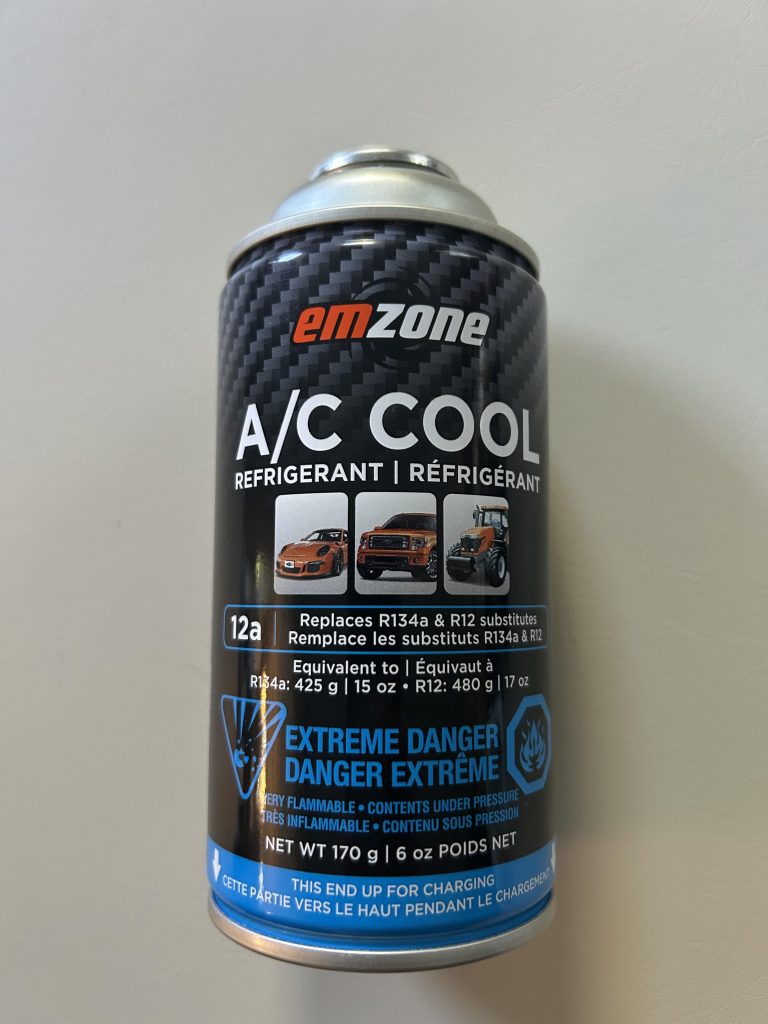
Have you ever wondered how many cans of refrigerant your car’s air conditioner actually needs? Whether your AC is blowing warm air or just not as cold as it used to be, knowing the right amount of refrigerant can make all the difference.
Too little won’t cool your car, and too much can cause damage. You’ll discover exactly how to figure out the perfect amount for your vehicle. Keep reading, because getting this right will save you money, time, and a lot of frustration on the road.

Credit: www.amazon.com
Refrigerant Basics
Understanding the basics of refrigerants is crucial for anyone looking to maintain their car’s AC system. These chemicals are essential for cooling the air inside your vehicle, ensuring a comfortable driving experience. But how much do you really know about them?
Types Of Refrigerants
Cars primarily use two types of refrigerants: R-134a and the newer R-1234yf. R-134a has been the industry standard for many years, but due to environmental concerns, R-1234yf is becoming more common. Knowing which type your car uses is vital before purchasing any cans of refrigerant.
Check your vehicle’s manual or under the hood for a sticker indicating the type of refrigerant required. This small step can save you from purchasing the wrong product and potentially damaging your AC system.
Role In Car Ac Systems
Refrigerants play a pivotal role in your car’s AC system by absorbing heat from the air inside the cabin and expelling it outside. This process involves the refrigerant changing from a gas to a liquid and back again. It’s a fascinating cycle that keeps you cool on hot summer days.
Ever wondered why your AC isn’t as cold as it used to be? It could be due to low refrigerant levels. Regular checks and top-ups can prevent this common issue, ensuring your system runs efficiently.
Knowing the basics of refrigerants empowers you to take better care of your car. Are you ready to dive deeper into maintaining your vehicle’s AC system?

Credit: advantageautorepair.com
Factors Influencing Refrigerant Amount
Knowing how much refrigerant your car needs isn’t just about guessing the amount or grabbing a random can. Several factors affect this, and understanding them can save you time, money, and a lot of frustration. Let’s look at what really influences the amount of refrigerant your car requires.
Car Make And Model
Your car’s make and model play a big role in determining refrigerant needs. Some vehicles have larger or more complex AC systems, which require more refrigerant to cool effectively.
For example, a compact car like a Honda Civic usually needs less refrigerant than a larger SUV such as a Ford Explorer. Always check your vehicle’s manual or manufacturer guidelines to find the exact specifications.
Ac System Size
The size of your car’s AC system directly impacts how much refrigerant it holds. Bigger systems, with larger evaporators and condensers, naturally need more refrigerant to function properly.
Think about it like filling a bigger tank—you’ll need more fluid to fill it up. If you add too little, your AC won’t cool efficiently; too much, and you risk damaging the system.
Leakage And Maintenance
Leaks are one of the most common reasons for refrigerant loss. If your system has leaks, you’ll need to add refrigerant more often, but simply topping it off won’t fix the underlying issue.
Regular maintenance helps spot leaks early and ensures the system runs smoothly. If you notice your AC losing its chill quicker than before, ask yourself: could there be a hidden leak? Addressing it saves you from repeatedly buying more refrigerant.
Typical Refrigerant Quantities
Typical refrigerant quantities vary depending on the vehicle type and size. Each car’s air conditioning system needs a specific amount of refrigerant to function well. Using the right amount keeps the system efficient and prevents damage. Here is a breakdown of refrigerant needs for different vehicle types.
Small Cars
Small cars usually need less refrigerant. Most have compact air conditioning systems. They generally require about 12 to 16 ounces of refrigerant. This amount fits their smaller cooling capacity. Overfilling can harm the system’s performance.
Sedans And Suvs
Sedans and SUVs have larger AC systems than small cars. Their refrigerant needs range from 18 to 24 ounces. These vehicles use more refrigerant to cool bigger interiors. Proper charging ensures comfort during hot weather.
Trucks And Larger Vehicles
Trucks and larger vehicles need the most refrigerant. Their AC systems are designed for heavy-duty cooling. Typical quantities range between 24 to 32 ounces or more. This ensures the system works well under tough conditions.
Checking Refrigerant Levels
Checking refrigerant levels in your car is essential for maintaining a cool and comfortable drive. Low refrigerant can reduce the air conditioner’s efficiency and cause damage. Knowing how to identify low refrigerant and measure it accurately helps keep your system in top shape.
Signs Of Low Refrigerant
- Weak or warm air blowing from vents
- Longer cooling time than usual
- Hissing or bubbling noises near the AC system
- Visible leaks or oily spots around AC components
- Ice buildup on AC lines or evaporator
Noticing these signs means your car may need a refrigerant check soon. Acting early can prevent costly repairs.
Tools For Measurement
- Pressure gauge set for AC systems
- Digital refrigerant leak detector
- Thermometer to measure vent temperature
- Manifold gauge to check system pressure
These tools help measure refrigerant levels accurately. Proper readings ensure the right amount of refrigerant is added, avoiding overcharging or undercharging.
Adding Refrigerant Safely
Adding refrigerant to your car’s air conditioning system might seem straightforward, but doing it safely is crucial. Improper handling can damage the system or even cause injury. Understanding the right approach helps protect your vehicle and keeps you cool without risks.
Diy Vs Professional Service
Deciding whether to add refrigerant yourself or hire a professional depends on your comfort and experience. DIY kits are available at auto stores, but they require careful handling and knowledge of your car’s AC specifications. Professionals have the tools and training to check for leaks, measure pressure accurately, and refill the system correctly.
Consider this: a friend once tried adding refrigerant at home but ended up overfilling the system, which caused more harm than good. If you’re not confident about identifying leaks or using pressure gauges, a professional service is safer and often more cost-effective in the long run.
Step-by-step Recharge Process
- Locate the low-pressure service port on your AC system. It’s usually marked and smaller than the high-pressure port.
- Attach the refrigerant can’s hose to the port securely to avoid leaks.
- Start your car and turn on the AC to the highest setting with the fan at max speed.
- Slowly open the valve on the refrigerant can, allowing the gas to flow into the system.
- Monitor the pressure gauge closely to avoid overcharging. Stop once the recommended pressure is reached.
- Close the valve and detach the hose carefully, then check if the AC blows cold air.
Precautions And Tips
- Always wear safety glasses and gloves.Refrigerant can cause frostbite or eye injuries if mishandled.
- Never mix different types of refrigerants.Mixing can damage the system and reduce performance.
- Check for leaks before adding refrigerant.Adding refrigerant to a leaking system wastes product and won’t fix the problem.
- Use the exact refrigerant type specified in your car’s manual.Using the wrong type can cause serious damage.
- Don’t overfill.Excess refrigerant can increase pressure and harm the compressor.
Have you ever wondered why your AC sometimes feels less effective after a recharge? It might be due to overfilling or ignoring leaks. Paying attention to these details ensures your car’s cooling system works efficiently and lasts longer.
Environmental Considerations
Understanding the environmental impact of your car’s refrigerant is crucial. The type and amount of refrigerant you use can affect more than just your vehicle’s cooling system—it can also influence the planet’s health. Paying attention to these factors helps you make smarter, eco-friendly choices.
Refrigerant Types And Eco Impact
Not all refrigerants are created equal. Older types like R-12 are harmful to the ozone layer and have been mostly phased out. Newer refrigerants such as R-134a and R-1234yf are designed to be less damaging but still have varying effects on the environment.
Did you know that R-1234yf has a much lower global warming potential compared to R-134a? Choosing the right refrigerant can significantly reduce your carbon footprint. Check your car’s manual or ask a professional to confirm which refrigerant suits your vehicle and the environment best.
Proper Disposal And Recycling
Throwing away leftover refrigerant cans or releasing refrigerant into the air can cause serious environmental harm. Refrigerants contribute to greenhouse gases and can damage the ozone layer if not handled correctly.
Make sure you recycle or dispose of refrigerants at certified centers. Many auto repair shops offer safe refrigerant recovery services. You can also ask if they refill cans rather than discard them, reducing waste and pollution.
Have you ever wondered what happens to refrigerant after a service? Proper recycling ensures harmful chemicals don’t escape into the atmosphere. By taking responsibility for disposal, you help protect the environment and keep your community safe.
Cost Factors
Understanding the cost factors involved in refilling your car’s refrigerant helps you budget better and make smarter choices. The total expense isn’t just about the number of cans you need; it also depends on how much each can costs, the service fees, and potential savings down the road. Let’s break down these key elements so you can see where your money goes and why.
Price Per Can
The cost of a single can of refrigerant can vary widely based on brand, type, and quality. You might find cans priced anywhere from $10 to $30 each. Keep in mind, cheaper options aren’t always better; lower-quality refrigerant can harm your AC system or reduce efficiency.
Have you checked the label to see if the refrigerant matches your car’s specific requirements? Using the right type ensures your system runs smoothly and avoids costly damage later.
Service Charges
If you decide to have a professional handle the refill, service charges will add to your total cost. Mechanics often charge a flat fee or hourly rate that covers labor, equipment use, and disposal of old refrigerant.
This fee can range from $50 to $150, depending on your location and the shop’s reputation. Sometimes, DIY might seem cheaper, but improper handling can lead to leaks or poor performance, costing you more in repairs.
Long-term Savings
Investing in quality refrigerant and professional service can save you money over time. Properly charged AC systems run more efficiently, which reduces strain on your engine and lowers fuel consumption.
Think about it: wouldn’t you prefer fewer breakdowns and a cooler ride during hot summers? Spending a bit more upfront often means avoiding expensive repairs and extending your car’s AC lifespan.
Credit: www.chevymalibuforum.com
Frequently Asked Questions
How Many Cans Of Refrigerant Does A Typical Car Need?
Most cars require between 1 to 2 cans of refrigerant to refill the A/C system. The exact amount depends on the car’s make and model. Always check the owner’s manual for precise refrigerant capacity to avoid overcharging or undercharging.
Can One Can Of Refrigerant Fix A Car’s A/c System?
One can may temporarily cool the car if the system only needs a small top-up. However, a proper recharge requires the correct amount, usually more than one can. For best results, measure system pressure and follow manufacturer guidelines.
How Do I Know When My Car Needs Refrigerant?
Signs include weak airflow, warm air from vents, or a hissing noise near the A/C components. Low refrigerant causes poor cooling performance. A professional diagnosis with pressure gauges confirms if a recharge is necessary.
Is It Safe To Add Refrigerant To My Car Myself?
Yes, adding refrigerant is safe if you follow instructions carefully. Use proper tools and avoid overfilling. Wear safety gear and work in a well-ventilated area. If unsure, consult a professional to prevent damage or injury.
Conclusion
Knowing the right amount of refrigerant is key for your car’s AC system. Too little refrigerant means weak cooling. Too much can cause damage. Check your car’s manual or label for exact amounts. Use cans with care and follow safety steps.
If unsure, ask a professional for help. Proper refrigerant levels keep your car cool and running well. Simple steps lead to a comfortable drive every time.