Have you ever wondered how your air conditioner manages to cool your room so efficiently? One key part that makes this possible is the capacitor.
But how many capacitors does your air conditioner actually have? Understanding this can help you spot issues early, save on repair costs, and keep your AC running smoothly. You’ll discover exactly how many capacitors are inside your air conditioner and why each one matters to your comfort.
Keep reading—you’ll be surprised by what you learn!

Credit: www.callfastair.com
Role Of Capacitors In Air Conditioners
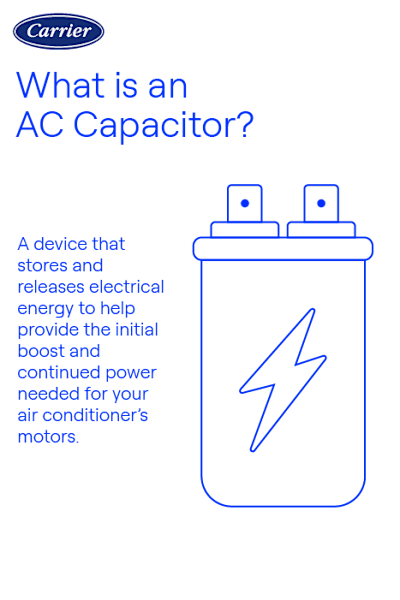
Capacitors are important parts of air conditioners. They help the system start and keep running. Without capacitors, the air conditioner cannot work properly.
They store and release electric energy to support the motors. This makes the air conditioner efficient and reliable.
Function Of Capacitors
Capacitors give a boost of power to the compressor and fan motors. This helps them start easily and run smoothly. They also improve energy use.
They keep the motors running by balancing electrical current. This prevents damage and saves energy. Capacitors also reduce noise and vibration.
- Start the compressor motor
- Start the fan motor
- Keep motors running steadily
- Improve energy efficiency
- Reduce noise and vibration
Types Of Capacitors Used
Air conditioners use different capacitors. Each type has a specific role to play in the system.
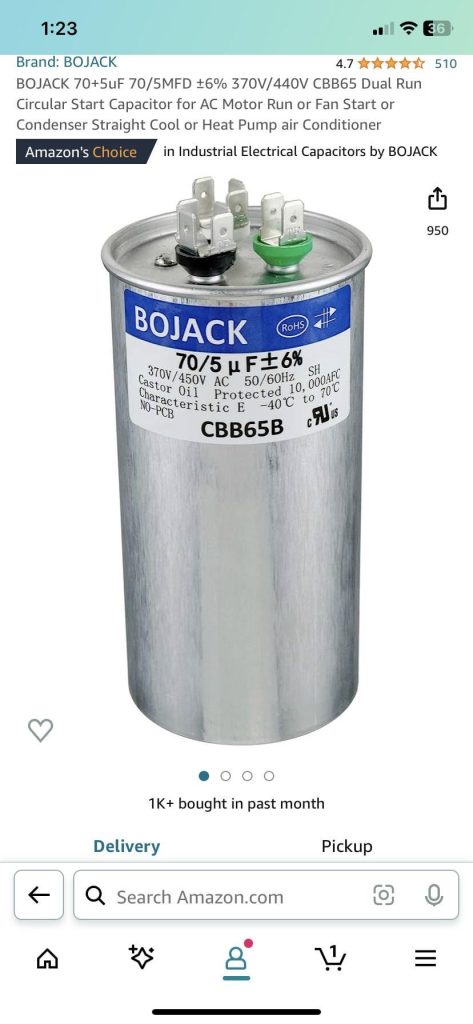
The two main types are start capacitors and run capacitors. Sometimes, a dual run capacitor is used to save space.
- Start Capacitors:Provide extra power to start the motors.
- Run Capacitors:Help motors run efficiently after starting.
- Dual Run Capacitors:Combine two run capacitors in one unit.
Common Capacitors Found In Ac Units
Air conditioners use capacitors to help start and run motors. These capacitors store electrical energy and release it when needed. Different types of capacitors serve different purposes inside an AC unit.
Understanding the common capacitors in AC units helps with maintenance and repair. The main types are start capacitors, run capacitors, and dual capacitors.
Start Capacitor
The start capacitor gives extra power to the compressor motor when the AC first turns on. It helps the motor start quickly and smoothly. This capacitor works only for a short time during startup.
Start capacitors have a higher capacitance than run capacitors. They are usually larger and disconnect once the motor reaches a certain speed.
Run Capacitor
Run capacitors keep the motor running efficiently after it starts. They help maintain a steady flow of electricity. This lowers energy use and keeps the motor stable.
Run capacitors stay connected while the AC is on. They have a lower capacitance than start capacitors but work continuously.
Dual Capacitor
Dual capacitors combine the functions of start and run capacitors in one unit. They save space and simplify wiring. These capacitors support both the compressor and the fan motors.
Most modern AC units use dual capacitors because they are more efficient and cost-effective.
Number Of Capacitors In Different Ac Models
Capacitors help start and run the motors in air conditioners. Different AC models use different numbers of capacitors. Knowing how many capacitors your AC has can help in maintenance and repair.
This guide explains how many capacitors are in window, split, and central air conditioners.
Window Air Conditioners
Window air conditioners usually have one or two capacitors. A single capacitor can be a dual-run capacitor, which works for both the fan and compressor motors.
- Single capacitor models have one dual-run capacitor.
- Some models have separate start capacitors for extra power.
- Most common setup is one or two capacitors total.
Split Air Conditioners
Split air conditioners have two main parts: the indoor and outdoor units. Capacitors are mostly found in the outdoor unit to run the compressor and fan motors.
| Part | Number of Capacitors | Type |
| Outdoor Unit | 2 | Dual-run capacitors for compressor and fan |
| Indoor Unit | 0 or 1 | Sometimes a capacitor for the blower motor |
Central Air Conditioning Systems
Central air systems are larger and use more capacitors. These capacitors help start the compressor, condenser fan, and blower motors.
Typical capacitor setup in central AC units:
- One capacitor for the compressor motor
- One capacitor for the condenser fan motor
- One capacitor for the indoor blower motor
Some systems use dual-run capacitors that combine functions, reducing the total number.

Credit: www.amazon.ca
Signs Of Faulty Capacitors
Capacitors in an air conditioner help start and run the motors. They store electrical energy and release it when needed.
Faulty capacitors can cause many issues. Knowing the signs helps you fix problems early.
Common Symptoms
When capacitors fail, your AC may show clear symptoms. These signs include:
- AC takes longer to start or does not start at all
- Unusual buzzing or humming noises near the capacitor
- AC shuts off randomly or cycles on and off quickly
- Warm air blows instead of cold air
- Frequent tripping of the circuit breaker
Impact On Ac Performance
Faulty capacitors affect the AC’s motors and cooling. This table shows common problems caused by bad capacitors.
| Problem | Effect on AC |
|---|---|
| Weak start-up power | Compressor or fan motor struggles to start |
| Motor stops suddenly | AC stops cooling and may overheat |
| Reduced cooling efficiency | AC blows warm or less cold air |
| Increased energy use | AC uses more electricity to run |
| Short cycling | AC turns on and off frequently, causing wear |
Replacing And Testing Capacitors
An air conditioner usually has two or three capacitors. These parts help start and run the motor. Testing and replacing capacitors keep your AC working well.
Capacitors store electricity and give a quick boost to the motor. If they fail, the AC may not start or cool properly. Knowing how to test and replace them saves time and money.
Safety Precautions
Capacitors hold electric charge even when the power is off. This can cause shocks. Always take safety steps before working on them.
Wear insulated gloves and use tools with insulated handles. Make sure the AC is unplugged before you start. Discharge the capacitor carefully to avoid injury.
- Turn off and unplug the air conditioner
- Wear insulated gloves and safety glasses
- Use a screwdriver to discharge the capacitor terminals
- Do not touch terminals with bare hands
- Work in a dry, well-lit area
Testing Methods
Use a multimeter to test the capacitor’s charge. Set the multimeter to the capacitance setting if available. This checks if the capacitor works well.
Remove the capacitor from the AC unit before testing. Touch the meter probes to the capacitor terminals. The reading should match the number on the capacitor label.
- Disconnect power and discharge the capacitor
- Remove the capacitor from the unit
- Set multimeter to capacitance mode
- Place probes on capacitor terminals
- Compare reading to capacitor’s rated value
- Replace if reading is low or zero
Replacement Tips
Buy a capacitor with the same microfarad (µF) rating and voltage as the old one. Using the wrong type can damage your AC or cause safety risks.
Label wires before removing the old capacitor. This helps connect the new one correctly. Tighten all screws and check for proper fit before turning the AC back on.
- Match capacitor rating and voltage exactly
- Label wires before disconnecting
- Connect wires to correct terminals
- Secure the capacitor firmly in place
- Check connections before powering on
- Test the AC after replacement
Maintenance Tips For Capacitors
Capacitors are key parts of an air conditioner. They help start and run the motor. Keeping capacitors in good shape can stop AC breakdowns.
Regular care helps capacitors last longer. This guide shows simple tips to maintain them well.
Regular Inspection
Check capacitors often to find problems early. Look for bulges, leaks, or cracks on the surface. These signs mean a capacitor may fail soon.
Use a multimeter to test the capacitor’s strength. If the reading is low, replace the capacitor to avoid damage.
- Look for physical damage
- Test with a multimeter
- Listen for unusual sounds from the AC
- Check connections for rust or looseness
Environmental Factors
Heat and moisture can harm capacitors. High heat can cause them to wear out fast. Moisture can lead to rust or short circuits.
Keep the AC unit clean and dry. Avoid placing it near direct sunlight or wet areas. Proper ventilation helps cool the parts.
- Place AC in shaded areas
- Keep the unit free from dirt and dust
- Ensure good airflow around the unit
- Fix leaks to stop water exposure
Prolonging Capacitor Life
Turn off the AC during storms or power surges. Sudden changes in electricity can damage capacitors. Use a surge protector if possible.
Schedule professional checkups yearly. Experts can spot early signs of wear and replace parts before failure.
- Use surge protectors to guard against voltage spikes
- Turn off AC during bad weather
- Clean or replace filters regularly
- Hire a technician for annual maintenance
Credit: www.carrier.com
Frequently Asked Questions
How Many Capacitors Does An Air Conditioner Have?
Most air conditioners have two capacitors: a start capacitor and a run capacitor. Some units may have a dual capacitor combining both functions. Capacitors help start the motor and keep it running efficiently, ensuring smooth compressor and fan operation.
What Role Do Capacitors Play In Air Conditioners?
Capacitors store electrical energy and provide a boost to the motor during startup. They also maintain consistent motor speed while running. This improves efficiency, reduces power consumption, and protects the motor from overheating and damage.
Can A Faulty Capacitor Affect Ac Performance?
Yes, a faulty capacitor can cause the AC to fail starting or run inefficiently. It may lead to weak airflow, strange noises, or frequent cycling. Replacing a bad capacitor is often a quick and cost-effective fix to restore normal operation.
Are Start And Run Capacitors Different In Air Conditioners?
Yes, start capacitors provide a high boost of power to start the motor. Run capacitors supply continuous power to maintain motor speed. Both are essential for optimal performance and energy efficiency in an air conditioning system.
Conclusion
Understanding air conditioner capacitors is crucial. They help your unit run smoothly. Knowing their types and functions saves time and money. Regular maintenance ensures they last longer. Faulty capacitors can affect cooling efficiency. Consult a professional for repairs or replacements.
Proper care keeps your air conditioner efficient. Always stay informed about your appliance parts. Knowledge helps prevent unexpected issues. Capacitors might seem small, but they are vital. Remember, a well-maintained air conditioner offers comfort. And peace of mind.