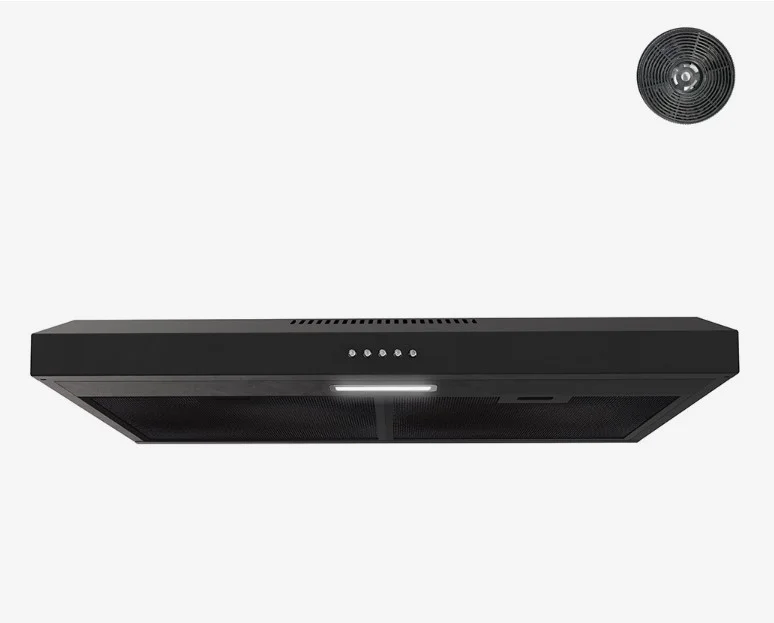
Are you wondering how many CFMs your range hood should have? You’re not alone.
Choosing the right range hood can make a huge difference in your kitchen’s air quality and overall comfort. A range hood that’s too weak might leave your kitchen smoky and smelly, while one that’s too powerful could be an unnecessary expense.
Striking the right balance is key. In this guide, we’ll simplify the process for you, helping you understand exactly what CFMs are and how to determine the perfect fit for your home. Dive in to discover how to make your kitchen a fresher, more enjoyable space.

Credit: www.angi.com
What Is Cfm In Range Hoods
Understanding CFM in range hoods is key to choosing the right one for your kitchen. CFM stands for Cubic Feet per Minute, which measures how much air the hood can move. Knowing this helps you pick a hood that efficiently removes smoke, odors, and grease.
Think about the last time you cooked something smoky. Did the smell linger for hours? A range hood with the right CFM can stop that from happening. But what exactly does CFM mean, and why does it matter so much?
What Does Cfm Measure?
CFM measures the volume of air a range hood can exhaust every minute. The higher the CFM, the more air it moves out of your kitchen. This is crucial because kitchens produce heat, smoke, and smells that need quick removal.
Imagine a small kitchen versus a large one. A hood with 300 CFM might work well for the smaller space but not for the bigger one. So, the CFM rating helps match the hood’s power to your kitchen size and cooking habits.
How Does Cfm Affect Kitchen Air Quality?
Good air quality depends on how fast and efficiently your range hood clears out pollutants. A low CFM might leave odors and smoke hanging around, making your kitchen uncomfortable. A high CFM clears the air quickly but can be noisy and use more energy.
Have you ever noticed a range hood that sounds like a jet engine? That’s often because it’s pushing a lot of air (high CFM). Balancing power and noise is important for daily comfort.
Why Is Choosing The Right Cfm Important?
Choosing the right CFM prevents issues like lingering smells, greasy surfaces, and even potential fire hazards. If the CFM is too low, your range hood won’t remove all the cooking byproducts effectively. Too high, and you might waste energy and get excessive noise.
Think about your cooking style. Do you often fry or grill? These activities produce more smoke and need a higher CFM. If you mostly boil or steam, a lower CFM might be enough.
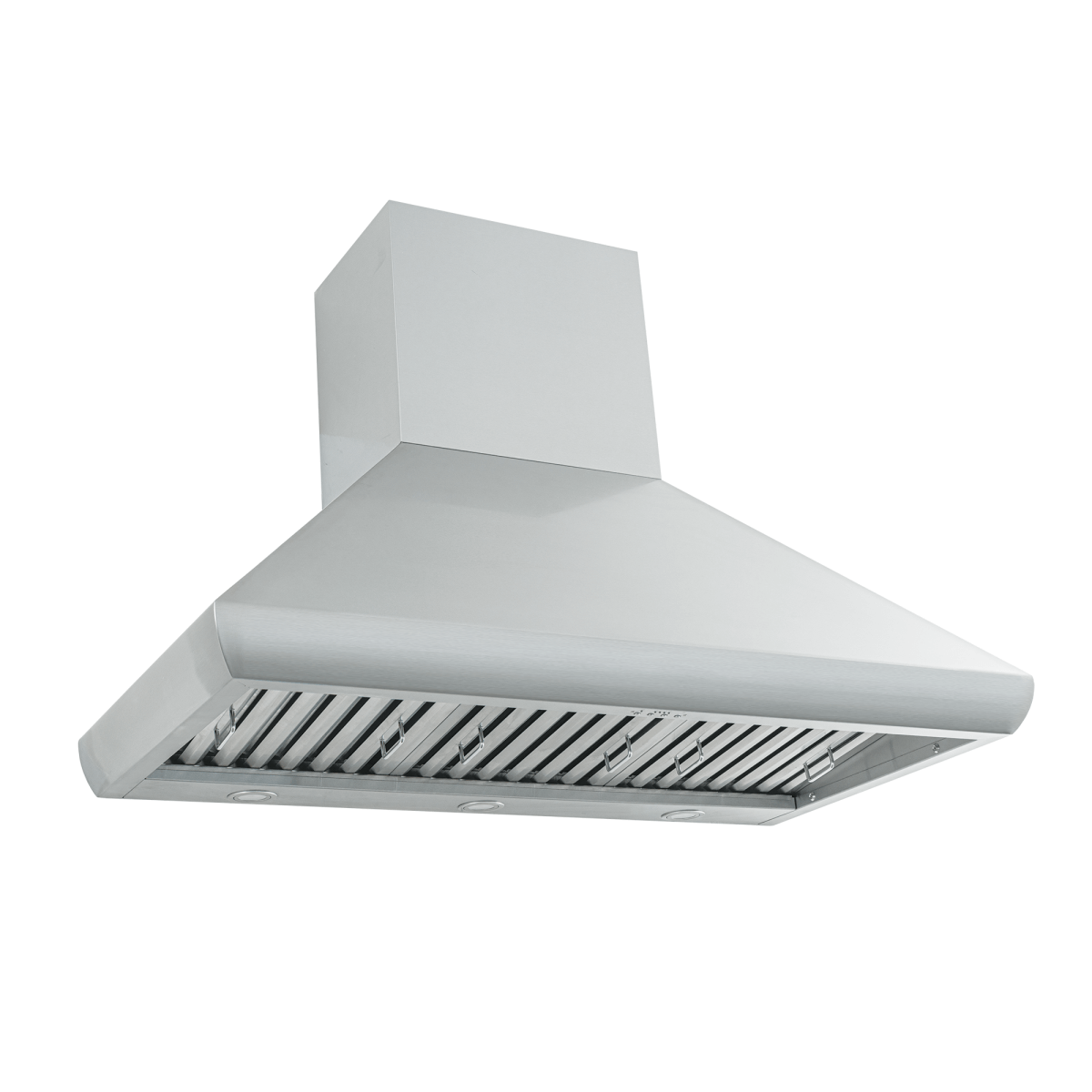
Credit: prolinerangehoods.com
Why Cfm Matters For Ventilation
CFM stands for cubic feet per minute. It measures how much air a range hood moves. This number is important for kitchen ventilation. Proper airflow keeps your kitchen clean and safe. It removes smoke, smells, and moisture effectively. Choosing the right CFM helps avoid cooking fumes and grease buildup. It also protects your walls and ceilings from damage. Understanding why CFM matters will guide you to the best range hood for your needs.
How Cfm Affects Air Quality
Higher CFM means better air movement. This helps remove cooking odors faster. Smoke and steam clear out quickly. This keeps the kitchen air fresh and healthy. Poor ventilation can cause bad smells to linger. It can also trap harmful gases inside the home. The right CFM level improves your kitchen’s air quality.
Cfm And Kitchen Size
Kitchen size affects how much CFM you need. Larger kitchens need higher CFM range hoods. Small kitchens do not need as much airflow. Using too low CFM in a big kitchen reduces ventilation. Too much CFM in a small space can waste energy. Matching CFM to kitchen size makes ventilation efficient.
Energy Use And Noise Levels
Higher CFM fans use more power. They can also be louder. It is important to find a balance. Choose a CFM that clears air well but is quiet. Energy-efficient fans save on electricity bills. Good ventilation with low noise improves kitchen comfort.
Impact On Cooking Safety
Proper ventilation removes heat and smoke. It reduces the risk of fire in the kitchen. It also prevents buildup of grease in ducts. This lowers the chance of dangerous flare-ups. Choosing the right CFM helps keep cooking safe. It protects both your home and family.
Factors Affecting Cfm Requirements
Choosing the right CFM (cubic feet per minute) for a range hood depends on several factors. These factors affect how much air the hood must move to keep your kitchen fresh and free of smoke. Understanding these elements helps pick a hood that works best for your cooking needs and space.
Cooking Style
The way you cook impacts the CFM needed. High-heat cooking, like frying or grilling, produces more smoke and grease. It requires a higher CFM to clear the air quickly. Simple cooking, like boiling or simmering, produces less smoke and needs less power.
Kitchen Size
The size of your kitchen affects air movement. Larger kitchens need more airflow to remove odors and smoke effectively. Smaller kitchens require less CFM because the air volume is lower. Measure your kitchen space to estimate the right airflow.
Hood Type And Design
Different hood designs affect ventilation strength. Wall-mounted hoods, island hoods, and under-cabinet hoods have varying airflow efficiency. A well-designed hood can capture smoke better, needing less CFM. Poor design might require a stronger motor to work well.
Calculating Cfm For Your Kitchen
Calculating the right CFM (cubic feet per minute) for your kitchen range hood is crucial for effective ventilation. The goal is to remove smoke, odors, and grease without overworking the fan or wasting energy. Getting this right not only keeps your kitchen air fresh but also protects your walls and ceilings from grease buildup.
Basic Formula
Start by measuring your kitchen’s volume: multiply length, width, and height in feet to get cubic feet.
Range hoods typically need to exchange the air in your kitchen 15 times per hour. Use this formula:
| Step | Calculation |
|---|---|
| Calculate volume | Length × Width × Height (in feet) |
| Multiply volume by air changes per hour | Volume × 15 |
| Divide by 60 (minutes) | (Volume × 15) ÷ 60 = Required CFM |
This gives a starting point for the CFM needed. But remember, your cooking style and kitchen setup can change this number.
Adjustments For Cooking Frequency
How often do you cook and what kind of meals do you prepare? If you grill, fry, or cook spicy dishes frequently, you need more powerful ventilation.
For heavy cooking, add 100 to 200 CFM above the basic calculation. Light cooking like boiling or reheating might not require as much airflow.
Think about your daily kitchen habits. Do you entertain guests often or just cook for yourself? Your hood should match your lifestyle, not just the room size.
Consideration For Duct Length And Bends
Long ducts or multiple bends reduce airflow efficiency. Each 90-degree bend can cut airflow by 10-20%.
Add extra CFM to compensate for these losses. For example, if your duct runs over 10 feet or has two bends, increase the calculated CFM by at least 50.
Check your duct layout carefully. A straight, short duct will keep your hood working at peak performance without needing an oversized fan.
Cfm Recommendations By Cooking Type
Choosing the right CFM (cubic feet per minute) for your range hood depends on your cooking style. Different cooking types produce varying amounts of smoke, steam, and odors. This section helps you match the right CFM to your kitchen needs.
Proper ventilation keeps your kitchen air clean and fresh. It also protects your cabinets and walls from grease buildup. Below are CFM recommendations based on light, moderate, and heavy cooking habits.
Light Cooking
Light cooking includes boiling, toasting, and simple frying. These activities produce minimal smoke and odors. For light cooking, a range hood with 100 to 300 CFM works well.
- Small kitchens with electric stoves fit this range.
- Energy-efficient and quiet models are ideal.
- Good for occasional cooking or small meals.
Moderate Cooking
Moderate cooking involves grilling, sautéing, and frying more often. These methods release more steam and smells. A hood with 300 to 600 CFM is best for this cooking level.
- Suitable for families cooking daily meals.
- Handles heavier smoke and grease.
- Helps maintain better indoor air quality.
Heavy Cooking And Commercial Use
Heavy cooking includes frequent frying, grilling, and large meals. Commercial kitchens demand even stronger ventilation. For these, 600 to 1200+ CFM range hoods are necessary.
- Essential for professional or large home kitchens.
- Removes large amounts of smoke and grease efficiently.
- Prevents buildup that can damage kitchen surfaces.
Choosing The Right Range Hood Cfm
Choosing the right CFM (cubic feet per minute) for your range hood is crucial to keeping your kitchen fresh and smoke-free. Too low, and your hood won’t clear out odors and grease effectively. Too high, and you might face unnecessary noise and energy costs. Let’s look at key factors that help you pick the perfect CFM for your cooking space.
Matching Hood Size To Cooktop
Your range hood’s size should align closely with your cooktop’s width. A hood that’s too small won’t capture all the smoke and steam, leaving your kitchen feeling stuffy. If your cooktop is 30 inches wide, aim for a hood that’s at least 30 inches wide or slightly larger.
CFM capacity should scale with the size of your cooktop and the type of cooking you do. High-heat cooking like frying or grilling demands higher CFM to keep the air clear. A good rule is to have 100 CFM for every 10 inches of cooktop width.
Noise Levels And Cfm
Higher CFM often means louder operation, but not always. Some modern range hoods use better motors and sound-dampening materials to keep noise low. Think about how often you cook and whether noise will bother you or your family.
Check the sone rating of the hood, which measures noise. A rating under 3 sones is usually quiet, while over 6 can be disruptive. You want a balance where your hood is powerful enough but won’t make you shout over it.
Energy Efficiency
Range hoods run for long periods, so energy use matters. Look for models with efficient motors and LED lighting to cut power bills. An Energy Star-rated hood can save you money while performing well.
Consider variable-speed fans that let you adjust CFM depending on your cooking needs. This flexibility reduces energy waste and noise. Have you thought about how often you’d really need maximum airflow?
Installation Tips For Optimal Ventilation
Proper installation ensures your range hood works efficiently. It helps remove smoke, odors, and moisture from your kitchen. Follow these tips for the best ventilation results.
Proper Ducting
Use smooth, straight ducts to reduce airflow resistance. Avoid sharp bends and long duct runs. Choose metal ducts over flexible plastic ones for durability. Seal all joints tightly with foil tape to prevent leaks. Make sure the duct size matches your hood’s CFM rating.
Hood Placement
Install the range hood at the right height above the cooktop. Usually, 24 to 30 inches is ideal for most models. Position the hood centered over the cooking area for even suction. Avoid placing it too high or low to maintain airflow efficiency.
Maintenance And Cleaning
Clean filters regularly to keep airflow strong. Wash metal filters with warm, soapy water every month. Replace charcoal filters in ductless hoods as recommended by the manufacturer. Check the ductwork for blockages or damage yearly. Proper maintenance extends the life of your range hood.
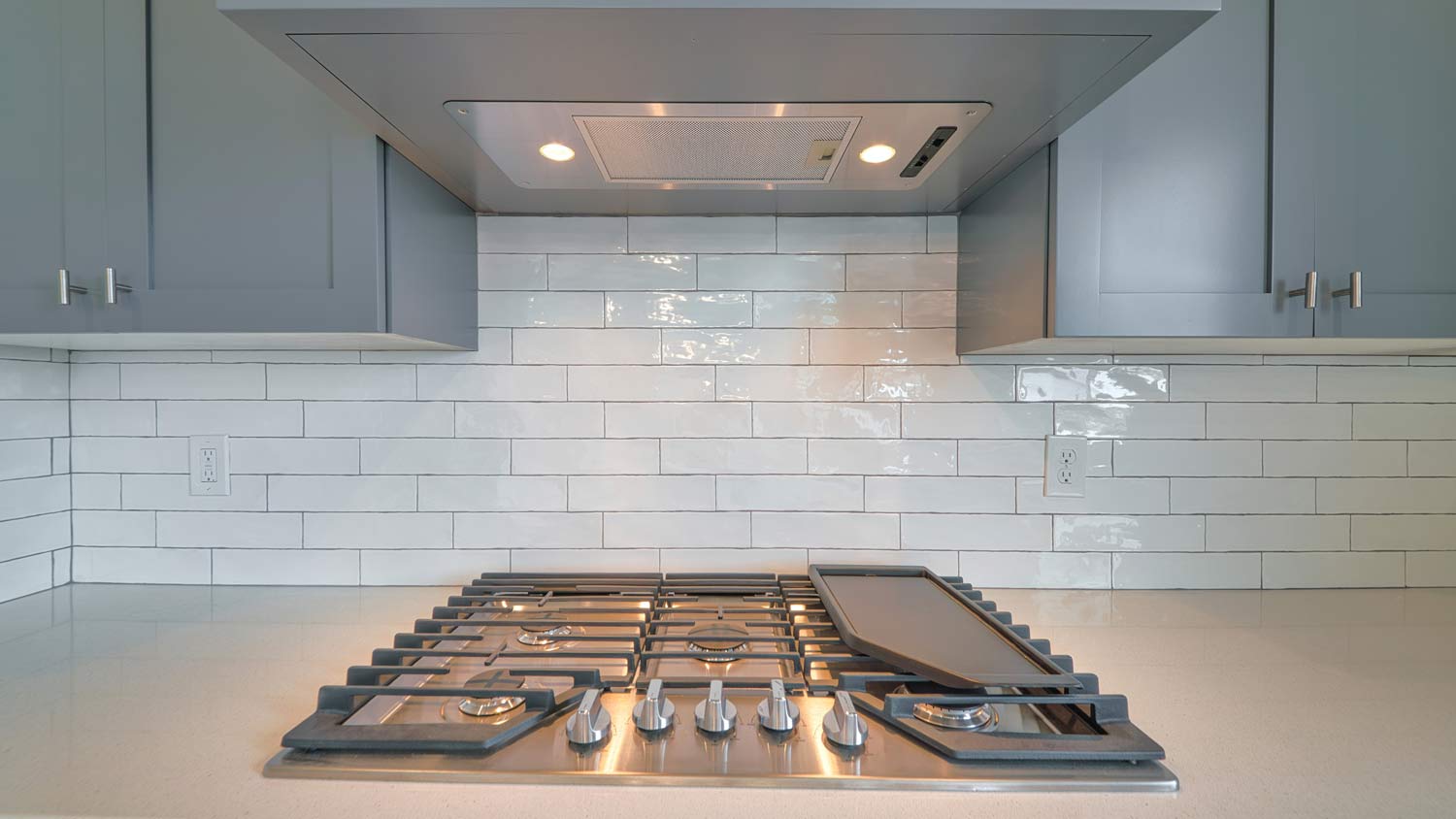
Credit: www.angi.com
Frequently Asked Questions
What Is The Ideal Cfm For A Kitchen Range Hood?
The ideal CFM for a range hood depends on your stove size. Generally, 100 CFM per linear foot of cooktop is recommended for efficient ventilation and odor removal.
How To Calculate Cfm For A Range Hood?
Multiply your cooktop’s width in feet by 100. For example, a 3-foot stove needs a 300 CFM range hood for proper airflow and smoke extraction.
Does Higher Cfm Mean Better Range Hood Performance?
Higher CFM means stronger airflow but not always better. Balance CFM with noise level and kitchen size for optimal performance without disturbance.
Can A Low Cfm Range Hood Effectively Remove Smoke?
Low CFM hoods may struggle with heavy cooking fumes. Choose a hood with sufficient CFM to ensure smoke and odors are properly ventilated.
Conclusion
Choosing the right CFM for your range hood keeps your kitchen fresh. A proper CFM removes smoke, steam, and odors fast. Too low, and smells stay; too high, and noise grows. Consider your stove size and kitchen space to decide.
Good ventilation makes cooking safer and more pleasant. Keep these tips in mind for a better kitchen experience.