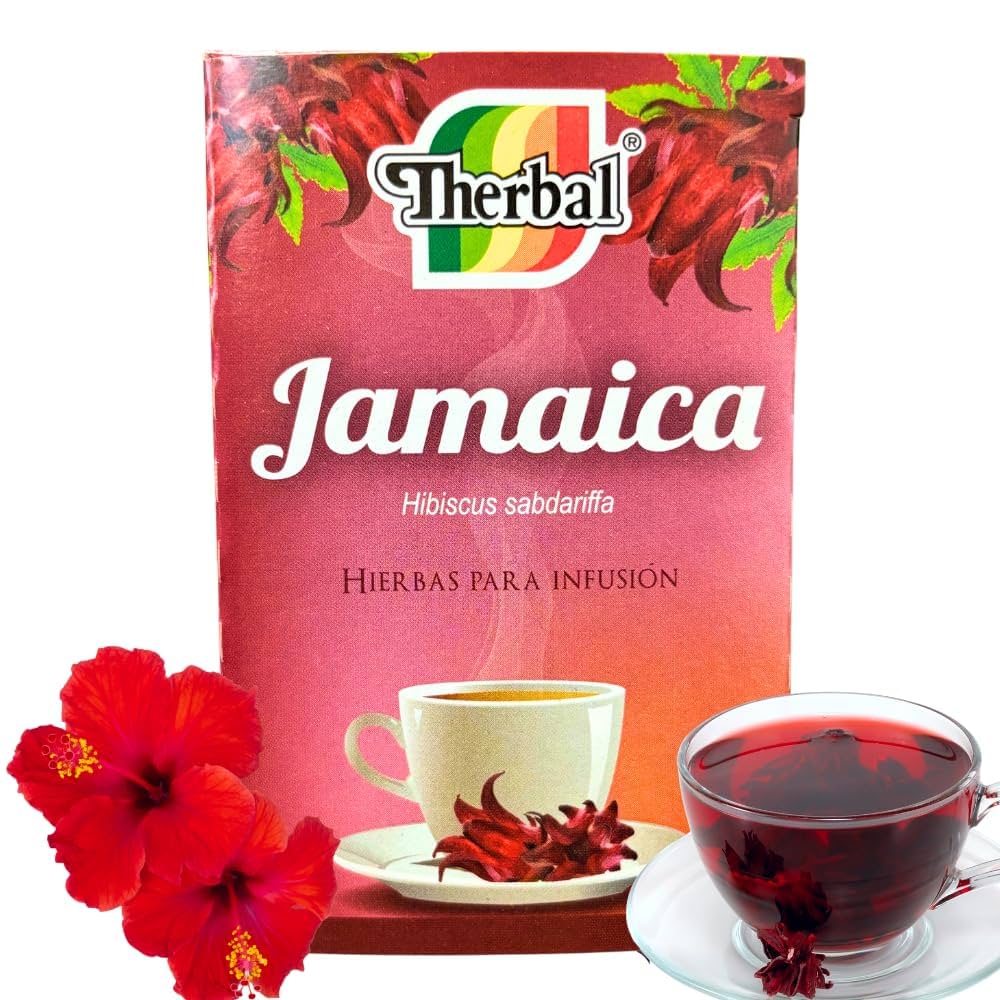
Are you wondering how many cups of hibiscus tea you should drink each day to enjoy its benefits without overdoing it? Hibiscus tea is more than just a tasty, refreshing drink—it’s packed with antioxidants and nutrients that can boost your health.
But like anything, drinking too much or too little might not give you the results you want. You’ll discover the ideal amount of hibiscus tea to sip daily, how it affects your body, and tips to make the most out of every cup.
Keep reading to find the perfect balance for your health and taste buds.

Credit: www.amazon.com
Hibiscus Tea Benefits
Hibiscus tea is a refreshing drink made from dried hibiscus flowers. Many people enjoy it for its tart flavor and bright color.
Besides taste, hibiscus tea offers several health benefits. Drinking it regularly can support your well-being in different ways.
Antioxidant Properties
Hibiscus tea is rich in antioxidants. These compounds help fight damage caused by free radicals in the body.
Antioxidants may protect cells and reduce the risk of some chronic diseases.
Heart Health Support
Drinking hibiscus tea may support a healthy heart. It can improve cholesterol levels and reduce bad cholesterol.
- Helps maintain good cholesterol (HDL) levels
- Reduces harmful cholesterol (LDL)
- Supports healthy blood vessels
Blood Pressure Regulation
Hibiscus tea may help lower blood pressure. Studies show it works best for mild to moderate high blood pressure.
| Effect | Details |
| Systolic Pressure | Can drop by 7-10 mm Hg |
| Diastolic Pressure | May lower by 5-7 mm Hg |
| Duration | Regular drinking for 4-6 weeks |
Weight Management
Hibiscus tea might help with weight control. It can reduce fat absorption and boost metabolism.
People who drink it often may find it easier to maintain a healthy weight.
Immune System Boost
Hibiscus tea contains vitamin C and other nutrients that support the immune system. These help the body fight infections and heal wounds.
- Rich in vitamin C
- Contains minerals like iron and calcium
- May reduce inflammation
Recommended Daily Intake
Hibiscus tea is a popular herbal drink known for its tart flavor and health benefits. Drinking the right amount daily is important for safety and effectiveness.
Knowing the recommended daily intake helps you enjoy hibiscus tea without side effects. This guide covers serving sizes, limits, and factors to consider.
Standard Serving Size
A typical serving of hibiscus tea is about one cup, or 8 ounces (240 ml). Most people drink one to two cups per day.
- One teaspoon of dried hibiscus flowers per cup
- Steep in hot water for 5 to 10 minutes
- Serve hot or cold with or without sweetener
Safe Consumption Limits
Drinking too much hibiscus tea may cause low blood pressure or stomach upset. Experts suggest not exceeding three cups daily.
| Amount | Effect |
|---|---|
| 1-2 cups | Generally safe for most adults |
| 3 cups | Maximum recommended limit |
| More than 3 cups | May cause side effects like dizziness |
Factors Affecting Intake
Several factors can change how much hibiscus tea you should drink each day. These include your health, medications, and age.
- If you have low blood pressure, drink less
- Pregnant or breastfeeding women should consult a doctor
- Check for interactions if taking blood pressure medicine
- Children should have smaller amounts or avoid it
Potential Side Effects
Hibiscus tea is popular for its refreshing taste and health benefits. Yet, drinking too much can cause side effects. It is important to know what risks exist.
This section covers allergic reactions, medication interactions, and blood pressure effects. Read carefully to stay safe.
Allergic Reactions
Some people may be allergic to hibiscus flowers or tea. Symptoms can vary from mild to severe.
- Itching or rash on the skin
- Swelling of lips, tongue, or throat
- Difficulty breathing or wheezing
- Nausea or stomach upset
If you notice any of these signs, stop drinking the tea and see a doctor.
Interactions With Medications
Hibiscus tea can affect how some medicines work. This can cause problems or reduce the medicine’s effect.
| Medication Type | Possible Interaction | Advice |
| Acetaminophen | May increase liver strain | Limit tea intake |
| Diuretics | May enhance urine output | Monitor hydration levels |
| Antidepressants | Could alter drug levels | Consult your doctor |
Always talk to your healthcare provider before adding hibiscus tea to your routine if you take medicine.
Effects On Blood Pressure
Hibiscus tea may lower blood pressure. This can be good for some people but risky for others.
- People with low blood pressure might feel dizzy.
- Those on blood pressure medicine could get too low readings.
- Monitor your blood pressure regularly.
- Consult a doctor if you have heart conditions.

Credit: www.amazon.com
Preparation Tips
Drinking hibiscus tea daily can be refreshing and healthy. Knowing how to prepare it well improves taste and benefits.
Simple steps can help you enjoy the perfect cup of hibiscus tea every time. This guide covers brewing, flavor, and ingredient choices.
Brewing Techniques
Use boiling water to extract flavor from hibiscus flowers. Let the tea steep for 5 to 10 minutes for a rich taste.
Steeping longer makes the tea stronger but can also increase bitterness. Adjust steeping time to your taste.
- Boil fresh water before adding hibiscus
- Steep for 5 to 10 minutes
- Strain flowers before drinking
- Serve hot or cold as you like
Enhancing Flavor
Add natural sweeteners like honey or agave to balance tartness. Avoid too much sugar to keep it healthy.
Mix in spices such as cinnamon or ginger for extra warmth and flavor. These add a pleasant twist to the tea.
- Honey or agave syrup for sweetness
- Fresh lemon or lime juice for brightness
- Cinnamon sticks or ground ginger for spice
- Mint leaves for a cool, fresh taste
Using Fresh Vs Dried Hibiscus
Fresh hibiscus flowers give a bright, floral flavor. They are seasonal and may be harder to find.
Dried hibiscus is easier to store and use year-round. It has a stronger, more tart taste than fresh flowers.
- Fresh hibiscus: lighter, floral taste
- Dried hibiscus: stronger, tart flavor
- Dried lasts longer and is more common
- Use equal amounts for either form
Who Should Avoid Hibiscus Tea
Hibiscus tea is popular for its tart flavor and health benefits. But not everyone should drink it daily. Some people may face health risks from hibiscus tea.
It is important to know who should avoid or limit hibiscus tea. This helps prevent side effects and keep your body safe.
Pregnant And Nursing Women
Pregnant and nursing women should be careful with hibiscus tea. It may cause changes in hormone levels. This can lead to early labor or other problems.
- Hibiscus tea might lower estrogen levels.
- It can cause uterine contractions in some women.
- Effects on breast milk are not well studied.
- Always ask a doctor before drinking hibiscus tea.
People With Low Blood Pressure
Hibiscus tea can lower blood pressure. People with low blood pressure might feel weak or dizzy after drinking it. It may drop blood pressure too much.
| Blood Pressure Level | Risk from Hibiscus Tea |
| Normal (120/80 mmHg) | Usually safe |
| Low (below 90/60 mmHg) | Can cause dizziness, fainting |
| High (above 140/90 mmHg) | May help lower pressure |
Individuals On Medication
Some medicines can interact with hibiscus tea. This can change how the medicine works or cause side effects. Check with a doctor if you take:
- Blood pressure medicine
- Diabetes medicine
- Medications processed by the liver
- Immunosuppressants

Credit: www.amazon.com
Frequently Asked Questions
How Many Cups Of Hibiscus Tea Are Safe Daily?
Drinking 2-3 cups of hibiscus tea daily is generally safe for most people. This amount provides potential health benefits without overconsumption risks. However, always consult a healthcare professional, especially if you’re pregnant, breastfeeding, or on medication, as hibiscus can interact with certain drugs and conditions.
Can Drinking Hibiscus Tea Every Day Be Harmful?
Moderate consumption of hibiscus tea is usually safe. However, excessive intake may lead to health issues, like low blood pressure or liver problems. If you experience any adverse effects, reduce your intake and consult a healthcare provider to ensure it doesn’t interfere with existing health conditions or medications.
What Are The Benefits Of Hibiscus Tea?
Hibiscus tea is rich in antioxidants and may help lower blood pressure and cholesterol. It can support liver health and aid in weight loss. The tea is also refreshing and caffeine-free, making it a great alternative to sugary drinks. Always enjoy it in moderation for best results.
Does Hibiscus Tea Affect Blood Pressure?
Hibiscus tea may lower blood pressure levels, making it beneficial for those with hypertension. It contains compounds that help relax blood vessels, improving circulation. However, if you’re on blood pressure medication, consult a healthcare professional before adding hibiscus tea to your routine to avoid excessive blood pressure reduction.
Conclusion
Drinking hibiscus tea offers many health benefits. Two to three cups daily is usually safe for most people. Too much tea might cause side effects like low blood pressure. Always listen to your body and adjust intake if needed. Consult a doctor if you have health conditions or take medicine.
Enjoy hibiscus tea as part of a balanced diet and healthy lifestyle. Simple steps lead to better well-being. Small habits make a big difference.