
Have you ever wondered if you have the right number of cutting boards in your kitchen? Using too few can lead to cross-contamination, while having too many might clutter your space.
Finding the perfect balance is easier than you think, and it can make your cooking safer and more efficient. You’ll discover exactly how many cutting boards you need and why each one matters. Keep reading to make your kitchen smarter and your meals healthier.
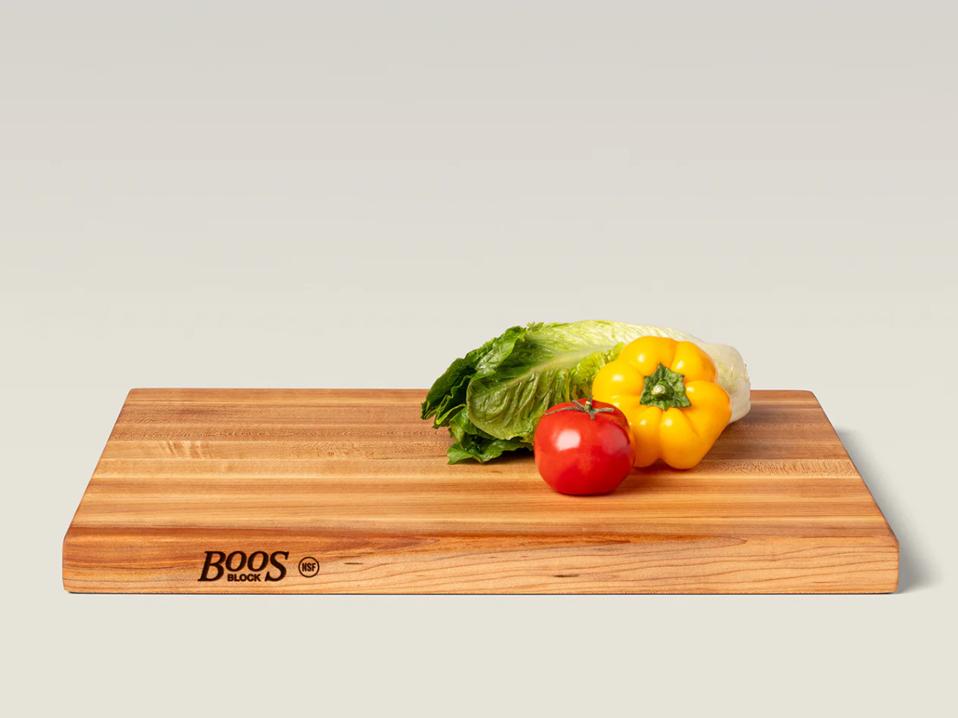
Credit: www.forbes.com
Choosing Cutting Boards
Choosing the right cutting boards helps keep your kitchen safe and clean.
Different boards suit different tasks. Picking the right ones saves time and effort.
Types Of Cutting Boards
There are many types of cutting boards. Each type works best for certain foods.
- Wood boards are gentle on knives and good for bread and vegetables.
- Plastic boards are easy to clean and suit raw meat and fish.
- Bamboo boards are hard and resist water but can dull knives faster.
- Glass boards look nice but can damage knife edges and slip easily.
Materials And Durability
Cutting boards come in different materials. Each has pros and cons for durability.
| Material | Durability | Care |
| Wood | Lasts long if oiled | Hand wash only |
| Plastic | Can warp or scratch | Dishwasher safe |
| Bamboo | Hard but can crack | Hand wash, oil sometimes |
| Glass | Very durable but brittle | Dishwasher safe |
Size And Shape Options
Boards come in many sizes and shapes. Pick sizes that fit your kitchen and tasks.
- Large boards work well for big tasks like cutting vegetables.
- Small boards are good for fruits or quick snacks.
- Round boards suit serving cheese or bread.
- Rectangular boards fit better on most countertops.
Number Of Boards By Food Type
Using different cutting boards for various foods helps keep your kitchen safe. It stops bacteria from spreading between foods.
Knowing how many boards to use depends on the types of food you prepare often. This guide explains the best practice.
Boards For Meat And Poultry
Meat and poultry carry bacteria that can cause illness. Always use a separate board for these foods.
Choose a board that is easy to clean and sanitize. Plastic boards work well because they do not absorb juices.
- Use one board for raw beef, pork, and lamb
- Use a different board for raw chicken and turkey
- Clean and sanitize after each use
Boards For Vegetables And Fruits
Vegetables and fruits can carry dirt and germs. Use a separate board to keep them safe from meat juices.
Wood or plastic boards work well for fruits and vegetables. They should be cleaned well after each use.
- Use one board for all vegetables
- Use the same board for fruits
- Wash boards thoroughly after cutting
Boards For Bread And Cheese
Bread and cheese need their own boards to keep flavors pure. Avoid using boards that held raw foods.
Wood boards are popular for bread and cheese. They help keep bread fresh and cheese from sticking.
- Use one board only for bread
- Use a different board for cheese
- Clean boards after each use to prevent mold
Preventing Cross-contamination
Using cutting boards properly helps stop germs from spreading. Cross-contamination happens when bacteria move from one food to another. This can cause food poisoning.
Having enough cutting boards is key. It keeps raw meat, vegetables, and cooked foods separate. This way, you keep your food safe and clean.
Color-coding Systems
Color-coding is an easy way to avoid mixing foods. Assign each color to a food type. This stops juices and germs from crossing over.
Use different colors for:
- Red for raw meat
- Green for vegetables and fruits
- Blue for raw fish and seafood
- Yellow for cooked foods
- Brown for cooked meats
- White for bakery or dairy
Cleaning And Maintenance Tips
Clean cutting boards well after each use. Use hot, soapy water to remove food and germs. Rinse and dry them completely to stop bacteria growth.
Replace cutting boards if they have deep cuts. Bacteria hide in cracks and are hard to clean. Use separate brushes or sponges for cleaning boards.
- Wash boards immediately after use
- Use hot water and soap
- Sanitize with vinegar or bleach solution
- Air dry upright to prevent moisture
- Inspect boards often for damage
Space And Storage Considerations
Choosing how many cutting boards you need depends on your kitchen space. Small kitchens need smart storage ideas.
Think about where you will keep your boards. Easy access saves time and keeps your space neat.
Compact Solutions
Compact cutting boards fit well in kitchens with limited space. They are easy to store and use.
- Choose boards that can hang on hooks or racks.
- Look for foldable or flexible cutting boards.
- Use wall-mounted holders to free up counter space.
- Keep boards in drawers with dividers to avoid clutter.
Stackable And Multi-use Boards
Stackable and multi-use cutting boards save space and add function. They fit well in small kitchens.
| Type | Features | Storage Tip |
| Stackable Boards | Can be piled to save space | Use vertical holders or drawer dividers |
| Multi-Use Boards | Serve as cutting surface and tray | Store on countertop or in easy reach spots |
| Boards with Containers | Include built-in bins for scraps | Keep near trash or compost area |
Budget And Replacement
Cutting boards are essential kitchen tools. Knowing how many you need depends on your budget and when to replace them.
Choosing the right cutting boards helps keep your kitchen safe and organized. It also impacts how often you buy new ones.
Cost Vs. Quality
Cutting boards come in many prices. Cheaper boards save money upfront but may wear out fast. Higher quality boards cost more but last longer.
| Type | Price Range | Durability |
| Plastic | Low | Medium |
| Wood | Medium to High | High |
| Bamboo | Medium | High |
| Composite | High | Very High |
It is smart to buy a few quality boards instead of many cheap ones. Quality boards resist deep cuts and bacteria.
When To Replace Cutting Boards
Cutting boards need replacement when they show wear or damage. Old boards can harbor germs and cause health risks.
- Replace boards with deep grooves or cracks.
- Change boards that smell bad after cleaning.
- Swap out boards if they warp or split.
- Consider replacing plastic boards after heavy knife marks.
- Replace wooden boards every few years or if damaged.

Credit: wordswithboards.com

Credit: www.amazon.ca
Frequently Asked Questions
How Many Cutting Boards Should A Home Kitchen Have?
Most home kitchens benefit from having at least three cutting boards. This allows separation of raw meats, vegetables, and cooked foods. Using separate boards prevents cross-contamination. A variety of sizes can also be helpful for different tasks. Consider material and durability when choosing.
What Materials Are Best For Cutting Boards?
Wood, plastic, and bamboo are popular cutting board materials. Wood is durable and gentle on knives. Plastic is easy to clean and affordable. Bamboo is eco-friendly and resistant to bacteria. Each material has unique benefits, so consider your specific needs and preferences.
Should I Use Separate Cutting Boards For Meat?
Yes, it’s recommended to use separate boards for raw meat. This prevents cross-contamination with other foods. Designating a board specifically for meat ensures better hygiene in the kitchen. Consider color-coding or labeling boards for easy identification.
How Do I Maintain My Cutting Boards?
Regular cleaning and proper storage maintain cutting boards. Wash them with hot, soapy water after each use. Occasionally sanitize with vinegar or hydrogen peroxide. Oil wooden boards monthly to prevent drying and cracking. Store them upright to ensure proper air circulation and longevity.
Conclusion
Choosing the right number of cutting boards keeps your kitchen safe and clean. Using separate boards for meat, vegetables, and bread helps avoid germs. It also makes cooking easier and faster. Consider your cooking habits and space before buying boards.
Quality matters more than quantity. Keep your boards in good shape by cleaning them well. A few well-chosen cutting boards can serve all your kitchen needs. Simple steps lead to healthier meals and less mess. Your kitchen will stay organized, and food will taste better.