Have you ever wondered how much cooler your air conditioner can actually make your home? You probably expect it to turn your hot, sticky room into a refreshing oasis, but there’s more to it than just pressing a button.
Understanding how many degrees an air conditioner can cool can help you set realistic expectations and get the most comfort without wasting energy or money. You’ll discover the key factors that affect your AC’s cooling power and learn simple tips to keep your space perfectly cool all summer long.
Keep reading—you’ll be surprised at what your air conditioner can really do for you!

Credit: www.aljazeera.com
Air Conditioner Cooling Capacity
An air conditioner’s cooling capacity tells how much heat it can remove from a room. It helps you know how well the AC can cool the space.
The cooling capacity depends on many factors like the size of the room and the power of the AC unit. This capacity affects how many degrees the AC can lower the temperature.
Btu And Cooling Power
BTU stands for British Thermal Unit. It measures how much heat the air conditioner can remove per hour.
Higher BTU means the AC can cool larger rooms or cool faster. For example, a 5,000 BTU unit cools a small room, while a 12,000 BTU unit cools a bigger area.
- 1 BTU cools 1 pound of water by 1°F
- ACs usually range from 5,000 to 24,000 BTU
- BTU rating helps match AC to room size
Factors Affecting Cooling Efficiency
Cooling efficiency depends on more than just BTU. Room size, insulation, and outside temperature all play a role.
Other factors like the AC’s age and maintenance also affect how well it cools the air. Good airflow helps the AC work better.
- Room size: Larger rooms need higher BTU AC
- Insulation: Good insulation keeps cool air inside
- Sunlight: More sun means higher cooling demand
- AC maintenance: Clean filters improve airflow
- Outside temperature: Hotter days require more cooling
Temperature Drop Limits
Air conditioners help cool indoor spaces. They have limits on how much they can lower the temperature. Understanding these limits is important for comfort.
Knowing what to expect from your air conditioner can prevent disappointment. It also helps you plan for extreme heat conditions.
Typical Indoor Temperature Range
Most people set air conditioners to a comfortable range. This range is usually between 72°F and 78°F. Keeping this range helps save energy and money.
Comfort levels vary among people. Some prefer cooler settings, while others like it warmer. Finding the right balance is key.
- 72°F for cooler preference
- 75°F for moderate comfort
- 78°F for energy saving
Maximum Degree Difference Achievable
Air conditioners can only lower the temperature by a certain number of degrees. Typically, they can reduce the outside temperature by about 20°F. This limit ensures the system works efficiently.
If it is 100°F outside, your air conditioner might bring it down to 80°F inside. Exceeding this limit might overwork the unit, leading to breakdowns.
| Outside Temperature | Maximum Indoor Cool |
| 90°F | 70°F |
| 100°F | 80°F |
| 110°F | 90°F |
Room Size And Cooling Impact
An air conditioner cools a room by lowering the air temperature. The size of the room changes how much the air conditioner can cool.
Large rooms need more cooling power to reach a comfortable temperature. Small rooms cool down faster with less power.
Small Vs Large Spaces
Small rooms cool quickly because the air conditioner has less space to cool. This means the temperature drops faster.
Large rooms take longer to cool. The air conditioner must work harder to lower the temperature across a bigger area.
- Small room: Cool down quickly, less energy needed
- Large room: Cool down slowly, more energy needed
- Air conditioner size should match room size for best cooling
Insulation And Airflow Effects
Good insulation keeps cool air inside and warm air out. This helps the air conditioner cool the room better.
Poor airflow can block cool air from spreading. Fans and vents help move air evenly in the room.
- Well-insulated rooms stay cooler longer
- Bad insulation lets heat in, making cooling harder
- Proper airflow spreads cool air to all parts of the room
External Conditions Influence
Air conditioners cool indoor spaces by removing heat. The outside weather affects how well they work.
Understanding these factors helps set realistic expectations for cooling performance.
Outdoor Temperature Role
The hotter it is outside, the harder an air conditioner must work to cool inside. High outdoor temperatures reduce its cooling capacity.
- When outside temperature rises, the air conditioner runs longer.
- Extreme heat can limit cooling by 10 to 20 degrees Fahrenheit below outside temperature.
- Very high temperatures may cause the system to overheat or shut down.
Humidity And Cooling Performance
Humidity affects how cool the air feels. Air conditioners remove moisture, which helps lower indoor humidity.
| Humidity Level | Effect on Cooling | User Experience |
|---|---|---|
| Low (0-30%) | Less moisture removed | Air feels cooler and dryer |
| Moderate (30-60%) | Optimal moisture removal | Comfortable and cool indoors |
| High (60%+) | More moisture to remove | Air feels warmer and sticky |
Energy Usage And Efficiency
Air conditioners cool indoor spaces by removing heat. The energy used depends on the unit’s efficiency and the temperature difference it creates.
Knowing how energy use relates to cooling helps save money and reduce power waste.
Energy Consumption Vs Cooling Output
An air conditioner’s power use rises as it cools more degrees. Cooling a room by 10 degrees uses less energy than cooling it by 20 degrees.
- Cooling output is measured in British Thermal Units (BTUs).
- Energy use is measured in watts or kilowatts.
- Higher cooling output with lower energy use means better efficiency.
- Room size and insulation affect how much energy the AC needs.
Seer Ratings And Savings
SEER stands for Seasonal Energy Efficiency Ratio. It shows how much cooling a unit provides per unit of electricity used.
| SEER Rating | Cooling Efficiency | Energy Savings |
| 13 (minimum) | Basic efficiency | Lowest savings |
| 16 | Good efficiency | Moderate savings |
| 20+ | High efficiency | Best savings |

Credit: www.reddit.com
Tips For Optimal Cooling
Air conditioners can lower room temperatures effectively. Understanding how to set and maintain them helps improve cooling.
Use these tips to get the most from your air conditioner and keep your space comfortable.
Proper Thermostat Settings
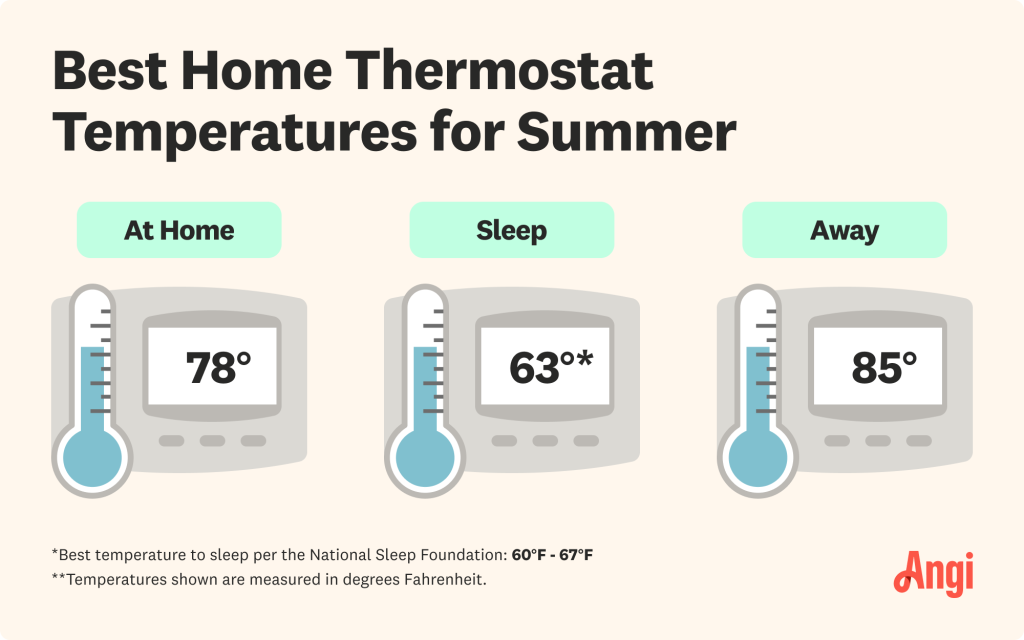
Set your thermostat to a temperature that balances comfort and energy use. Avoid setting it too low to prevent strain on the system.
- Keep the thermostat at about 75°F (24°C) for cooling.
- Use a programmable thermostat to adjust settings when you are away.
- Close doors and windows to keep cool air inside.
- Use fans to help circulate the cool air.
Maintenance For Best Performance
Regular maintenance keeps your air conditioner running well and cools efficiently. Clean and check parts often.
| Maintenance Task | Frequency |
| Replace or clean air filters | Every 1-3 months |
| Check refrigerant levels | Once a year |
| Clean coils and fins | Annually |
| Inspect and clear drainage | Annually |
Advanced Cooling Technologies
Air conditioners use new technologies to cool rooms more efficiently. These systems help lower temperatures quickly and save energy.
Understanding these technologies can help you see how many degrees an air conditioner can cool your space.
Inverter Air Conditioners
Inverter air conditioners adjust their compressor speed. This means they cool rooms faster and keep the temperature steady.
They can cool a room by about 15 to 20 degrees Fahrenheit below the outside temperature. This makes them more efficient than older models.
- Save energy by running at variable speeds
- Cool rooms quickly and maintain set temperatures
- Reduce wear and tear on the compressor
Smart Cooling Systems
Smart cooling systems use sensors and apps to control room temperature. They adjust cooling based on room use and outside weather.
These systems help maintain comfort while using less energy. They can cool rooms efficiently by focusing on where cooling is needed most.
- Use motion sensors to detect room occupancy
- Adjust cooling based on real-time weather data
- Allow remote temperature control through smartphones

Credit: www.reddit.com
Frequently Asked Questions
How Many Degrees Can An Air Conditioner Lower Room Temperature?
An air conditioner typically cools a room by 15 to 20 degrees Fahrenheit. This depends on factors like outside temperature, AC capacity, and insulation quality. Proper sizing and maintenance ensure optimal cooling performance and energy efficiency.
What Limits The Cooling Capacity Of An Air Conditioner?
Cooling capacity is limited by the AC unit’s size, compressor efficiency, and refrigerant type. External factors like room size, insulation, and heat gain also affect cooling ability. Proper installation and upkeep help maximize cooling potential.
Can An Air Conditioner Cool Below 60 Degrees Fahrenheit?
Most residential air conditioners struggle to cool rooms below 60°F. They are designed to maintain comfortable temperatures around 70°F. Cooling much lower requires specialized equipment or industrial-grade AC systems.
Does Outdoor Temperature Affect Air Conditioner Cooling Efficiency?
Yes, higher outdoor temperatures reduce an air conditioner’s efficiency. The unit works harder to remove heat, which can limit its cooling range. Keeping windows and doors closed helps maintain indoor cooling effectiveness.
Conclusion
An air conditioner can usually cool a room by about 15 to 20 degrees Fahrenheit. Many factors affect how well it cools, like room size and outside temperature. Choosing the right AC size helps it work better and save energy.
Regular maintenance keeps your unit running smoothly. Knowing these basics helps you set realistic cooling expectations. Stay comfortable without overloading your system or your bills. Cooling your space efficiently is simple with the right knowledge.