Have you ever been confused while following a recipe and wondered, “How many dry cups are in a liquid cup?” You’re not alone. Measuring ingredients correctly can make or break your dish, and understanding the difference between dry and liquid cups is key.
This simple but important detail can save you from kitchen disasters and ensure your meals turn out just right. Keep reading, and you’ll discover clear answers that will make your cooking and baking easier and more accurate every time.

Credit: desertislanddishes.co
Liquid Vs Dry Cups
Measuring cups come in two main types: liquid and dry. Each type is made to measure ingredients accurately.
Understanding the difference helps you get the right amount for recipes.
Differences In Measurement
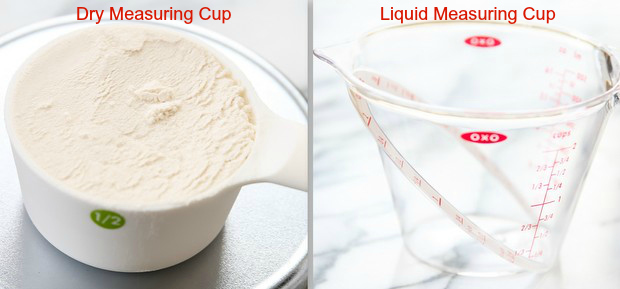
Liquid cups measure volume using space inside the cup. They usually have a spout for easy pouring.
Dry cups measure ingredients by weight or volume but have straight sides to level off dry goods.
| Type | Measurement Method | Design Features |
| Liquid Cup | Volume (fluid ounces) | Clear sides, spout, space to fill |
| Dry Cup | Volume or weight (dry ounces) | Straight sides, no spout, meant for leveling |
Common Uses For Each
Liquid measuring cups work best for water, milk, oil, and other liquids. They help avoid spills.
Dry measuring cups are ideal for flour, sugar, grains, and similar ingredients. You fill and level them.
- Liquid cups: measuring milk, broth, juice, and oil
- Dry cups: measuring flour, sugar, rice, and nuts
- Use liquid cups for liquids to see the exact level
- Use dry cups to scoop and level dry ingredients
Credit: kirbiecravings.com
Standard Cup Sizes
Measuring cups are common in cooking and baking. Knowing the difference between dry and liquid cups helps with accuracy. This guide explains standard cup sizes for dry and liquid measurements.
Understanding cup sizes is important because recipes may use different standards. Let’s look at how US and metric cups compare and how cup sizes vary worldwide.
Us Vs Metric Cups
The US cup is different from the metric cup. The US cup equals 240 milliliters. The metric cup equals 250 milliliters. This small difference can change recipe results.
| Type of Cup | Volume (milliliters) | Used For |
|---|---|---|
| US Liquid Cup | 240 ml | Measuring liquids |
| US Dry Cup | Varies (approx. 236 ml) | Measuring dry ingredients |
| Metric Cup | 250 ml | Used in most countries outside the US |
Dry cups in the US may not have an exact volume because they measure weight, not volume. Liquid cups measure volume directly. This difference matters for flour, sugar, and other dry items.
Variations Around The World
Many countries use different cup sizes. Some use metric cups, others use imperial or traditional cups. This causes confusion in international recipes.
- Australia uses a 250 ml cup for both dry and liquid ingredients.
- Canada mostly uses metric cups but also US cups in some recipes.
- UK often uses weight measures instead of cups.
- Japan uses a 200 ml cup, smaller than the US or metric cup.
Check which cup size a recipe uses before measuring. This helps avoid mistakes and ensures better cooking results.
Converting Dry To Liquid Cups
Measuring ingredients correctly is key in cooking and baking. Dry and liquid cups measure different things.
This guide helps you understand how to convert dry cups to liquid cups for better accuracy.
General Conversion Ratios
Dry ingredients and liquid ingredients have different densities. This affects how much fits in one cup.
| Dry Ingredient | Approximate Liquid Cup Equivalent |
| Flour | 1 cup dry ≈ 0.45 cup liquid |
| Sugar | 1 cup dry ≈ 0.5 cup liquid |
| Rice | 1 cup dry ≈ 0.5 cup liquid |
| Oats | 1 cup dry ≈ 0.4 cup liquid |
Factors Affecting Accuracy
Several things can change how accurate your dry to liquid cup conversion is.
- Ingredient density varies by type and brand
- How tightly you pack dry ingredients
- Moisture content in dry ingredients
- Measuring tool shape and size differences
- Temperature and humidity in your kitchen
Use a kitchen scale for best results. It measures weight, not volume.
Practical Conversion Tips
Understanding how dry cups compare to liquid cups helps in cooking and baking. The two types of cups measure different things.
Dry cups measure weight, while liquid cups measure volume. This difference can cause confusion during recipes.
Measuring Dry Ingredients
Dry ingredients like flour or sugar are measured by weight or volume in dry cups. Dry cups are usually filled and leveled off.
One dry cup does not equal one liquid cup in volume because dry ingredients settle differently.
- Use a dry measuring cup for ingredients like flour, oats, or nuts.
- Fill the cup and level it with a flat edge for accuracy.
- Weigh ingredients if possible for best results.
Measuring Liquid Ingredients
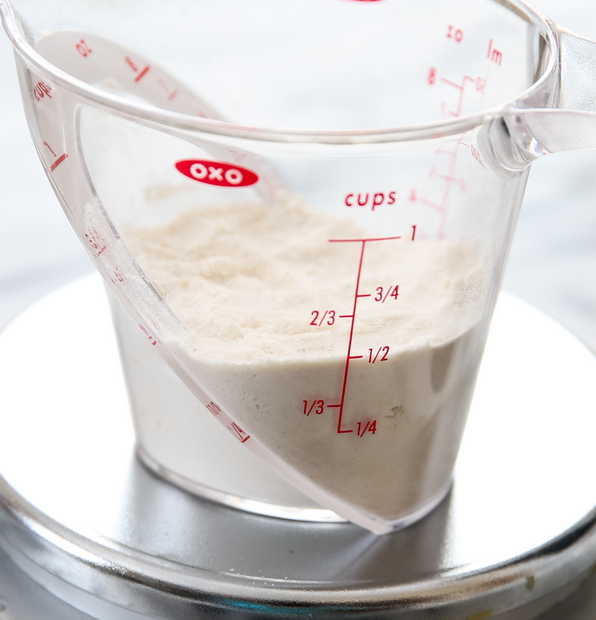
Liquid cups measure the volume of liquids like water, milk, or oil. They have space for the liquid to move and are marked clearly.
Use a liquid measuring cup on a flat surface and check the level at eye line for accuracy.
- Choose a transparent cup with volume marks.
- Pour liquid slowly to the desired mark.
- Check the liquid level at eye height to avoid errors.
Tools For Accurate Measurement
Measuring ingredients accurately is important in cooking and baking. Using the right tools helps get correct amounts every time.
Different tools work best for dry or liquid ingredients. Scales can add more precision for both types.
Dry Measuring Cups
Dry measuring cups are made for measuring ingredients like flour, sugar, and grains. They come in sets of different sizes.
- Fill the cup to the top without packing
- Level off excess with a flat edge
- Use clear cups to see the amount easily
Liquid Measuring Cups
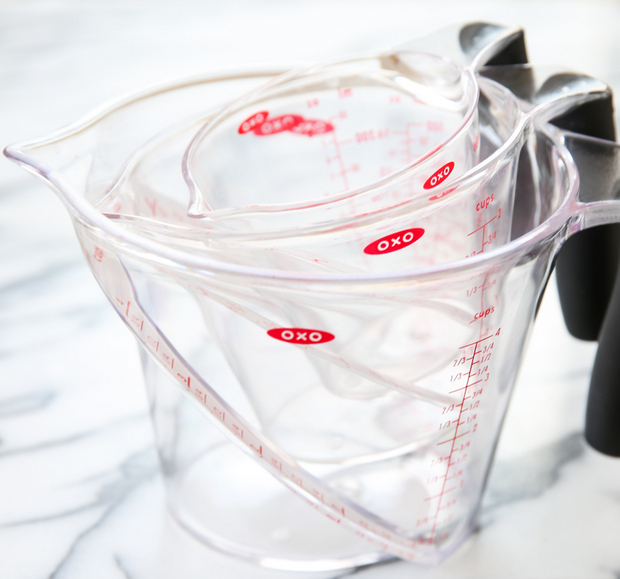
Liquid measuring cups are usually clear and have a pouring spout. They show measurements on the side in cups and milliliters.
| Size | Common Use |
| 1 cup (8 fl oz) | Measuring water, milk, oil |
| 2 cups (16 fl oz) | Measuring larger liquid amounts |
| 4 cups (32 fl oz) | Measuring for recipes needing more liquid |
Using Scales For Precision
Kitchen scales measure ingredients by weight. They give very accurate results for both dry and liquid items.
- Place a bowl on the scale and zero it
- Add the ingredient slowly to reach the desired weight
- Use grams or ounces as needed for the recipe
Common Ingredient Conversions
Cooking and baking often require converting dry cups to liquid cups. Knowing these conversions saves time and improves recipes.
This guide shows common ingredient conversions for flour, sugar, butter, and liquids.
Flour
Flour is lighter than liquids. One liquid cup holds less flour by weight. Use this to measure correctly.
| Type | Dry Cups | Equivalent Liquid Cups |
| All-purpose flour | 1 cup | About 0.42 liquid cup |
| Whole wheat flour | 1 cup | About 0.40 liquid cup |
Sugar
Sugar is denser than flour. It fits differently in liquid cups. Here are common sugar conversions.
- 1 dry cup granulated sugar = 0.48 liquid cup
- 1 dry cup powdered sugar = 0.50 liquid cup
- 1 dry cup brown sugar (packed) = 0.47 liquid cup
Butter
Butter is solid but melts to liquid. Use these conversions for dry to liquid cups.
| Form | Dry Cups | Liquid Cups |
| Butter (solid) | 1 cup | 0.92 liquid cup |
| Butter (melted) | 1 cup | 1 liquid cup |
Liquids
Liquids measure the same in dry or liquid cups. Use these tips to measure liquids correctly.
- 1 liquid cup = 1 dry cup for water, milk, oil
- Use a liquid measuring cup for accuracy
- Pour on a flat surface and check eye level
Avoiding Measurement Mistakes
Measuring dry cups as liquid cups can cause errors in recipes. Dry and liquid cups hold different amounts.
Knowing how many dry cups equal a liquid cup helps avoid mistakes. This keeps your cooking accurate.
Why It Matters In Recipes
Dry ingredients like flour weigh less than the same liquid volume. Using liquid cups for dry ingredients leads to wrong amounts.
This affects the texture and taste of food. Baking is especially sensitive to these changes.
- Too much flour makes baked goods dry and tough
- Too little flour can make them too soft or wet
- Correct measurements ensure proper cooking time
Tips For Consistent Results
Use the right measuring cup for each ingredient. Dry cups for dry items and liquid cups for liquids.
Level off dry ingredients with a flat edge. This gives a true measurement.
- Fluff flour before measuring to avoid packing
- Use a liquid measuring cup with a spout for easy pouring
- Check measurements at eye level to avoid errors
Credit: kirbiecravings.com
Frequently Asked Questions
What Is The Difference Between Dry And Liquid Cups?
A dry cup measures weight, while a liquid cup measures volume. Dry ingredients like flour or sugar use dry cups. Liquid ingredients like milk or oil use liquid cups. This distinction ensures accurate measurements in cooking and baking.
How Many Dry Cups Equal One Liquid Cup?
One liquid cup typically equals 1. 06 dry cups. However, this can vary based on ingredient density. For accuracy, use specific measuring tools for dry and liquid ingredients.
Can I Use A Liquid Cup For Dry Ingredients?
It’s not recommended to use a liquid cup for dry ingredients. Liquid cups measure volume, not weight. This can lead to inaccurate measurements, affecting your recipe’s outcome. Use dry measuring cups for precise results.
Why Are Dry And Liquid Measurements Different?
Dry and liquid measurements differ due to ingredient density. Dry ingredients are measured by weight, while liquids are measured by volume. This ensures accuracy in recipes. Using the correct measuring tools prevents cooking errors.
Conclusion
Knowing how many dry cups fit into a liquid cup helps in cooking and baking. Measurements can differ, so always check the ingredient type. Using the right tools makes your recipes turn out better. This simple tip saves time and avoids mistakes.
Keep this in mind next time you cook. It makes your kitchen work easier and more fun. Simple steps lead to great results.