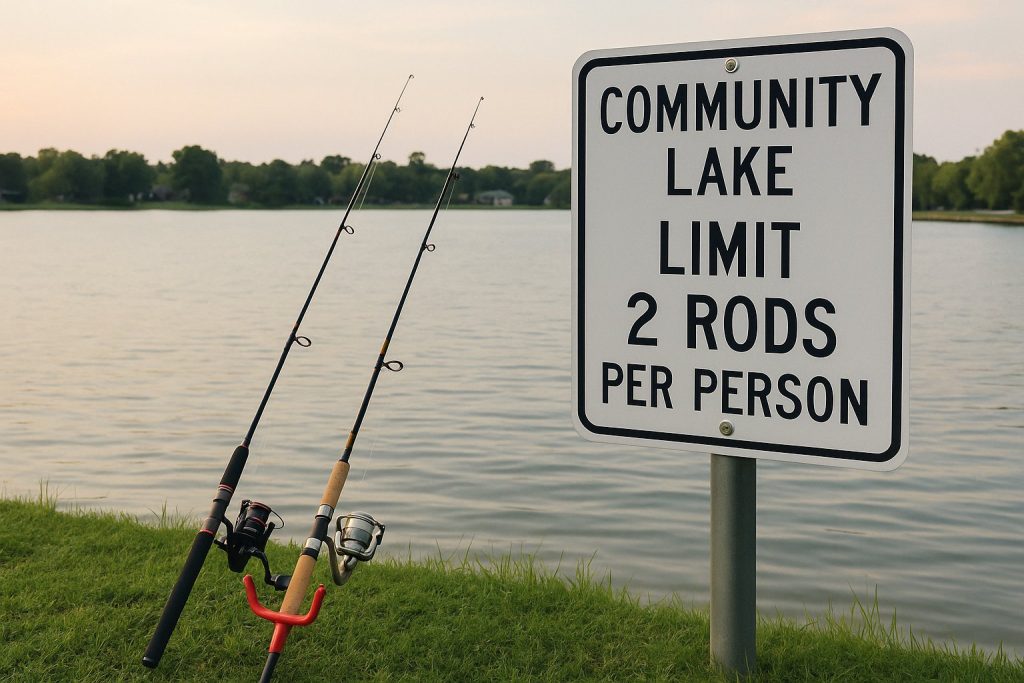
Are you wondering how many fishing rods you really need when you head out to fish? Whether you’re a beginner or an experienced angler, this question can make a big difference in your fishing experience.
Having too many rods can be overwhelming and costly, while having too few might limit your chances of success. You’ll discover the ideal number of fishing rods per person to bring along, helping you fish smarter, not harder. Keep reading to find out how to make the most of your time on the water and catch more fish with the right gear.

Credit: fishingbooker.com
Factors Influencing The Number Of Fishing Rods
Choosing how many fishing rods to bring depends on many things. The type of fishing affects your need for different rods. Your skill level also plays a role. The fish you want to catch matters too.
Understanding these factors helps you pack the right gear. It avoids carrying too much or too little. This guide covers the main points to consider.
Type Of Fishing
Different fishing styles require different rods. Some need multiple rods for varied techniques. Others use just one rod for a simple approach.
- Fly fishing often needs one specialized rod.
- Surf fishing may require several rods for casting at different distances.
- Ice fishing usually uses short rods but can need multiple lines.
- Boat fishing might call for rods set up for different baits or depths.
Skill Level And Experience
Beginners often start with one rod to keep things simple. Experienced anglers might use several rods to increase their chances. Using many rods needs skill to manage them well.
| Skill Level | Recommended Number of Rods |
| Beginner | 1 |
| Intermediate | 2-3 |
| Advanced | 3 or more |
Target Species
Different fish need different rods. Some species require strong rods. Others need light, sensitive rods for small fish. Matching rods to fish improves success and protects your gear.
Consider these points:
- Large fish like tuna need heavy-duty rods.
- Trout fishing works best with medium or light rods.
- Small panfish need delicate rods for better feel.
- Using multiple rods allows targeting several species at once.
Legal Regulations And Limits
Fishing rules vary by location and aim to protect wildlife. Knowing these laws helps you fish legally. One important rule is how many rods a person can use.
Limits on fishing rods depend on state and country laws. You must follow these to avoid fines or penalties. Let’s look at the main legal points.
State And Country Laws
Each state or country sets rules about fishing rods. Some places allow only one rod per person. Others let anglers use two or more, but with conditions.
- Most US states limit use to one or two rods per person.
- Some states require rods to be attended at all times.
- Commercial fishing usually has different rules than recreational fishing.
- Countries outside the US may have stricter or more relaxed limits.
- Illegal use of extra rods can lead to fines or loss of fishing privileges.
Fishing Licenses And Permits
Fishing licenses and permits regulate who can fish and how. They often include rules about the number of rods allowed. Always check your license details before fishing.
| License Type | Max Rods Allowed | Notes |
| Recreational License | 1-2 rods | Varies by state |
| Commercial Permit | Multiple rods | Usually with special conditions |
| Special Permits | Varies | For specific waters or species |
Benefits Of Owning Multiple Fishing Rods
Owning more than one fishing rod can improve your fishing experience. Different rods serve different purposes. They help you catch various fish types and fish in different places.
Having multiple rods ready means you can switch quickly. This saves time and keeps you fishing longer without trouble.
Versatility And Adaptability
Different fishing rods work best for different fish and water. Some rods are good for small fish, others for big fish. Using the right rod improves your chance of catching fish.
Multiple rods let you change your fishing style fast. You can fish in rivers, lakes, or the sea without problems. This way, you enjoy fishing in many places.
- Light rods for small fish or calm water
- Heavy rods for big fish or rough water
- Spinning rods for easy casting
- Baitcasting rods for accuracy
Backup And Redundancy
Having extra fishing rods is smart. If one breaks or gets tangled, you have a backup ready. This keeps your fishing trip going without delays.
Backup rods help in unexpected situations. You avoid losing time fixing or waiting. This means more fishing and less frustration.
- Quickly replace broken rods
- Use backups during busy fishing trips
- Test new rods without stopping

Credit: fishingbooker.com
Choosing The Right Fishing Rods
Choosing the right fishing rod is important for a good fishing experience. The right rod helps you catch fish easier and enjoy your time outdoors.
You need to think about rod length, action, material, and durability. These factors affect how well the rod works and how long it lasts.
Rod Length And Action
Rod length affects your casting distance and control. Longer rods cast farther but are harder to control. Shorter rods offer more control but shorter casts.
Action means how much the rod bends. Fast action rods bend near the tip. Medium action rods bend in the middle. Slow action rods bend near the handle.
- Fast action rods are good for heavy lures and strong fish.
- Medium action rods are versatile for many fishing types.
- Slow action rods work well for light lures and small fish.
Material And Durability
Fishing rods come in different materials like fiberglass, graphite, and composite. Each has its own strength and weight.
| Material | Strength | Weight | Durability |
| Fiberglass | High | Heavy | Very durable |
| Graphite | Medium | Light | Less durable |
| Composite | Medium-High | Medium | Good durability |
Choose a rod that fits your fishing style and lasts long. Durability is key if you fish often or in rough places.
Budget Considerations
Choosing how many fishing rods per person depends on your budget. You want good quality without spending too much. This guide helps balance cost and value.
There are options for every budget. From new rods to second-hand gear, you can find what fits your needs.
Balancing Cost And Quality
Buying a fishing rod means thinking about price and how well it works. Cheap rods may break easily. Expensive rods last longer but cost more. Find a middle ground for the best experience.
- Set a budget before shopping
- Look for rods with good reviews
- Choose rods with a warranty
- Compare features like weight and length
- Buy from trusted brands
Second-hand Options
Used fishing rods can save money. Check the rod’s condition before buying. Look for cracks, rust, or loose parts. Some used rods perform like new ones.
| Condition | What to Check | Price Range |
| Like New | No damage, clean guides | 50%-70% of new price |
| Good | Minor scratches, functional guides | 30%-50% of new price |
| Fair | Wear and tear, may need repairs | 10%-30% of new price |
| Poor | Broken parts, not recommended | Below 10% of new price |
Storing And Maintaining Fishing Rods
Keeping your fishing rods in good shape helps them last longer. Proper storage and care prevent damage and wear.
Knowing how to store and maintain rods is important for every angler. It keeps rods ready for your next fishing trip.
Proper Storage Techniques
Store fishing rods in a dry, cool place to avoid damage. Keep them away from direct sunlight to protect the material.
Use rod racks or holders to keep rods upright and secure. Avoid leaning rods against walls or leaving them on the floor.
- Keep rods separate to avoid tangling
- Use protective sleeves or covers
- Store rods vertically or horizontally on racks
- Avoid placing heavy objects on rods
- Check storage areas for moisture or pests
Regular Cleaning And Inspection
Clean fishing rods after each use, especially if used in saltwater. Rinse with fresh water to remove dirt and salt.
Inspect rods for cracks, loose guides, or damage before storage. Fix small issues early to avoid bigger problems.
- Use a soft cloth to wipe down rods
- Check guides and reel seats for wear
- Tighten any loose parts
- Dry rods completely before storing
- Replace damaged parts as needed
Tips For Beginners
Choosing how many fishing rods to have can be confusing for beginners. It depends on your fishing style and goals.
Start simple and build your collection over time. This helps you learn what works best for you.
Starting With Essential Rods
Begin with one or two rods that cover common fishing types. This keeps things easy and affordable.
Choose rods for general use, like a medium-action rod for freshwater fishing. This rod works well for many fish.
- One medium-action spinning rod
- One baitcasting rod for heavier baits
- Rods that match your local fishing spots
Gradual Expansion Of Collection
Add rods slowly as you gain experience. This lets you try different fishing methods and fish types.
Consider rods for specific uses, like fly fishing or saltwater fishing, when you feel ready.
- Try a light rod for small fish
- Add a heavy rod for big fish
- Include specialty rods based on your interest

Credit: fishingbooker.com
Frequently Asked Questions
How Many Fishing Rods Should One Person Use?
Typically, one fishing rod per person is sufficient for most fishing trips. Using a single rod helps maintain focus and control. However, some anglers carry an extra rod for different bait or fishing styles. Ultimately, the number depends on personal preference and fishing conditions.
Can I Use Multiple Fishing Rods At Once?
Many fishing regulations limit the number of rods used simultaneously. Usually, one or two rods per person are allowed. Using multiple rods can increase catch chances but may require more attention. Always check local fishing laws to avoid penalties.
Why Carry An Extra Fishing Rod Per Person?
An extra rod allows quick switching between techniques or bait types. It saves time when changing setups and adapts to varying fishing conditions. Carrying a backup also helps if the primary rod breaks or malfunctions during a trip.
Does Fishing Rod Number Affect Catch Rate?
Having more rods can increase catch opportunities but might reduce focus. Managing multiple rods requires skill to prevent tangling and missed bites. For beginners, one rod is recommended to improve technique and patience.
Conclusion
Choosing the right number of fishing rods matters for a good trip. One rod per person usually works well. It keeps things simple and avoids confusion. More rods can be useful for different fishing styles. Yet, too many rods may create clutter and trouble.
Think about your fishing spot and goals before packing. Remember, quality beats quantity when fishing gear is concerned. Enjoy your time by the water with the gear you need. Fishing should be fun and stress-free. Keep it easy and focus on the catch.