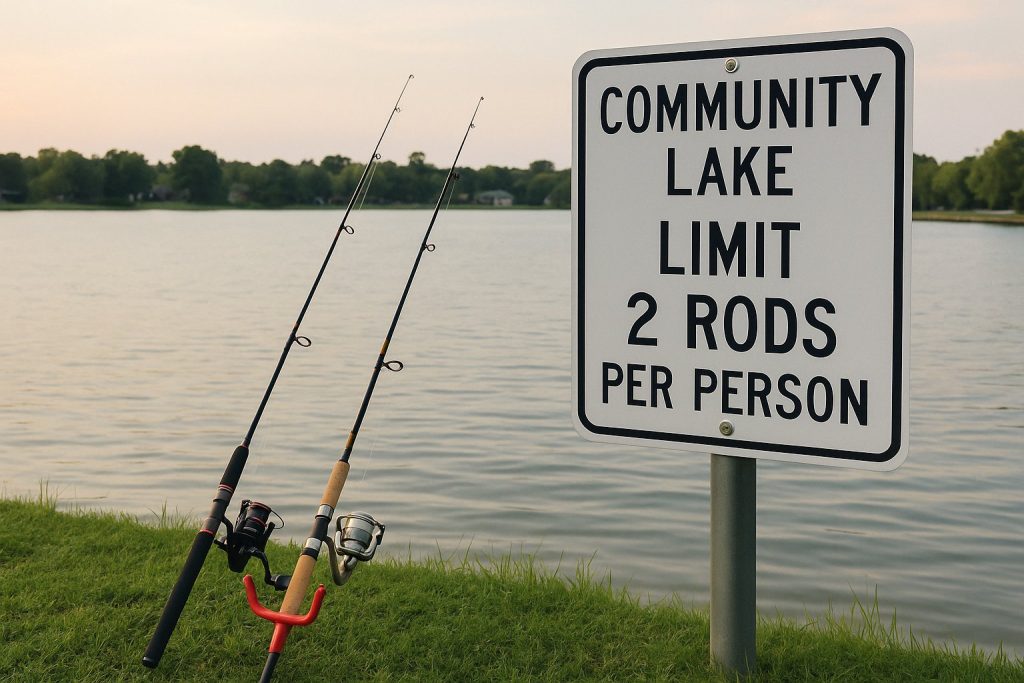
Wondering how many fishing rods you really need for a great day on the water? Whether you’re a beginner or a seasoned angler, choosing the right number of rods can make all the difference.
Too few, and you might miss out on the perfect catch; too many, and you could end up overwhelmed and unorganized. You’ll discover the ideal number of fishing rods per person to boost your success and enjoyment. Keep reading to find out how to simplify your gear and fish smarter, not harder.

Credit: fishingbooker.com
Fishing Rod Limits Explained
Knowing how many fishing rods you can use is important for following the law. Different places have different rules about fishing rods per person. These rules help protect fish and keep fishing fair for everyone.
This guide explains fishing rod limits by region, the difference between state and federal rules, and what licenses you need. Understanding these rules will help you fish responsibly.
Regulations By Region
Fishing rod limits vary depending on where you fish. Each state or region sets its own rules to manage fish stocks and protect the environment.
- Some states allow only one rod per person.
- Other regions may permit two or more rods.
- In certain areas, rod limits depend on the type of fish or water body.
- Special rules may apply for saltwater and freshwater fishing.
State Vs Federal Rules
State and federal governments both set fishing rules. State rules usually cover local waters. Federal rules apply to federal waters and protected species.
| Authority | Area Covered | Rod Limits Example |
| State | Inland lakes and rivers | 1–2 rods per person |
| Federal | Offshore waters and national parks | 1 rod per person in many cases |
Licensing Requirements
Most places require a fishing license to fish legally. Licenses help fund conservation and enforce rules. The number of rods you can use often depends on your license type.
Here is a simple list of common license rules related to fishing rods:
- Basic licenses usually allow one rod per person.
- Special or commercial licenses may allow multiple rods.
- Youth or senior licenses sometimes have different limits.
- Always check your license details before fishing.
Factors Influencing Rod Limits
Fishing rules often limit how many rods a person can use. These limits help protect fish and keep fishing fair for everyone.
Many factors affect how many rods you can use. Knowing these can help you follow the rules and enjoy fishing safely.
Type Of Fish Targeted
Different fish need different fishing gear. Rod limits may change depending on the fish species you want to catch.
- Some fish need special rods that are limited in number.
- Larger fish may require fewer rods per person to avoid overfishing.
- Local laws may set rod limits based on fish size and type.
Fishing Method Used
The way you fish can affect rod limits. Different methods have different rules for how many rods you can use.
| Fishing Method | Typical Rod Limit |
| Bank Fishing | 2 rods per person |
| Boat Fishing | 3 rods per person |
| Fly Fishing | 1 rod per person |
| Ice Fishing | 2 rods per person |
Fishing Location
Fishing spots have their own rules. Rod limits depend on local regulations and the environment.
Common location rules include:
- Freshwater lakes often allow 2 rods per person.
- Saltwater areas may limit to 3 rods per person.
- Protected areas may only permit 1 rod per person.
Common Rod Limits In Popular Destinations
Fishing rod limits control how many rods each person can use. These rules help protect fish and keep fishing fair. Limits vary depending on location and type of water.
Knowing the rod limits before fishing lets you follow the law. Here are common rod limits in popular freshwater and saltwater spots.
Freshwater Limits
Freshwater rod limits often allow one or two rods per person. Many states set the limit to avoid overfishing. Some places may allow more rods with special permits.
- California usually allows two rods per person
- Florida freshwater lakes often limit one rod per person
- New York permits two rods in most freshwater areas
- Texas allows two rods but has exceptions in some lakes
Saltwater Limits
Saltwater fishing often has stricter rod limits. Many coastal areas allow only one or two rods. This helps protect marine ecosystems and endangered species.
- Florida saltwater usually allows two rods per person
- California saltwater areas often limit to one rod per person
- Alaska generally permits two rods for saltwater fishing
- New Jersey saltwater fishing limits one rod in some zones
Special Zones And Exceptions
Some areas have special rules for rod limits. Protected zones may limit rods to one or none. Exceptions exist for tournaments or licensed guides.
| Location | Rod Limit | Notes |
|---|---|---|
| Florida Keys National Marine Sanctuary | One rod | Strict protection zone |
| Great Lakes Special Management Areas | Two rods | Permit may be required |
| Alaska Guided Fishing | Three rods | For licensed guides only |
| California Marine Protected Areas | Zero or one rod | Varies by zone |
Consequences Of Exceeding Rod Limits
Fishing regulations often limit the number of rods per person. These rules protect fish populations and ensure fair fishing. Breaking these limits can lead to serious consequences.
Understanding the effects of exceeding rod limits helps anglers follow laws and protect the environment. This article covers fines, environmental impact, and legal enforcement.
Fines And Penalties
Authorities impose fines and penalties on anglers who use too many rods. These punishments vary by region but often include monetary fines and loss of fishing privileges.
- Monetary fines ranging from $50 to $500 or more
- Confiscation of fishing equipment
- Temporary or permanent suspension of fishing licenses
- Possible court appearances for repeat offenses
Impact On Fish Populations
Using more rods than allowed increases catch rates. This can harm fish populations and disrupt ecosystems. Overfishing reduces breeding stock and lowers fish numbers.
| Effect | Result |
|---|---|
| Overfishing | Decline in fish numbers |
| Disruption of breeding | Lower reproduction rates |
| Damage to habitats | Loss of shelter and food sources |
| Imbalance in ecosystem | Negative impact on other species |
Legal Enforcement
Law enforcement officers patrol fishing areas to check compliance. They can issue warnings, fines, or arrest anglers breaking rod limits. Reporting and community support help enforcement.
- Routine patrols by wildlife officers
- Random checks at fishing spots
- Use of surveillance and community tips
- Legal action against repeat offenders
Tips For Managing Multiple Rods
Handling several fishing rods at once can be tricky. Careful management helps avoid tangles and damage.
Use smart methods to keep your rods safe and easy to use. This guide covers safe handling, transport, and efficiency tips.
Safe Handling Practices
Always hold your rods firmly and avoid swinging them near others. Check for loose parts before use.
- Keep rods away from sharp objects
- Use rod covers to protect tips
- Handle reels gently to avoid damage
- Keep lines untangled during use
Transport And Storage
Transport rods in a secure case or rack to prevent breaks. Store rods upright or flat in a dry place.
| Method | Benefit |
| Rod Case | Protects from impact and weather |
| Rod Rack | Keeps rods organized and untangled |
| Wall Mount | Saves space and prevents warping |
| Soft Sleeve | Guards against scratches |
Maximizing Efficiency
Label your rods by type or bait to find them fast. Keep a checklist for each rod’s gear and condition.
Try this simple checklist:
- Label rod handles with tape
- Store matching reels and lines together
- Check for damage before fishing
- Clean rods after use

Credit: fishingbooker.com
Equipment Alternatives To Multiple Rods
Carrying many fishing rods can be heavy and hard to manage. There are smart ways to fish well without needing multiple rods. These alternatives help you stay efficient and enjoy fishing more.
This guide covers multi-line rigs, rod sharing strategies, and advanced fishing gear. Each offers a way to reduce the number of rods you need.
Multi-line Rigs
Multi-line rigs let you use several lines on one rod. You can catch more fish without extra gear. These rigs often have multiple hooks on a single line.
- Use a spreader bar to keep lines apart
- Attach multiple hooks for different bait types
- Check local rules about multi-hook rigs
- Use different bait to attract more fish
Rod Sharing Strategies
Sharing rods with fishing partners saves space and gear. It also helps when fishing from small boats or crowded spots. Good communication and planning make sharing easy.
| Strategy | Benefit | Tip |
| Alternate Casting | Less gear needed | Take turns casting and reeling |
| Divide Duties | Use rods for different fish | One handles bait, other reels |
| Use Quick Release | Switch rods fast | Attach rods with easy clips |
Advanced Fishing Gear
Modern gear can replace multiple rods by increasing efficiency. Tools like electronic bite alarms and multi-purpose rods help you fish smarter.
- Electronic bite alarms signal when fish bite
- Telescopic rods collapse for easy transport
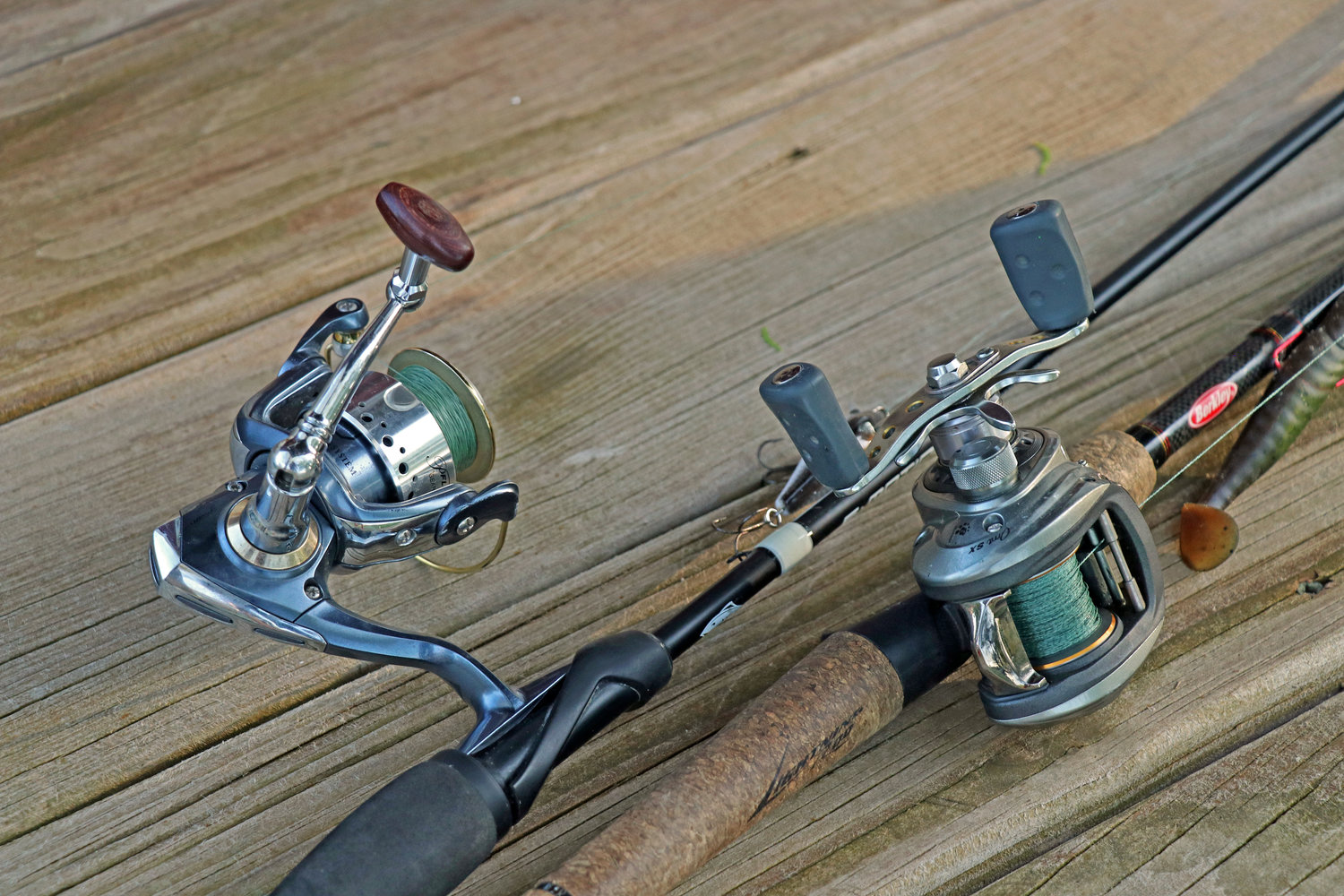
- Combo rods serve as both spinning and casting rods
- Smart reels adjust drag automatically
Staying Updated On Regulations
Knowing how many fishing rods you can use is important. Rules change often, so stay informed.
Following the rules helps protect fish and the environment. It also keeps your fishing legal.
Where To Find Latest Rules
Check official websites for the newest fishing regulations. These sites update rules regularly.
Local government and fishery departments post rules online. They often include limits on rods per person.
- State fish and wildlife agency websites
- Local government fishing pages
- Official fishing license information
Seasonal Changes
Fishing rod limits can change with seasons. Some times allow more rods than others.
Seasonal rules protect fish during spawning or migration. Always check season dates before fishing.
- Spring may have stricter limits
- Summer often allows more gear
- Fall and winter rules vary by location
Joining Local Fishing Groups
Local fishing groups share useful rule updates. Members often learn about changes first.
Groups provide advice on how many rods you can use. They help you follow laws and enjoy fishing.
- Meet experienced local anglers
- Receive alerts on regulation updates
- Share tips on fishing gear rules
Credit: www.texaskayakfisher.com
Frequently Asked Questions
How Many Fishing Rods Should One Person Have?
One person typically needs one or two fishing rods. This allows flexibility for different fishing techniques and species. Having multiple rods helps switch baits or lures quickly without re-rigging. However, carrying too many rods can be cumbersome and unnecessary for casual fishing.
Can One Fishing Rod Cover All Fishing Types?
No, one fishing rod usually cannot cover all fishing types. Different fishing styles require rods with varied lengths, actions, and power. For example, freshwater and saltwater fishing need specialized rods. Anglers often carry multiple rods tailored to their target fish and environment.
Is It Okay To Share Fishing Rods Among Friends?
Sharing fishing rods is possible but not always ideal. Personal preference and rod setup vary among anglers. Sharing can reduce costs and gear needs for casual trips. However, for serious fishing, having a personal rod ensures comfort and better performance.
What Factors Determine The Number Of Rods Per Person?
Factors include fishing style, target species, and fishing frequency. Beginners often start with one rod, while experienced anglers use several. Environment type, such as freshwater or saltwater, also influences rod choice. Budget and storage capacity affect how many rods one owns.
Conclusion
Choosing the right number of fishing rods is essential. It ensures an enjoyable fishing trip. Consider your fishing style and needs. Think about the type of fish you aim to catch. Different rods suit different situations. A lightweight rod helps for small fish.
Heavier rods work better for big catches. Balancing your equipment makes fishing more efficient. It saves time and effort. Always check local fishing regulations. They may limit the number of rods you can use. Having the right setup boosts your fishing success.
Enjoy your time on the water!