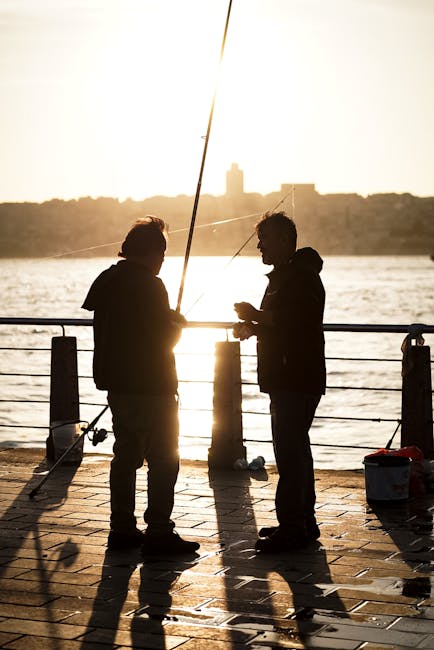
How many fishing rods should you have? It’s a question many anglers ask themselves at some point.
Whether you’re just starting out or thinking about upgrading your gear, the answer isn’t always simple. Having the right number of rods can make your fishing trips more enjoyable and successful. But owning too many can clutter your space and confuse your choices.
You’ll discover exactly how to find the perfect balance for your fishing needs. Keep reading to unlock the secret to smarter fishing gear decisions.

Credit: fishingbooker.com
Factors Influencing Rod Quantity
Choosing how many fishing rods to own depends on several factors. Each factor affects your fishing needs and convenience.
Understanding these factors helps you decide the right number of rods for your fishing trips.
Types Of Fishing Techniques
Different fishing techniques require different rods. For example, fly fishing needs a special rod. Surf fishing uses longer rods.
- Fly fishing rods
- Spinning rods
- Baitcasting rods
- Surf rods
- Trolling rods
Targeted Fish Species
Fish size and strength affect the rod choice. Small fish need light rods. Big fish need stronger rods to handle the fight.
| Fish Species | Recommended Rod Type | Rod Strength |
| Trout | Fly Rod | Light |
| Bass | Spinning Rod | Medium |
| Salmon | Baitcasting Rod | Medium-Heavy |
| Marlin | Trolling Rod | Heavy |
Fishing Locations
Your fishing spots influence rod choice. River fishing may need shorter rods. Ocean fishing often requires longer, stronger rods.
Consider this simple guide for rod length by location:
- Rivers and streams: 6-7 feet rods
- Lakes and ponds: 6-8 feet rods
- Surf fishing: 9-12 feet rods
- Deep sea fishing: Heavy-duty rods over 7 feet
Budget Considerations
Your budget limits the number of rods you can buy. Good quality rods cost more but last longer. Cheap rods may need quick replacement.
- Set a budget for fishing gear
- Buy rods that fit your budget and needs
- Consider buying one versatile rod first
- Expand your collection as funds allow

Credit: fishingbooker.com
Essential Rod Types For Anglers
Choosing the right fishing rods is important for every angler. Different rods suit different fishing styles and fish types.
Knowing essential rod types helps you pick the best gear for your fishing trips.
Spinning Rods
Spinning rods are popular and easy to use. They work well for beginners and experienced anglers alike.
These rods handle light to medium fishing lines and are great for catching small to medium fish.
- Good for freshwater fishing
- Use with spinning reels
- Versatile for many fishing techniques
Baitcasting Rods
Baitcasting rods offer more control and power. They suit anglers who want to cast heavy lures.
These rods pair with baitcasting reels and work well for larger fish in fresh or saltwater.
- Best for accurate casting
- Handle heavier lines and lures
- Requires more practice to use
Fly Rods
Fly rods are unique and used for fly fishing. They cast lightweight flies to catch fish.
These rods are longer and more flexible. They need special fly fishing lines and skills.
- Ideal for trout and salmon fishing
- Uses fly reels and lines
- Good for rivers and streams
Telescopic Rods
Telescopic rods collapse for easy transport and storage. They are handy for travel and hiking.
These rods come in various lengths and can work for many fishing styles. They are quick to set up.
- Compact and portable design
- Good for casual fishing trips
- May not be as durable as fixed rods
Rod Quantity For Beginners
Choosing how many fishing rods to have is important for beginners. It helps you fish better and enjoy your time.
Having too many rods can be confusing and costly. Starting small is often the best choice.
Starting With One Rod
Beginners should start with just one fishing rod. This helps you learn how to use it well.
One rod is enough to try different fishing spots and techniques. It also keeps costs low.
When To Add More Rods
Add more rods when you understand fishing better. Extra rods let you try different types of fishing.
Use more rods if you want to fish with different baits or in various water types.
- You want to fish in both freshwater and saltwater
- You want to try different fishing styles like spinning and baitcasting
- You want to fish with friends or family using multiple rods
Building A Versatile Rod Collection
Having the right fishing rods helps you catch more fish. A versatile collection covers different fishing situations.
Choosing rods depends on the fish you want to catch and the water you fish in. Let’s explore how to build a good set.
Balancing Rod Types
Different rods suit different fishing needs. Balancing rod types gives you options for many places and fish.
Include rods with various lengths, power, and action to handle different baits and fish sizes.
- Light rods for small fish and finesse baits
- Medium rods for general fishing and bigger lures
- Heavy rods for large fish and heavy baits
- Long rods for casting far or fishing in open water
- Short rods for tight spaces or boat fishing
Matching Rods To Fishing Styles
Your fishing style guides which rods you need. Pick rods that fit how and where you fish most.
Different styles need different rods to work well and make fishing easier.
- Spinning rods for light lines and soft baits
- Baitcasting rods for power and accuracy
- Fly rods for fly fishing in streams and rivers
- Surf rods for casting from the shore
- Ice fishing rods for fishing through ice holes
Maintenance And Storage Tips
Taking care of your fishing rods helps them last longer and perform better. Simple maintenance and smart storage keep your gear ready for any fishing trip.
Learn easy ways to clean, protect, and store your rods. This keeps them safe from damage and wear over time.
Proper Rod Care
Clean your rods after every use to remove dirt, salt, and grime. Use fresh water and a soft cloth to wipe them down. Dry rods fully before storing to avoid rust and mold.
- Check guides and tips for cracks or damage.
- Lubricate reel seats to keep them smooth.
- Store rods away from direct sunlight to prevent fading.
- Use rod sleeves or covers to protect delicate parts.
- Avoid leaning rods against walls to prevent warping.
Storage Solutions For Multiple Rods
Organize your rods safely to save space and protect them. Use racks or holders designed to keep rods upright and separated.
| Storage Option | Benefits | Best For |
| Wall-mounted racks | Keeps rods off floor, easy to access | Home or garage storage |
| Rod tubes or cases | Protects rods during travel | Transport or outdoor trips |
| Freestanding rod holders | Portable and flexible placement | Small spaces or boats |
| Ceiling-mounted racks | Maximizes floor space | Garages with high ceilings |
Signs You Need Additional Rods
Having the right number of fishing rods helps you catch more fish. Sometimes one rod is not enough. You may need extra rods to try different fishing styles.
Adding rods lets you adapt to new places and fish types. It also makes fishing more fun and efficient.
Expanding Fishing Techniques
Different fishing methods need different rods. Using the right rod improves your chances of success. For example, you might want to try spinning, baitcasting, or fly fishing.
- You want to try new fishing styles.
- You fish for different kinds of fish.
- You need rods with different lengths or power.
- You want to switch quickly between rods.
- Your current rod breaks or wears out.
Adapting To New Environments
Fishing spots can vary a lot. Some places need special rods. Having extra rods helps you fit the environment and fish better.
| Environment | Rod Type Needed | Reason |
| Freshwater lakes | Medium-light spinning | Good for small to medium fish |
| Saltwater shore | Heavy casting | Handles large fish and strong waves |
| Rivers with fast current | Fast-action rod | Controls bait well in current |
| Fly fishing streams | Fly rod | Needed for fly casting technique |

Credit: texasrodandreel.com
Frequently Asked Questions
How Many Fishing Rods Do Beginners Need?
Beginners typically need one or two rods. One rod is enough to start learning. A second rod adds versatility for different fishing styles. This keeps the gear simple and manageable, helping beginners focus on learning techniques effectively.
Should I Have Different Rods For Various Fish Species?
Yes, different fish species require different rod types. Using species-specific rods improves catch rates and fishing experience. It ensures the right rod strength and action for targeted fish. This approach increases success and enjoyment on the water.
Is It Necessary To Own Multiple Rods For Different Fishing Techniques?
Owning multiple rods helps master various fishing techniques. Each technique, like spinning or fly fishing, needs specific rod features. Having the right rod improves casting, control, and effectiveness. It enhances your adaptability across fishing environments and conditions.
How Often Should I Upgrade Or Add Fishing Rods?
Upgrade or add rods based on fishing goals and experience growth. As skills improve, specialized rods may be needed. Also, consider new fishing environments or target species. Regular evaluation ensures your gear matches your evolving fishing needs.
Conclusion
Choosing the right number of fishing rods depends on your needs. For beginners, one or two rods are enough. They cover most fishing situations. Experienced anglers may prefer more rods. This allows for flexibility and variety. Consider your fishing style and target species.
Think about storage space too. Too many rods can be hard to manage. Start with fewer rods and add more as you grow. Your fishing adventures will guide your collection. Enjoy the journey, and happy fishing!