Welcoming a new baby into your home is an exciting and joyous occasion. But it’s also a time filled with countless tasks and adjustments.
As you prepare for those precious early days, one question might be on your mind: How many freezer meals should you make before your baby arrives? You want to ensure you have enough ready-made, nutritious meals to ease the stress of cooking during those first few weeks.
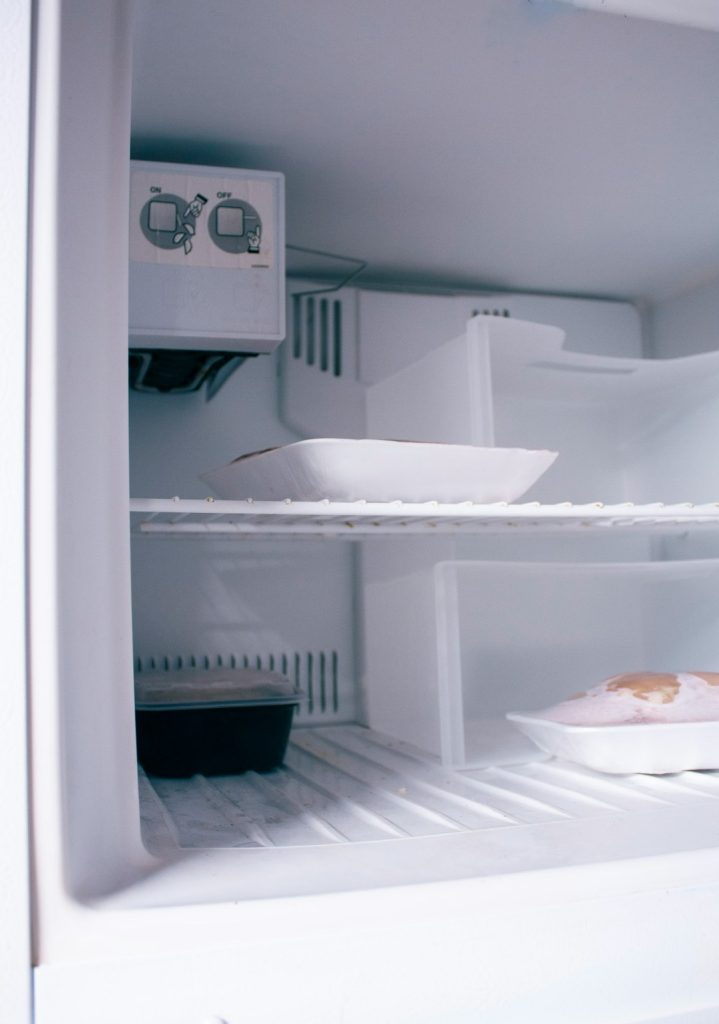
Imagine opening your freezer to find a treasure trove of delicious, homemade meals that save you time and energy. It’s like gifting your future self a little slice of sanity. Dive into our guide to discover how many freezer meals will keep you nourished and relaxed, letting you focus on what truly matters – bonding with your new bundle of joy.
Estimating Meal Needs
Estimating how many freezer meals to prepare before your baby arrives can feel overwhelming. You want enough to cover busy days but not so many that food goes to waste. Breaking down your meal needs by family size, feeding preferences, and visitors helps create a realistic plan.
Assessing Family Size
Start by counting everyone who will regularly eat the meals. If it’s just you and your partner, fewer meals are needed than if you have other children or live with extended family. Think about how often you usually eat together and the typical portion sizes.
For example, a family of four might aim for 15 to 20 meals to get through the first few weeks. Smaller households may need closer to 10. If you expect your baby to start solids quickly, you could plan for extra baby-friendly options as well.
Considering Feeding Preferences
Are you and your family picky eaters or adventurous with food? Planning meals everyone will enjoy reduces waste and stress. You might want to balance comfort foods with nutrient-rich dishes to keep energy levels up during those exhausting early weeks.
Think about any dietary restrictions or allergies too. Preparing a variety of meals ensures you don’t get bored or stuck eating the same dish repeatedly. Have you noticed your family prefers quick reheats, or do you have the time to heat and assemble more complex meals?
Planning For Visitors
Visitors can be a blessing but also add extra mouths to feed. Consider how often you expect friends or family to drop by with meals or for a visit. You might want a few extra freezer meals on hand to share or to accommodate unexpected company.
It’s helpful to prepare a couple of larger dishes that can easily stretch to feed more people. Have you thought about meals that reheat well in big batches, like casseroles or soups? These can save you time and energy when hosting visitors.
Types Of Freezer Meals
Freezer meals come in many forms. Each type offers different benefits for busy new parents. Preparing a variety helps keep mealtime interesting. It also meets different nutritional needs and taste preferences. Choosing the right types makes freezer cooking easier and more efficient.
Casseroles And Bakes
Casseroles and bakes are easy to prepare and freeze. They often combine protein, vegetables, and starch in one dish. Meals like lasagna, enchiladas, and shepherd’s pie work well. These dishes reheat nicely and taste fresh after freezing. They provide a complete meal in a single container.
Soups And Stews
Soups and stews freeze well and are very comforting. They usually have a mix of meat, vegetables, and broth. Popular choices include chicken soup, beef stew, and chili. These meals are easy to portion and reheat quickly. They also offer hydration and warmth during busy days.
Slow Cooker Meals
Slow cooker meals are convenient for freezer prep. You can cook and freeze meals like pulled pork or curry. These dishes stay tender and flavorful after freezing. Just thaw and heat in the slow cooker or stove. They save time and effort on hectic days.
Breakfast Options
Freezing breakfast meals helps start mornings smoothly. Options include egg muffins, pancakes, and breakfast burritos. These foods reheat fast and are easy to eat on the go. Having ready-made breakfast saves time during busy baby days. They also keep energy up for the day ahead.
Meal Frequency And Portion Sizes
Planning freezer meals before your baby arrives means thinking carefully about how often you’ll eat them and in what amounts. Getting the meal frequency and portion sizes right can save you from food waste and stress during those first few hectic weeks. It’s about matching your meals to your needs, your family’s habits, and your baby’s unpredictable schedule.
Daily Meal Counts
Most new parents find themselves eating three main meals a day, but some days might only allow for two or even just one solid meal. Consider how often you realistically want to rely on freezer meals versus fresh or quick snacks. Think about your usual routine—do you prefer batch cooking for every meal or just for dinners? Planning for about 7 to 10 freezer meals can cover dinner for a week or more, giving you flexibility.
Ask yourself: How many meals do I want completely prepared ahead of time? This helps you decide if you need more or fewer freezer meals. You might want to keep some meals fresh for variety or to enjoy cooking when you have energy.
Snack And Side Dishes
Freezer meals don’t have to be just main courses. Snacks and side dishes play a big role in keeping your energy up, especially when feeding a newborn. Prepare items like frozen fruit smoothies, pre-portioned veggies, or mini muffins that you can grab quickly.
Think about including versatile sides that complement multiple meals, like rice, mashed potatoes, or steamed veggies. These make it easier to mix and match meals without feeling stuck on the same dish every day.
Adjusting Portions For Growth
Your baby’s needs will change fast, and so might your eating habits. Portion sizes that feel right in the hospital might feel too much or too little once you’re back home and settling into a routine. Start with standard portions, then adjust based on your hunger and energy levels.
Freezing meals in individual portions can help you control intake and avoid waste. You can always thaw more if you’re extra hungry or combine smaller portions for a larger meal. How will you monitor your changing needs to keep meals just right?

Credit: www.youtube.com
Storage And Shelf Life
Preparing freezer meals before your baby arrives is smart. Knowing how to store them correctly keeps food fresh and safe. Proper storage helps avoid waste and saves time during busy days. Understanding shelf life ensures meals taste good and stay healthy.
Freezer Space Management
Freezer space is limited. Organize meals by size and shape. Use stackable containers to save room. Label each meal with the date and name. Keep a list of meals in your freezer. Rotate older meals to the front for easy use.
Meal Packaging Tips
- Use airtight containers or heavy-duty freezer bags.
- Remove as much air as possible to prevent freezer burn.
- Divide meals into single or family-size portions.
- Label packages with the date and contents clearly.
- Cool cooked meals before freezing to maintain quality.
Safe Storage Times
| Meal Type | Freezer Shelf Life |
|---|---|
| Cooked Meat Dishes | 3 to 4 months |
| Casseroles and Stews | 2 to 3 months |
| Vegetable-Based Meals | 8 to 12 months |
| Soups and Broths | 2 to 3 months |
Use meals within these times for best taste and safety. Check for ice crystals or off smells before eating. Freeze meals in small portions for quick thawing.
Batch Cooking Strategies
Batch cooking before your baby arrives saves time and stress. Preparing multiple meals in one go helps keep your freezer full. It lets you focus on your newborn without worrying about cooking daily. Smart strategies make batch cooking easier and more efficient.
Efficient Cooking Sessions
Choose a day with few distractions. Cook several meals at once to save energy and time. Use recipes with similar cooking times and ingredients. This approach reduces cleanup and keeps your kitchen organized. Double or triple recipes to increase your meal count quickly.
Ingredient Prep Tips
Wash, chop, and measure all ingredients before cooking. Group similar ingredients for different meals to speed up prep. Use clear containers or bowls to hold prepped items. This saves time during cooking and avoids last-minute rushes. Freeze herbs and sauces separately for fresh flavor later.
Labeling And Organizing
Label each freezer meal with the name and date made. Use waterproof markers or printable labels. Organize meals by type or cooking time in your freezer. Store older meals in front to use first. Keeping meals visible prevents waste and saves you from hunting through the freezer.

Credit: www.youtube.com
Balancing Variety And Simplicity
Preparing freezer meals before your baby arrives means juggling variety with simplicity. You want meals that keep your taste buds interested without overwhelming your schedule or kitchen space. Finding that balance helps ensure you’ll actually use the meals and avoid mealtime stress during those busy early weeks.
Mixing Meal Types
Varying the types of meals you prepare keeps things fresh and less repetitive. Think about including a mix of casseroles, soups, stir-fries, and slow-cooker dishes. This variety lets you choose meals based on your energy level or time constraints on any given day.
For example, a hearty lasagna can be a great comfort meal, while a quick chicken and veggie stir-fry offers a lighter, faster option. Having different textures and flavors stored away can prevent mealtime boredom and keep your family satisfied.
Including Comfort Foods
Comfort foods become even more important when your routine gets disrupted by a new baby. You might crave familiar dishes that feel soothing and easy to eat. Including favorites like macaroni and cheese, meatloaf, or chili can provide emotional comfort and nourishment.
Choose meals that warm you up and don’t require much fuss to reheat. These dishes help you feel cared for and give you a sense of normalcy during unpredictable days. What comfort food makes you feel instantly better after a long day?
Adapting To Dietary Restrictions
If you or your family have dietary restrictions, plan your freezer meals accordingly. Gluten-free, vegetarian, or dairy-free options can be just as satisfying and convenient when chosen wisely. Labeling each meal clearly will save you time and avoid confusion later.
Try simple swaps like using gluten-free pasta or adding extra veggies to boost nutrition. Being mindful of these needs now means fewer last-minute meal scrambles and more peace of mind. Are there any specific ingredients you know you’ll want to avoid or include?
Timing Your Prep
Timing your freezer meal prep can ease the stress of early parenthood. Planning ahead helps keep meals ready without last-minute rush. Proper timing balances cooking, freezing, and organizing meals effectively.
When To Start Cooking
Begin meal prep about four to six weeks before the baby arrives. This timing gives enough space for several cooking sessions. Start with simple recipes that freeze well and reheat easily. Early prep avoids overwhelming days closer to delivery.
Pacing Yourself
Spread cooking sessions over days or weekends to avoid burnout. Cook two to three meals per session for steady progress. Keep sessions short to stay motivated and enjoy the process. Rest between sessions helps maintain energy and enthusiasm.
Involving Family Members
Invite family to join cooking sessions for faster prep. Sharing tasks makes the process fun and less tiring. Assign simple jobs like chopping or packing to everyone. This teamwork strengthens bonds and speeds up meal prep.
Meal Reheating And Serving
Preparing freezer meals before your baby arrives saves time and energy. Knowing how to reheat and serve these meals is key to keeping them tasty and fresh. Proper reheating keeps flavors intact and food safe. Serving meals with simple touches makes them more enjoyable. Avoiding meal fatigue helps you stay excited about your prepped dishes.
Best Reheating Methods
- Oven reheating keeps food crispy and evenly heated.
- Microwave is quick but may cause uneven heating.
- Use stovetop for soups and stews to warm gently.
- Thaw meals in the fridge overnight for best results.
- Cover food while reheating to retain moisture.
Serving Suggestions
- Add fresh herbs like parsley or cilantro for a flavor boost.
- Serve with simple sides such as steamed vegetables or rice.
- Use colorful plates to make meals look more appealing.
- Include a small salad to add freshness to the meal.
- Warm bread or rolls pair well with many freezer meals.
Avoiding Meal Fatigue
- Rotate different meals to keep your menu exciting.
- Add new spices or sauces to change flavors easily.
- Mix leftovers into salads or wraps for variety.
- Freeze meals in small portions to avoid overeating the same dish.
- Try simple garnishes like lemon slices or cheese shavings.

Credit: www.youtube.com
Frequently Asked Questions
How Many Freezer Meals Should I Prepare Before Baby Arrives?
Prepare 10-15 freezer meals to cover the first few weeks. This ensures easy access to nutritious, homemade food during busy newborn days. Adjust based on family size and meal preferences for convenience and variety.
When Is The Best Time To Make Freezer Meals Before Baby?
Start cooking 2-4 weeks before your due date. This timing allows you to build a meal stash without feeling rushed. It also helps manage freezer space and prevents last-minute stress.
What Types Of Meals Freeze Well For New Parents?
Choose meals like casseroles, soups, stews, and pasta dishes. These freeze and reheat easily, providing comfort and nutrition. Avoid meals with high water content or delicate textures that may get soggy.
How Should I Store And Label Freezer Meals Effectively?
Use airtight containers or freezer bags to prevent freezer burn. Label each meal with the name and date to keep track. Proper storage ensures freshness and easy meal selection during hectic days.
Conclusion
Preparing freezer meals before baby arrives saves time and reduces stress. Aim for 10 to 15 meals to start. This number helps cover busy days and unexpected moments. Choose simple recipes that freeze and reheat well. Label each meal with the date and contents for easy use.
Remember, quality over quantity matters most. Taking this small step brings peace of mind. Enjoy your new baby without worrying about daily cooking. You’ve got this!