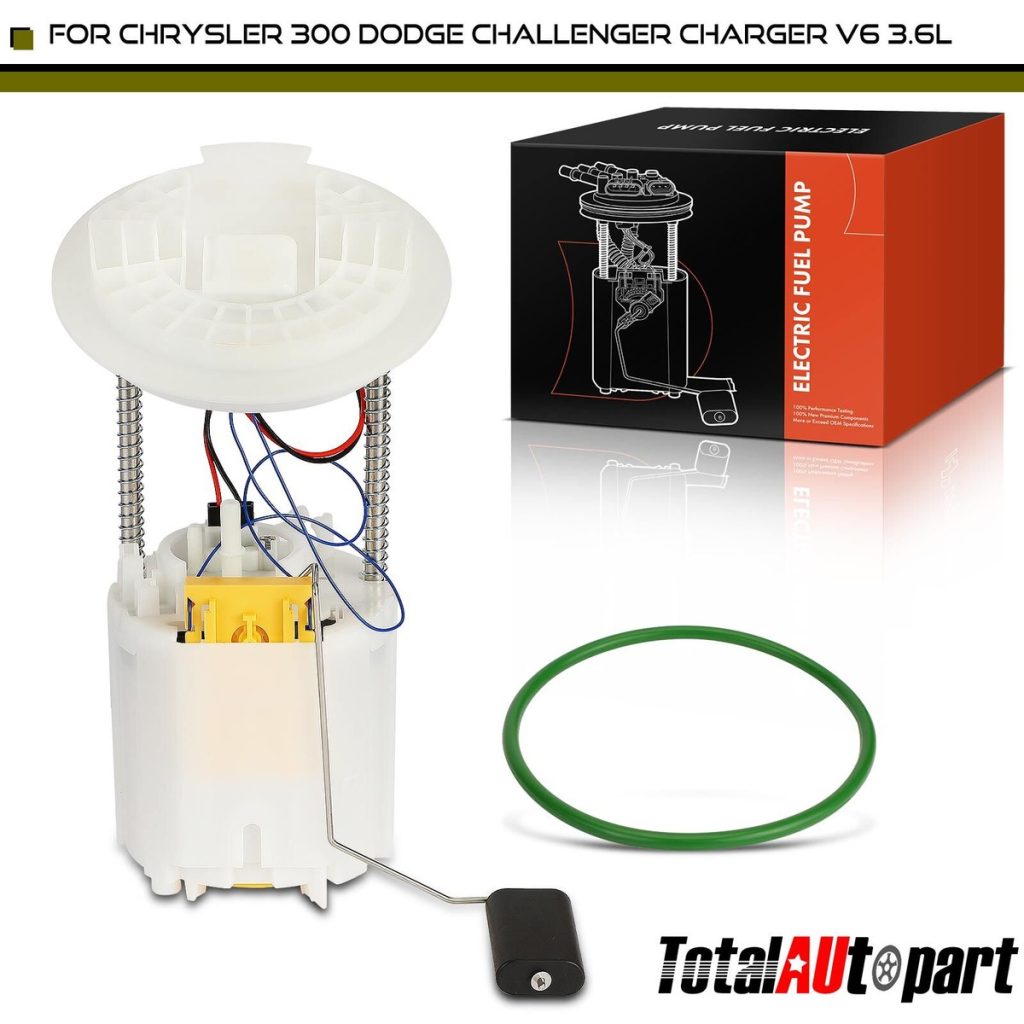
If you own a Dodge Challenger or are thinking about getting one, you might wonder, how many fuel pumps does it have? Knowing this can help you understand how your car delivers power and what keeps it running smoothly.
Fuel pumps play a crucial role in your vehicle’s performance, and getting to know them better can save you time and money on repairs. You’ll discover the exact number of fuel pumps in a Dodge Challenger and why it matters to your driving experience.
Keep reading to unlock the secrets behind your muscle car’s fuel system!
Fuel Pump Basics
Understanding the basics of fuel pumps is essential if you want to keep your Dodge Challenger running smoothly. The fuel pump plays a critical role in delivering fuel from the tank to the engine, ensuring your car performs at its best. Knowing the types and functions of fuel pumps can also help you spot potential problems before they turn into costly repairs.
Role Of Fuel Pumps
The fuel pump’s main job is to push fuel from the tank to the engine’s combustion chamber. Without a working fuel pump, your engine won’t get the fuel it needs to run. It maintains the right pressure to make sure the fuel injectors spray the correct amount of fuel.
Think about a time when your car hesitated or stalled—chances are, a failing fuel pump might have been the cause. If your engine feels weak or you notice difficulty starting, the fuel pump could be struggling to do its job. Have you checked your fuel pump health lately?
Types Of Fuel Pumps
There are generally two main types of fuel pumps used in vehicles like the Dodge Challenger:
- Mechanical Fuel Pumps:These pumps are driven by the engine itself. They are usually found in older car models and operate at lower pressure.
- Electric Fuel Pumps:Most modern cars, including recent Dodge Challengers, use electric fuel pumps. They are located inside the fuel tank and provide consistent fuel pressure for better engine performance.
Electric pumps offer smoother operation and better fuel efficiency, which is why they dominate today’s market. Understanding which type your vehicle uses can help you diagnose fuel delivery issues faster. Do you know which fuel pump your Challenger relies on?

Credit: www.ebay.ca
Dodge Challenger Fuel System
The Dodge Challenger is a powerful muscle car. Its fuel system is crucial for performance. Understanding the fuel system helps in maintaining the car better.
Fuel Delivery Setup
The Challenger uses a sophisticated fuel delivery setup. It ensures efficient fuel flow. This setup includes several components. Each part plays a vital role.
Fuel is drawn from the tank. Then, it moves to the engine. Proper flow is critical for performance. The system maintains this flow at all times.
Location Of Fuel Pumps
The Dodge Challenger features multiple fuel pumps. They are located inside the fuel tank. These pumps work in tandem. Their main task is supplying fuel to the engine.
Knowing their location helps in servicing. It also aids in troubleshooting issues. Regular checks ensure smooth operation.
Number Of Fuel Pumps In Dodge Challenger
The number of fuel pumps in a Dodge Challenger varies by model type. Fuel pumps move gasoline from the tank to the engine. This process is vital for engine performance and efficiency. Knowing how many fuel pumps a Dodge Challenger has helps understand its fuel delivery system.
Standard Models
Most standard Dodge Challenger models come with a single fuel pump. This pump provides enough fuel flow for everyday driving and moderate power demands. The single pump design keeps the system simple and reliable. It also helps reduce maintenance costs and complexity.
High Performance Variants
High performance Dodge Challengers often feature two fuel pumps. These include models like the Hellcat and Demon. Dual pumps deliver more fuel to meet the engine’s higher power needs. This setup improves fuel pressure and ensures consistent fuel supply during intense driving. It helps maintain peak engine performance at all times.

Credit: www.amazon.ca
Fuel Pump Specifications
The fuel pump is a crucial part of your Dodge Challenger’s performance. Understanding its specifications can help you maintain your vehicle better and even improve efficiency. Let’s break down the key details you should know about the fuel pump in your Challenger.
Pump Capacity And Pressure
The fuel pump’s capacity determines how much fuel it can deliver to the engine per hour. In most Dodge Challengers, the pump typically handles between 70 to 120 liters per hour (LPH). This range supports both regular driving and high-performance demands without causing fuel starvation.
Pressure is just as important as capacity. The fuel pump usually operates around 50 to 60 psi (pounds per square inch), ensuring consistent fuel flow to the engine. This pressure keeps the fuel injectors working efficiently, which directly impacts your car’s power and responsiveness.
Compatibility With Engine Types
Your Dodge Challenger’s fuel pump is designed to match the engine it serves. For example, V6 models have a different fuel pump setup than the V8 HEMI engines. The higher-performance engines require pumps that can deliver more fuel at higher pressures to meet their increased demands.
Choosing the right fuel pump means matching it to your engine’s fuel consumption and power output. Installing a pump that’s not compatible can lead to poor performance or even damage. Have you checked if your current pump suits your engine’s needs?
Signs Of Fuel Pump Issues
Recognizing the signs of fuel pump issues in your Dodge Challenger can save you from unexpected breakdowns and costly repairs. The fuel pump is crucial for delivering the right amount of fuel to the engine, and any malfunction can significantly affect your car’s performance.
Paying attention to subtle changes in how your vehicle runs can help you spot problems early. Have you ever felt your car hesitate when accelerating or noticed unusual noises under the hood? These could be clues pointing to fuel pump troubles.
Common Symptoms
- Engine Sputtering:If your Dodge Challenger sputters at high speeds, it may mean the fuel pump is struggling to supply consistent fuel flow.
- Difficulty Starting:A failing fuel pump can cause your engine to crank for longer or not start at all because it’s not getting enough fuel.
- Loss of Power:Experiencing power drops during acceleration or when climbing hills often indicates that the fuel pump isn’t delivering adequate pressure.
- Unusual Noises:A whining or buzzing sound from the fuel tank area can signal a worn-out fuel pump.
- Engine Stalling:Random stalling without warning can be linked to fuel supply interruptions caused by pump failure.
Diagnostic Tips
Start by checking if your Dodge Challenger’s engine cranks normally but fails to start. This can hint at fuel delivery issues.
Use a fuel pressure gauge to measure the fuel pressure at the rail. The pressure should match your vehicle’s specifications, often found in the owner’s manual.
Another practical check is listening for the fuel pump’s priming sound when you turn the ignition key to the “On” position. Silence here may indicate a pump problem.
Don’t overlook the fuel filter; a clogged filter can mimic pump failure symptoms. Replacing it is a simple step before assuming the pump is at fault.
Finally, scanning your vehicle’s onboard diagnostics system can reveal trouble codes related to fuel delivery, guiding you toward the right fix.

Credit: www.ebay.ca
Replacing Fuel Pumps
Replacing fuel pumps in a Dodge Challenger is essential for maintaining engine performance. Fuel pumps deliver gasoline from the tank to the engine, ensuring smooth operation. Over time, these pumps can wear out or fail, causing engine problems. Understanding when and how to replace them helps keep your vehicle running well.
When To Replace
Fuel pumps show signs before they fail completely. Pay attention to these symptoms:
- Engine sputters or stalls during driving
- Difficulty starting the car or no start at all
- Loss of power under heavy acceleration
- Unusual whining noise from the fuel tank area
- Decrease in fuel efficiency
Regular maintenance can prevent sudden failures. Check the fuel pump if the Dodge Challenger has high mileage or fuel delivery issues.
Installation Process
Replacing a fuel pump requires careful steps to ensure safety and proper function. Follow these key points:
- Disconnect the battery to avoid electrical hazards
- Relieve fuel system pressure to prevent fuel spray
- Remove the rear seat or access panel to reach the pump
- Disconnect fuel lines and electrical connectors from the old pump
- Take out the fuel pump assembly carefully without damaging the tank
- Install the new pump, ensuring all seals and connections are tight
- Reassemble all removed parts and reconnect the battery
- Test the fuel pump operation before driving
Using the correct tools and following instructions precisely helps avoid leaks and engine problems. If unsure, seek professional help for installation.
Upgrading Fuel Pumps
Upgrading the fuel pumps in your Dodge Challenger can make a noticeable difference in performance and reliability. Whether you drive it daily or use it for weekend races, better fuel delivery means your engine runs smoother and responds faster. If you’ve ever felt a hesitation or drop in power during acceleration, a fuel pump upgrade might be the fix you need.
Benefits Of Upgrades
Upgrading your fuel pump improves fuel flow, which can boost your car’s horsepower and torque. This means quicker throttle response and a more consistent power output, especially under heavy loads or high speeds.
Enhanced fuel pumps also increase the durability of your fuel system, reducing the risk of overheating or fuel starvation. This is critical if you’ve modified your engine or added a turbocharger, which demands more fuel than stock setups.
Do you want to avoid costly repairs down the line? A high-quality fuel pump upgrade can save you from headaches by maintaining proper fuel pressure and protecting your engine’s health.
Recommended Upgrades For Dodge Challenger
- High-Flow Electric Fuel Pumps:These replace the factory pump with one capable of delivering more fuel at higher pressure, perfect for boosted or nitrous setups.
- In-Tank Fuel Pumps:Upgrading to a high-performance in-tank pump keeps the fuel cool and ensures consistent delivery, preventing vapor lock in hot conditions.
- Fuel Pump Voltage Boosters:Adding a voltage booster can maximize the pump’s output without replacing it, improving fuel pressure and flow with minimal modification.
- Fuel Pressure Regulators:Pairing an upgraded pump with an adjustable regulator lets you fine-tune fuel delivery for different driving conditions or performance goals.
Consider your driving style and engine modifications before choosing an upgrade. What challenges does your current fuel system face? Knowing this will help you pick the right pump and accessories to keep your Dodge Challenger running at its best.
Fuel Pump Maintenance Tips
Keeping your Dodge Challenger’s fuel pump in good shape helps the car run smoothly. Regular maintenance prevents unexpected failures and costly repairs. Simple care steps can keep the fuel system working at its best for longer.
Routine Checks
- Listen for unusual noises from the fuel tank area.
- Watch for engine sputtering or hesitation during acceleration.
- Check fuel pressure regularly with a gauge for proper levels.
- Inspect fuel lines for cracks or leaks near the pump.
- Replace fuel filters on schedule to avoid clogging the pump.
Extending Pump Lifespan
- Use high-quality fuel to reduce dirt and contaminants.
- Avoid running the tank too low; keep at least a quarter full.
- Keep the fuel tank clean and free from debris.
- Turn off the engine before refueling to prevent pressure build-up.
- Have a professional inspect the fuel system yearly.
Frequently Asked Questions
How Many Fuel Pumps Does A Dodge Challenger Have?
Most Dodge Challengers have two fuel pumps: a primary and a secondary. This setup ensures consistent fuel delivery and better performance.
Why Does A Dodge Challenger Need Two Fuel Pumps?
Two fuel pumps provide steady fuel pressure and backup. They enhance engine efficiency and prevent fuel starvation during high demand.
Where Are The Fuel Pumps Located In A Dodge Challenger?
The primary fuel pump is inside the fuel tank. The secondary pump is often mounted near the fuel rail or engine bay.
Can A Dodge Challenger Run With One Fuel Pump?
Yes, but performance may suffer. Running on one pump can cause fuel pressure drops and reduce engine power.
Conclusion
The Dodge Challenger usually has one or two fuel pumps. This depends on the engine type and model year. Dual pumps help deliver fuel more efficiently in powerful versions. Single pumps work fine for standard engines. Knowing this helps with maintenance and repairs.
It also gives insight into how your car performs. Keep your fuel system checked for smooth driving. Simple care keeps your Challenger running strong.