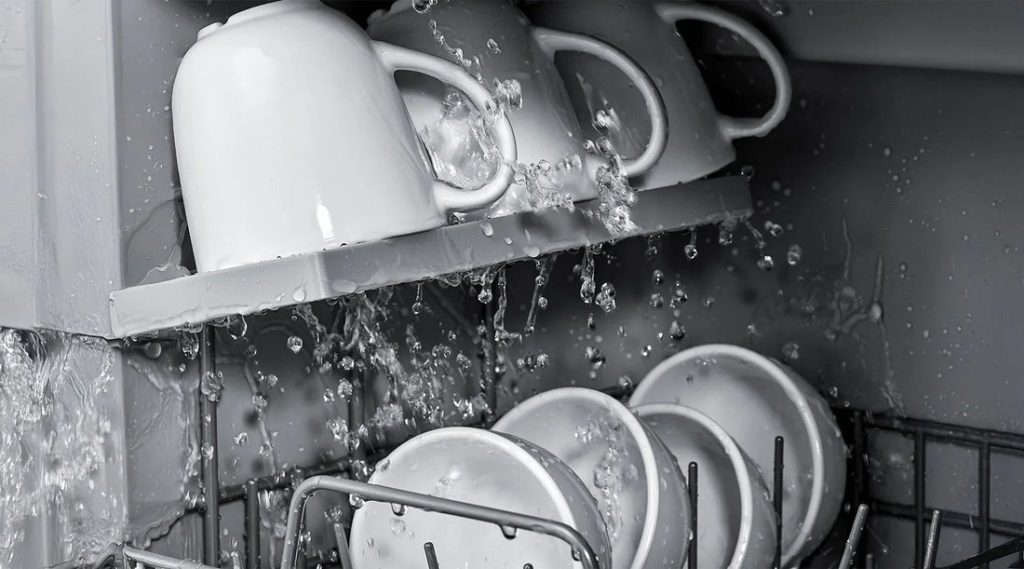
Have you ever wondered how much water your dishwasher actually uses? If you’re looking to save on your water bills or simply want to make more eco-friendly choices, understanding the water consumption of your dishwasher is a great place to start.
You might be surprised to learn that modern dishwashers are designed to be quite efficient, but there are still factors that can affect how many gallons they use per cycle. We’ll uncover the average water usage of dishwashers and share some tips on how you can optimize their efficiency.
Stick around to find out if your dishwasher is a water-saving hero or a hidden guzzler!

Credit: food52.com
Dishwasher Water Usage Basics
Understanding how much water a dishwasher uses helps save resources and reduce bills. Dishwashers vary in water use depending on model and cycle. Knowing the basics can guide better choices for your home and environment.
Average Gallons Per Cycle
Most modern dishwashers use between 3 and 6 gallons of water per cycle. Older models can use up to 10 gallons or more. Energy-efficient dishwashers often use less than 4 gallons. The water amount depends on the cycle type and dishwasher size.
Factors Influencing Water Consumption
- Cycle Selection:Heavy or pots and pans cycles use more water.
- Dishwasher Age:Newer models are designed to use less water.
- Load Size:Full loads are more water-efficient than small loads.
- Soil Level:Heavily soiled dishes require more rinsing and water.
- Water Pressure:Higher pressure can affect water use during the cycle.

Credit: www.slideshare.net
Comparing Dishwashers And Hand Washing
Comparing dishwashers and hand washing reveals key differences in water use and efficiency. Understanding these can help save water and energy. Both methods clean dishes, but their impact varies greatly. Knowing the facts helps make smarter choices at home.
Water Use In Hand Washing
Hand washing dishes usually uses more water than dishwashers. People often leave the tap running, which wastes gallons quickly. Washing a full sink of dishes by hand can use 8 to 27 gallons of water. Rinsing each item under running water adds to the total amount. The water use depends on habits and technique. Using a basin to wash and rinse saves water.
Efficiency Differences
Dishwashers are designed to use water efficiently. Modern models use about 3 to 5 gallons per cycle. They spray water powerfully to clean dishes well with less water. Dishwashers also use heat to dry dishes, saving energy on towel drying. Running a full load maximizes their efficiency. Hand washing can use more water and energy, especially with poor habits.
Energy And Water Efficiency Ratings
Energy and water efficiency ratings play a crucial role in determining how much water and electricity your dishwasher uses. These ratings help you pick a model that saves resources without sacrificing cleaning power. Understanding these ratings can guide you to smarter choices, lowering your utility bills and your environmental impact.
Understanding Energy Star Ratings
Energy Star ratings identify dishwashers that consume less energy than standard models. Appliances with this label use at least 12% less energy and 30% less water than their conventional counterparts. Have you ever checked the Energy Star label before buying a dishwasher? It’s a quick way to spot efficient models.
Energy Star dishwashers also have features like soil sensors that adjust the cycle based on how dirty your dishes are. This means they only use as much water and electricity as needed. Over time, these savings can add up significantly on your utility bills.
Water-saving Technologies
Modern dishwashers include water-saving technologies that dramatically cut down on water use. Some use advanced spray jets to target dishes precisely, requiring less water overall. Others recycle rinse water within the cycle to reduce waste.
Consider dishwashers with variable wash cycles tailored to load size and soil level. These options let you use less water for smaller or lightly soiled loads. Could your current dishwasher benefit from these smarter water-saving features?
- Soil sensors:Detect dirt level and adjust water use accordingly.
- Efficient spray arms:Use water more effectively to cover dishes.
- Eco-friendly wash cycles:Shorter and cooler cycles that save water.
- Rinse water recycling:Reuses water within the same cycle for efficiency.
Tips To Reduce Dishwasher Water Use
Reducing the amount of water your dishwasher uses is easier than you might think. Small changes in how you load, select cycles, and maintain your machine can add up to big savings. These tips help you save water without sacrificing the cleanliness of your dishes.
Loading Techniques
Loading your dishwasher properly makes a big difference in water use. Avoid overcrowding, which can block water spray and force the machine to run longer or use more water to clean effectively.
Place larger items like pots and pans on the sides or back, and angle bowls so water reaches all surfaces. Have you ever noticed spots left on dishes? Proper loading can fix that while saving water.
Cycle Selection
Choosing the right cycle impacts how much water your dishwasher uses. Quick or eco-friendly cycles use less water and energy, perfect for lightly soiled dishes.
If your dishes aren’t heavily soiled, skip the heavy-duty or sanitize settings. Think about how dirty your dishes really are—could a shorter cycle work just as well?
Maintenance Practices
Regular maintenance keeps your dishwasher running efficiently and saves water. Clean the filter often to prevent clogs that make your machine use extra water.
Also, check spray arms for blockages and run a cleaning cycle monthly. You might be surprised how much water waste you avoid just by keeping your dishwasher in good shape.
Environmental Impact Of Water Use
Water use by dishwashers affects the environment in many ways. It impacts water resources and energy consumption. Using water efficiently helps protect nature and saves money. Understanding this impact encourages smarter choices in daily habits.
Water Conservation Benefits
Dishwashers use less water than hand washing in most cases. Modern models use between 3 to 5 gallons per cycle. This is much lower than washing dishes by hand. Saving water reduces strain on local water supplies.
Less water use also means less energy to heat the water. This lowers greenhouse gas emissions. Saving water helps keep rivers and lakes healthy. It protects plants, animals, and ecosystems that depend on clean water.
Reducing Household Water Footprint
Choosing an efficient dishwasher lowers your home’s water footprint. Running full loads maximizes water use efficiency. Avoid rinsing dishes before loading to save extra water.
Fix leaks and maintain your dishwasher regularly. These steps prevent water waste. Small changes add up to big savings over time. Reducing water use helps conserve resources for future generations.

Credit: jalalelectronics.com
Future Trends In Dishwasher Water Use
Dishwasher water use is changing fast. New technologies help save water and energy. These changes aim to reduce water waste while keeping dishes clean. Future dishwashers will be smarter and more efficient. They will use less water but still work well.
Innovations In Water Efficiency
Manufacturers focus on using less water per cycle. New models use sensors to adjust water flow. These sensors detect how dirty the dishes are. If dishes are less dirty, the dishwasher uses less water.
Some dishwashers recycle water inside the machine. This process reduces total water consumption. Low-water jets and spray arms help wash dishes better. These tools use less water but keep dishes clean.
Energy Star-rated dishwashers often use less than 4 gallons per cycle. This is much less than older models. Future dishwashers may use even less water with better tech.
Smart Dishwasher Features
Smart dishwashers connect to Wi-Fi and apps. Users can control settings remotely. They can choose water-saving modes easily.
Some dishwashers learn your habits to save water. They adjust cycle length and water use automatically. Smart sensors can detect the load size and dirt level.
These machines send alerts if there is a leak or too much water use. This helps prevent water waste and damage.
Smart dishwashers also optimize energy use. They run cycles during off-peak hours. This reduces overall water and electricity costs.
Frequently Asked Questions
How Many Gallons Does A Dishwasher Use Per Cycle?
A typical dishwasher uses between 3 to 6 gallons of water per cycle. Modern, efficient models use less water, around 3 gallons. Older dishwashers may consume up to 6 gallons. Water usage depends on the dishwasher’s age, model, and cycle type chosen.
Does Dishwasher Water Usage Affect Utility Bills?
Yes, dishwasher water usage impacts both water and energy bills. Higher water use means more energy to heat water. Efficient dishwashers reduce water and energy consumption. Using eco-friendly cycles further lowers utility costs, saving money over time.
How Can I Reduce Dishwasher Water Consumption?
To reduce water use, run full loads only. Choose eco or light wash cycles. Avoid pre-rinsing dishes under running water. Regularly clean filters and spray arms to maintain efficiency. Upgrading to an ENERGY STAR dishwasher also helps minimize water usage.
Conclusion
Dishwashers use different gallons of water depending on the model. Newer models often use less water than older ones. On average, a dishwasher uses about 4 to 6 gallons per cycle. Saving water also saves money and helps the environment.
Choosing an efficient dishwasher makes a big difference. Running full loads reduces water waste. Simple changes lead to better water use. Small steps matter for your home and the planet.