Are you wondering how many gallons per hour your garden hose can deliver? Knowing this simple fact can make a big difference in how you water your plants, clean your driveway, or tackle any outdoor task.
Imagine saving time, water, and even money just by understanding your hose’s flow rate. You’ll discover easy ways to measure your hose’s gallons per hour and why it matters for your garden and home. Keep reading, and you’ll gain the knowledge to make your watering routine smarter and more efficient.
Gallons Per Hour Basics
Gallons per hour (GPH) measures how much water flows through a garden hose each hour. It helps you know the water supply for your plants and tasks.
Understanding GPH can save water and improve garden care. Different hoses and conditions affect this flow rate.
Factors Affecting Flow Rate
Several things change how many gallons per hour a garden hose can deliver. Knowing these helps you pick the right hose.
- Hose Diameter:Wider hoses let more water flow.
- Water Pressure:Higher pressure pushes water faster.
- Hose Length:Longer hoses lower the flow rate.
- Hose Material:Some materials create more friction inside.
- Attachments:Nozzles or sprinklers can reduce flow.
Typical Garden Hose Flow Rates
Garden hoses usually have flow rates based on size and pressure. Here are common values for standard hoses.
| Hose Diameter | Water Pressure (psi) | Gallons Per Hour (GPH) |
|---|---|---|
| 1/2 inch | 40 | 150 |
| 5/8 inch | 40 | 210 |
| 3/4 inch | 40 | 300 |
| 1 inch | 40 | 500 |
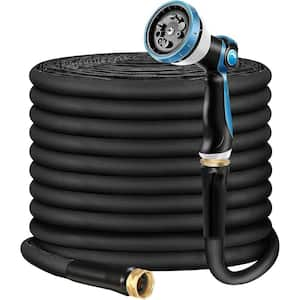
Credit: www.homedepot.com
Measuring Hose Flow
Understanding how many gallons per hour your garden hose delivers is important. It helps in planning your watering schedule efficiently.
Measuring the flow can be done using a few simple tools. Follow these steps to calculate the flow accurately.
Tools Needed For Measurement
Gather these tools to start measuring the water flow from your garden hose.
- A standard garden hose
- A stopwatch or timer
- A large bucket (preferably marked with gallon measurements)
- A measuring cup (if bucket lacks markings)
Step-by-step Measurement Process
Follow this process to calculate the gallons per hour from your hose.
- Connect the hose to a water source securely.
- Place the bucket under the hose nozzle.
- Open the water and start the timer.
- Fill the bucket to a known level and stop the timer.
- Note the time taken to fill the bucket.
- Use the formula: Flow Rate (GPH) = (Bucket Volume / Time in Hours)
Improving Water Efficiency
Using water wisely in your garden saves money and helps the environment. Knowing how many gallons per hour your garden hose uses is key.
Simple changes can reduce water waste and keep plants healthy. Small actions add up to big savings.
Choosing The Right Hose Diameter
The hose diameter affects how much water flows through. A larger diameter delivers more gallons per hour, but may use more water than needed.
Pick a hose size that matches your watering needs. Smaller diameters suit gentle watering and save water.
- 1/2 inch hose: low flow, saves water
- 5/8 inch hose: common for most gardens
- 3/4 inch hose: high flow, good for large areas
Using Nozzles And Timers
Nozzles control water flow and spray pattern. They let you use just the right amount of water for plants.
Timers help you water only when needed. Set times avoid overwatering and save gallons per hour.
- Choose adjustable nozzles for different plants
- Use timers to water early morning or late evening
- Turn off water automatically to prevent waste
Reducing Leaks And Losses
Leaks in hoses or fittings waste water. Fix leaks quickly to keep water use efficient.
Store hoses properly to avoid cracks. Check connections before watering to stop drips.
- Inspect hose for holes and cracks
- Tighten or replace loose fittings
- Drain and store hoses to prevent damage
Impact Of Pressure On Flow
Water pressure affects how much water flows through a garden hose. Higher pressure pushes more water out quickly. Lower pressure means less water flows per hour.
Understanding pressure helps you use your hose efficiently. It also helps protect your plants and saves water.
How Water Pressure Influences Gallons Per Hour
Gallons per hour (GPH) depend on water pressure. Higher pressure forces more gallons through the hose every hour. If pressure drops, the flow slows down.
| Pressure (PSI) | Gallons Per Hour (GPH) |
|---|---|
| 20 | 10 |
| 40 | 20 |
| 60 | 30 |
| 80 | 40 |
| 100 | 50 |
Adjusting Pressure For Optimal Use
You can adjust water pressure for the best flow. Too much pressure can waste water or harm plants. Too little pressure may not water enough.
- Check your water source pressure first.
- Use pressure regulators if needed.
- Choose a hose diameter that fits your pressure.
- Test flow rate after adjustments.
- Keep hose length in mind; longer hoses reduce pressure.
Watering Techniques
Knowing how many gallons per hour your garden hose delivers helps you water plants correctly. It ensures your garden gets enough water without wasting it.
Using smart watering techniques saves water and keeps plants healthy. Adjust your hose flow to match your garden’s needs.
Best Practices For Efficient Watering
Water plants deeply but less often to encourage strong roots. Use a slow flow from your hose to avoid runoff and wasted water.
Check your hose’s gallons per hour rate. This helps you control how much water each plant receives during watering sessions.
- Water early in the morning or late in the evening
- Use a nozzle to control water flow
- Avoid watering on windy days
- Group plants with similar water needs together
Scheduling To Minimize Waste
Set a regular watering schedule based on your garden’s water needs and hose flow rate. This prevents overwatering and saves water.
Adjust watering times during rainy seasons or hot weather. Use timers to keep watering consistent and avoid running the hose too long.
- Water plants early to reduce evaporation
- Use timers to stop watering automatically
- Skip watering after rainfall
- Check soil moisture before watering
Credit: help.gardeningexpress.co.uk
Eco-friendly Watering Tips
Using water wisely in your garden helps save the environment. It also lowers your water bills.
Knowing how many gallons per hour your garden hose uses can guide your watering habits. Using less water keeps plants healthy and saves resources.
Rainwater Harvesting
Collecting rainwater reduces the need for tap water. It is free and good for plants because it has no chemicals.
Use barrels or containers to catch rain from your roof. You can connect hoses to these containers for easy watering.
- Place barrels under downspouts
- Cover barrels to keep out debris
- Use rainwater for garden and lawn
Drought-resistant Plants
Choose plants that need less water. These plants survive well in dry conditions and save water.
Succulents, lavender, and native grasses are good choices. They grow strong with little watering.
- Succulents store water in leaves
- Lavender thrives in dry soil
- Native grasses adapt to local climate
Smart Irrigation Systems
Smart irrigation uses timers and sensors to water only when needed. This reduces water waste.
These systems adjust watering based on soil moisture and weather. They save water and keep plants healthy.
- Timers control watering schedule
- Sensors detect soil moisture
- Automatic shutoff during rain

Credit: www.dripworks.com
Frequently Asked Questions
How Many Gallons Per Hour Does A Garden Hose Deliver?
A typical garden hose delivers about 9 to 17 gallons per minute. This equals 540 to 1,020 gallons per hour, depending on hose diameter and water pressure.
What Affects Garden Hose Water Flow Rate?
Water pressure, hose diameter, and length affect flow rate. Higher pressure and larger diameter increase gallons per hour. Longer hoses reduce flow due to friction.
How To Calculate Gallons Per Hour From Hose Flow?
Measure gallons per minute by timing filling a container. Multiply gallons per minute by 60 to get gallons per hour accurately.
Can Hose Diameter Change Water Usage?
Yes, larger diameter hoses allow more water flow. A 5/8 inch hose flows about 9 GPM; a 3/4 inch hose flows 17 GPM.
Conclusion
Knowing how many gallons per hour your garden hose delivers helps save water. It also ensures your plants get the right amount. Hose size, water pressure, and nozzle type all affect flow rate. Measure your hose’s flow to plan watering better.
This small step can improve garden health and reduce waste. Keep checking regularly for changes in flow. Simple actions lead to smarter watering and a greener garden.