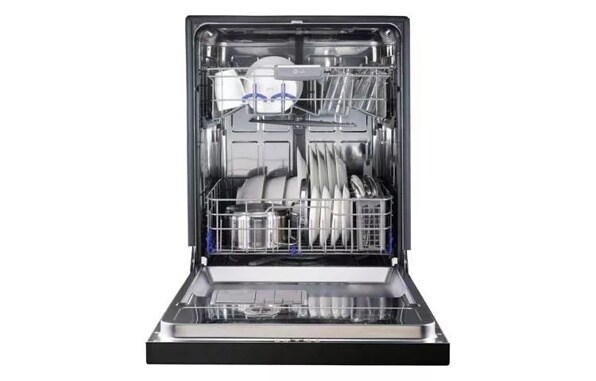
Are you curious about the water efficiency of your household appliances? If you’re like many homeowners, you might be wondering just how much water your dishwasher uses each cycle.
Understanding the gallons per minute (GPM) your dishwasher consumes can help you make informed decisions about water conservation and cost savings. Imagine discovering a simple tweak that could lower your water bill and contribute to environmental preservation. Intrigued? This blog post will dive into the details, revealing not only how many GPM your dishwasher uses but also offering tips on maximizing efficiency.
Keep reading to uncover the secrets of your dishwasher’s water usage and learn how you can make a positive impact on both your wallet and the planet.
Dishwasher Water Usage Basics
Understanding how much water your dishwasher uses can help you save on utility bills and contribute to water conservation. Knowing the basics of dishwasher water usage gives you control over your household resources. It also helps you make smarter choices when selecting or operating your appliance.
Gallons Per Minute Explained
Gallons per minute (GPM) measures the volume of water flowing through your dishwasher every minute. It’s a straightforward way to see how much water your machine consumes during a wash cycle. Typically, dishwashers use between 1.5 to 3.5 gallons per minute, depending on the model and settings.
Think about your last dishwashing cycle: if your dishwasher runs for 30 minutes at 2 gallons per minute, it uses about 60 gallons of water. That’s a lot more than washing dishes by hand with a running tap. Knowing GPM helps you estimate total water usage and identify if your dishwasher is more water-efficient than others.
Factors Influencing Water Use
Several elements affect how much water your dishwasher consumes each cycle. The age and design of your dishwasher play a major role—newer, energy-efficient models usually use less water. Cycle type matters too; heavy or pots-and-pans cycles use more water than quick or eco-friendly settings.
Other factors include:
- Load size:A full load uses water more efficiently than multiple small loads.
- Water pressure:Higher pressure can increase water flow and consumption.
- Soil level:Heavily soiled dishes require more water and longer cycles.
Have you ever noticed your dishwasher running longer or using more water depending on the dirtiness of your dishes? That’s a direct example of how soil level impacts water use. Paying attention to these details can help you adjust your habits to save water.
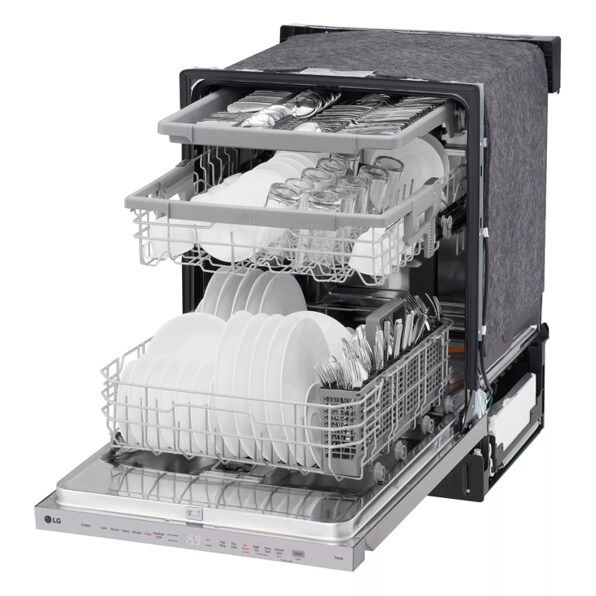
Credit: www.lg.com
Average Gpm For Common Dishwashers
Understanding the average gallons per minute (GPM) used by dishwashers helps gauge water consumption. It also guides choices for saving water and energy in kitchens. Different types of dishwashers have varied GPM rates depending on design and efficiency.
Standard Models
Standard dishwashers typically use about 1.5 to 2.5 GPM during operation. These models run full wash cycles using more water per minute than newer designs. The total water usage usually ranges between 6 to 10 gallons per cycle.
This makes them less efficient compared to modern alternatives. They suit households with moderate dishwashing needs. These dishwashers focus on cleaning power rather than water savings.
Energy-efficient Models
Energy-efficient dishwashers reduce water flow to about 0.8 to 1.5 GPM. They use advanced technology to clean dishes with less water. Some models consume as little as 3 to 5 gallons per cycle.
These machines save water without losing cleaning strength. They help lower utility bills and support eco-friendly living. Ideal for small families or those conscious of resource use.
High-end And Commercial Models
High-end and commercial dishwashers operate at 2.5 to 4 GPM or more. These machines handle heavy loads and quick wash cycles. They use higher water flow to ensure thorough cleaning and sanitation.
Commercial dishwashers are common in restaurants and large kitchens. They prioritize speed and performance over water savings. These units often have powerful jets and multiple wash zones.
Water Consumption Per Cycle
Understanding how much water your dishwasher uses each cycle can help you manage household water consumption better. It’s not just about saving water—it’s also about knowing how your appliance impacts your utility bills. Let’s break down what happens with water during a typical dishwashing cycle.
Typical Cycle Duration
Most dishwasher cycles last between 1 and 2 hours. Some energy-efficient models might run longer but use less water per minute. Quick wash cycles, on the other hand, can finish in under an hour but might use more water rapidly.
Knowing the exact duration of your dishwasher’s cycle helps you estimate total water use and decide if shorter or longer cycles suit your needs better. Have you checked your dishwasher manual to see the cycle times?
Gallons Used Per Cycle
On average, a dishwasher uses about 3 to 6 gallons of water per cycle. Older models tend to use closer to 10-15 gallons, which can add up quickly. Newer Energy Star-rated dishwashers are designed to be more water-efficient.
To put it in perspective, hand washing the same load might use up to 20 gallons. So your dishwasher could be saving water without you even realizing it. How many gallons does your dishwasher use? You might be surprised.
Comparing Cycles And Settings
Different cycles and settings affect water consumption significantly. For example:
- Normal cycle:Uses a moderate amount of water, balancing cleaning and efficiency.
- Heavy-duty cycle:Uses more water to tackle tough, baked-on food.
- Eco or energy-saving cycle:Uses less water but may take longer to complete.
- Rinse-only cycle:Uses the least water, mostly for pre-rinsing dishes.
Choosing the right cycle based on your load can save both water and energy. Next time you run your dishwasher, consider if a lighter cycle might do the job just as well.
Impact Of Water Temperature On Usage
Water temperature plays a key role in dishwasher water usage. It affects how much water the machine needs and how well it cleans dishes. Understanding this impact helps save water and energy while keeping dishes clean.
Hot Vs. Cold Water Intake
Dishwashers usually use hot water for better cleaning. Hot water breaks down grease and food faster. This means the dishwasher can use less water overall.
Using cold water may force the dishwasher to run longer cycles. This increases water use to reach the right temperature inside. Many dishwashers have built-in heaters to warm cold water, which uses extra energy.
Energy And Water Savings
Using hot water directly from your home’s water heater saves energy inside the dishwasher. It reduces the need for internal heating. This cuts down both energy and water use.
Some dishwashers have eco modes that optimize water temperature and flow. These modes reduce water gallons per minute (GPM) without sacrificing cleanliness.
- Hot water intake helps lower total water consumption.
- Preheated water reduces energy used by the dishwasher.
- Eco cycles balance cleaning power and water savings.
Ways To Reduce Dishwasher Water Use
Reducing the water a dishwasher uses helps save money and protects the environment. Simple changes in how you use your dishwasher can cut water use a lot. These tips also keep your dishes clean and your dishwasher working well.
Load Optimization
Fill the dishwasher fully before starting a cycle. Running half-empty loads wastes water and energy. Place dishes properly to allow water to reach all surfaces. Avoid overcrowding to keep cleaning effective. Use the right rack for different dishes to maximize space.
Eco-friendly Settings
Choose eco or water-saving modes on your dishwasher. These settings use less water and energy per cycle. Avoid extra rinse cycles unless necessary. Use shorter wash cycles for lightly soiled dishes. Check your dishwasher manual to learn about water-efficient options.
Regular Maintenance
Clean the dishwasher filter regularly to keep water flowing well. Remove food particles that block water jets. Check spray arms for clogs and clean them if needed. Run a cleaning cycle with dishwasher cleaner once a month. Fix leaks promptly to avoid water waste.
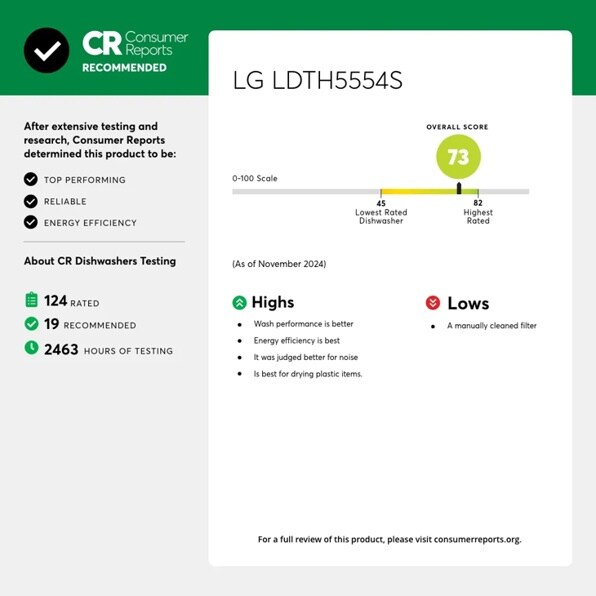
Credit: www.lg.com
Comparing Dishwashers To Hand Washing
Wondering how dishwashers stack up against hand washing in terms of water usage? Comparing these two methods reveals surprising insights about efficiency, time, and energy. Understanding these differences can help you decide the best way to clean your dishes without wasting resources.
Water Efficiency
Dishwashers typically use between 3 to 5 gallons of water per cycle, depending on the model and cycle chosen.
Hand washing, on the other hand, can use up to 20 gallons or more, especially if the water runs continuously.
Think about your last time washing dishes by hand—did you leave the tap running the whole time? Many people do, unknowingly wasting water. Using a dishwasher with a full load can save you gallons every day.
- Modern dishwashers often feature sensors that adjust water use based on how dirty your dishes are.
- Hand washing requires careful control to avoid excess water use, like filling one basin for washing and another for rinsing.
Time And Energy Considerations
Dishwashers save you time by handling the scrubbing and rinsing automatically, freeing you up for other tasks.
They also use less energy per dish compared to heating water for hand washing, especially when running full loads.
Think about how long you spend washing dishes after dinner. Could that time be spent relaxing or doing something you enjoy?
- Dishwashers use electricity but often more efficiently than heating large amounts of water on the stove or in the sink.
- Hand washing can be quicker for a few dishes but becomes inefficient with larger loads.
Would you consider switching to a dishwasher to save both water and energy? Your daily habits could have a bigger impact than you realize.
Choosing A Low Water Usage Dishwasher
Choosing a low water usage dishwasher saves water and lowers utility bills. These dishwashers use less water without reducing cleaning power. Selecting the right model helps protect the environment and reduces household expenses. Pay attention to specific features that ensure efficient water use.
Key Features To Look For
- Water-efficient spray arms that target dishes precisely
- Soil sensors that adjust water usage based on dirt level
- Eco or water-saving wash cycles
- Variable water pressure settings to control flow
- Efficient filtration systems to reuse water during cycles
These features help reduce water use while keeping dishes clean. They also improve energy efficiency and cycle time.
Certifications And Ratings
- Energy Star:Indicates high water and energy efficiency
- WaterSense:Shows compliance with water-saving standards
- Water Factor Rating:Measures water used per place setting
- Manufacturer’s water usage data:Check gallons per cycle
Choosing dishwashers with these certifications ensures you buy a product that saves water. Always compare water usage numbers before making a decision.
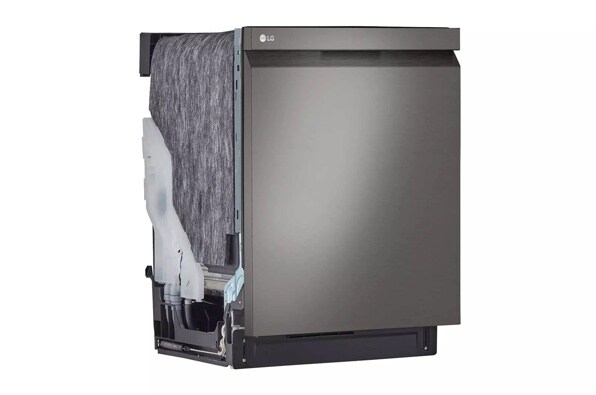
Credit: www.lg.com
Frequently Asked Questions
How Many Gallons Per Minute Does A Dishwasher Use?
A typical dishwasher uses about 1. 5 to 2 gallons per cycle. This equals roughly 0. 5 to 1. 5 gallons per minute depending on the cycle length. Efficient models use less water, helping save water and reduce utility bills.
Does Dishwasher Water Usage Vary By Cycle Type?
Yes, water usage depends on the cycle selected. Heavy wash cycles use more water, around 2 gallons per minute. Light or eco cycles use less, often below 1 gallon per minute, optimizing water efficiency.
Can A Dishwasher Save Water Compared To Hand Washing?
Yes, dishwashers generally use less water than hand washing. Modern dishwashers use about 4 gallons per cycle, while hand washing can use up to 27 gallons. Using a dishwasher reduces overall water consumption and conserves resources.
What Factors Affect A Dishwasher’s Water Consumption?
Water consumption depends on dishwasher age, model, and cycle type. Newer Energy Star models use less water. Longer or heavily soiled cycles increase water use. Proper loading also improves efficiency and reduces water waste.
Conclusion
A dishwasher usually uses about 1. 5 to 2 gallons per minute. This helps save water compared to washing by hand. Knowing this helps you understand your home’s water use better. You can choose models that use less water and save money.
Small changes make a big difference in water bills. Use water wisely and keep your dishwasher efficient. Simple steps protect the environment and reduce waste. Every drop counts, so pay attention to your dishwasher’s flow rate.