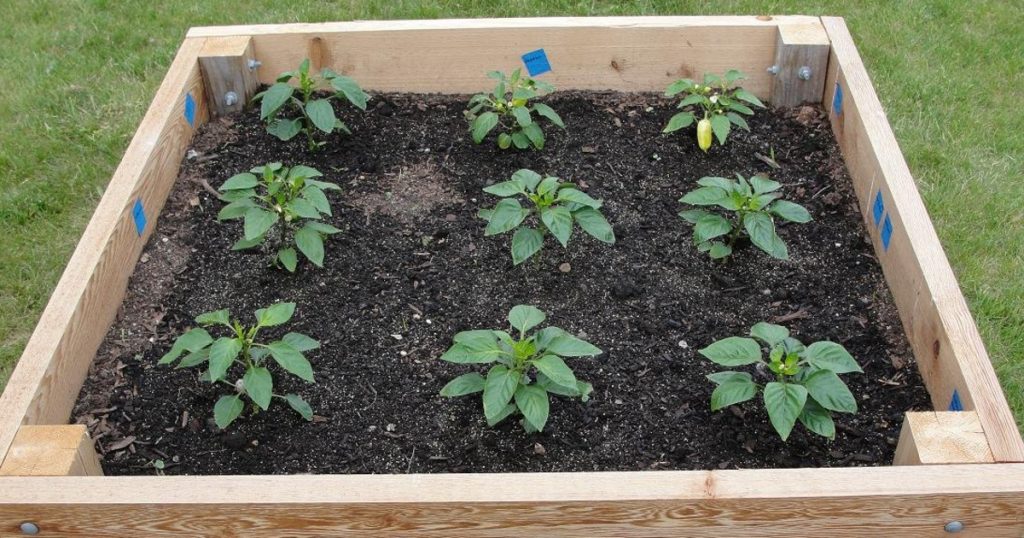
Are you ready to grow a thriving garden but unsure how much dirt you need for your raised garden bed? Getting the right amount of soil is key to healthy plants and a successful harvest.
Too little dirt can stunt growth, while too much can be a waste of space and money. You’ll discover exactly how many inches of dirt your raised garden bed needs to keep your plants happy and productive. Keep reading to make your gardening efforts count from the very first scoop of soil!
Choosing The Right Depth
Choosing the right depth for your raised garden bed is important. The depth helps plants grow strong roots.
Different plants and soils need different amounts of dirt. This guide helps you find the best depth.
Factors Affecting Depth
The depth of dirt depends on the types of plants you want to grow. Some plants need deep soil. Others grow well in shallow soil.
Also, consider how well water drains and how roots spread. These affect how deep your soil should be.
- Plant root size
- Water drainage
- Bed material and structure
- Local climate and weather
Soil Types And Plant Needs
Sandy soils drain quickly but hold fewer nutrients. Clay soils hold water but may cause root rot. Loam soils are best for most plants.
Plants with shallow roots need 6 to 8 inches of soil. Deep-rooted plants need 12 inches or more.
- Shallow-root plants: Lettuce, spinach, herbs (6-8 inches)
- Medium-root plants: Tomatoes, peppers, beans (10-12 inches)
- Deep-root plants: Carrots, potatoes, corn (12-18 inches)
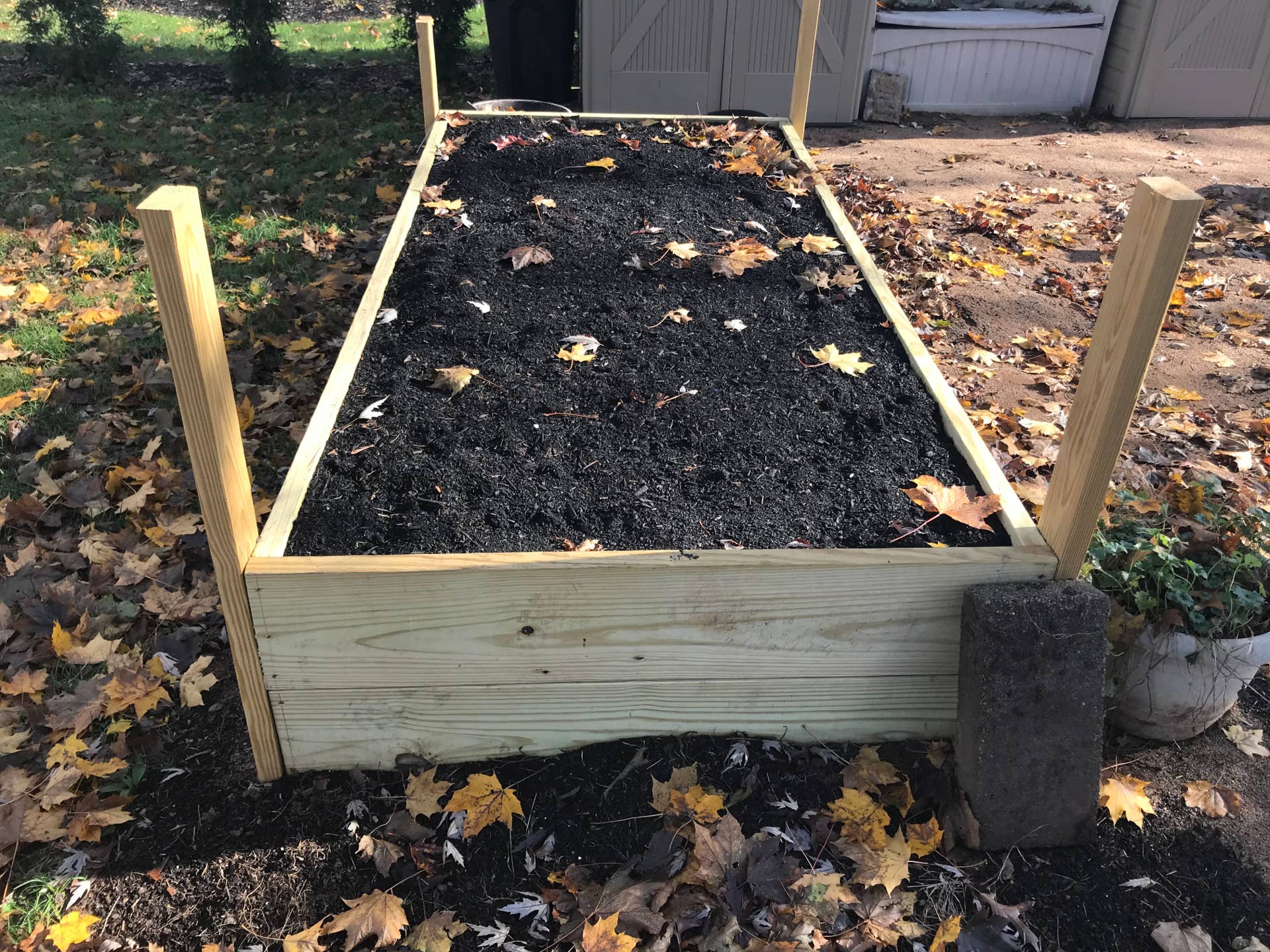
Credit: dengarden.com
Standard Dirt Depths
Raised garden beds need the right amount of dirt for healthy plants. The depth of dirt affects root growth and water drainage.
Choosing the correct dirt depth helps plants grow strong and produce more food.
Common Raised Bed Depths
Most raised garden beds have dirt depths between 6 and 24 inches. Different plants need different depths to grow well.
- 6 to 8 inches: Good for herbs and shallow-rooted plants
- 12 inches: Ideal for most vegetables and flowers
- 18 to 24 inches: Best for root vegetables and larger plants
Benefits Of Different Depths
Shallow beds use less soil and are easy to fill. They work well for small plants and herbs.
Deeper beds allow roots to grow deeper. This helps plants get more water and nutrients.
- Shallow beds dry out faster but warm up quickly
- Medium depth beds balance moisture and root space
- Deep beds support larger plants and store more moisture
Plant-specific Depth Requirements
Raised garden beds need the right amount of dirt for plants to grow well. Different plants have different root depths.
Knowing how many inches of dirt to use helps plants get enough water and nutrients. This guide explains the depth needs for shallow and deep rooted plants.
Shallow Rooted Plants
Shallow rooted plants have roots that grow close to the surface. They do not need a lot of soil depth to grow well.
These plants usually need 6 to 8 inches of soil. This depth gives enough space for their roots to spread out.
- Lettuce
- Spinach
- Radishes
- Strawberries
- Green onions
Deep Rooted Plants
Deep rooted plants have long roots that grow deep into the soil. They need more dirt to support their growth.
These plants usually require 12 to 24 inches of soil. This depth allows their roots to grow strong and healthy.
- Tomatoes
- Carrots
- Peppers
- Beans
- Potatoes
Layering Soil In Raised Beds
Raised garden beds need the right soil layers to help plants grow well. The depth of dirt in the bed affects root health and moisture.
Knowing how many inches of dirt to add and how to layer it can improve your garden’s success.
Base Layers Explained
The base layer in a raised bed supports drainage and soil structure. It stops water from pooling and keeps roots healthy.
This layer usually has coarse materials like small rocks, wood chips, or straw. It should be about 4 to 6 inches deep.
- Improves drainage
- Keeps soil from compacting
- Allows air to reach roots
Topsoil And Compost Mix
The top layer holds nutrients and water for plants. Use a mix of topsoil and compost for best results.
This layer should be about 8 to 12 inches deep. It provides enough room for most vegetable roots to grow.
- Topsoil adds structure and minerals
- Compost enriches soil with nutrients
- Mix well for even nutrient spread
Improving Soil Quality
Good soil is key for a healthy raised garden bed. The right amount of dirt helps plants grow strong.
Adding organic matter and checking drainage makes soil better. This helps roots get air and water.
Amending Soil
Add compost or aged manure to your soil. These materials give plants nutrients and improve soil texture.
Mix soil amendments evenly into the dirt. This helps plants absorb nutrients and grow well.
- Use 2 to 4 inches of compost on top
- Stir compost into the top 6 to 8 inches of soil
- Repeat each season for best results
Drainage Considerations
Good drainage stops water from pooling in your bed. Too much water can harm plant roots.
Fill your raised bed with loose soil that drains well. Avoid heavy clay or compacted dirt.
- Use a mix of topsoil, compost, and coarse sand
- Make sure the bed has holes or gaps to let water flow
- Check soil moisture often to prevent waterlogging
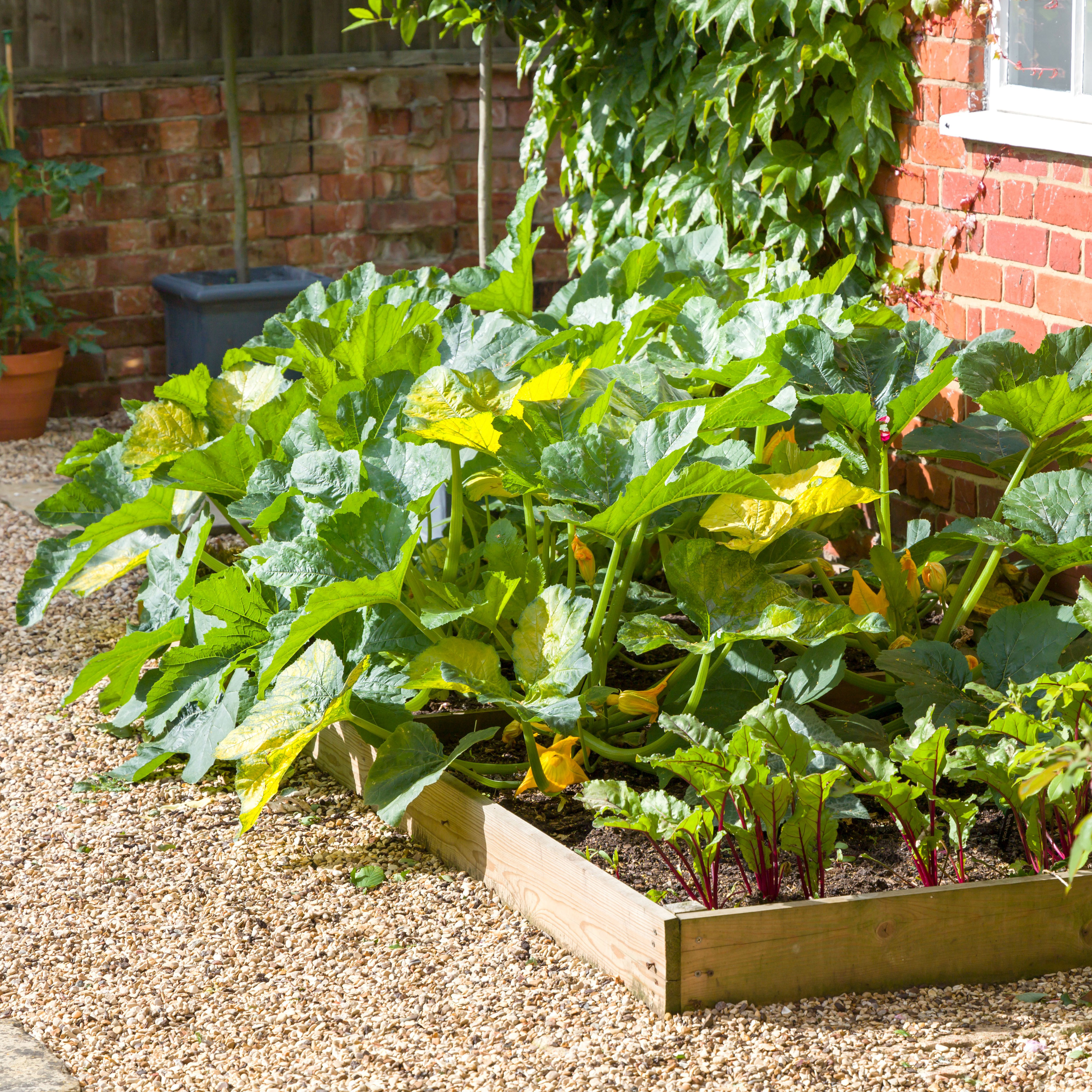
Credit: www.gardeningknowhow.com
Filling And Maintaining Depth
Knowing how many inches of dirt to use in a raised garden bed helps plants grow well.
This guide covers how to fill your bed and keep the soil depth steady over time.
Initial Filling Tips
Start with the right soil depth for healthy roots and good drainage. Most vegetables need at least 12 inches of soil.
- Fill your bed with 12 to 18 inches of quality garden soil mixed with compost.
- Use a mix of topsoil, compost, and other organic matter for nutrients.
- Leave some space at the top to avoid soil spilling out when watered.
- Lightly tamp the soil to remove air pockets but keep it loose for roots.
Seasonal Maintenance
Soil in raised beds settles and loses volume over time. Check soil depth each season to keep plants healthy.
| Maintenance Task | When to Do It | Why It Matters |
| Top off soil | Early spring and late fall | Restores lost soil depth for root growth |
| Add compost | After harvest | Replenishes nutrients and improves soil texture |
| Loosen soil | Before planting season | Prevents compaction and improves water flow |

Credit: www.vegega.com
Frequently Asked Questions
How Deep Should A Raised Garden Bed Be?
A raised garden bed should ideally be 12 to 18 inches deep. This depth allows for ample root growth, proper drainage, and nutrient access. However, some plants with deeper root systems may require more depth. Ensure your soil mix is rich in organic matter to support healthy plant growth.
What Type Of Soil Is Best For Raised Beds?
The best soil for raised beds is a mix of topsoil, compost, and peat moss or coconut coir. This combination provides good drainage, retains moisture, and supplies essential nutrients. Aim for a loose, fertile soil that promotes healthy root development and robust plant growth.
How Do I Calculate Soil For A Raised Bed?
To calculate soil for a raised bed, measure the length, width, and depth in feet. Multiply these dimensions to find the cubic feet needed. For example, a 4×8 bed at 1 foot deep needs 32 cubic feet of soil. Use this formula to ensure you purchase the right amount of soil.
Can I Use Regular Garden Soil In Raised Beds?
Regular garden soil is not recommended for raised beds. It may lack proper drainage and nutrients. Instead, use a soil mix designed for raised beds. This ensures better aeration, moisture retention, and nutrient availability, promoting healthier plant growth.
Conclusion
A raised garden bed needs about 6 to 12 inches of dirt. This depth helps plants grow strong roots and stay healthy. Too little dirt can dry out quickly. Too much dirt might cause poor drainage. Choose soil that drains well and is rich in nutrients.
Check your plants often to see if they need more soil. Good soil depth leads to better growth and bigger harvests. Simple steps make gardening easier and more fun. Dirt depth matters—give your plants the best start.