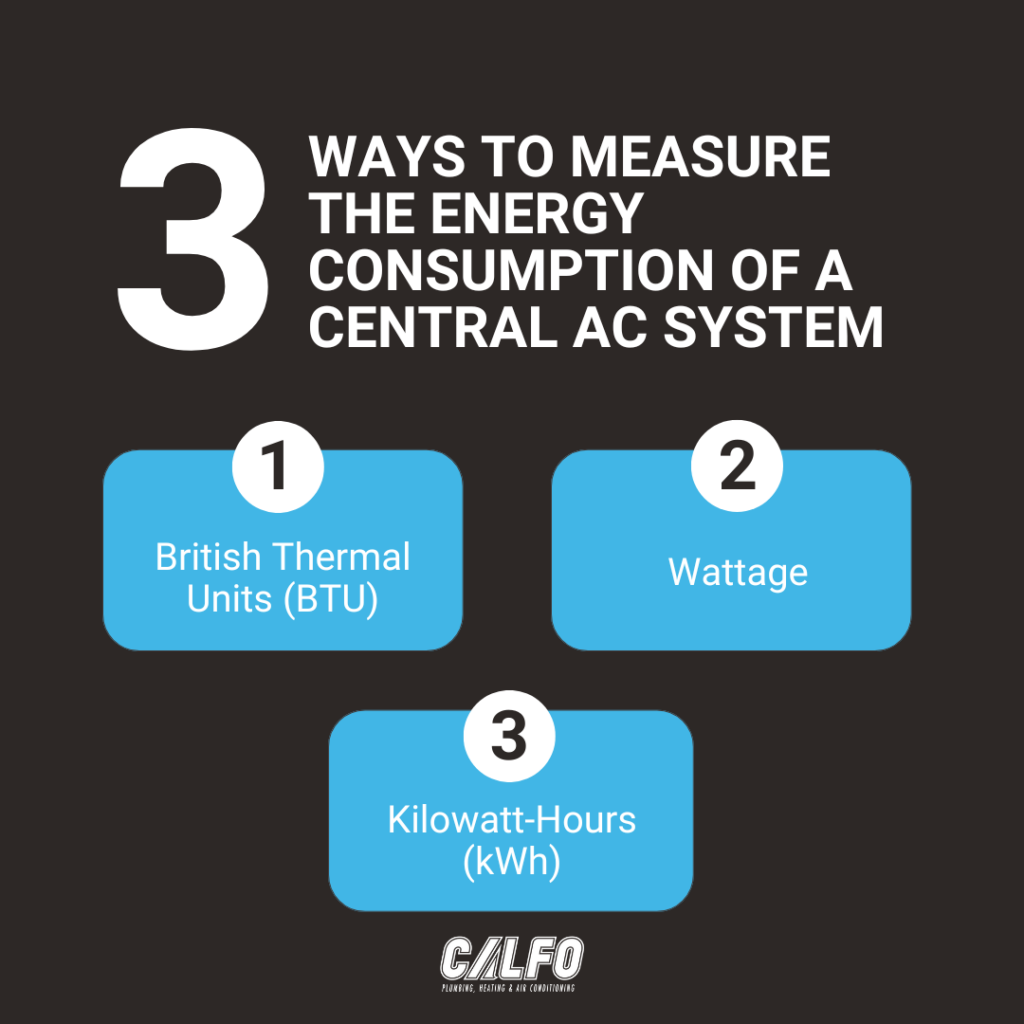
Have you ever wondered how much electricity your air conditioner really uses? Knowing how many kilowatt-hours (kWh) your AC consumes can help you control your energy bills and make smarter choices.
Whether you want to save money or reduce your carbon footprint, understanding your air conditioner’s energy use is the first step. Keep reading to discover simple ways to measure and manage your AC’s power consumption – it’s easier than you think!
Credit: northnjhvac.com
Air Conditioner Energy Basics
A kilowatt hour (kWh)is a unit that measures energy. It shows how much electricity is used over time. One kWh means using 1,000 watts for one hour. Your electric bill is based on how many kWh you use.
An air conditioner uses electricity to cool your home. The amount depends on the unit’s power and how long it runs. Most ACs have a power rating in watts or kilowatts. The higher the rating, the more energy it uses.
- The compressor uses the most electricity in an AC.
- Fans and controls use less energy.
- ACs cycle on and off, so they don’t run all the time.
- Energy use changes with temperature and settings.

Credit: www.aljazeera.com
Factors Affecting Ac Energy Use
Unit sizeaffects how much energy an air conditioner uses. Bigger units cool larger spaces but use more power. Energy efficiencyratings like SEER tell how well the AC saves energy. Higher ratings mean less power use.
Usage patternsalso matter. Running the AC at lower temperatures uses more energy. Turning it off when not needed saves power. Using timers or smart settings helps control energy use.
Climate and outdoor temperatureimpact energy use. Hotter days make the AC work harder and use more electricity. Humid weather also increases energy consumption. Mild weather lowers the AC’s power needs.
Typical Energy Consumption By Ac Type
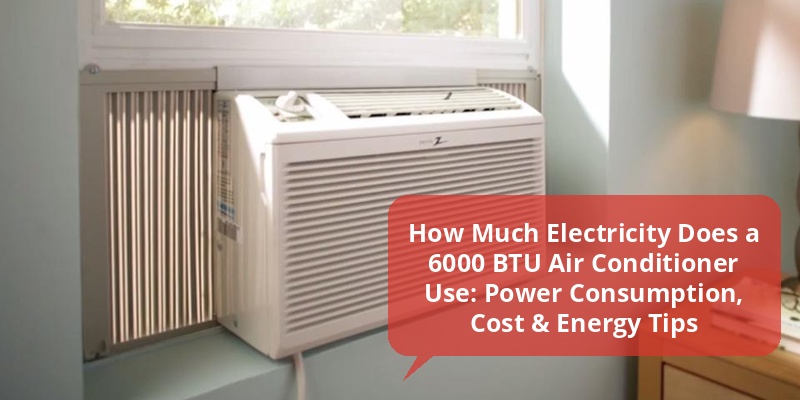
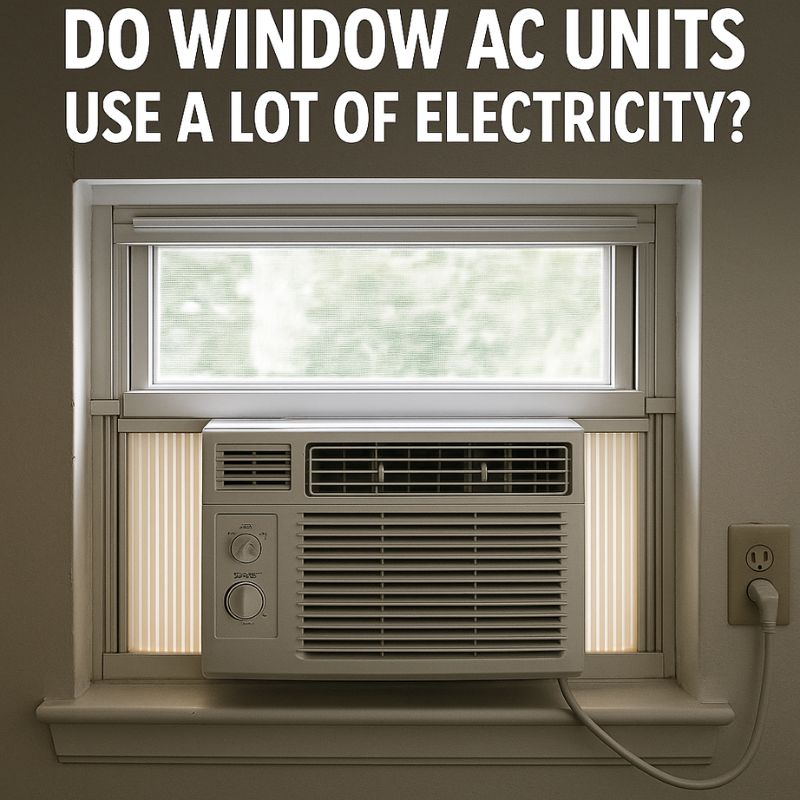
Window air conditionersusually consume between 500 to 1500 watts. They are good for cooling one room and use less energy than central systems.
Split and central AC systemsuse more energy. A typical split AC might use 1000 to 4000 watts. Central ACs can use even more, around 3000 to 5000 watts, because they cool whole houses.
Portable air conditionersoften use between 800 to 1500 watts. They are easy to move but usually less efficient than window or split systems.
Calculating Your Ac’s Kwh Usage
The energy labelon your air conditioner shows its power use. Look for the kW ratingor energy efficiency ratio (EER). This tells you how much electricity the unit uses per hour.
Using a power meteris a simple way to measure real electricity use. Plug the meter into the outlet, then connect the AC. It shows exact kWh consumptionduring operation.
To estimate monthly use, multiply the AC’s power (in kW) by how many hours it runs each day. Then, multiply by the number of days used in a month.
| Step | Details |
|---|---|
| Read Energy Label | Check kW or EER value to know power use per hour |
| Use Power Meter | Measure exact kWh by plugging meter between AC and outlet |
| Estimate Monthly Consumption | Multiply kW × daily hours × days used per month |
Energy Saving Tips For Air Conditioners
Setting your air conditionerto an optimal temperature saves energy. Keep it around 24-26°C (75-78°F)for comfort and efficiency. Avoid setting it too low; it wastes power and strains the unit.
Regular maintenancehelps the air conditioner run smoothly. Clean or replace filters every few months. Check for blockages in vents. This keeps air flowing and reduces energy use.
- Smart thermostatscontrol temperature automatically.
- They adjust settings based on your schedule.
- Smart devices can save up to 10-15%on cooling costs.
Impact On Electricity Bills
An air conditioner’s power use is measured in kilowatt-hours (kWh). This unit shows how much electricity the AC consumes over time.
The cost per kWhvaries by location and electricity provider. Knowing this cost helps estimate your monthly bill better.
| Cost per kWh | Monthly Use (kWh) | Estimated Monthly Cost |
|---|---|---|
| $0.10 | 300 | $30 |
| $0.15 | 300 | $45 |
| $0.20 | 300 | $60 |
Reducing electricity bills can be done by:
- Using energy-efficient AC models
- Setting a higher thermostat temperature
- Regularly cleaning or replacing filters
- Using fans to help air circulation
- Turning off AC when not needed
Alternative Cooling Options
Fans use much less electricitythan air conditioners. They move air to cool skin, not the air itself. Ventilation helps by bringing in fresh air and pushing out hot air. This can lower indoor temperatures naturally.
Evaporative coolers, also called swamp coolers, use water evaporation to cool the air. They work best in dry climates and use less energythan traditional air conditioners. They add moisture, which can be good in dry places but less useful in humid areas.
| Technology | Energy Use | Best For | Notes |
|---|---|---|---|
| Inverter AC | Lower than regular AC | Homes with variable cooling needs | Adjusts compressor speed for efficiency |
| Smart Thermostats | Reduces wasted energy | Users who control cooling remotely | Sets optimal temperatures automatically |
| Energy Star AC | Uses less power | Anyone wanting lower bills | Meets strict energy efficiency standards |
Credit: www.theelectriciansco.com
Frequently Asked Questions
How Many Kwh Does A Typical Ac Use Daily?
The average air conditioner uses between 1. 5 kWh and 5 kWh per hour. Daily usage varies based on factors like efficiency, size, and runtime. For a standard 8-hour operation, you might consume around 12 to 40 kWh daily. Check your specific model for exact figures.
Do Energy-efficient Acs Consume Fewer Kwh?
Yes, energy-efficient air conditioners are designed to consume fewer kWh. They use advanced technology to cool effectively with less energy. This not only reduces electricity bills but also benefits the environment. Look for models with a high SEER rating for optimal efficiency.
How Can I Reduce My Ac’s Kwh Usage?
To reduce kWh consumption, maintain your AC regularly. Clean or replace filters, seal leaks, and use programmable thermostats. Also, ensure proper insulation and consider using fans to distribute cool air efficiently. These steps can significantly lower energy usage.
Does Ac Size Affect Kwh Consumption?
Yes, the size of your air conditioner significantly impacts kWh consumption. An oversized AC will cycle on and off frequently, wasting energy. Conversely, an undersized unit will run continuously, consuming more power. Choose the right size to ensure efficient energy use.
Conclusion
Knowing how many kWh an air conditioner uses helps control electricity bills. Different models and sizes use power differently. Running your AC smartly saves energy and money. Small changes, like setting the right temperature, make a big difference. Regular maintenance keeps your unit working well and efficient.
Stay aware of your usage to avoid surprises. A little effort leads to cooler rooms and lower costs. Keep these tips in mind for better energy use.