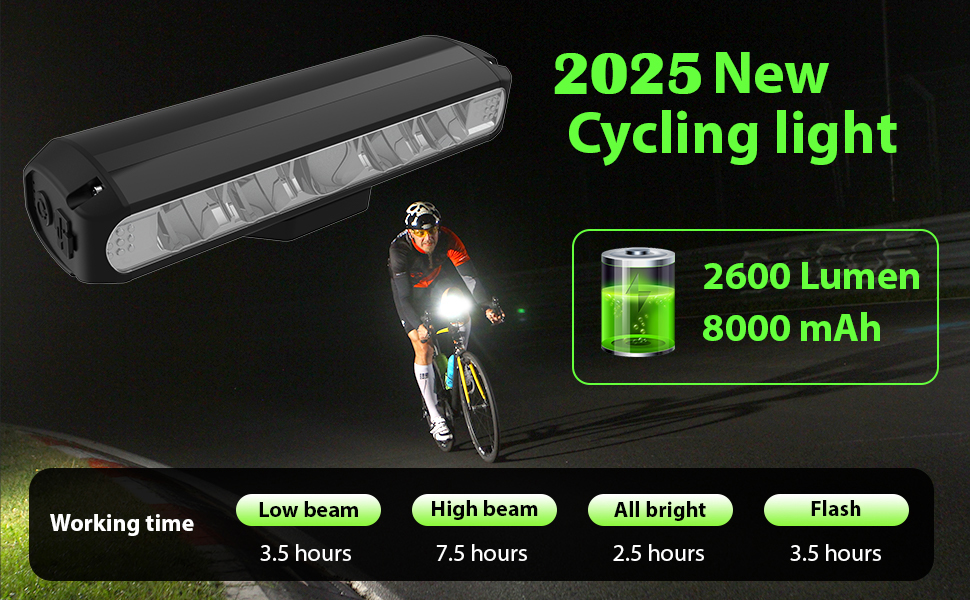
Are you wondering how many lumens your bike light should have? Choosing the right brightness can make a huge difference in your safety and riding experience.
Too dim, and you might miss important details on the road. Too bright, and you could blind other riders or waste battery power. You’ll discover exactly how many lumens you need for different riding conditions. By the end, you’ll feel confident picking the perfect light that keeps you visible and safe every time you ride.
Keep reading to find out what’s best for you.

Credit: www.amazon.com
Lumens And Bike Lights
Bike lights help you see and be seen in the dark. The brightness of a bike light is measured in lumens.
Choosing the right number of lumens is important for safety and visibility while biking.
What Are Lumens
Lumens measure the total amount of light from a source. They show how bright a light is.
A higher lumen number means a brighter light. This helps you see better at night or in dark places.
Why Lumens Matter For Biking
Bright bike lights help you spot obstacles and see the road clearly. They also help others see you.
Choosing the right lumens depends on where and when you ride your bike.
- 100 to 200 lumens: Good for city streets with streetlights
- 300 to 600 lumens: Best for suburban roads and some trails
- 700+ lumens: Needed for dark trails and fast riding at night
Choosing Lumens For Different Rides
Choosing the right bike light is important for safety. The amount of light, measured in lumens, should match your riding needs. Different rides need different lumen levels.
Here are some tips on choosing lumens for various types of rides. Use this guide to make your biking safer and more enjoyable.
City Riding
City riding needs moderate light. Streets often have some lighting, so you do not need too many lumens. A light between 200 to 600 lumens is usually enough.
- 200 lumens for well-lit streets
- 400 lumens for dimmer areas
- 600 lumens for very dark paths
Trail And Mountain Biking
Trail and mountain biking require more light. These areas are often very dark and uneven. A light with at least 1000 lumens is recommended.
- 1000 lumens for basic trails
- 1500 lumens for technical trails
- 2000 lumens for fast, downhill rides
Night Commuting
Night commuting needs a balance of brightness and battery life. A light between 400 to 800 lumens is usually ideal for seeing and being seen.
- 400 lumens for short distances
- 600 lumens for medium distances
- 800 lumens for long distances
Balancing Brightness And Battery Life
Choosing the right bike light means finding a balance between brightness and battery life. Too bright, and the battery drains fast. Too dim, and visibility may be poor.
Understanding how lumens affect battery use helps you pick the best light for your rides. This guide looks at key points to consider.
High Lumens Vs. Battery Drain
High lumen lights shine brighter but use more power. This means the battery runs out quicker, cutting your ride short.
- Bright lights improve safety in dark areas.
- Battery drains faster with higher lumens.
- Lower lumen settings save power but reduce visibility.
- Some lights offer multiple brightness modes.
Optimizing Runtime
To get the most from your bike light, use brightness wisely. Adjust settings to fit your riding conditions and conserve battery.
| Brightness Level | Typical Runtime | Best Use |
| High (800+ lumens) | 1-2 hours | Dark trails, fast riding |
| Medium (400-800 lumens) | 3-5 hours | Urban streets, mixed paths |
| Low (below 400 lumens) | 6+ hours | Well-lit roads, slow rides |

Credit: www.walmart.com
Types Of Bike Lights
Bike lights help you see and stay safe on the road. Different types of lights serve different purposes. Knowing the types helps you choose the best light for your ride.
This guide explains the main types of bike lights: front lights, rear lights, and helmet or handlebar options. Each type has features for specific needs.
Front Lights
Front lights shine ahead so you can see the path. They also make you visible to others. Brightness is measured in lumens. More lumens mean a stronger beam.
Front lights come in different sizes and beam shapes. Some focus on wide light for city riding. Others give a long beam for dark trails.
- Low lumen lights (100-200) for city streets
- Medium lumen lights (300-600) for mixed roads
- High lumen lights (700+) for off-road and trails
Rear Lights
Rear lights show your position to traffic behind you. They are mostly red and usually have flashing modes. This helps catch drivers’ attention.
Rear lights are often less bright than front lights but still very important. Some models have longer battery life to stay on for many hours.
- Steady light mode for constant visibility
- Flashing mode to increase attention
- Compact and lightweight for easy mounting
Helmet And Handlebar Options
Helmet and handlebar lights add extra visibility from different angles. Helmet lights point where you look. Handlebar lights give a stable beam ahead.
These lights often have adjustable brightness and can be removed easily. They are useful for night rides and rough terrain.
- Helmet lights improve sight direction
- Handlebar lights provide steady illumination
- Some models combine both for safety
Safety And Legal Standards
Bike lights are essential for rider safety, especially at night or in low-light conditions. Choosing the right brightness helps you stay visible and follow the law.
Understanding local rules and visibility needs ensures your bike light is effective and legal.
Local Regulations
Different places have rules about the brightness and color of bike lights. These rules protect riders and others on the road.
- Some areas require a white front light and a red rear light.
- Minimum brightness levels can vary from 100 to 300 lumens.
- Flashing lights may be allowed or restricted depending on the location.
- Failing to meet these rules can result in fines or penalties.
Visibility Requirements
Visibility depends on how bright your bike light is and how far it can be seen. Lumens measure the light’s brightness.
| Visibility Condition | Recommended Lumens | Reason |
| City streets with streetlights | 100–200 | Enough to be seen by others |
| Rural roads or no streetlights | 300–600 | Light the path and alert drivers |
| Off-road or trail riding | 600+ | Bright light needed for obstacles |
Top Lumens Recommendations
Choosing the right bike light depends on how bright you need it to be. Lumens measure the light’s brightness. More lumens mean a brighter light.
Different riding styles need different brightness levels. Here are top lumen recommendations for urban and off-road riders.
Best Lights For Urban Riders
Urban riders need enough light to be seen and see the road clearly. A light between 200 and 600 lumens works well in city streets.
Too bright lights can blind other riders or drivers. Choose a light with a steady beam and good side visibility.
- 200 to 400 lumens: Good for well-lit city areas
- 400 to 600 lumens: Best for darker streets or early mornings
- Steady beam pattern improves safety
- Lights with side visibility help others see you
Best Lights For Off-road Riders
Off-road riders need very bright lights to see rough paths and obstacles. Lights with 800 to 2000 lumens or more are common.
Wide and strong beams help spot hazards early. Rechargeable lights with long battery life work best for trails.
- 800 to 1200 lumens: Good for most trail riding
- 1200 to 2000+ lumens: Needed for very dark or technical trails
- Wide beam angle shows trail edges and obstacles
- Long battery life supports longer rides
Maintenance And Upkeep
Bike lights need care to work well and last long. Regular upkeep keeps them bright and reliable.
Simple maintenance steps help avoid problems and keep you safe while riding at night.
Battery Care
Good battery care improves light performance and battery life. Charge the battery fully before use.
Do not let the battery drain completely. Recharge it regularly even if you don’t use the light much.
- Use the charger made for your bike light
- Store batteries at room temperature
- Avoid exposing batteries to extreme heat or cold
- Remove batteries if you don’t use the light for a long time
Cleaning And Storage Tips
Keep your bike light clean for the best brightness. Wipe dirt and dust off after each ride.
Store the light in a dry place away from direct sunlight to protect its parts and battery.
- Use a soft cloth to clean the lens and body
- Do not use harsh chemicals or water directly on the light
- Store the light in a padded case to avoid damage
- Check the light regularly for cracks or loose parts

Credit: magicshine.com
Frequently Asked Questions
How Many Lumens Do I Need For City Biking?
For city biking, 200 to 400 lumens is sufficient. This brightness ensures good visibility in well-lit urban areas. It helps you see and be seen by others, enhancing safety during night rides or low-light conditions.
What Lumen Level Is Best For Off-road Biking?
For off-road biking, 800 to 1200 lumens is ideal. This higher brightness helps illuminate uneven trails and obstacles. It provides better depth perception and reaction time for safe riding in dark, rugged environments.
Are More Lumens Always Better For Bike Lights?
More lumens mean brighter light but not always better. Excessive brightness can cause glare for others. Choose lumens based on your riding environment and visibility needs for optimal safety and comfort.
How Far Can 500 Lumens Bike Light Illuminate?
A 500 lumens bike light can illuminate up to 100-150 feet. This range is suitable for most urban and suburban rides. It helps you spot hazards early while ensuring you remain visible to traffic.
Conclusion
Choosing the right bike light depends on your riding needs. Brightness, measured in lumens, affects how well you see and are seen. For city rides, 100-200 lumens usually work well. Dark trails or roads need stronger lights, around 400-800 lumens.
Always pick a light that fits your bike and riding style. Safety comes first, so don’t skimp on brightness. Remember, a good light helps you enjoy rides, day or night. Keep this guide in mind, and ride safely every time.