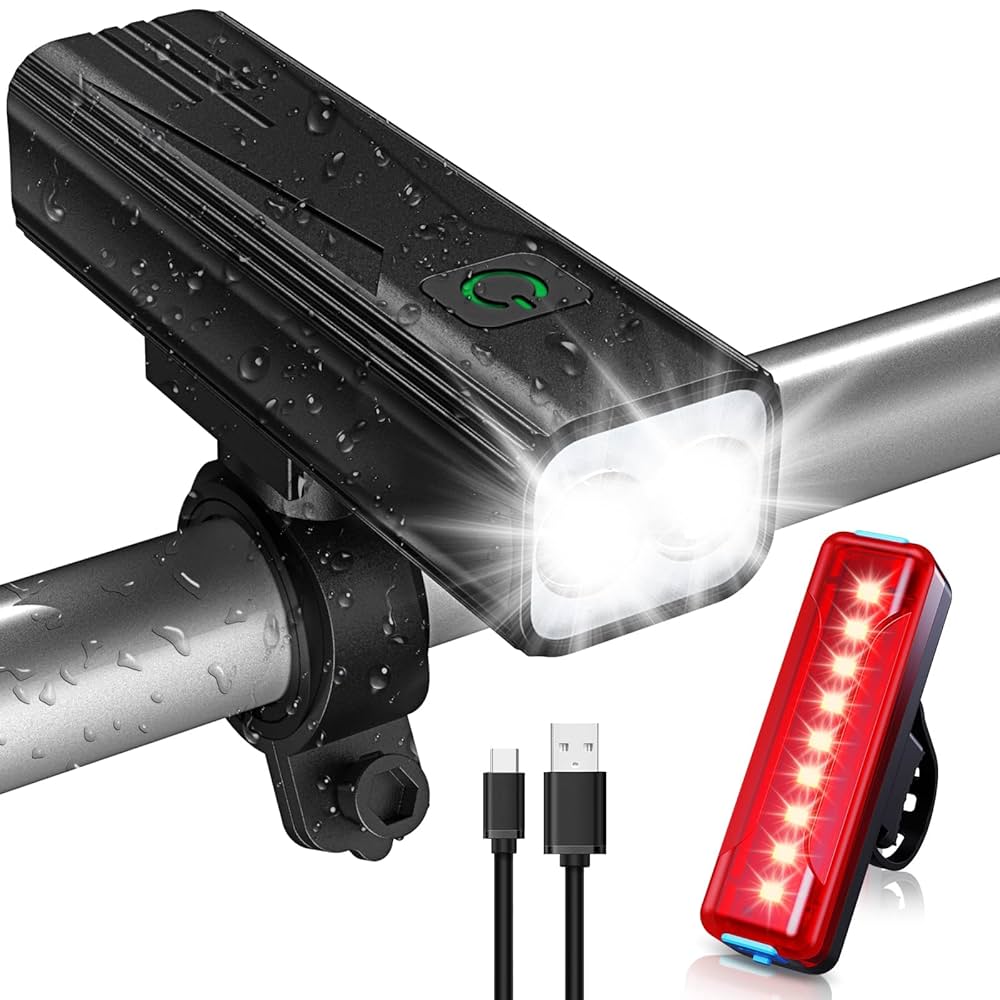
Choosing the right bike light can make all the difference in your safety and riding experience. But how do you know how many lumens your bike light should have?
Too little light, and you risk not seeing clearly; too much, and you might blind other riders or waste battery power. You’ll discover exactly how many lumens you need for different riding conditions. By the end, you’ll feel confident picking the perfect light that keeps you visible and safe every time you hit the road or trail.
Let’s get started!
Lumens And Bike Lights
Bike lights help you see and be seen when riding in the dark. Choosing the right brightness is very important.
Lumens measure how much light a bike light produces. This helps you pick the best light for your needs.
What Are Lumens
Lumens show the total amount of visible light from a source. The higher the lumens, the brighter the light.
Lumens are different from watts, which measure energy use. Lumens tell you how much light you get.
Why Lumens Matter For Cyclists
Bright bike lights help you see obstacles on the road. They also make you visible to others.
Choosing the right lumens depends on where and when you ride. Different rides need different brightness levels.
- Low lumens (100-200) work for city riding with street lights.
- Medium lumens (300-600) are good for suburban roads or early morning rides.
- High lumens (700+) suit dark trails or rural roads without light.
Choosing Lumens For Daytime Riding
Bike lights help others see you on the road. Choosing the right lumens is key for daytime riding.
Lumens measure how bright a light is. The right brightness keeps you safe during the day.
Visibility Needs In Daylight
Daylight makes it hard to see bike lights. You need more lumens than at night.
Bright lights help drivers and other riders notice you from far away. This reduces accidents.
- Lights must cut through sunlight and shadows
- Visibility from 500 feet or more is ideal
- Flashing modes increase attention
Recommended Lumen Range
For daytime riding, 200 to 600 lumens is a good range. This ensures you are seen well.
Use brighter lights if you ride on busy streets or in poor weather. Lower lumens may work on quiet roads.
| Riding Condition | Recommended Lumens |
|---|---|
| Quiet streets, good weather | 200 – 300 lumens |
| Busy roads, mixed weather | 300 – 450 lumens |
| Heavy traffic, fog, or rain | 450 – 600 lumens |
Optimal Lumens For Night Riding
Choosing the right brightness for your bike light is important for safe night rides. Lumens measure how bright the light is.
The right number of lumens helps you see clearly without blinding others on the road.
Lighting Requirements After Dark
Local laws often set minimum brightness for bike lights at night. Most require a white front light and a red rear light.
A front light with 200 to 600 lumens is usually enough for city streets. For trails or rural roads, you need more brightness.
- 200-400 lumens: good for well-lit streets
- 400-600 lumens: better for darker roads
- 600+ lumens: needed for off-road or fast rides
Balancing Brightness And Battery Life
Brighter lights use more battery power and run out faster. You want a balance between brightness and how long the light lasts.
Many bike lights offer different modes. Use high mode on dark paths and lower modes in lighter areas to save battery.
- High brightness: best for safety, shorter battery life
- Medium brightness: good balance for most rides
- Low brightness: saves battery, use in well-lit places
Types Of Bike Lights And Their Brightness
Bike lights help you see and be seen at night or in low light. Different types of lights have different brightness levels. Knowing these helps you choose the right light for your ride.
Brightness is measured in lumens. The higher the lumens, the brighter the light. Below are common types of bike lights and their typical brightness.
Front Lights
Front lights shine ahead to light your path. They help you see the road and obstacles. Front lights usually have a wide beam and higher brightness.
| Type | Brightness (Lumens) | Use |
| Low Power | 100-200 | City riding and short trips |
| Medium Power | 300-600 | Suburban roads and mixed lighting |
| High Power | 700-1500+ | Dark trails and fast riding |
Rear Lights
Rear lights make you visible from behind. They usually have lower brightness than front lights. Their main job is to alert drivers and other cyclists.
- Standard rear lights: 20-50 lumens
- Brake lights with sensors: 50-100 lumens
- Flashing modes to increase visibility
Helmet Lights
Helmet lights add extra lighting where you look. They give a flexible beam and help spot obstacles early. Helmet lights are usually smaller and less bright.
Typical brightness ranges from 100 to 400 lumens. They are good for off-road rides or when extra light is needed.
Safety Tips For Using Bike Lights
Bike lights are important for your safety on the road. They help others see you in the dark or bad weather.
Using your bike lights the right way makes riding safer. Learn how to place and use them well.
Proper Placement
Place your front light high on the bike frame or handlebars. This helps others see you from far away.
The rear light should be on your seat post or back rack. It shows drivers where you are behind.
- Front light: handlebars or helmet
- Rear light: seat post or back rack
- Keep lights steady and secure
Avoiding Glare
Do not point your front light directly at other drivers’ eyes. It can blind them and cause accidents.
Adjust the angle of your light to shine on the road, not into oncoming traffic.
- Angle front light downwards slightly
- Check light position before riding
- Use lights with low glare settings if possible
Combining Lights For Maximum Visibility
Use both front and rear lights together to be seen from all directions. Add side lights or reflectors if you can.
Flashing lights catch attention better but steady lights help others judge distance well.
- Front white light plus rear red light
- Side lights or reflective gear add safety
- Use flashing and steady lights wisely

Credit: us.knog.com
Battery Life And Brightness Trade-offs
Choosing the right bike light means balancing brightness and battery life. Brighter lights use more power and may run out faster.
Understanding how lumens affect battery life helps you pick the best light for your rides.
Impact Of Lumens On Battery
Lumens measure how bright a bike light is. Higher lumens mean stronger light but shorter battery life. Lower lumens save battery but give less light.
- Bright lights (500+ lumens) use batteries quickly.
- Medium brightness (200-500 lumens) balances light and battery well.
- Low brightness (under 200 lumens) lasts longest but may not be enough on dark roads.
Choosing Rechargeable Vs. Disposable
Rechargeable lights save money over time and are better for the environment. Disposable batteries are easy to replace but cost more in the long run.
| Type | Pros | Cons |
|---|---|---|
| Rechargeable | Cost-effective, eco-friendly, easy to recharge | Needs charging, limited by charger availability |
| Disposable | Ready to use, no charging needed | Higher long-term cost, environmental waste |
Legal Requirements For Bike Lights
Bike lights help keep riders safe by making them visible. Different places have rules about bike light brightness. These rules protect both cyclists and others on the road.
Knowing the laws where you ride is important. This guide explains the rules by region and the minimum brightness needed for bike lights.
Laws By Region
Bike light laws vary across countries and states. Some require front and rear lights, while others set brightness limits. Riders should check local rules to avoid fines and stay safe.
- United States:Most states require a white front light and a red rear light at night.
- European Union:Lights must be visible from 300 meters. Front lights are usually white, rear lights red.
- Australia:Lights must be on from sunset to sunrise. Some states require flashing lights.
- Canada:Provinces have different rules but usually require white front and red rear lights after dark.
Minimum Lumen Standards
Lumens measure the brightness of bike lights. Most laws set a minimum lumen level for safety. Brighter lights help others see you from far away.
| Region | Minimum Front Light Lumens | Minimum Rear Light Lumens |
| United States | 100 lumens | 10 lumens |
| European Union | 100 lumens | 10 lumens |
| Australia | 50 lumens | 10 lumens |
| Canada | 100 lumens | 10 lumens |

Credit: www.amazon.ca
Advanced Features In Modern Bike Lights
Modern bike lights have many smart features. These features help riders stay safe and see better. Advances in technology make these lights more useful than before.
In this article, we will explore three important features. These are adjustable brightness, smart sensors, and durability with weather resistance.
Adjustable Brightness
Adjustable brightness lets riders change the light level. This helps save battery and match the environment. Brightness can range from low to very bright settings.
- Low brightness for city riding and close visibility
- Medium brightness for suburban roads and mixed lighting
- High brightness for dark trails and open roads
- Flash modes to attract attention without using much power
Smart Sensors
Smart sensors adjust the light based on surroundings. They can detect when it gets dark and turn on automatically. Some sensors change brightness if another light is near.
| Sensor Type | Function |
| Light Sensor | Turns light on/off based on light levels |
| Motion Sensor | Activates light when bike moves |
| Proximity Sensor | Adjusts brightness near other lights |
Durability And Weather Resistance
Bike lights must work in many weather conditions. Good lights resist rain, dust, and shocks. Durable materials and tight seals keep the inside safe.
- Waterproof ratings like IPX4 or higher
- Shockproof casing to handle bumps
- Rust-resistant metal or plastic parts
- Secure mounting to avoid falling off

Credit: www.newegg.ca
Frequently Asked Questions
How Many Lumens Do I Need For City Biking?
For city biking, 200 to 400 lumens are sufficient. This brightness ensures visibility and safety without blinding others on the road. It helps you see obstacles and be noticed by drivers and pedestrians.
What Lumens Are Best For Mountain Biking At Night?
Mountain biking at night requires 800 to 1200 lumens. This high brightness helps illuminate uneven trails and obstacles. It ensures better control and safety in dark, off-road environments.
Are More Lumens Always Better For Bike Lights?
Not always. Higher lumens mean brighter light but can drain batteries faster. Overly bright lights might blind others. Choose lumens based on your riding conditions and duration.
How Far Can 500 Lumens Bike Light Illuminate?
A 500 lumens bike light typically illuminates 50 to 75 meters ahead. This distance is ideal for urban and suburban riding, providing clear visibility of the road and potential hazards.
Conclusion
Choosing the right bike light lumens is essential for safety. Consider your riding environment and needs. Urban cyclists might need fewer lumens. Off-road riders often require more. Aim for balance between brightness and battery life. Test your bike light before night rides.
Ensure it meets your visibility needs. Remember, a brighter light helps others see you, too. Invest in quality for a dependable ride. Stay safe and enjoy cycling adventures. With the right light, every ride can be safe and enjoyable. Happy biking!