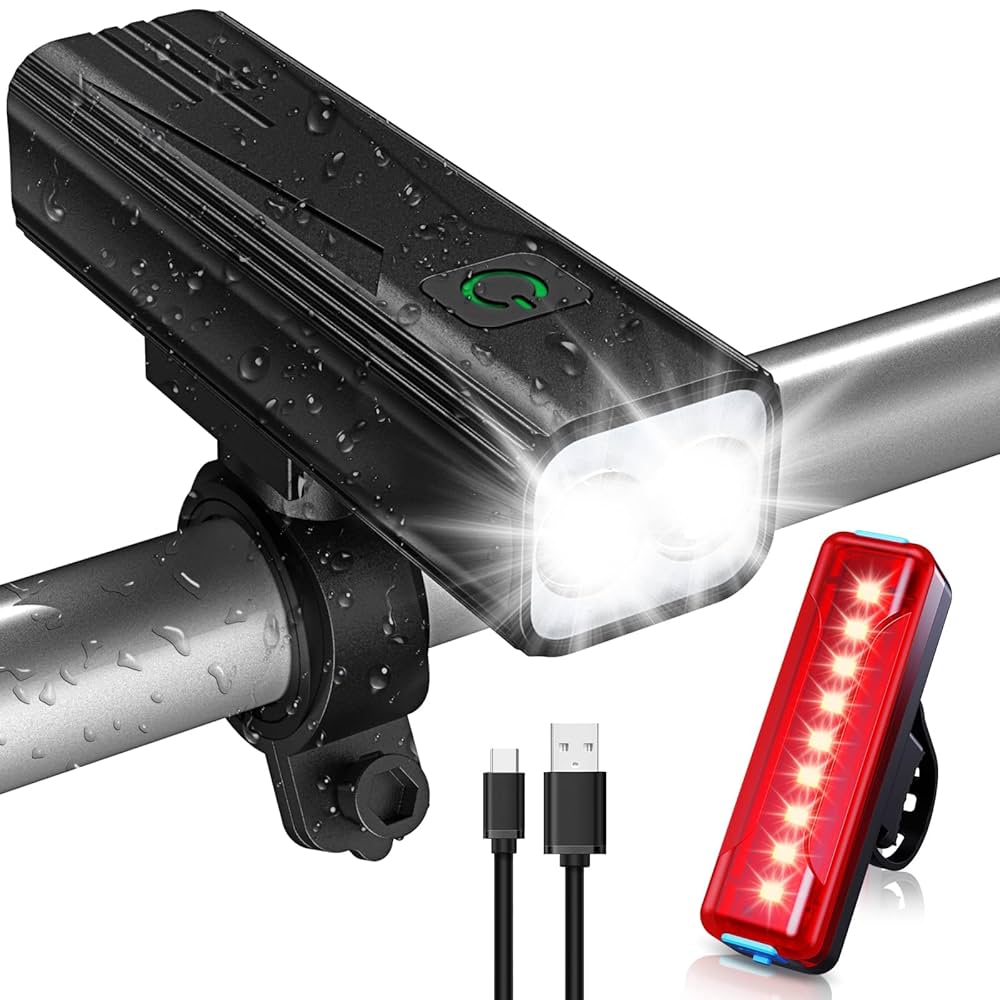
Choosing the right bike light can make all the difference when you’re riding at night or in low-light conditions. But how do you know how many lumens your bike light should have?
Too dim, and you might miss important details on the road. Too bright, and you could blind other riders or pedestrians. You’ll discover exactly how many lumens are ideal for different types of rides and environments. By the end, you’ll feel confident picking the perfect light to keep you safe and visible every time you hit the road.
Keep reading to find out what really matters when it comes to bike light brightness.
Choosing The Right Brightness
Bike lights come in different brightness levels. Choosing the right brightness helps you see better and stay safe. Brightness is measured in lumens.
This guide explains what lumens mean and how to pick the best light for your ride.
What Lumens Mean For Visibility
Lumens measure the total light output of a bike light. Higher lumens mean brighter light. Brightness affects how far and wide you can see on the road or trail.
Too little light can make it hard to spot obstacles. Too much light can blind other riders and waste battery power.
Lumens For Urban Riding
In cities, street lights add some visibility. You need enough lumens to see and be seen by others.
- 100 to 200 lumens: Good for well-lit streets
- 200 to 400 lumens: Better for darker areas or mixed lighting
- Over 400 lumens: Use if you often ride in very dark or poorly lit places
Lumens For Off-road Trails
Off-road trails need more brightness to see roots, rocks, and uneven ground. You need a strong beam to light up the path ahead.
| Lumens | Use Case |
| 500 – 800 | Beginner trails with some light |
| 800 – 1500 | Technical trails with many obstacles |
| 1500+ | Night rides on very dark trails |
Balancing Brightness And Battery Life
Brighter lights use more battery power. You want enough light without running out of battery fast.
Here are tips to balance brightness and battery life:
- Choose a light with adjustable brightness levels.
- Use high brightness only when needed.
- Carry extra batteries or a power bank for long rides.
Types Of Bike Lights
Bike lights are essential for safe riding at night or in low light. Different types of lights serve different purposes. Choosing the right light helps you see and be seen.
This guide explains the main types of bike lights and their uses. It helps you understand which light fits your riding needs.
Front Lights
Front lights shine ahead to help you see the road. They also make you visible to others. Brightness is measured in lumens. For city riding, 200 to 400 lumens is usually enough. For dark trails, 600 to 1000 lumens works better.
Rear Lights
Rear lights show your position to drivers behind you. They are usually red and less bright than front lights. A brightness of 50 to 200 lumens is common. Many rear lights have flashing modes to attract attention.
- Steady light mode for consistent visibility
- Flashing mode to catch attention
- Wide beam angle to cover more area
- Water-resistant for all weather use
Helmet Lights
Helmet lights add extra visibility and light where you look. They move with your head. These lights usually have 100 to 300 lumens. They help spot obstacles and signal turns.
Portable And Rechargeable Options
| Feature | Details |
|---|---|
| Power Source | Rechargeable batteries via USB |
| Portability | Lightweight and easy to carry |
| Charging Time | Usually 2 to 4 hours |
| Run Time | From 2 up to 10 hours depending on brightness |
| Mounting | Easy to attach and detach from bike or helmet |
Lumens Recommendations By Riding Conditions
Choosing the right bike light brightness helps keep you safe. Lumens measure the light output. Different riding conditions need different lumens.
Knowing the right lumens for your ride ensures you see well and others see you. This guide covers common riding situations.
Daytime Visibility Needs
Daytime bike lights help drivers and pedestrians see you. Brightness does not need to be very high. Around 100 to 200 lumens is usually enough.
Flashing lights are great during the day. They catch attention better than steady lights. Use a light with a strong flash mode.
Nighttime City Riding
City streets have streetlights and other lighting sources. You need moderate brightness to be seen and to see obstacles. A light between 300 and 600 lumens works well.
Use a light with a wide beam to see cars and pedestrians. A steady beam helps others judge your position on the road.
Rural And Dark Trail Riding
Riding in dark areas or off-road needs a strong light. You need to see the path clearly and spot hazards. Choose a bike light with at least 800 to 1500 lumens.
High lumens help you react faster to obstacles. A focused beam with some side spread is best for trails. Consider a light with multiple brightness settings.
Commuting Vs. Recreational Riding
Commuters need reliable lights that work in traffic and low light. A light with 300 to 700 lumens usually fits daily rides. Brightness should balance visibility and battery life.
Recreational riders may want brighter lights for fun night rides or trails. Lights with 700+ lumens offer better vision but use more power. Choose based on how and where you ride.

Credit: www.youtube.com
Safety And Legal Standards
Bike lights help keep riders safe by making them visible. Bright lights alert drivers and pedestrians. Using the correct light strength is important for safety and following the law.
Legal rules about bike lights vary by place. Riders should know the minimum requirements to avoid fines and accidents. Let’s look at key points about bike light brightness and safety features.
Minimum Lumens Requirements
Lumens measure how bright a bike light is. Different locations require different minimum lumens for front and rear lights. A brighter light helps others see you clearly at night or in low light.
- Front lights usually need at least 200 lumens for city roads.
- On dark or rural roads, 400 lumens or more is safer.
- Rear lights often require a minimum of 50 lumens or a strong red reflector.
- Some areas accept flashing lights but with specific brightness levels.
Reflectors And Additional Safety Features
Reflectors add safety by reflecting car headlights. They work even if your bike lights fail. Many laws require reflectors on the front, rear, and wheels.
- Front reflectors are usually white or clear.
- Rear reflectors must be red and bright enough for visibility.
- Side reflectors or reflective tape improve side visibility.
- Some lights come with built-in reflectors or flashing modes.
Local Regulations On Bike Lighting
Bike light laws differ by country and city. Some places have strict rules on light color, placement, and brightness. Others focus more on having any light at all during night rides.
| Region | Front Light Minimum | Rear Light Minimum | Reflector Required |
| USA | 200 lumens | Red light or reflector | Yes |
| UK | 400 lumens | Red light and reflector | Yes |
| Germany | 150 lumens | Red light | Yes |
| Australia | 200 lumens | Red light or reflector | Yes |
Maximizing Light Performance
Choosing the right lumens for your bike light is just the start. How you place, care for, and use your lights affects how well they work. Brightness matters, but smart use makes the difference.
Good light performance helps you see the road and be seen by others. This keeps your rides safe and comfortable in the dark or low light.
Proper Light Placement
Place your bike light where it points the way clearly. The front light should shine ahead, not at your feet or too high. The rear light must be visible to drivers behind you.
- Mount front lights near the handlebars for a clear path.
- Rear lights go on the seat post or back rack for visibility.
- Keep lights steady to avoid distracting flickers.
- Adjust angle so the light beam covers the road surface well.
Maintaining And Cleaning Lights
Clean your bike lights often. Dirt and grime reduce brightness and beam focus. Check batteries and connections regularly to avoid failures during rides.
| Maintenance Task | Why It Matters |
| Clean lenses with a soft cloth | Keeps light clear and bright |
| Check battery charge | Ensures light stays on longer |
| Inspect mounts and screws | Prevents light from moving or falling |
| Replace bulbs or LEDs if dim | Maintains full brightness |
Using Multiple Lights For Coverage
Using more than one light improves road coverage and safety. Combine different types to get wide and focused beams. This helps you see more and be seen easily.
- Use a strong front light for distance viewing.
- Add a wide-angle light to cover the sides.
- Rear lights alert others to your presence.
- Extra lights can signal turns or stops.
Battery Life And Power Sources
Choosing the right bike light means thinking about battery life and power sources. These affect how long your light lasts and how bright it stays.
Good battery life helps you ride safely without worrying about your light dying. Power sources come in many forms, each with pros and cons.
Battery Types And Their Impact
Bike lights use different battery types like lithium-ion, AA, or rechargeable packs. Each type changes how long your light works and how heavy it feels.
Lithium-ion batteries last longer and weigh less. AA batteries are easy to replace but add more weight. Rechargeable packs save money over time but need charging.
- Lithium-ion:Long life, light weight, rechargeable
- AA Batteries:Easy to find, heavier, replaceable
- Rechargeable Packs:Cost-effective, needs charging, moderate weight
Charging Tips And Tricks
To keep your bike light ready, charge it regularly. Avoid letting the battery drain completely before charging.
Use the charger that comes with your light. Charging in a cool, dry place helps batteries last longer.
- Charge before the battery is empty
- Use original or compatible chargers
- Keep batteries away from heat while charging
- Store batteries at room temperature
Trade-offs Between Power And Weight
Brighter bike lights use more power and heavier batteries. Lightweight lights may have less brightness or shorter battery life.
Choose a balance that fits your riding style. If you ride long at night, a heavier light with longer battery life is better.
- High power needs bigger batteries and adds weight
- Lightweight lights may have shorter run times
- Consider how far and long you ride at night
- Adjust brightness to save battery when possible
Choosing The Best Light For You
Picking the right bike light is key to safe night riding. You need enough brightness to see and be seen.
Lights come in many brightness levels, measured in lumens. Knowing how many lumens you need helps.
Assessing Your Riding Needs
Think about where and when you ride your bike. Different conditions need different light levels.
If you ride mostly in the city, 100 to 300 lumens is usually enough. It helps you see cars and road signs.
For rides on dark trails or rural roads, choose 500 to 1000 lumens. This gives better visibility on rough paths.
- City riding: 100-300 lumens
- Suburban roads: 300-500 lumens
- Dark trails/rural: 500-1000+ lumens
Budget Considerations
Bike lights come in many prices. Higher lumens often cost more, but you can find good options on a budget.
Think about how often you ride at night. If it is rare, a cheaper light is fine. For frequent night rides, invest more.
- Lower budget: Basic 100-300 lumen lights
- Mid budget: 300-600 lumen lights with extra features
- Higher budget: 600+ lumens, long battery life, durable build
Top Brands And Models
Many brands make reliable bike lights. Look for good reviews and features like battery life and water resistance.
Popular models fit different budgets and needs. Some focus on brightness, others on compact size or battery time.
- Brand A: Known for bright and durable lights
- Brand B: Offers budget-friendly options
- Brand C: Focuses on long battery life
- Brand D: Compact and lightweight models

Credit: www.amazon.com.be

Credit: praskylife.com
Frequently Asked Questions
What Lumen Range Is Ideal For City Bike Lights?
For city riding, 200 to 400 lumens is usually sufficient. It provides clear visibility without blinding others. This range helps you see road signs and obstacles in well-lit areas.
How Many Lumens Are Needed For Off-road Biking?
Off-road biking requires 800 to 1200 lumens or more. Higher brightness helps you see rough terrain and avoid hazards in dark, unlit trails. It ensures safety and better navigation.
Can 100 Lumens Be Enough For Bike Lights?
100 lumens can work for short, well-lit urban rides. However, it is generally too dim for night riding or poorly lit areas. Consider brighter lights for enhanced safety.
Why Do Mountain Bikers Prefer Higher Lumen Lights?
Mountain bikers use high lumen lights (1000+) for clear trail visibility. Bright lights reveal roots, rocks, and uneven terrain. This helps prevent accidents and improves riding confidence.
Conclusion
Choosing the right lumens for your bike light improves safety and visibility. Brightness depends on where and when you ride. City riding needs fewer lumens than dark trails. Too bright can blind others; too dim can be unsafe. Balance is key for comfort and clear vision.
Remember, good lighting helps avoid accidents and makes rides enjoyable. Test different lights to find what works best. Stay safe, see well, and enjoy every ride.