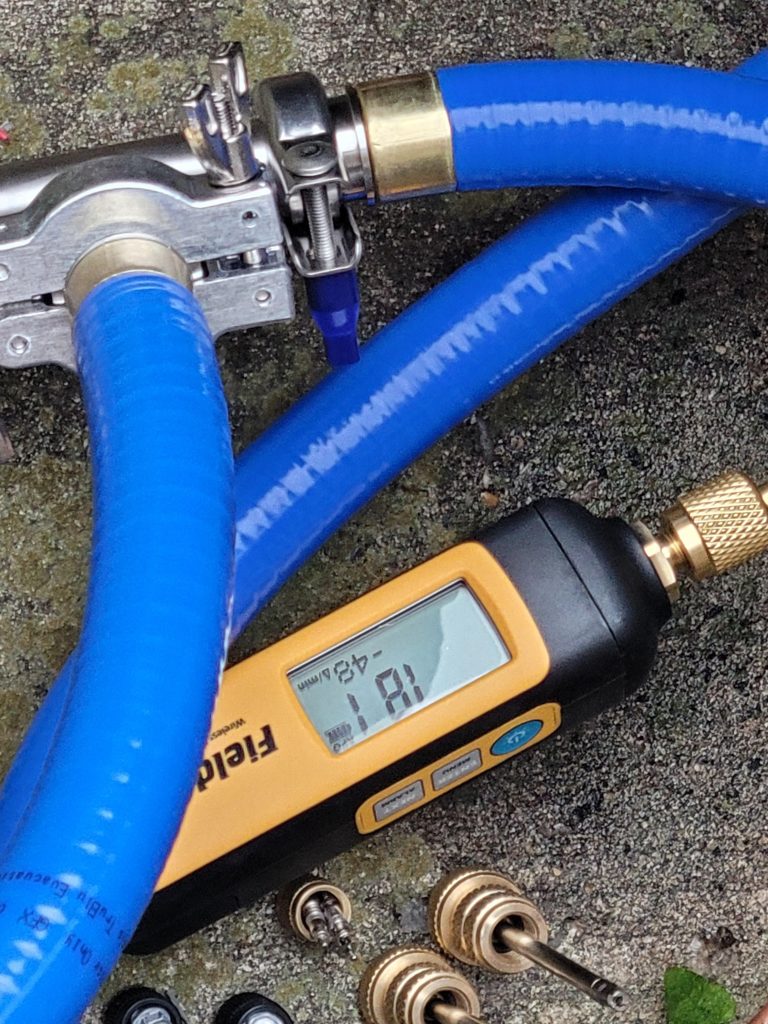
When it comes to maintaining your air conditioning system, understanding the importance of vacuum levels can save you both time and money. You might be wondering, “How many microns vacuum for AC is ideal?”
This seemingly technical detail can actually be your secret weapon for ensuring your AC runs smoothly and efficiently. Imagine the comfort of knowing that your cooling system is working at its best, without unexpected breakdowns or costly repairs. By diving into the world of microns and vacuums, you’ll discover how to extend the life of your AC, improve its performance, and even reduce your energy bills.
Ready to unlock the secrets to a cooler, more efficient home? Let’s delve into why this tiny measurement can make a big difference in your comfort and peace of mind.

Credit: www.reddit.com
Micron Basics
Understanding micron basics is key to knowing how deep a vacuum should be for your AC system. Microns measure the pressure inside the vacuum chamber. This helps check if the air and moisture are fully removed from the AC lines. Lower micron readings mean better vacuum quality and system performance.
Knowing what a micron is and how it is measured makes vacuuming your AC system easier and safer. It also prevents damage and improves efficiency. Let’s explore these basics in detail.
What Is A Micron?
A micron is a unit used to measure pressure. It shows how much air or gas remains inside a sealed space. One micron equals one millionth of a meter. In vacuum work, microns describe the vacuum level. The lower the micron, the stronger the vacuum.
In AC systems, technicians use microns to ensure all moisture and air are removed. This stops corrosion and keeps the system running well.
Micron Scale And Measurement
The micron scale ranges from atmospheric pressure to deep vacuum. Normal air pressure is about 760,000 microns. A good vacuum for AC work is usually below 500 microns. Many technicians aim for 200 microns or lower for safety.
- 760,000 microns – Normal atmospheric pressure
- 1,000 microns – Light vacuum
- 500 microns – Minimum recommended vacuum for AC
- 200 microns or less – Ideal vacuum for proper evacuation
Vacuum gauges measure microns digitally. These gauges help maintain the right vacuum level. Accurate measurement avoids leaks and moisture inside the AC system.
Vacuum Levels For Ac Systems
Vacuuming an AC system is essential for removing moisture and air before charging with refrigerant. Proper vacuum levels ensure the system runs efficiently and prevents damage. Understanding the right vacuum level helps avoid leaks and contamination. This section explains important vacuum ranges and critical points for AC systems.
Recommended Micron Range
The ideal vacuum level for most AC systems is between 500 to 1000 microns. This range ensures most moisture and non-condensable gases are removed. Achieving below 1000 microns means the system is clean enough for refrigerant charging.
Some technicians aim for even lower vacuum levels, around 300 to 500 microns. Lower values indicate a deeper vacuum and better moisture removal. However, going below 200 microns is often unnecessary and may waste time.
Critical Vacuum Points
- 1000 microns – The maximum acceptable vacuum level before charging.
- 500 microns – Preferred vacuum level for thorough moisture removal.
- 200 microns – Deep vacuum level indicating excellent system cleanliness.
- Above 1000 microns – Risk of air and moisture remaining in the system.
Monitoring vacuum levels during evacuation is crucial. Hold the vacuum at the target micron level for 15 to 30 minutes. This confirms no leaks or moisture enter the system again.
Importance Of Proper Vacuum
Proper vacuuming is crucial for air conditioning systems. It removes air and moisture from the system before refrigerant fills it. Without the right vacuum, the system can face many issues. These issues can reduce performance and increase repair costs. Understanding the importance of a proper vacuum helps maintain a long-lasting AC unit.
Removing Moisture
Moisture inside an AC system causes serious damage. It can freeze and block refrigerant flow. Water also reacts with refrigerant, creating acids. These acids corrode system parts and cause leaks. A proper vacuum removes all moisture, protecting the system from harm.
Preventing Contaminants
Air and dirt inside an AC system reduce its life. Contaminants cause clogs and damage to internal parts. Vacuuming pulls out unwanted particles before charging the system. This keeps the AC clean and free from harmful debris.
Ensuring System Efficiency
A well-vacuumed system works at peak efficiency. It cools faster and uses less energy. Proper vacuuming ensures the refrigerant flows smoothly. This lowers energy bills and improves comfort. Skipping this step leads to poor cooling and higher costs.
Vacuum Equipment And Tools
Vacuum equipment and tools play a crucial role in servicing air conditioning systems. They help remove air, moisture, and contaminants from the AC system. Proper evacuation ensures the system runs efficiently and prevents damage. Using the right tools guarantees a deep vacuum, critical for optimal AC performance.
Types Of Vacuum Pumps
Vacuum pumps create the suction needed to evacuate an AC system. There are different types of pumps, each with unique features.
- Single-Stage Pumps:These pumps are common for small to medium AC systems. They remove moisture and air effectively but take longer for deep vacuum.
- Two-Stage Pumps:These provide a stronger vacuum and faster evacuation. Ideal for larger or complex AC systems.
- Rotary Vane Pumps:Known for durability and quiet operation. They maintain steady vacuum levels during use.
- Diaphragm Pumps:Oil-free and low maintenance. Suitable for light-duty evacuation tasks.
Micron Gauges And Their Use
Micron gauges measure the vacuum level inside the AC system. They show how deep the vacuum is in microns, a unit for pressure measurement.
Vacuum quality affects AC system life and performance. A good vacuum level is usually below 500 microns.
- Micron gauges help technicians know when the system is fully evacuated.
- They prevent moisture and air from remaining in the system.
- Accurate readings avoid under or over-evacuation, protecting the AC.
Using a reliable micron gauge ensures proper evacuation every time.
Step-by-step Vacuum Process
Vacuuming your AC system properly is crucial for its efficiency and longevity. The vacuum process removes moisture and air that can cause corrosion and reduce cooling performance. Understanding each phase ensures you achieve the right vacuum level and keep your system in top shape.
Preparing The Ac System
Start by turning off the AC and disconnecting the power source to avoid any accidents. Attach your vacuum pump securely to the service port using the correct hoses and fittings. Make sure all valves on the manifold gauge set are closed before you begin.
Check the system for visible leaks or damage before vacuuming. Any leaks will prevent you from reaching the desired vacuum level and may let moisture back in. Sealing small leaks early saves you time and money in the long run.
Achieving The Desired Micron Level
Turn on the vacuum pump and monitor the micron gauge closely. Your goal is to reach a vacuum level between 500 and 1000 microns. This range indicates that most moisture and air have been removed from the system.
If you notice the vacuum level isn’t dropping as expected, pause and inspect all connections again. Even a small leak or a loose hose can keep the micron reading high. Patience here pays off—you don’t want to rush this step.
Holding And Monitoring Vacuum
Once you hit the target micron level, close the manifold valves and turn off the vacuum pump. Watch the micron gauge for at least 10 to 15 minutes. If the micron level stays steady, it means your system is sealed and dry.
If the vacuum level rises during this hold time, you likely have a leak or residual moisture. You’ll need to repeat the vacuuming process or repair the leak before moving forward. This step helps prevent future system failures and ensures your AC runs smoothly.

Credit: www.reddit.com
Common Vacuuming Mistakes
Vacuuming an AC system properly is key to its performance and longevity. Many people make simple mistakes that end up costing time and money. Understanding these common errors helps you avoid frustration and ensures your AC runs smoothly.
Inadequate Vacuum Time
Rushing the vacuum process is a frequent mistake. You might think a quick vacuum is enough, but that often leaves moisture and air inside the system. Moisture can freeze and cause blockages, damaging your AC.
Always allow enough time for the vacuum pump to pull the system down to the recommended micron level. If you’re unsure, keep the vacuum running longer rather than stopping too soon.
Ignoring Micron Readings
Micron readings tell you how deep the vacuum is and if all air and moisture have been removed. Ignoring or misreading these numbers can lead to incomplete evacuation.
Don’t just guess or rely on the vacuum gauge alone. Use a micron gauge to get precise readings, and know the target vacuum level for your system — usually below 500 microns.
Improper Equipment Use
Using the wrong vacuum pump or hoses can sabotage your efforts. For example, a small pump might never reach the needed vacuum level, or damaged hoses can leak air back in.
Check your equipment regularly for wear and tear. Make sure your pump is rated for your AC system size and that all connections are tight and leak-free before starting.
Troubleshooting Vacuum Issues
Vacuuming your AC system to the right micron level is crucial for optimal performance. But what happens when you face vacuum issues? Troubleshooting these problems quickly can save you time and protect your equipment from damage.
Leaks And Their Detection
Leaks are a common cause of vacuum problems. Even a tiny leak can prevent your vacuum from reaching the necessary micron level.
Use a simple soap bubble test to spot leaks on hoses and fittings. Apply a few drops of soapy water on suspected areas and watch for bubbles forming.
Electronic leak detectors offer more precision and can find leaks invisible to the naked eye. Remember, sealing leaks before vacuuming is essential to avoid wasted effort.
Pump Performance Problems
Your vacuum pump’s health directly affects how low your micron reading can go. If the pump is old or poorly maintained, it may struggle to achieve the required vacuum.
Check oil levels regularly; dirty or low oil reduces the pump’s efficiency. Changing the oil according to the manufacturer’s instructions can restore performance.
Also, listen for unusual noises or vibrations from the pump. These signs often indicate internal wear or damage that needs immediate attention.
Gauge Calibration
Accurate gauge readings are vital for knowing if your vacuum level is right. An uncalibrated or faulty gauge can mislead you, causing under or over-vacuuming.
Test your gauge against a known standard or a calibrated reference gauge. If readings don’t match, recalibrate or replace the gauge.
Keeping your gauges in good condition ensures you’re not guessing the vacuum level, which can prevent costly mistakes.

Credit: www.reddit.com
Tips For Perfect Vacuum Results
Achieving a perfect vacuum for your AC system is essential for its efficiency and longevity. Proper vacuuming removes moisture and air, preventing damage and ensuring smooth operation. Follow these tips to get the best results and keep your AC running smoothly.
Best Practices
- Use a vacuum pump rated for at least 500 microns for most AC systems.
- Connect the vacuum gauge securely to avoid leaks during evacuation.
- Run the vacuum pump until the gauge reads below 500 microns, ideally around 250 microns.
- Hold the vacuum for 15 to 30 minutes to check for leaks or moisture presence.
- Close valves slowly to avoid sudden pressure changes that can damage the system.
Regular Maintenance
- Clean and oil your vacuum pump regularly to maintain strong suction.
- Replace vacuum pump oil after every few uses or as recommended by the manufacturer.
- Inspect hoses and connections for cracks or wear before each use.
- Store vacuum equipment in a clean, dry place to prevent contamination.
- Test your vacuum gauge’s accuracy periodically to ensure reliable readings.
Safety Considerations
- Wear safety glasses and gloves when handling refrigerants and vacuum equipment.
- Work in a well-ventilated area to avoid inhaling harmful fumes.
- Follow manufacturer guidelines for all tools and chemicals used.
- Avoid over-tightening fittings to prevent damage or leaks.
- Disconnect power sources before starting any vacuum or repair work.
Frequently Asked Questions
What Micron Level Is Ideal For Ac Vacuuming?
An ideal vacuum for AC systems should reach 500 microns or lower. This level ensures moisture and air removal, preventing system damage and improving efficiency.
Why Is Vacuuming Important For Ac Units?
Vacuuming removes moisture, air, and contaminants from AC systems. It prevents corrosion, improves refrigerant flow, and ensures better cooling performance.
How Long Should Ac Vacuuming Take?
AC vacuuming typically takes 15 to 30 minutes. The goal is to reach and hold the target vacuum level to ensure system integrity.
Can A Higher Micron Vacuum Damage Ac Systems?
Yes, insufficient vacuum (above 500 microns) leaves moisture and air. This can cause corrosion and reduce AC efficiency, leading to costly repairs.
Conclusion
Vacuuming an AC system to the right micron level matters a lot. It helps remove moisture and air from the system. Aim for around 500 microns or lower for good results. This ensures better cooling and prevents damage. Using a good vacuum gauge makes the job easier.
Keep the system clean and sealed after vacuuming. Doing this saves money and keeps your AC running longer. Simple steps, big benefits.